A clusia hedge is a salt-tolerant evergreen screen popular in South Florida. In Palm Coast, it can work, but it is cold tender. Clusia rosea is rated for Zones 10B to 11, while Palm Coast sits in Zone 9b. Buy the small-leaf type, plant it in a sheltered spot, and be ready to cover it on freeze nights.
We plant and trim hedges across Flagler County, and clusia is one of the plants homeowners ask us about most after seeing it in South Florida photos. The plant looks great in those photos. The question is whether it can handle a Palm Coast winter. This guide gives you the honest answer, plus how to pick the right type and protect it.
What Is a Clusia Hedge?
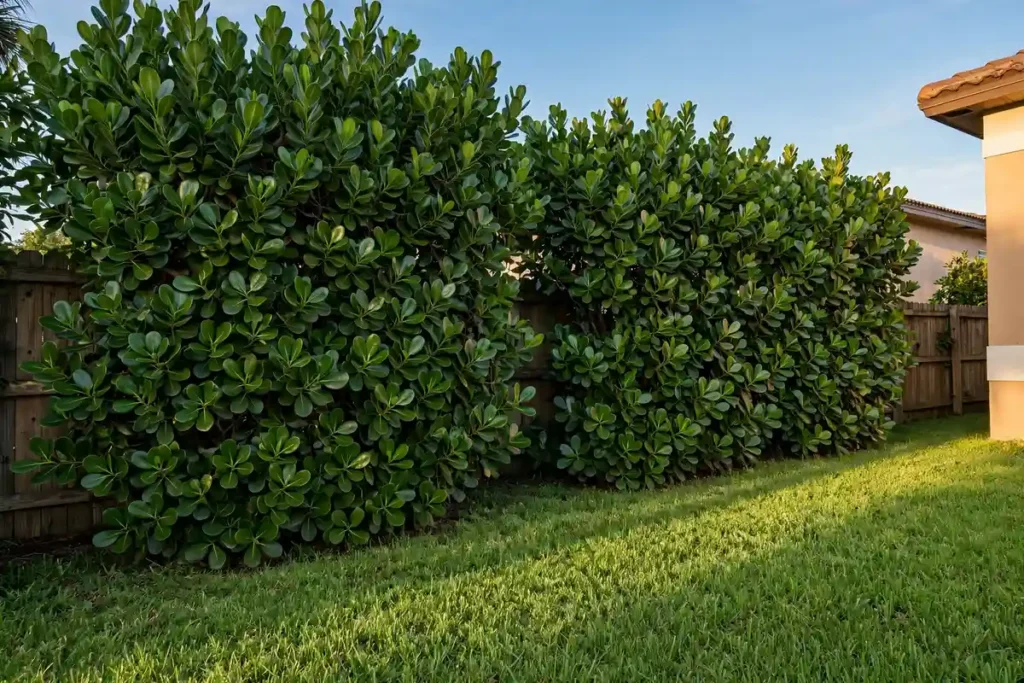
A clusia hedge is a wall of thick, leathery leaves that grows dense enough to block a view. Homeowners plant it as a privacy screen along fences and property lines. It stays green all year, and it handles salt air and sandy soil well. That mix is why it is so popular in coastal Florida yards.
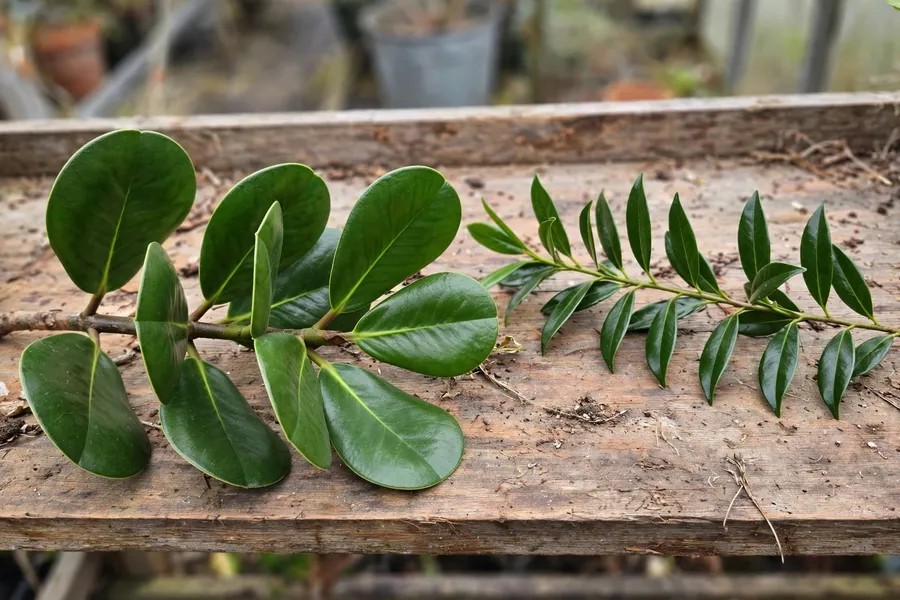
Two plants share the name clusia, and that causes a lot of mix-ups at nurseries. Clusia rosea, also called pitch apple, is a native small tree of extreme South Florida. The other is a smaller-leaved clusia sold for hedges, often labeled Clusia guttifera. UF/IFAS Sarasota notes that it is often mislabeled as rosea, and the guttifera name does not appear in plant taxonomic databases.
Both types share the tough, glossy leaves that make clusia a strong screen plant. If your yard sits near the coast, clusia also fits in with other salt-tolerant plants that handle wind and salt spray. The key is to know which type you are buying, because the two types grow to very different sizes.
Most clusia advice you find online is written for Miami and South Florida yards. Those yards rarely see a freeze, so their advice skips the cold risk. Palm Coast yards need a different plan, and that plan starts with the type you buy and the spot you plant it in.
Clusia Rosea vs Small-Leaf Clusia
UF/IFAS lists Clusia rosea at 25 to 30 feet tall and 15 to 25 feet wide, with moderate growth. The table below shows how it compares with the small-leaf type. Size matters most. A rosea left alone can grow into a small tree, while the small-leaf type is the plant most people mean when they say clusia hedge.
| Feature | Clusia rosea | Small-leaf clusia |
|---|---|---|
| Size | 25 to 30 feet tall and 15 to 25 feet wide | Smaller overall, and most often kept as a trimmed hedge |
| Leaves | Large, thick, leathery leaves | Smaller, narrower, glossy leaves |
| Flowers and fruit | Fruit is poisonous and can drop and litter the ground | Rarely blooms or fruits, so there is little litter |
| Cold tolerance | Rated Zones 10B to 11; drops leaves below 30°F | One UF/IFAS agent reports it handles plantings well into Zone 9, but this is field experience, not a published rating |
| Best hedge use | Works as a tall screen if you have room and accept the size | The usual choice for a dense privacy hedge |
Check the tag before you buy. If the tag only says Clusia rosea, ask the nursery whether the plant is the large tree type or the small-leaf hedge type. A hedge planted from the wrong type can outgrow its spot fast.
Will Clusia Grow in Palm Coast?
Palm Coast sits in USDA hardiness Zone 9b, where the average coldest winter night runs 25 to 30°F, according to a LawnStarter summary of the 2023 USDA map. That range sits below the 30°F point where Clusia rosea drops its leaves. So rosea is a gamble here, and a hard freeze can leave it bare.
Small-leaf clusia has a better track record in Zone 9, based on one UF/IFAS agent’s field experience. Treat that as a promising report, not a guarantee. A hard freeze can still damage it, so site choice and frost cover matter as much as the type you pick.
The best spots sit near the coast, against a south or east wall, or under a light tree canopy. Walls and canopy hold a little warmth overnight. Avoid open, low areas where cold air settles. Those frost pockets are the first places a tender hedge gets hurt.
If your hedge drops leaves after a freeze, do not pull it out right away. Wait for spring warmth and watch for new buds on the stems. A hedge that looks bare in February can still push new growth once the cold passes. That patience is part of growing a tender plant at the edge of its range.
How to Protect Clusia on Freeze Nights
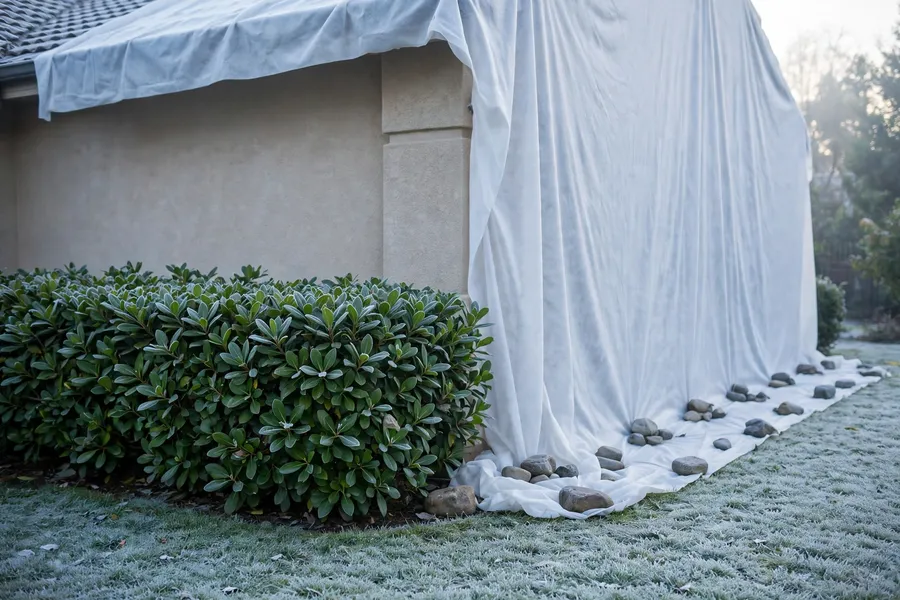
Watch the forecast, and act before the cold arrives. Water the soil the day before a freeze, since moist soil holds heat better than dry soil. Cover the hedge all the way to the ground with frost cloth, and hold the cloth down so wind cannot lift it.
Do not use plastic. Plastic traps cold against the leaves and can do more harm than good. Take the cover off in the morning once the air warms, and leave damaged leaves alone until spring. Trimming too soon can expose fresh growth to the next cold night. For a full cold-season plan, see our guide on how to winterize your garden.
How to Plant a Clusia Hedge
Clusia grows in full sun to partial shade and needs well-drained soil. Flagler County sand drains fast, which suits it. Dig the hole no deeper than the pot, and set the plant at the same depth it grew in the pot. Planting too deep can rot the stem. Water well until the plant is established, then cut back.
Give it room. UF/IFAS Hillsborough warns that homeowners often plant clusia too close to foundations, fences, and driveways. A hedge that looks small in a pot can grow up to 30 feet tall and 25 feet wide if you let it. Follow the spacing on the nursery tag for your pot size and the height you want. Do not guess at spacing, since the right gap depends on the type and the size you plan to keep.
Place the hedge where it can screen the view without crowding a walk or a fence. Our guide to fence line landscaping shows how a hedge fits with gates, corners, and neighbor views.
Clusia Hedge Care
Water new plants often until they are established. After that, clusia needs only light watering, since it handles dry spells once its roots spread. Overwatering in heavy soil causes more trouble than a dry week.
Spread mulch about 3 inches deep, and keep it a couple of inches away from the stems, as UF/IFAS Gardening Solutions advises. Mulch holds moisture and keeps weeds down. Keep it off the stems so rot cannot start at the base.
Scale is the main pest UF/IFAS lists for Clusia rosea. Check the undersides of leaves for small bumps, and treat early before the insects spread. Healthy plants in the right spot fight pests better than stressed plants.
Walk the hedge a few times a year and look for thin spots, dead stems, and insects. Catching a problem early keeps a small fix small. A hedge that thins out in one area often points to a spot problem, such as too much shade or poor drainage, rather than a pest alone.
Pruning takes the most work. Keeping clusia as a short hedge takes frequent pruning, UF/IFAS Hillsborough notes. A UF/IFAS Sarasota agent warns that hedge trimmers can shred the big leaves of rosea and leave a ragged look. Hand pruners take longer, but they leave cleaner cuts and a neater hedge. Also trim the prop roots on rosea before they spread where you do not want them.
Good Alternatives If Your Yard Is Too Cold
If your yard sits in a low, open spot that catches every freeze, clusia may not be worth the risk. Our guide to plants that add privacy covers screens that handle colder nights, and ornamental grasses for privacy add height and movement without a woody hedge. Pick a plant that fits your coldest nights, not just your warmest days.
Privacy Hedges in Palm Coast
We pick hedges that match the spot, the wind, and the winter. A hedge that fits your yard needs less rescue work on freeze nights and less trimming all year. Our landscape design team plans the screen, and our landscape installation crew plants it right, with room to grow. Call Dreamscapes Florida at (386) 237-2983 for a free estimate. We serve Palm Coast, Flagler Beach, Bunnell, Ormond Beach, and St. Augustine.
Frequently Asked Questions
It can be damaged. Clusia rosea drops its leaves below 30°F, and Palm Coast winters often reach 25 to 30°F on the coldest nights. Small-leaf clusia handles cold better, but it still needs a frost cloth cover on hard freeze nights. Plant it in a sheltered spot for the best chance.
Clusia rosea is a native small tree that grows up to 30 feet tall, with large, thick leaves and fruit that is poisonous. Small-leaf clusia has smaller, narrower leaves and rarely blooms or fruits. It is the type most often sold for hedges, while rosea suits a tall screen with plenty of room.
UF/IFAS lists Clusia rosea as a moderate grower. It grows fastest in moist soil with good light, and it slows down in dry soil or heavy shade. A hedge kept short needs regular pruning, so growth speed also depends on how often you trim it back.
Yes. UF/IFAS says Clusia rosea is quite tolerant of salt spray and light, sandy soil. That tolerance is a big reason it is popular in coastal yards across South Florida. It still needs a sheltered spot in Palm Coast, where winter cold is the bigger risk.
The fruit of Clusia rosea is listed as poisonous by UF/IFAS, and fallen fruit can also litter the ground. Small-leaf clusia rarely fruits, so the risk is much lower with that type. Pick up any fallen fruit, and keep kids and pets away from it.
Often, if you want it short. UF/IFAS warns that keeping clusia as a low hedge takes frequent pruning. Growth is moderate, so plan on trimming through the growing season. Hand pruners leave cleaner cuts on the big leaves than hedge trimmers do.