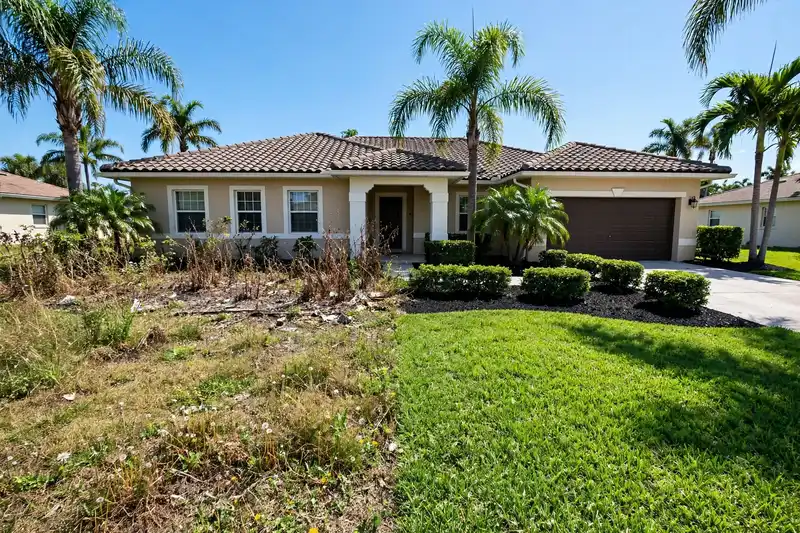
An HOA landscaping violation means your homeowners association says your yard breaks a rule in your community’s governing documents. Fix it fast: read the notice, find the rule it cites, fix the listed items in order, take dated photos, and ask the HOA in writing for a reinspection. Most yard violations clear with a mow, edging, weeding, and fresh mulch.
That letter in your mailbox feels urgent, and it is. But most HOA yard notices in Palm Coast cover the same short list of problems, and they clear fast when you work in the right order. This guide walks you through each step, from reading the notice to getting the file closed.
What an HOA Landscaping Violation Means
A violation notice is a written warning that your lot breaks a landscaping rule in your community’s governing documents, usually the CC&Rs (Covenants, Conditions, and Restrictions) or the rules the board adopted under them. The notice should name the rule, describe the problem, and give you a deadline to fix it.
The most common triggers are simple maintenance lapses:
- Overgrown grass that passes the height limit in your rules
- Weeds taking over flower beds or growing through the lawn
- Dead grass patches or bare spots that sit unfixed
- Shrubs or hedges blocking a sidewalk, driveway, or window
- Bare or thin mulch in the beds
- Dead plants left in place
- Changes made without approval, such as a new bed, a removed tree, or new hardscape
Every community writes its own rules, so what counts as a violation in one neighborhood may be fine in the next. Your notice is the starting point, not the final word. The HOA also maintains the common areas under its own standards, which is a different job from your lot. Our guide to HOA landscape maintenance explains how that side works.
Read the Notice Before You Touch the Yard
Do not start fixing things until you know exactly what the HOA wants. Read the notice twice and find these four items:
- The exact rule cited. Note the section number in the CC&Rs or the community rules.
- What to fix. The notice should describe the problem in plain terms, such as overgrown grass or weeds in the front beds.
- The deadline. This is your cure period, the time you have to fix the problem before a fine starts.
- The fine and your hearing rights. The notice should state what happens if the deadline passes and how to ask for a hearing.
Write down the date you received the notice. The clock usually starts when it reaches you, not when the HOA wrote it. If the notice is vague, ask the HOA in writing to name the exact rule and the exact area. A short written question now can save a second notice later.
This guide is general information, not legal advice. Your governing documents control your situation, so keep them close while you work through the notice.
The 6 Fixes That Clear Most Violations
Almost every HOA yard notice in our area comes down to one or more of these six items. Here is the fix for each one and how fast it usually goes.
| Violation | Fix | How fast |
|---|---|---|
| Overgrown lawn | Mow to the height your rules allow, then edge the walks, driveway, and street | Same day |
| Weeds in beds | Pull weeds by the root, clear dead leaves, and edge the beds | Same day |
| Overgrown shrubs | Trim growth back from walks, windows, and the house | 1 day |
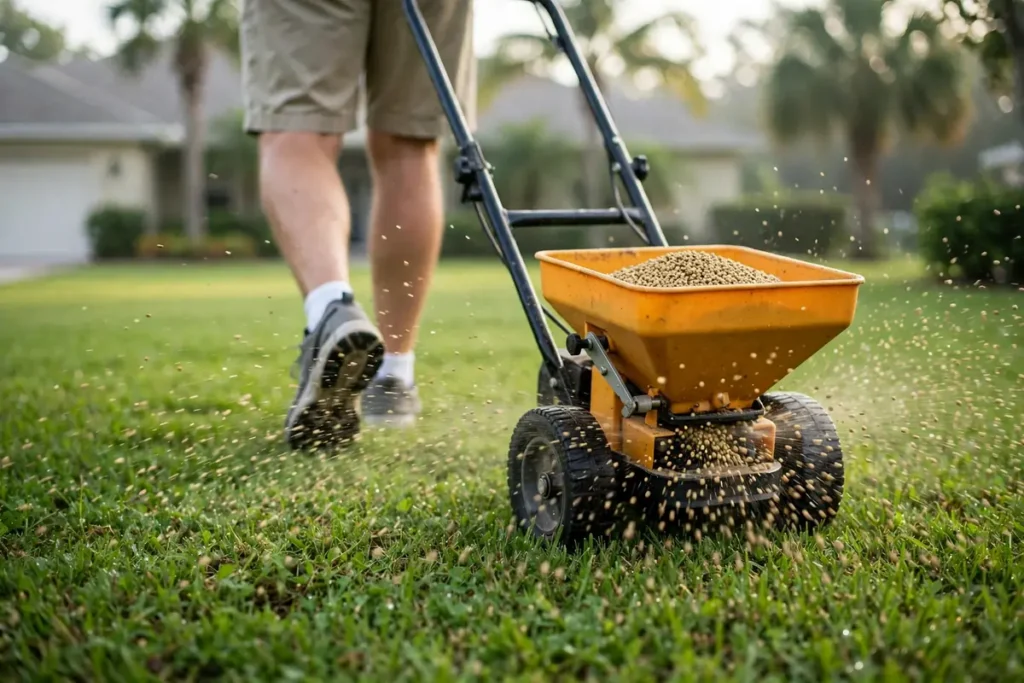
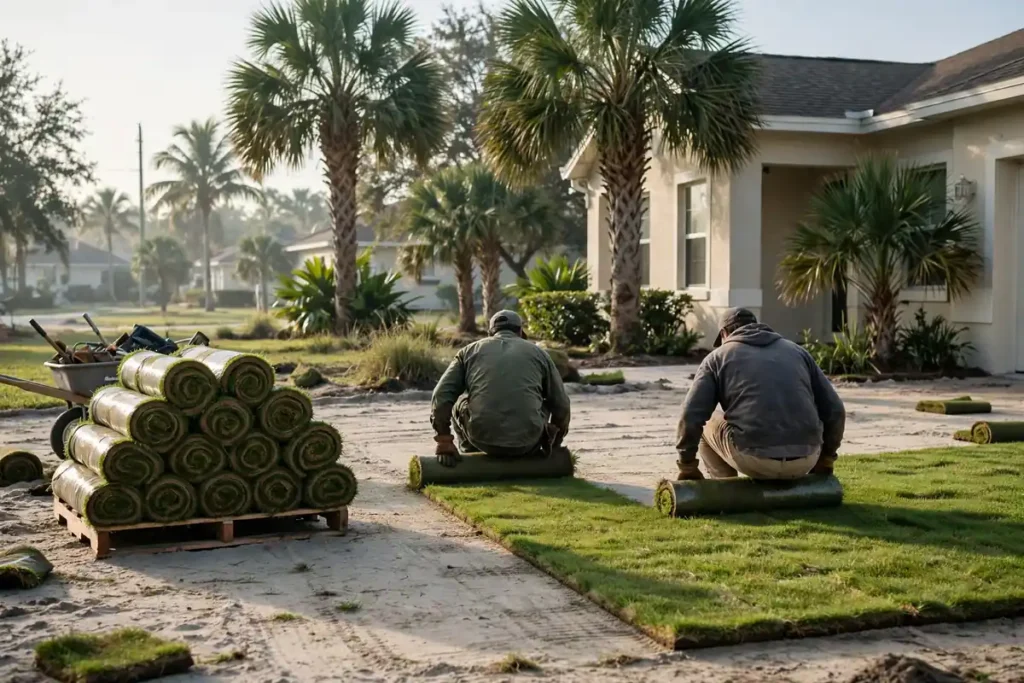
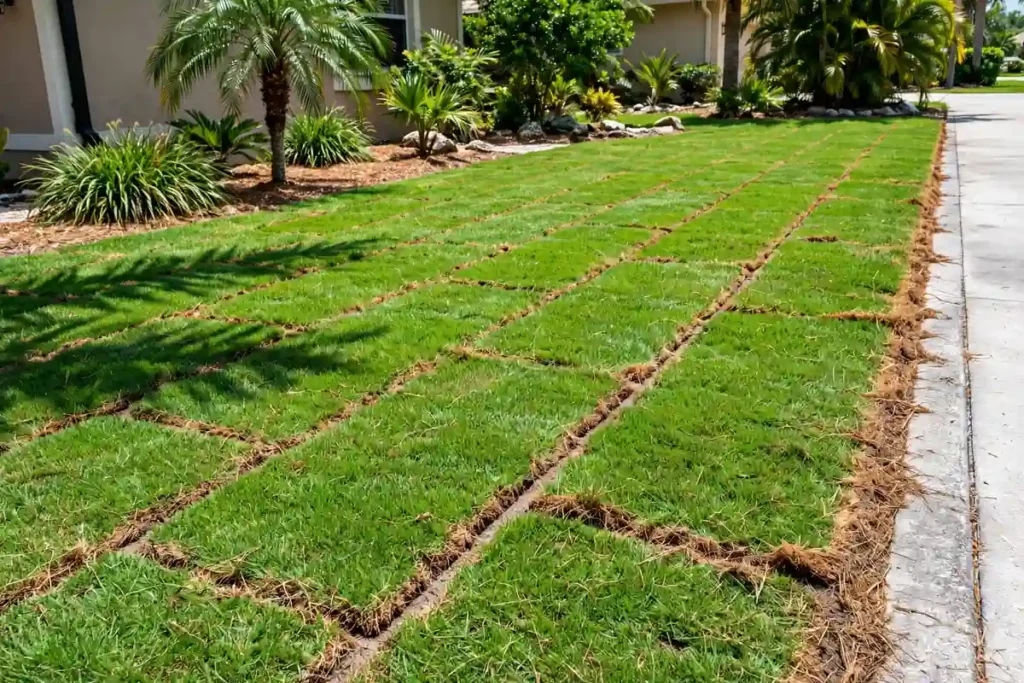
| Dead grass patches | Rake out dead turf, level the soil, and lay sod or seed on the bare spots | 1 to 3 days |
| Bare or thin mulch | Top up the mulch to a neat, even layer | Same day |
| Dead plants | Remove dead plants and replace them with plants that suit the site | 1 to 3 days |
Fix Your Yard in This Order
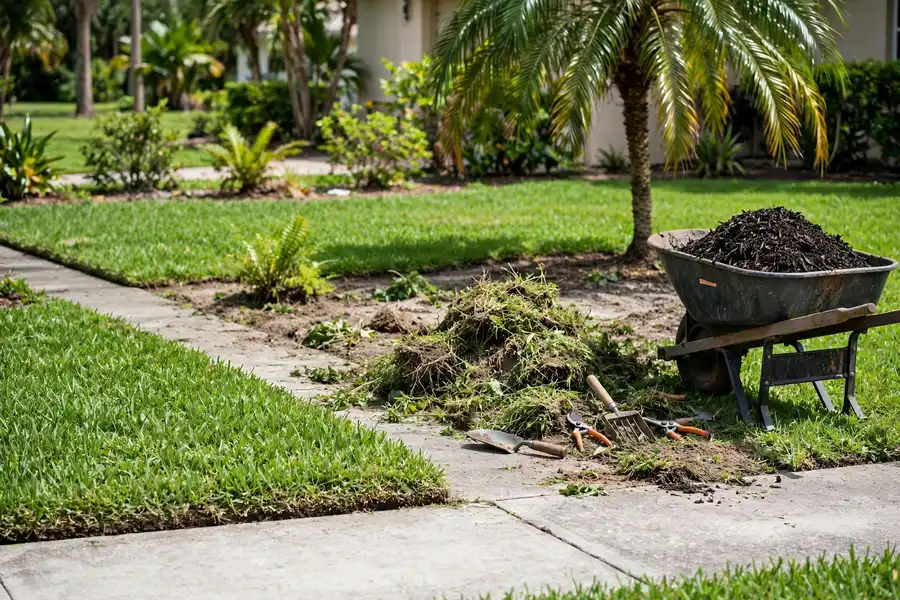
Order matters. Start with what the inspector sees first and work toward the smaller details.
1. Mow and edge first
Mow the whole lawn, then edge along the sidewalk, the driveway, and the street. Blow the clippings off every hard surface. A fresh mow and a clean edge change the look of a yard more than any other single step, and it is the first thing an inspector notices.
2. Pull weeds and clean the beds
Pull weeds by the root so they do not return in a week. Clear dead leaves and dead growth from the beds, and cut a clean edge where each bed meets the lawn. If the whole yard needs a reset, check what a yard cleanup cost covers in Palm Coast before you book anything.
3. Trim shrubs and hedges
Cut back any growth that blocks a walk, a window, or the front door. Shape hedges so they look tended, not wild, and haul the clippings away the same day. Do not leave piles of cut branches on the curb unless your community allows it.
4. Fix dead grass
Rake out the dead turf and level the soil underneath. Small bare spots can take seed, but larger dead areas look better faster with sod. Brown spots from pets are a common cause of dead patches, so read our guide to dog urine spots on lawn if the damage sits in round patches. For a lawn that is dead across wide areas, our guide to restore a dead lawn walks through the full repair.
5. Refresh mulch and replace dead plants
Top up the mulch to a neat, even layer so the beds look finished. Pull out dead plants and replace them with plants that fit the spot, sun, soil, and water. Mulch breaks down in Florida heat and rain, so check how long mulch lasts before you buy.
What Happens If You Ignore the Notice
Ignoring the letter never makes it go away. The usual path runs like this: a courtesy notice, then a deadline, then a fine once the deadline passes. Daily fines are common after the cure period ends. For example, some HOA enforcement policies set fines at $25 a day after the deadline, with higher fines for repeat violations. Your notice should state your HOA’s amounts, and they vary by community, so read yours closely.
Repeat violations cost more than first ones, and an unpaid balance can keep growing with late fees. In some cases the HOA can send it to collections. The cheapest way out is almost always to fix the yard and close the file.
When the Violation Is Wrong
Sometimes the notice is wrong. The rule may not say what the HOA claims, or the change may already have written approval. Work through these steps before you argue:
- Find the cited rule in your governing documents and read its exact words.
- Walk the yard and take dated photos of the area the notice names.
- Look for any written approval for the change, such as an architectural review letter.
- Respond in writing, calm and factual. State what you found, attach the photos, and ask for a hearing if your documents allow one.
- Keep copies of every letter, email, and photo you send and receive.
Florida law also gives you a right to be heard before a fine becomes final. Ask your HOA how to request a hearing, and put the request in writing. If the dispute moves toward fines or a lien, a local attorney who handles association law is the right next call.
Florida Law Protects Florida-Friendly Yards
Florida law gives homeowners one real protection that matters here. Under Florida Statute 720.3075(4), HOA governing documents may not prohibit a homeowner from implementing Florida-friendly landscaping, as defined in Florida Statute 373.185. That definition covers landscaping that conserves water, protects the environment, fits local conditions, and tolerates drought. You can read the statute on the Florida Statutes Online Sunshine page for section 720.3075.
The protection has limits. Your HOA can still require architectural review and apply reasonable design and upkeep standards. The law blocks a flat ban on Florida-friendly landscaping, not every rule about how a yard should look. UF/IFAS runs the Florida-Friendly Landscaping program, and its nine principles include right plant, right place, watering efficiently, and mulching. A yard built on those principles is the strongest answer to a notice about water use or plant choice.
Water New Sod Without a Second Violation
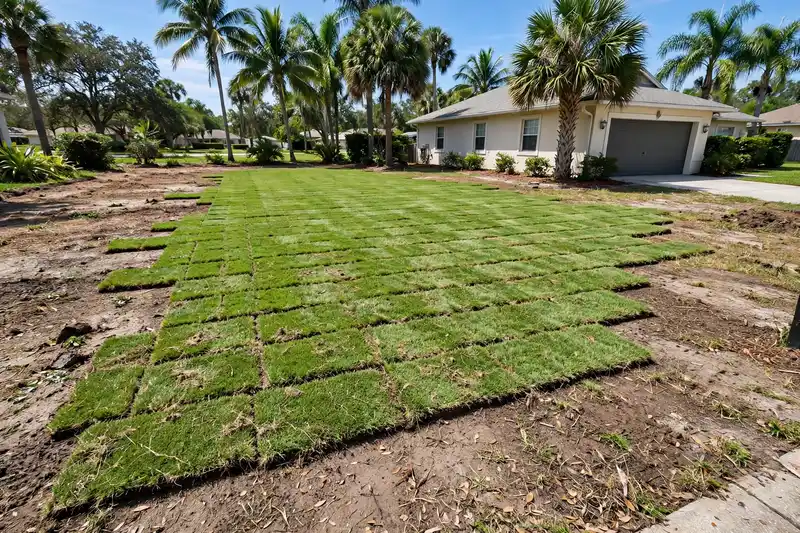
New sod needs water to root, and that can feel like a trap after a violation notice about a dead lawn. The watering rules make room for it. Under the St. Johns River Water Management District rules, you may water new sod and new plants every day for the first 30 days after install, then every other day for the next 30 days. Never water between 10 a.m. and 4 p.m. Check the current schedule at sjrwmd.com/wateringrestrictions before you reset your timer, because shortage orders can change the schedule.
Once the sod is rooted, Palm Coast follows the district’s normal schedule: watering days by house number, two days a week for established lawns. Set the timer to those days and let the new sod step down on schedule. Watering on the wrong day is an easy second violation to avoid.
How to Get a Reinspection
Finish every item on the notice, then prove the HOA landscaping violation is fixed. Take dated photos from the same angles as any photos in the notice, and photograph each fix up close. Then write to the HOA: list what you fixed, attach the photos, and ask for a reinspection and written confirmation that the file is closed.
Keep copies of the request and the photos. If you hear nothing back in a week, follow up in writing. Do not assume the file is closed until the HOA says so in writing.
Palm Coast: What We See Most Often
In Flagler County, most HOA yard notices follow the same pattern. St. Augustine grass grows fast after a rainy stretch, and a lawn can pass the height limit in a week. Summer storms drop branches and fill beds with oak leaves, and sandy soil dries out fast between rains.
The notices we see most name an overgrown lawn, weeds in the beds, or a hedge blocking the sidewalk. We handle the full fix list, take the dated photos, and leave the yard ready for reinspection. If your deadline is tight, tell us the date on the notice and we will plan the work around it.
If the deadline on your notice is tight, we can help. Call Dreamscapes Florida at (386) 237-2983 or ask for a free estimate. We serve Palm Coast, Flagler Beach, Bunnell, Ormond Beach, and St. Augustine, and we have helped homeowners across Northeast Florida clear HOA yard notices since 2015.
Frequently Asked Questions
Yes, if your governing documents set lawn and landscaping standards and the HOA follows its own process. The notice should name the rule, the deadline, and the fine. Florida law also gives you a right to be heard before a fine becomes final, so ask how to request a hearing.
It depends on your notice and your governing documents. Many HOAs give a cure period of 10 to 30 days to fix a yard problem. Check the deadline on your notice first. If the work needs more time, ask the HOA in writing for an extension before the deadline passes.
The fine usually starts once the deadline passes, and it can grow daily. Repeat violations cost more than first ones, and an unpaid balance can keep growing with late fees or go to collections. Fixing the yard and asking for a reinspection is almost always the cheaper way out.
No, not with a flat ban. Under Florida Statute 720.3075(4), HOA documents may not prohibit Florida-friendly landscaping as defined in section 373.185. Your HOA can still require architectural review and reasonable design standards, so submit your plan for approval first.
Under St. Johns River Water Management District rules, you may water new sod every day for the first 30 days after install, then every other day for the next 30 days. Never water between 10 a.m. and 4 p.m. Check sjrwmd.com/wateringrestrictions first, because shortage orders can change the schedule.
Read the cited rule in your governing documents and check whether it says what the notice claims. Photograph the yard with dates, gather any written approval, and respond in writing with your evidence. Ask for a hearing if your documents allow one, and keep copies of everything.