To seal pavers, follow this order: clean them, let them dry for at least 24 hours, re-sand the joints, then apply a thin, even coat of sealer with a sprayer or roller. Pick a dry day between 50 and 90°F with no rain expected for 24 hours. New pavers should wait 60 to 90 days before sealing.
In Florida, the hard part is rarely the rolling. It is the timing. A summer storm can roll in by afternoon, and a sprinkler zone can undo a dry surface overnight. That is why this guide puts the weather window and the drying steps first, before the sealer ever comes out.
Should You Seal Pavers in Florida?
Sealing is optional. Your pavers will still work without it. A sealer protects the color from strong sun, resists stains from leaves and spills, and helps hold the joint sand in place. That matters on a patio that gets daily sun and regular rain.
Sealing also makes routine cleaning easier. Dirt and algae have a harder time gripping a sealed surface, so a quick wash goes further. On a pool deck, that can mean less scrubbing around the coping and fewer stains from wet feet and sunscreen.
Concrete pavers need a breathable sealer, so moisture can still escape from below. A coat that traps moisture can cause haze and peeling over time. Unilock makes the same point in its sealing guide. If you are still choosing a patio surface, read our guide to pavers vs concrete to compare the two options.
Skip sealing if your pavers are still new and showing white haze, or if you cannot get a dry stretch of weather. Sealer locks in whatever is on the surface at the time, good and bad. Wait for the right window instead of forcing the job.
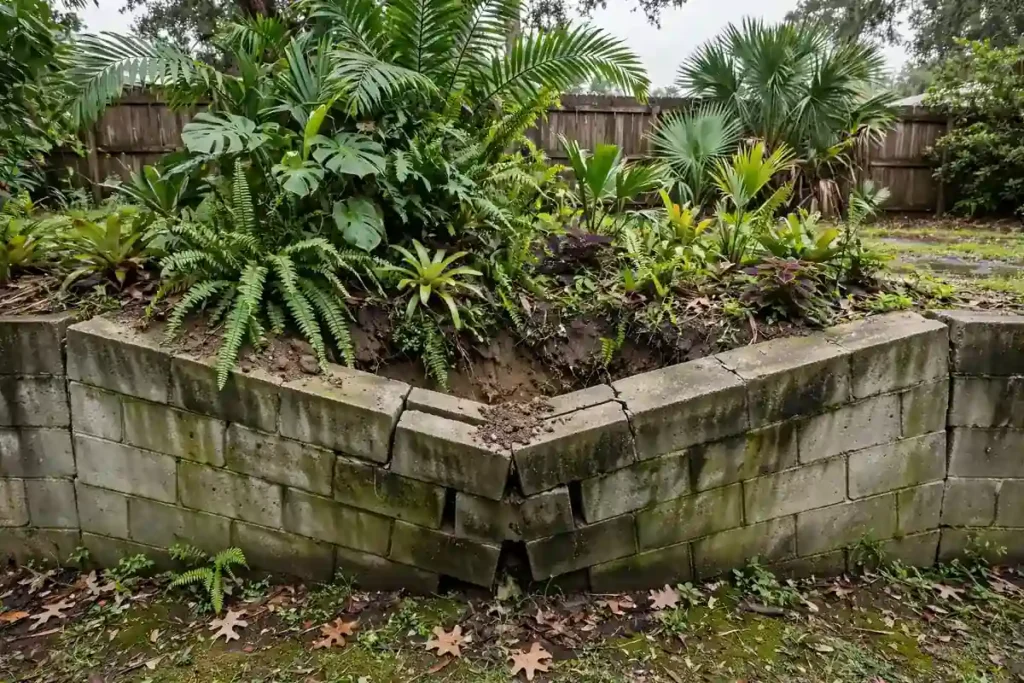
Sealer is not a repair. It will not fix loose pavers, a sinking edge, or a drainage problem. Fix those problems first, then seal a sound surface.
When to Seal Pavers
New pavers need time before sealing. Wait 60 to 90 days so the surface can settle and the sealer can bond well. This waiting period also gives efflorescence time to fade.
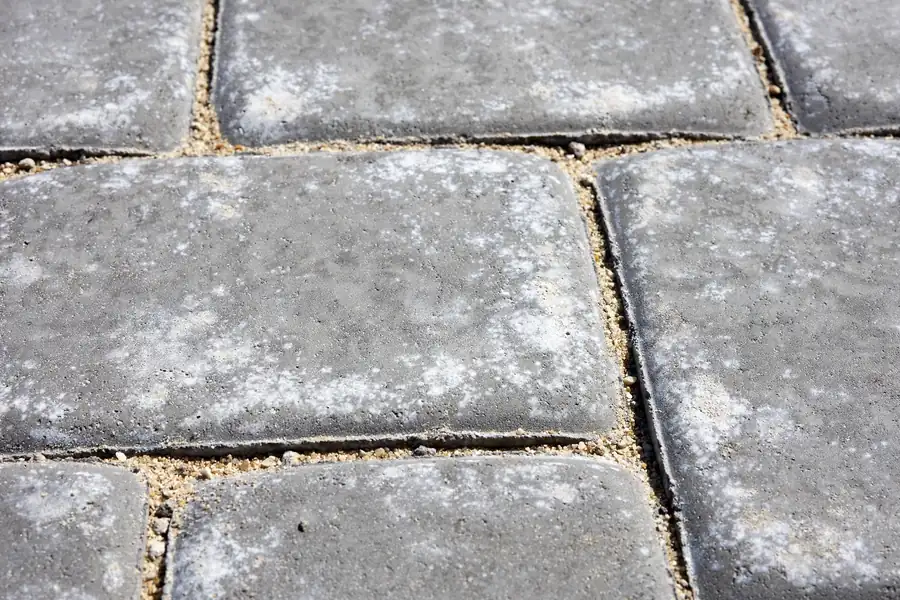
Efflorescence is the white, powdery haze that sometimes shows up on new concrete pavers. It comes from salts in the concrete, and it fades on its own with rain and time. Unilock notes it can take 2 to 3 months or longer to fade, and you should not seal over it. If the haze is still there after 90 days, wait longer.
Season matters as much as age. Pick the drier months for the job. In Palm Coast, that usually means avoiding the summer storm pattern, when a clear morning can turn into an afternoon downpour. The temperature should sit between 50 and 90°F, and about 75°F is ideal.
For older pavers, the clock works differently. There is no 60-day wait. Seal when the surface is clean, dry, and free of haze, and when the forecast gives you the dry window. If the last coat has worn off and water soaks in instead of beading, the patio is ready.
The Florida Weather Window
You need clear skies for 24 to 48 hours before you seal, no rain expected for at least 24 hours after, and up to 48 hours of dry weather for the sealer to cure. Check the forecast for your own street, not just the county, since a storm can miss one neighborhood and hit the next.
Turn off the irrigation controller before you start, and tell the lawn crew to stay off the patio. A single sprinkler cycle can wet the joints and ruin a coat. Start in the morning, so the surface is dry and not yet baking in the afternoon heat.
Water-Based vs Solvent-Based Paver Sealer
Most homeowners pick between two types of sealer. Water-based sealer is the common choice. Solvent-based sealer suits jobs where the pavers and joints are perfectly dry and the owner wants a longer run between coats.
| Type | Best for | Coverage | Notes |
|---|---|---|---|
| Water-based | Most patios, driveways, and pool decks; the common choice | About 100 to 150 sq ft per gallon | About $80 to $150 per gallon; helps harden joint sand; Unilock’s general recommendation |
| Solvent-based | Jobs where pavers and joints are perfectly dry | About 80 to 120 sq ft per gallon | Can last 4 to 5 years if maintained; needs fully dry pavers and joints |
Use the coverage numbers to plan how much sealer to buy. A 1,000 square foot patio needs about 7 to 10 gallons of water-based sealer, or about 9 to 13 gallons of solvent-based sealer. Buy a little extra so you do not run short mid-job, and finish in one session.
Finish is a separate choice from type. A natural finish keeps the pavers looking close to how they look now. A color-enhancing finish deepens the color and gives a richer look. Read the label before you buy, so you know which finish is in the can.
Tools and Materials
Gather everything before you start. You do not want to leave a half-sealed patio to run to the store. A pump sprayer covers a large patio faster, while a roller gives more control near walls and pool coping.
- Paver cleaner
- Garden hose or pressure washer with fan tip
- Leaf blower
- Polymeric sand
- Push broom
- Sealer
- Pump sprayer or short-nap roller
- Extra dry roller
- Painter’s tape
- Gloves and eye protection
How to Seal Pavers, Step by Step
Work through the steps in order, and do not rush the drying time. Drying is where most Florida sealing jobs go wrong.
Step 1: Clean the Pavers
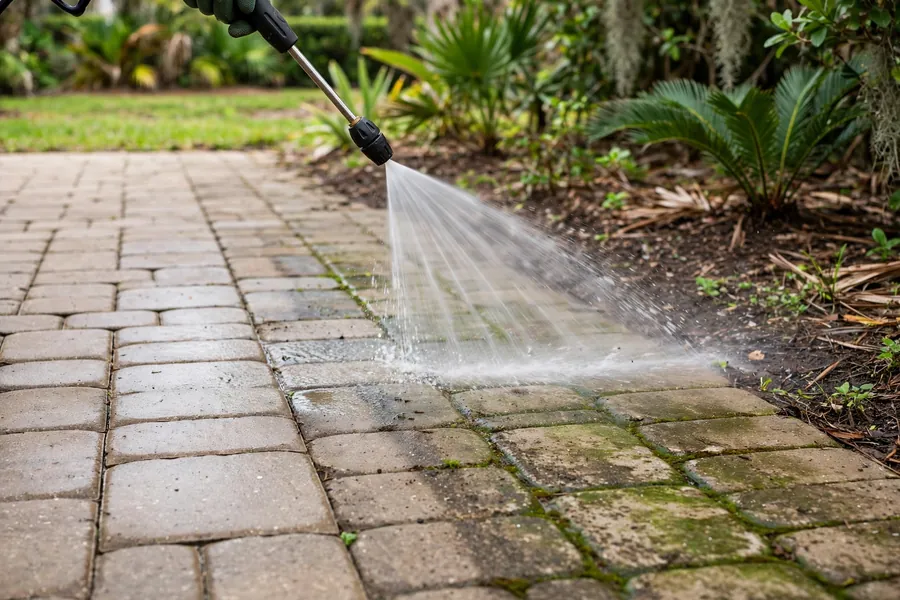
Remove stains, algae, and dirt first. Sealer locks in whatever sits on the surface, so a dirty patio stays dirty under the coat. Use a pressure washer on a low setting, with a fan nozzle held at about a 30-degree angle, 12 inches from the surface. For deep cleaning, follow our paver cleaning guide before you seal.
Step 2: Let Them Dry Completely
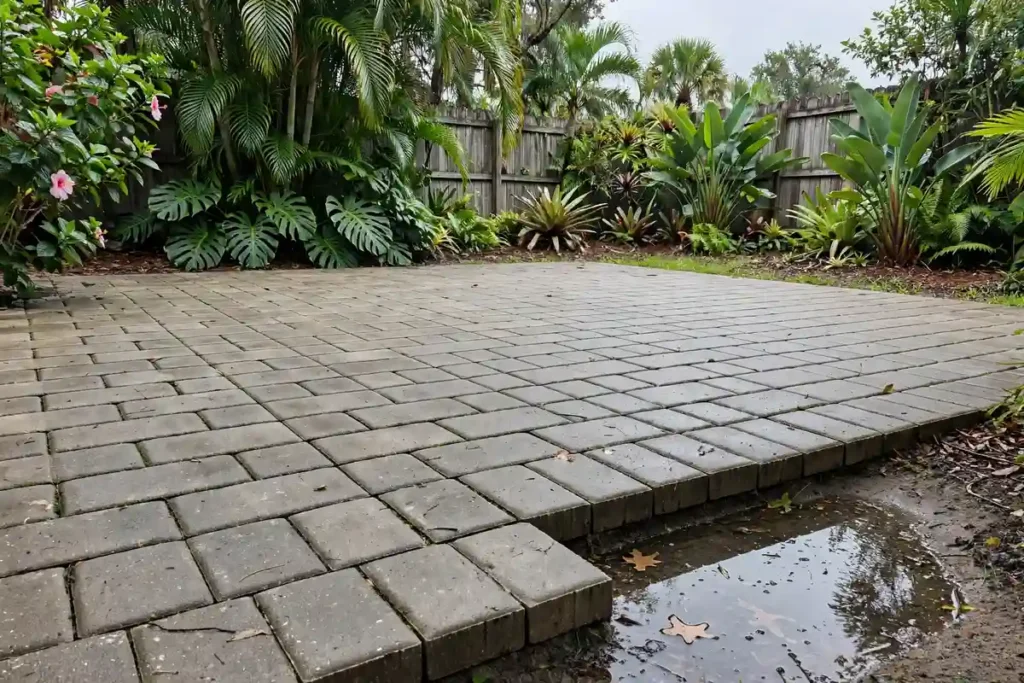
After cleaning with a paver cleaner, let the pavers dry for at least 24 hours. Shaded areas take longer than spots in full sun, so check the shady corners last. The joints must be dry too, not just the tops of the pavers.
Step 3: Re-Sand the Joints
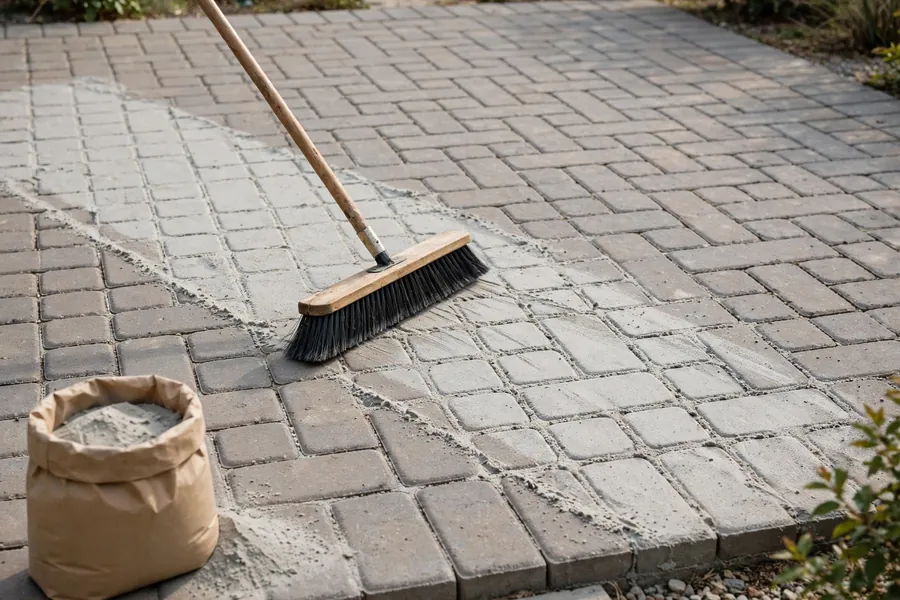
Sweep polymeric sand into the joints and blow every grain off the surface. Loose sand left on top can show through the sealer. Let the sand set and dry for 24 hours before you seal. Our polymeric sand for pavers guide walks through the full method.
Step 4: Test a Small Area
Try the sealer in a hidden corner first. Check the color and the finish once it dries. A test patch costs a few minutes and can save you from a finish you dislike across the whole patio.
Step 5: Apply the Sealer
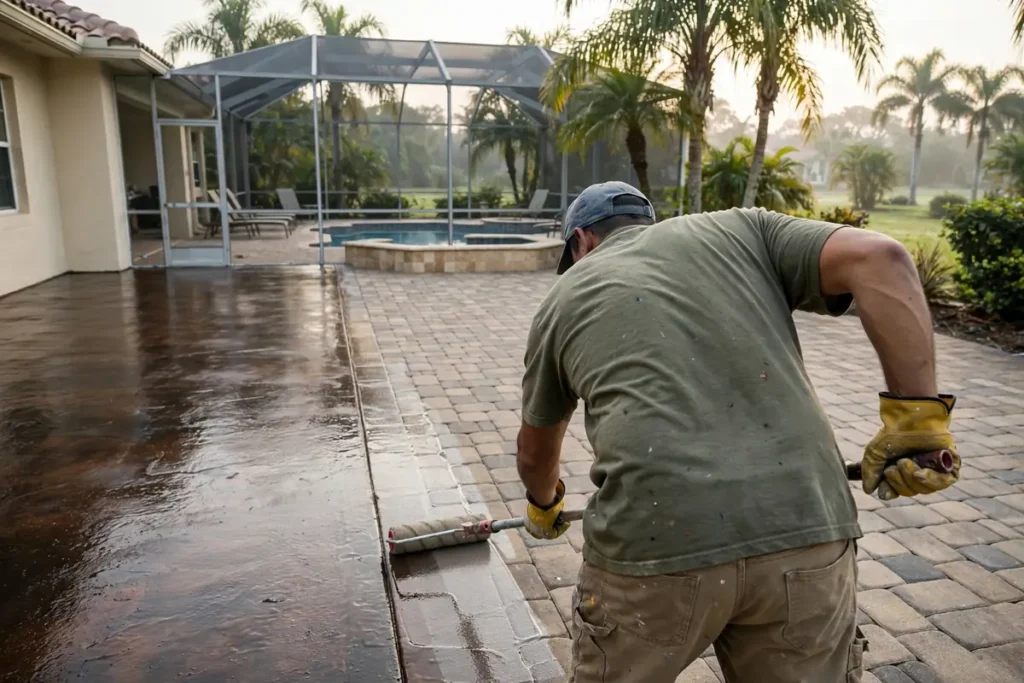
Work in small sections with a sprayer or a short-nap roller. Saturate the pavers, then back-roll with a dry roller to pick up puddles. Finish in one session, and do not stack extra layers on one spot. Tape off nearby walls, and keep overspray off the house, the pool coping, and the plants.
Step 6: Let It Cure
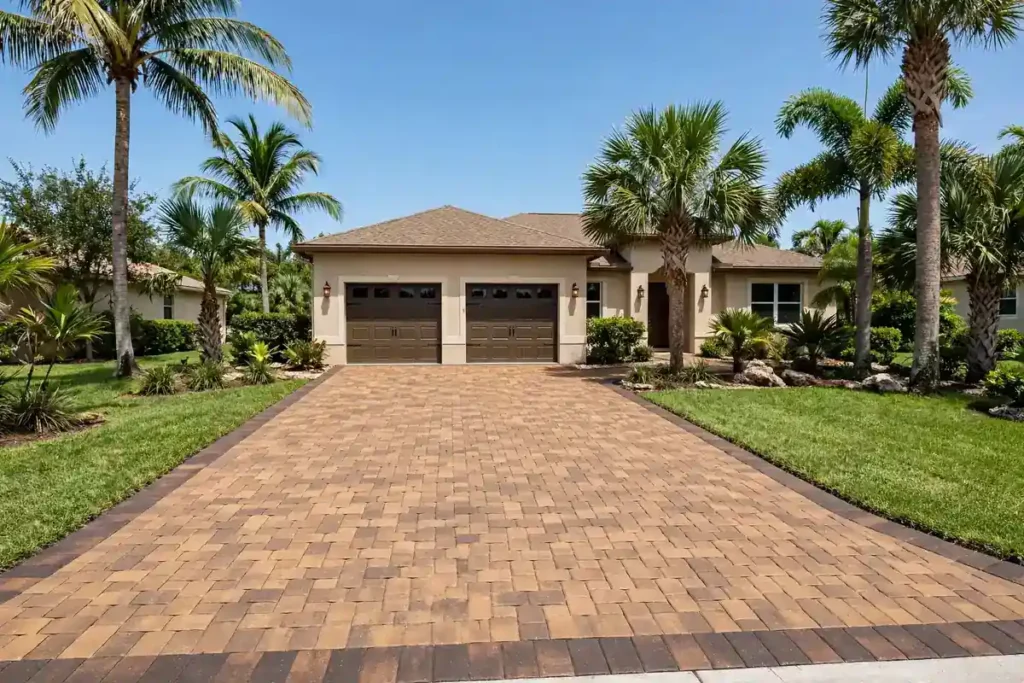
Keep foot traffic off the surface for 24 hours. Allow up to 48 hours of dry weather for the sealer to cure, and keep the sprinklers off the whole time. On a driveway, check the label for when cars can return. If you are still planning the project, our paver driveway cost guide breaks down the budget side.
Common Paver Sealing Mistakes in Florida
Most sealing problems come from rushing one of the steps above. Watch for these mistakes:
- Sealing over efflorescence. The white haze gets locked under the coat. Wait until it fades.
- Sealing damp pavers. Trapped moisture can turn the finish cloudy or white.
- Applying the coat too thick. Thick coats pool, peel, and cure unevenly. Thin and even wins.
- Sealing right before an afternoon storm. Rain on a fresh coat can ruin the finish.
- Leaving the sprinklers on. One cycle can wet the joints and spoil the cure.
- Skipping the test patch. You only learn the true color and finish after the sealer dries.
Fix dips and sunken spots before you seal, not after. Our guide to fix sunken pavers walks through that repair, and it is much easier to do before a fresh coat goes down.
How Often to Reseal Pavers
Plan to reseal about every 3 to 5 years. That range comes from Unilock, and it fits most patios in Florida. High-traffic driveways and full-sun pool decks may need a fresh coat sooner.
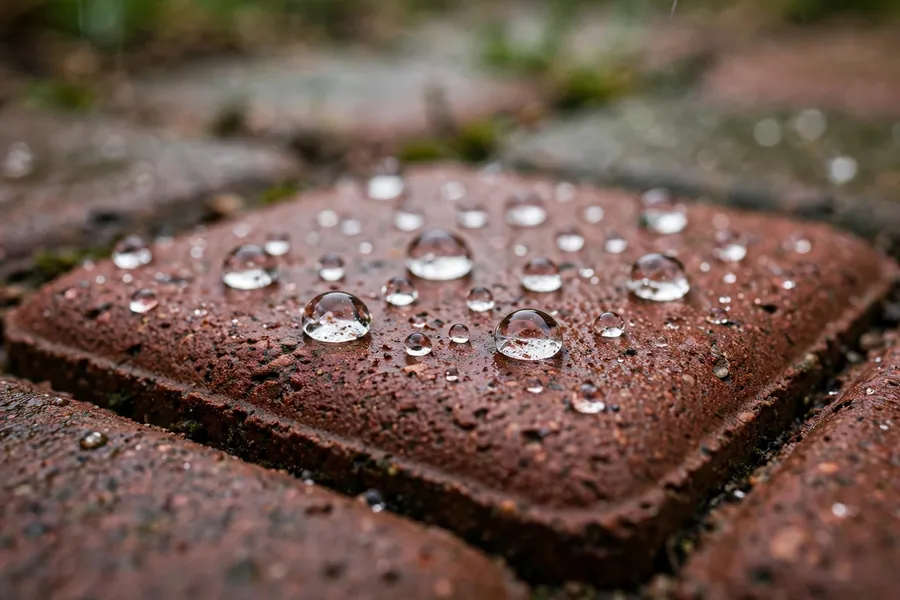
The simple test is water. When water stops beading on the surface and starts soaking in, the sealer has worn thin. That is your sign to plan the next coat. Sun and rain wear the coat down over time, so a patio in full sun will usually need attention before a shaded walkway.
Natural stone needs its own care routine. See our travertine pavers guide for stone-specific advice.
Paver Sealing in Palm Coast
We have sealed patios, driveways, and pool decks across Flagler County since 2015, and we time every job around the weather. Our crew cleans the surface, re-sands the joints, and applies the coat, with the timing planned around the forecast.
We serve Palm Coast, Flagler Beach, Bunnell, Ormond Beach, and St. Augustine. See our hardscape services for the full list of what we build and maintain, or request a free estimate. Call us at (386) 237-2983 and we will find a dry window for your patio.
Frequently Asked Questions
Wait 60 to 90 days before sealing new pavers. The wait gives white efflorescence time to fade and helps the sealer bond well to the surface. If haze is still showing after 90 days, wait longer. Sealing over haze locks it under the coat.
Only seal when no rain is expected for at least 24 hours. Plan for clear skies 24 to 48 hours before the job, and allow up to 48 hours of dry weather for the sealer to cure. Turn off the sprinklers too. If the forecast looks shaky, wait for a better window.
Water-based sealer is the common choice, and it helps harden joint sand. Solvent-based sealer needs perfectly dry pavers and joints, and it can last 4 to 5 years if maintained. Neither type suits every job. Read the product label and match the sealer to your patio and your weather window.
About every 3 to 5 years is typical. Busy driveways and full-sun pool decks may need a fresh coat sooner. Watch the water test. When water stops beading on the surface and starts soaking in, the sealer has worn thin and it is time to reseal.
Yes. Sand the joints first, then clear every grain off the surface. Loose sand left on top can show through the sealer. Let the sand set and dry for 24 hours before you seal. That dry, full joint gives the sealer a clean surface to bond to.
Usually moisture is the cause. The pavers or joints were still damp, rain came before the sealer cured, or the coat went on too thick. Let the surface dry out fully. Check the product label for the fix before you add more sealer, since a second coat can make the problem worse.