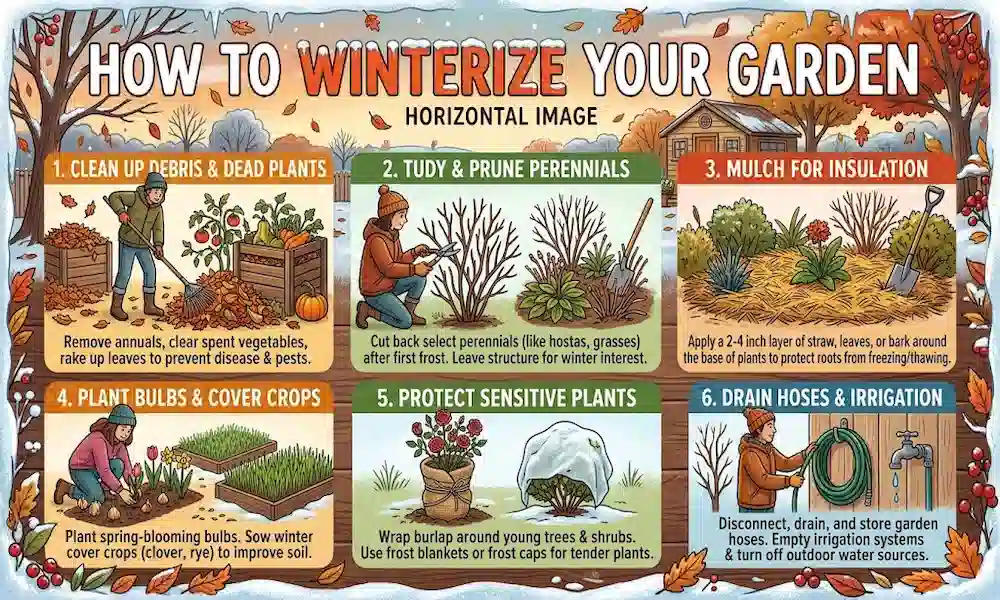
To winterize your garden, clear out dead plant material, prune only what needs it, spread two to three inches of mulch over the root zones, cut your watering schedule roughly in half, and keep frost cloth ready for tender plants. In Palm Coast and the rest of Flagler County, finish this work by late November so your yard is ready before the first cold night arrives.
Winter in Florida looks nothing like winter up north. We rarely see snow, and the ground almost never freezes solid. But a single night in the low 30s can burn the leaves off a hibiscus or turn a healthy bougainvillea into a pile of brown sticks. That is why winterizing your garden here means preparing for short, sharp cold snaps rather than months of deep freeze.
This guide walks you through each step in order, so you know exactly what to do and when.
What Does Winterizing a Garden Actually Mean?
Winterizing a garden means getting your plants, soil, and irrigation ready for cooler months so nothing dies during a cold snap and everything bounces back strong in spring. The work covers cleanup, pruning, mulching, watering changes, and frost protection.
In colder states, gardeners winterize to survive months of frozen soil. Along the Florida coast, we do it for a different reason. Our plants stay half awake all winter. They slow down but never fully sleep, so they still need light watering and light care. The goal is to protect them through a handful of cold nights without pushing them into new growth that frost will kill.
When Should You Winterize Your Garden in Florida?
Start in early to mid November and wrap up by the end of the month. Palm Coast, Bunnell, Flagler Beach, and Ormond Beach sit in USDA zones 9a and 9b, where the first frost usually lands somewhere between mid December and mid January. Coastal yards near the Intracoastal often escape frost entirely, while properties a few miles inland can drop several degrees colder on the same night.
Keep an eye on the forecast from December through February. When you see a low near 35 degrees, treat it as a freeze warning. Cold air settles into low spots, so the thermometer on your porch may read warmer than the ground where your plants sit.
Step 1: Clean Up the Beds First
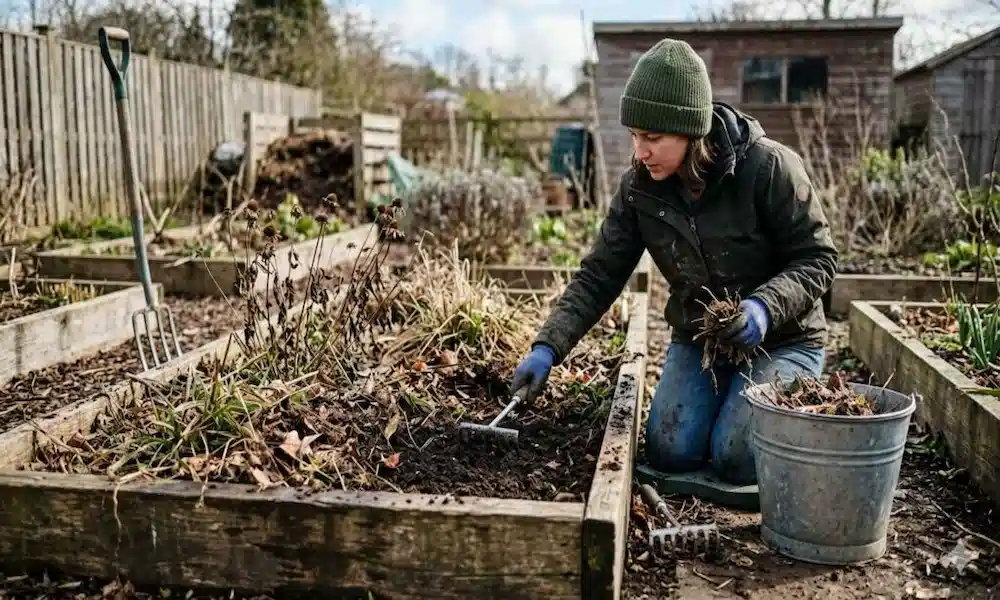
Start by pulling out spent annuals, fallen fruit, and any leaves piled against plant stems. Dead material holds moisture through cool, damp nights, and that moisture invites fungus and gives insects a place to hide until spring. Rake it out, but leave a light layer of natural leaf litter under trees, since it breaks down into free organic matter.
Pull weeds now while they are small. Cool season weeds like Poa annua sprout in November and take over by February if you ignore them. Ten minutes of weeding in the fall saves hours of work later.
Step 2: Prune Only What Needs It
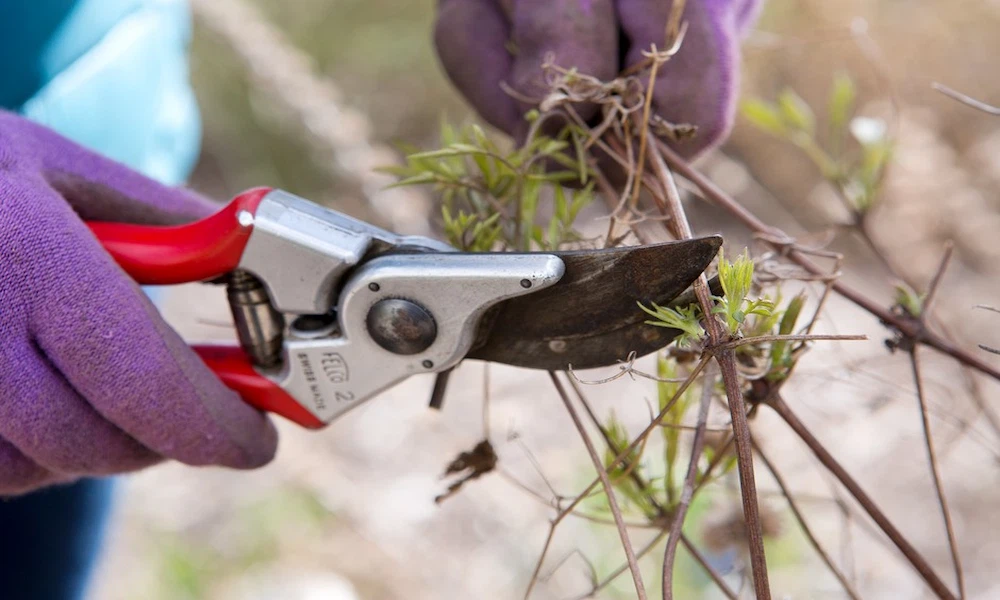
This step trips up most homeowners. Heavy pruning tells a plant to push out new shoots, and those tender shoots are the first thing frost destroys. Trim away broken branches, crossing limbs, and anything clearly dead, then stop. Save your major shaping for late February or March, once the cold risk passes. Our guide on pruning trees and plants the right way breaks down which cuts help and which ones cause damage.
Palms deserve special mention. Do not strip the fronds before winter. Those older fronds shield the bud at the center of the tree, and that bud is the part cold weather can kill. Remove only brown, fully dead fronds and leave the green ones alone.
Step 3: Mulch Deeply Around Roots
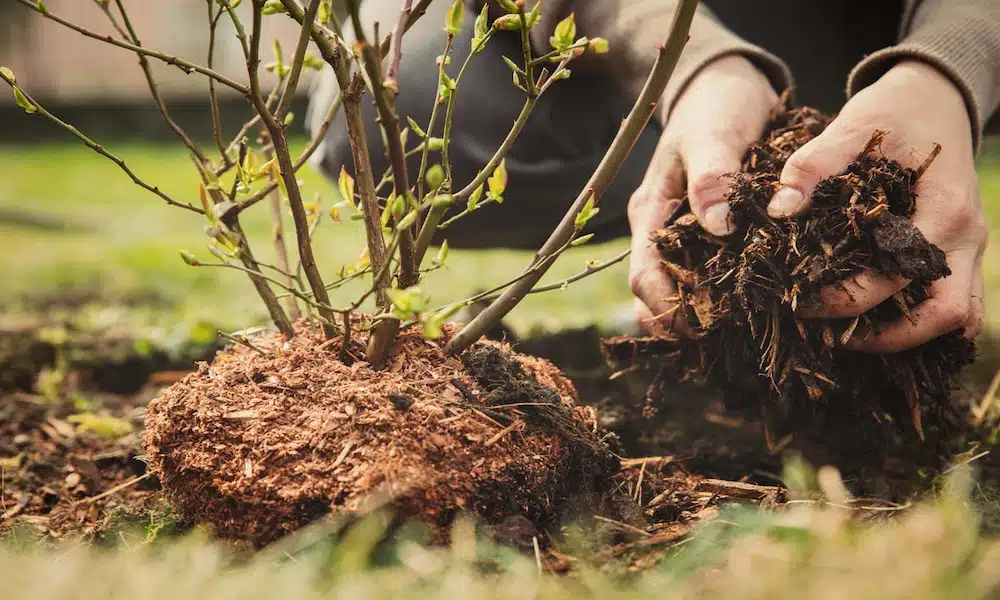
Mulch acts like a blanket over the soil. Spread two to three inches of pine bark, pine straw, or shredded hardwood across your beds, and pull it back two or three inches from every trunk and stem so bark can breathe. This layer holds warmth at the root zone overnight, slows water loss, and keeps weeds down through the cool season.
Sandy Florida soil drains fast and loses heat quickly, which makes mulch even more valuable here than in heavier clay soils. A fresh layer in November will still be doing its job when spring planting season arrives.
Step 4: Cut Back Your Watering Schedule
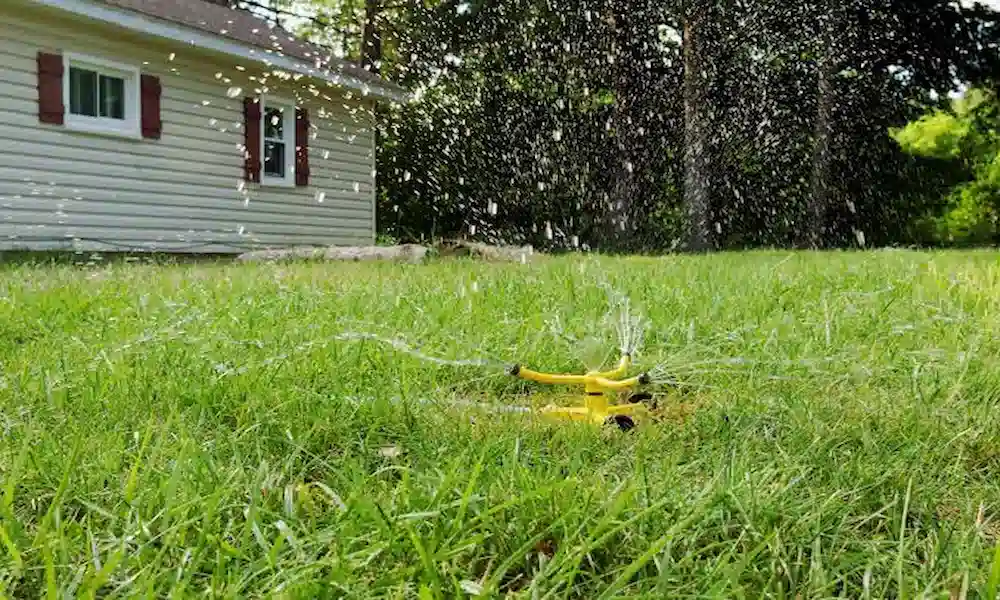
Plants drink far less in cool weather, and overwatering in winter causes more root rot than cold ever does. Shift your system from three days a week down to one, and water in the morning so leaves dry before nightfall. Check your controller, clean the filters, and walk the yard to spot broken heads or clogged emitters, or have a technician handle it during a seasonal irrigation service visit.
One exception matters. Water your beds thoroughly the afternoon before a predicted freeze. Moist soil absorbs heat during the day and releases it slowly overnight, which can raise the temperature around your roots by a few critical degrees. Dry, sandy soil offers no such buffer.
Step 5: Keep Frost Cloth Ready
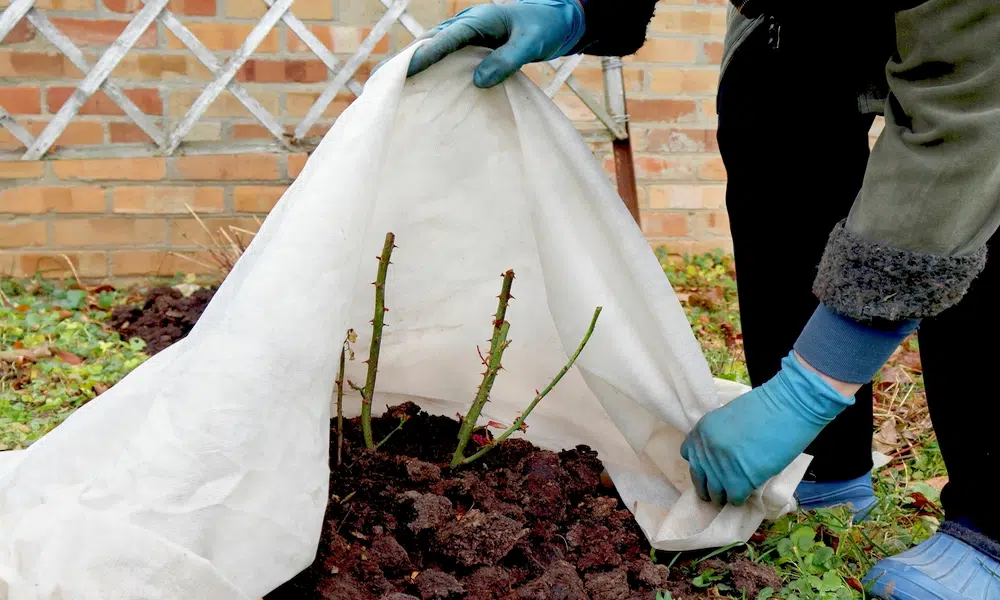
Buy frost cloth before you need it, because every garden center sells out the day a freeze hits the news. Drape it over tender plants like hibiscus, plumeria, crotons, ixora, and young citrus in the late afternoon, and let it reach all the way to the ground so it traps warm air rising from the soil.
Old bedsheets and blankets work fine too. Plastic sheeting does not, at least not on its own, because any leaf touching plastic gets freezer burn. If plastic is all you have, drape it over stakes so it never touches foliage. Remove all covers by mid morning once the sun warms things up.
Step 6: Skip the Heavy Fertilizer
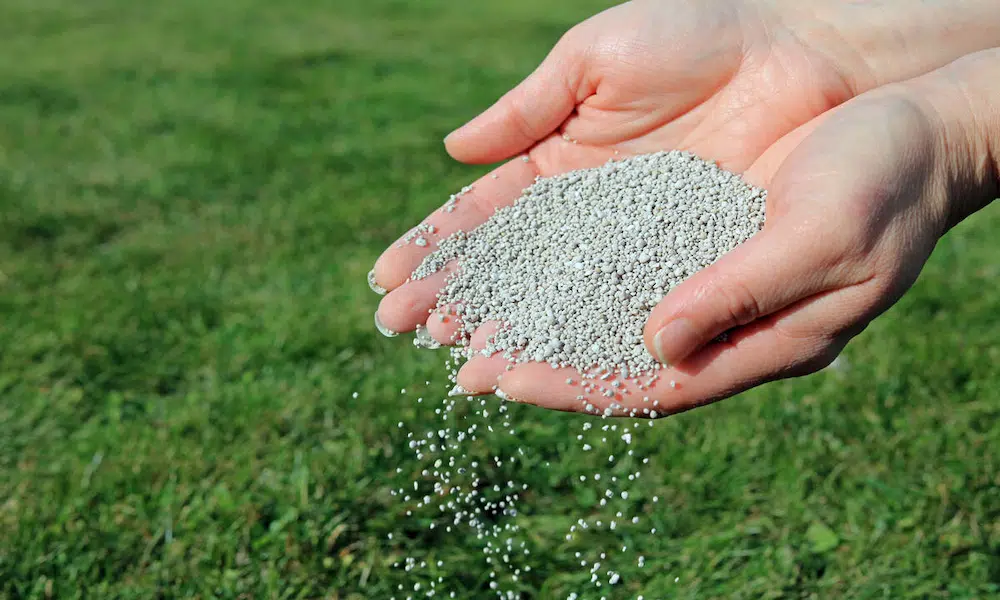
Resist the urge to feed your garden in November. High nitrogen fertilizer forces soft new growth at exactly the wrong time, and frost turns that growth to mush. Many Florida counties also enforce fertilizer blackout periods to protect local waterways, so check your local rules before you spread anything. If you want to build soil health going into winter, compost and slow release organic amendments are the safer choice, and our garden fertilizer guide explains how to time each type through the year.
Step 7: Move Pots and Protect Containers
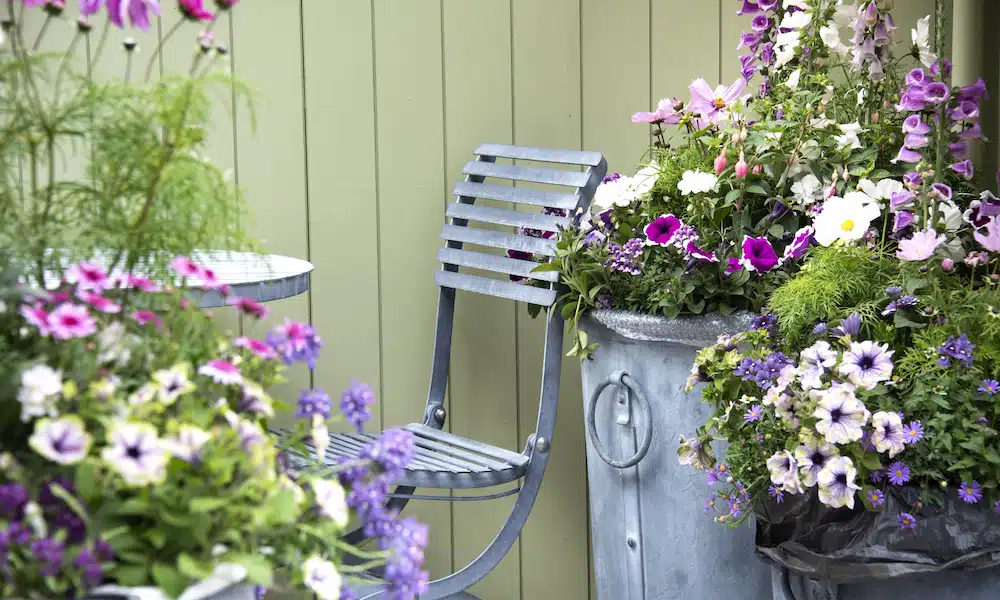
Container plants freeze faster than anything planted in the ground because cold air surrounds the roots on every side. Move small pots against a south facing wall, under a porch roof, or into the garage on freeze nights. Group larger pots together so they shelter each other, and wrap the containers themselves with burlap or old towels if you cannot move them.
Terracotta pots crack when trapped moisture expands, so raise them on pot feet to keep drainage holes clear.
Step 8: Do Not Forget the Lawn
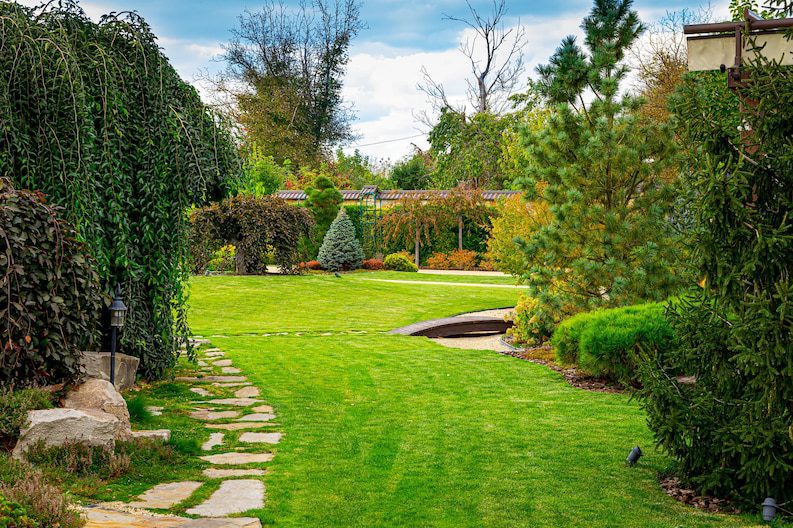
St. Augustine, Zoysia, and Bahia grass all slow down in cool weather. Raise your mower blade one notch and mow less often, since longer blades protect the crown of the grass and shade out winter weeds. Never scalp a lawn in fall. Brown patch fungus also loves our cool, damp nights, which is why evening watering causes so much trouble in December and January. Steady lawn maintenance through the cool season keeps small problems from spreading across the whole yard.
Common Mistakes to Avoid
- Pruning hard in November and triggering tender growth
- Watering at night, which invites fungal disease
- Wrapping plants in plastic that touches the leaves
- Cutting away frost damaged foliage right after a freeze, since that brown material shields the healthy tissue underneath
- Removing covers too late in the day and cooking the plant underneath
Wait until late February to trim frost damage. Scratch a stem with your fingernail first. Green underneath means the plant is still alive.
Your Winter Garden Checklist
| Task | When |
|---|---|
| Clear beds and pull weeds | Early November |
| Light pruning only | Mid November |
| Apply 2 to 3 inches of mulch | Mid November |
| Reduce irrigation to once weekly | Late November |
| Buy frost cloth | Late November |
| Water deeply before a freeze | Night before |
| Cover tender plants | 4 PM on freeze days |
| Assess damage and trim | Late February |
Once March arrives, the work shifts from protection to renewal. Our walkthrough on preparing your garden for spring covers the cutbacks, soil prep, and replanting that follow a Florida winter.
When to Call a Local Landscaper
Handle the mulching and covering yourself. Bring in a professional when you need large trees pruned safely, an irrigation system inspected and adjusted, or a plan for replacing plants that cold weather already killed. Dreamscapes has cared for yards across Palm Coast, Flagler Beach, Bunnell, Ormond Beach, and St. Augustine for years, so we know which streets run coldest and which plants keep failing where. Reach out for a free estimate and we will walk your property with you.
Frequently Asked Questions
Yes. Even one night below 32 degrees can kill tropical plants outright. Mulching, adjusting irrigation, and keeping frost cloth on hand takes a single afternoon and saves you from replanting in spring.
No. Leave the brown material until late February. It protects the living stems below from the next cold night. Trim once the freeze risk has passed.
Once a week is enough for most established Florida landscapes, and less if we get rain. Water in the morning, and give beds a deep soak the day before any predicted freeze.
Tropicals like hibiscus and plumeria show damage around 40 degrees. Below 32 degrees, most tender plants suffer real injury. Native and cold hardy plants handle upper 20s without help.
Yes. Cool season vegetables such as broccoli, lettuce, carrots, and cabbage grow well from November through February, and pansies and snapdragons add color when everything else fades.