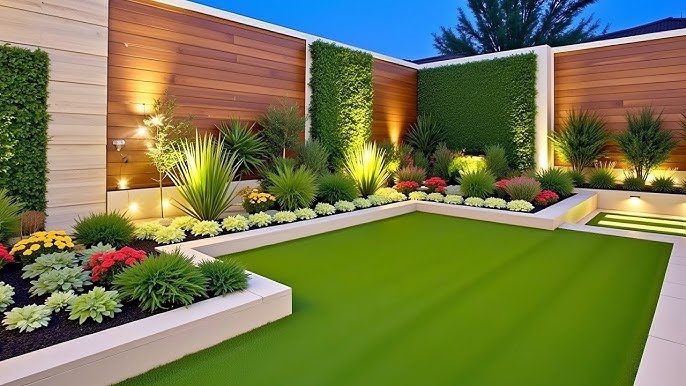
Having privacy in your yard makes it feel like your own peaceful space. You can relax, read, garden, or enjoy time with friends without feeling watched. Instead of building large fences, many people choose landscaping because it looks natural and beautiful. Privacy plants also bring birds, fresh air, shade, and colour into your yard, making it feel alive.
1. Bamboo
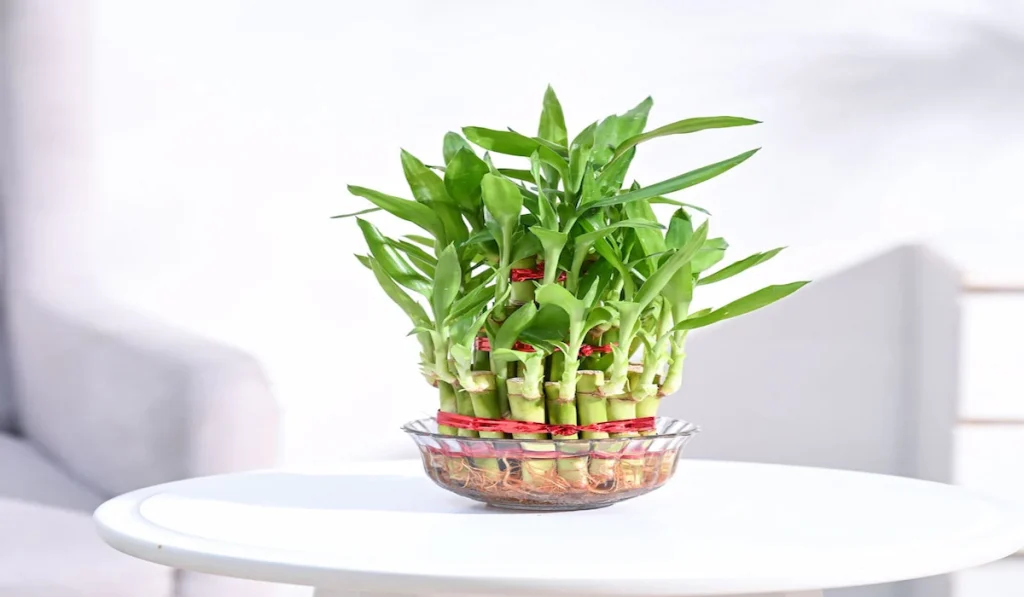
Bamboo is a fast-growing woody grass popular in Florida landscapes for privacy screens and tropical accents. Clumping varieties like Bambusa multiplex grow in tight, controlled clusters and are the safe, recommended choice for most yards, while running bamboo (Phyllostachys) spreads aggressively underground and is best avoided.
It grows well in Zone 9a/9b, prefers full sun to partial shade, needs regular watering while establishing, and tolerates Florida’s sandy soil when amended with compost. Common uses include hedges, windbreaks, and accent plantings, but homeowners should check local/HOA rules before planting running types.
2. Arborvitae
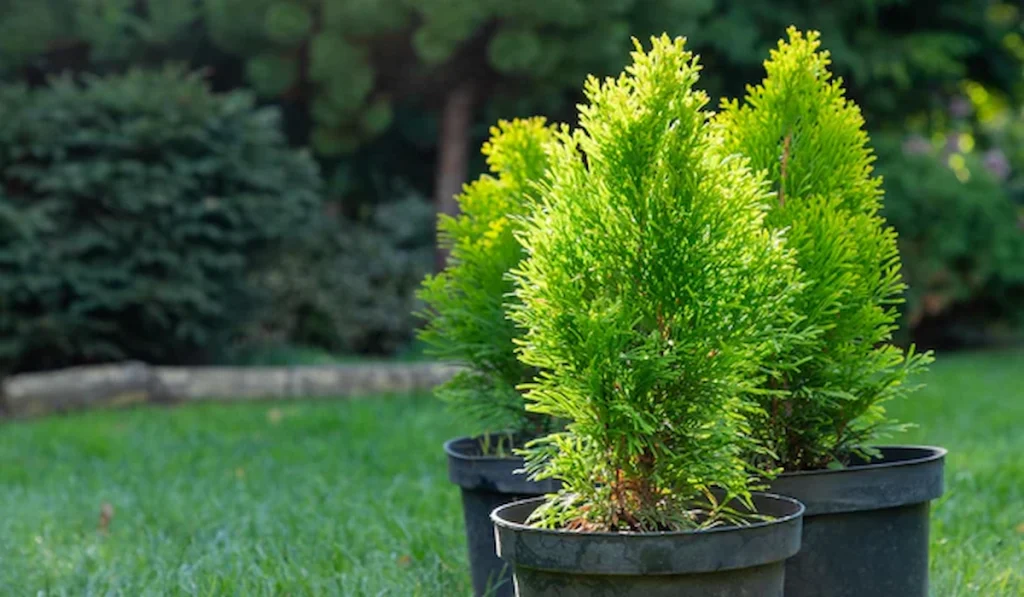
Arborvitae is very popular because it is easy to grow and stays green year-round. It grows tall and narrow, making it ideal for lining property lines and driveways. It prefers full sun, well-drained soil, and consistent watering, especially during establishment and dry spells, but is prone to root rot in overly wet or poorly drained sandy soils.
Common uses include fast-growing privacy screens and formal hedge rows, though homeowners should watch for fungal issues and spider mites, which are more common in Florida’s humid climate than in arborvitae’s native cooler regions.
3. Boxwood
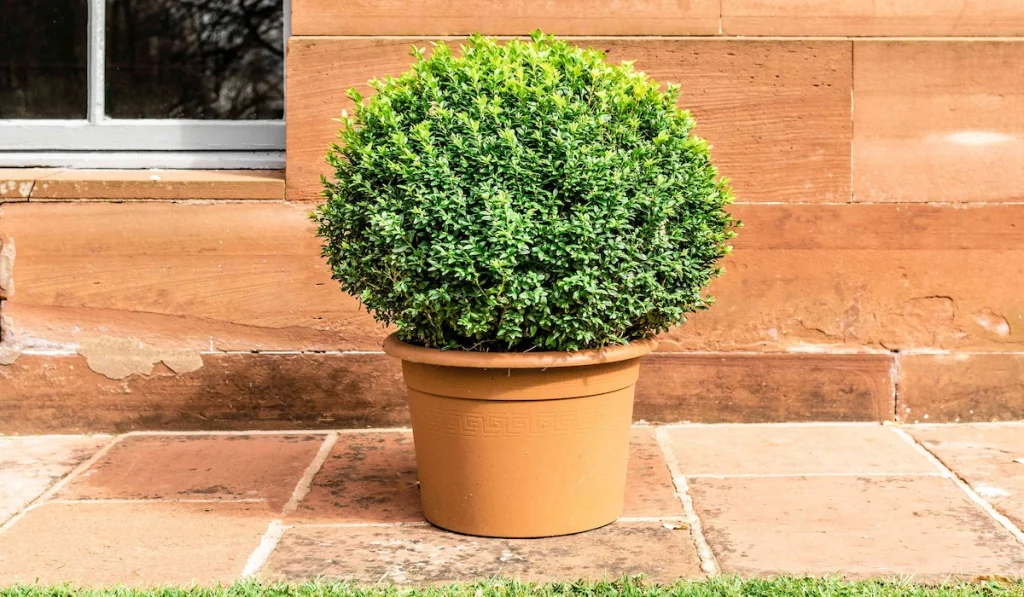
Boxwood brings that classic, manicured look to Florida yards — think crisp hedge lines, rounded borders, or topiary shapes. In our climate, ‘Wintergreen’ and Japanese boxwood outperform the traditional English variety, handling heat and humidity far better.
These shrubs like full sun to light shade and don’t tolerate soggy roots, so sharp drainage matters more than frequent watering here. The main risks in Florida are soil-borne nematodes and blight in overly humid, poorly ventilated spots — spacing plants out and trimming for airflow go a long way. Homeowners lean on boxwood for structured edging, low borders, and formal shapes that hold their form year-round.
4. Leyland Cypress
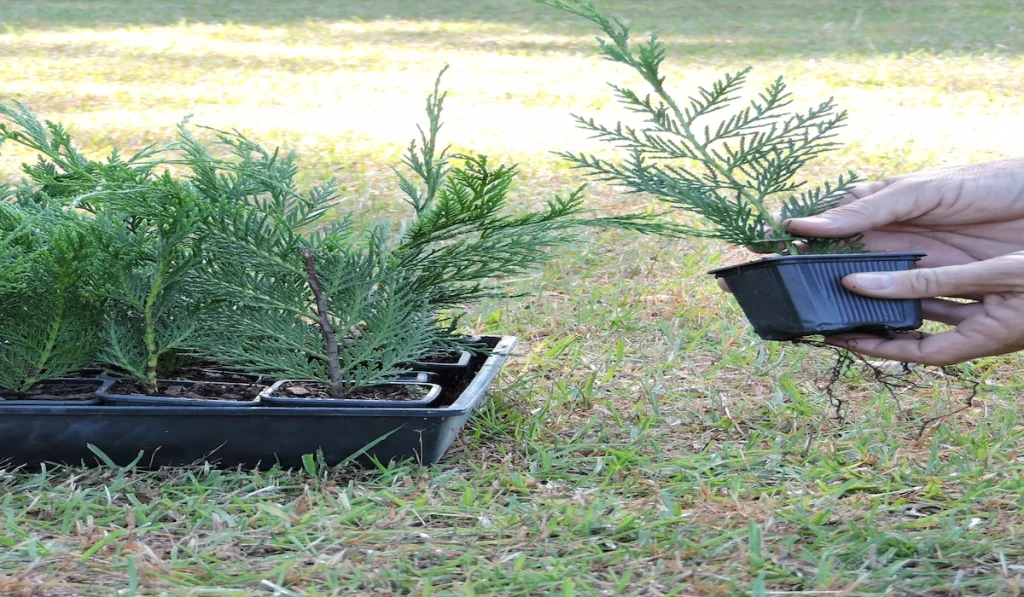
Leyland Cypress is a fast-growing hybrid conifer that’s a go-to choice when Florida homeowners want quick, tall privacy — it can add several feet of height per year once established. It handles Zone 9a/9b heat reasonably well but is notably vulnerable to root rot and canker diseases in Florida’s wet, humid conditions, so drainage is critical here, more so than with most other screening plants.
Full sun and decent spacing between trees (to allow airflow) help reduce disease pressure. It’s best suited for large properties needing a tall, fast privacy wall rather than tight urban lots, since mature trees can reach 40+ feet and take up significant width.
5. Privet
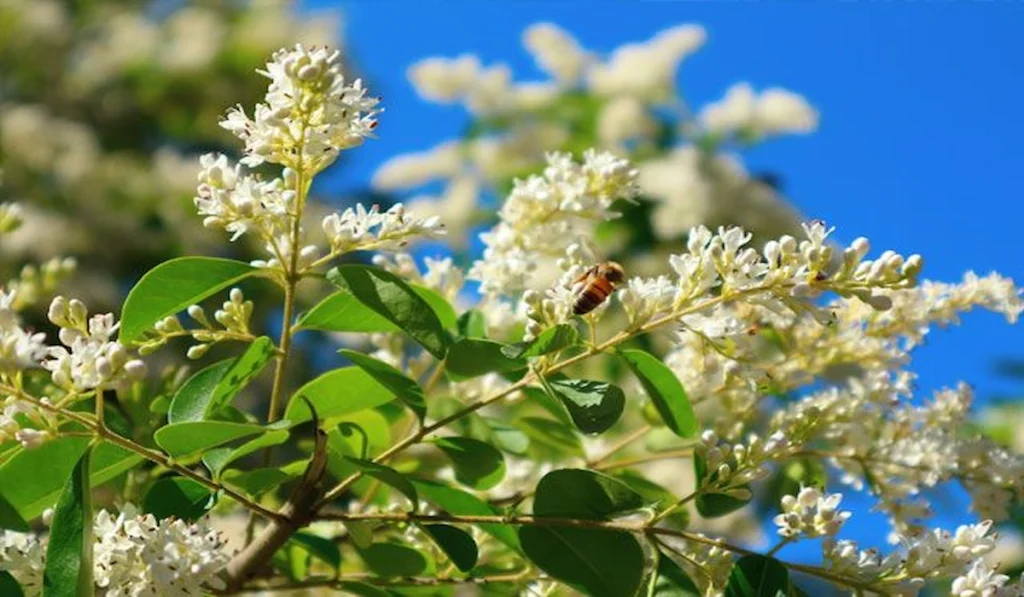
Privet hedges are a classic, budget-friendly choice for fast, dense screening in Florida yards — they respond well to regular shearing and hold a tight, formal shape. Varieties like Ligustrum japonicum are common here and tolerate Florida’s heat, humidity, and sandy soils better than many other hedge plants. They grow in full sun to partial shade, aren’t fussy about soil as long as it drains reasonably well, and need moderate watering once established.
One thing to flag for Florida specifically: some privet species are considered invasive in the state, so it’s worth confirming the variety before planting, especially near natural areas. Homeowners typically use privet for property-line screening, formal borders, and quick-growing living fences.
6. Holly
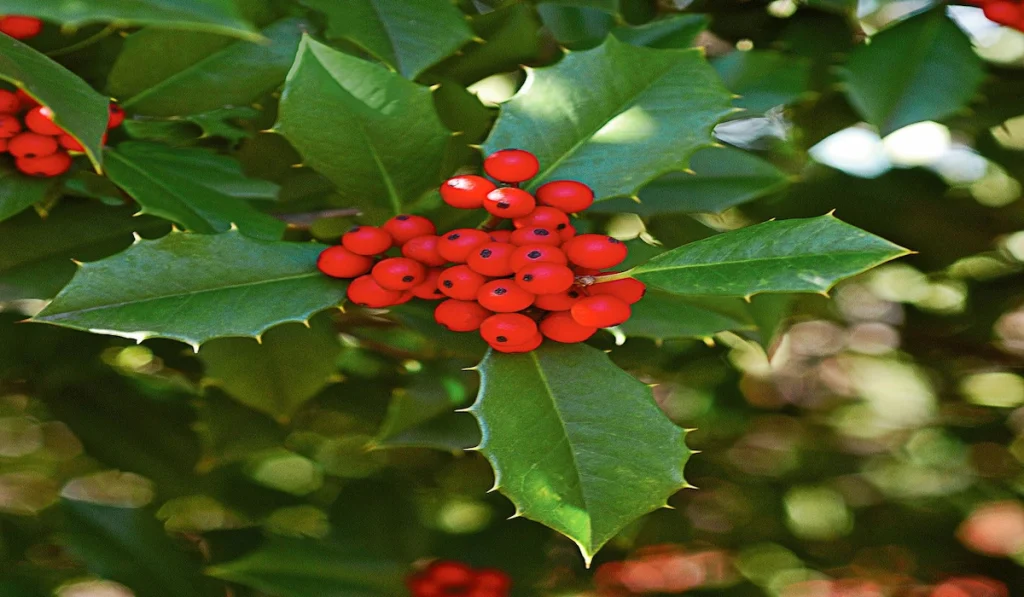
Holly covers a lot of ground in Florida landscaping — from compact Dwarf Yaupon used as low borders to taller varieties like East Palatka or Nellie R. Stevens holly grown as privacy screens. It’s one of the more forgiving choices for our climate, tolerating heat, humidity, and even some drought once established. Most varieties want full sun to partial shade and adapt well to Florida’s sandy soils without much fuss.
Female hollies produce those bright red berries in winter (a nice seasonal touch and a draw for birds), but you’ll need a male plant nearby for pollination if berries are the goal. Pests are minimal compared to other hedge shrubs, making holly a lower-maintenance option for foundation plantings, screens, or accent specimens.
7. Lavender
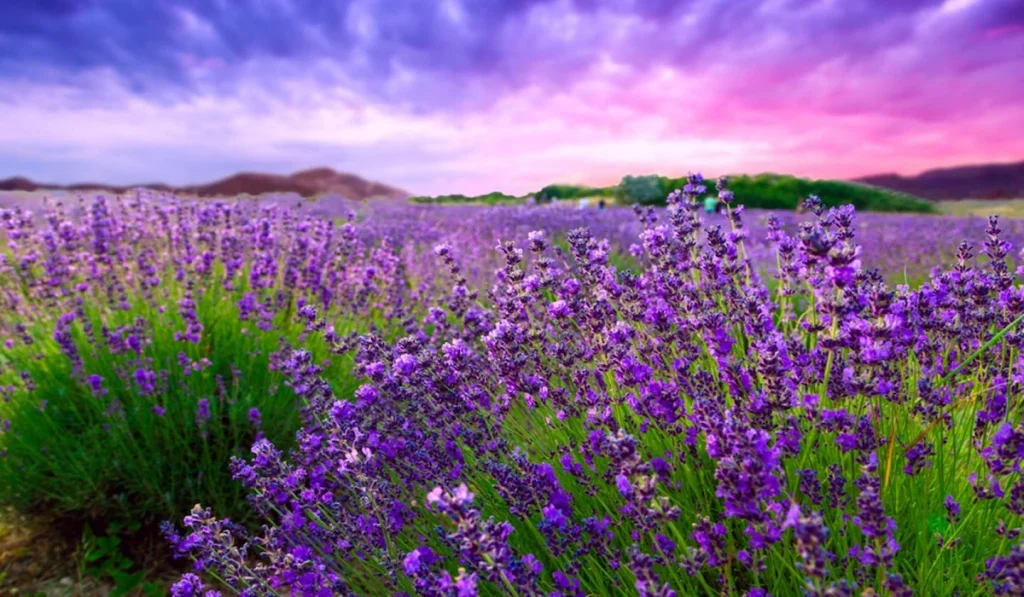
Lavender is not only pretty but also smells amazing. It grows into soft, bushy mounds that create low privacy around patios sitting areas, and walkways. The purple flowers attract bees and butterflies, adding life to your garden. Lavender also handles heat well and needs very little water once established.
8. Hydrangea
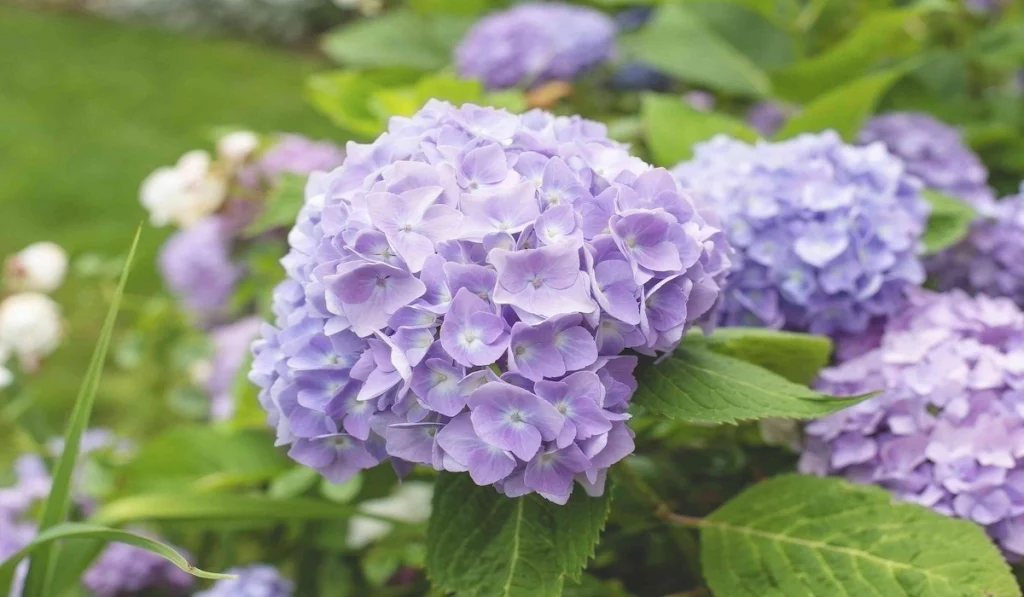
Hydrangea is prized for big, showy blooms but needs more care in Florida than most shrubs — partial shade (afternoon shade especially) and consistent moisture are a must. Bigleaf hydrangea is the common variety here, and bloom color shifts blue or pink based on soil pH. Best used as an accent or specimen plant rather than a hedge, since it’s about seasonal color, not screening.
9. Red-Twig Dogwood
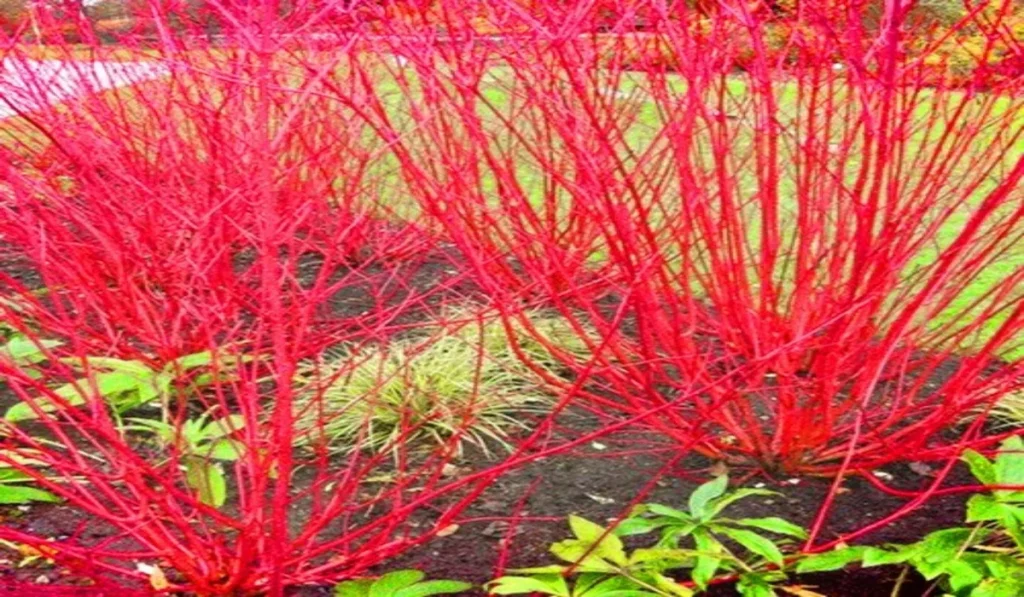
Red-twig dogwood is extraordinary because it looks beautiful even in winter. In cold months, its bright red branches stand out against snow and grey skies. During spring and summer, it has green leaves that form a nice hedge. It is an excellent plant if you want privacy with year-round interest.
10. Juniper
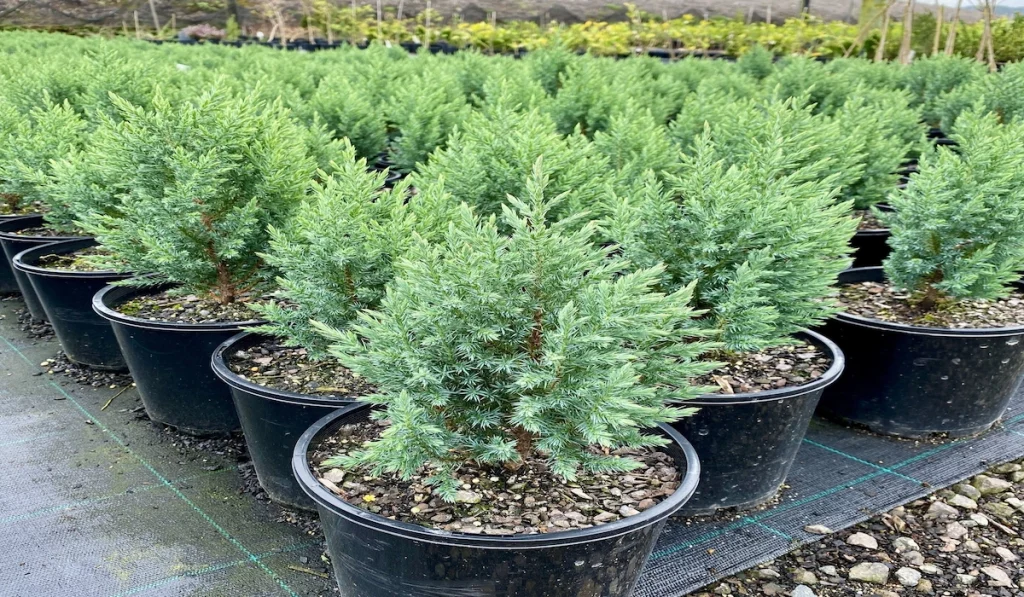
Juniper shrubs and trees are hardy plants that thrive in many climates. They require little water and can grow in poor soil, making them easy to care for. A wide variety grows upright and thick, making them excellent privacy screens. They also add a fresh scent and rich green colour to your yard.
11. Oleander
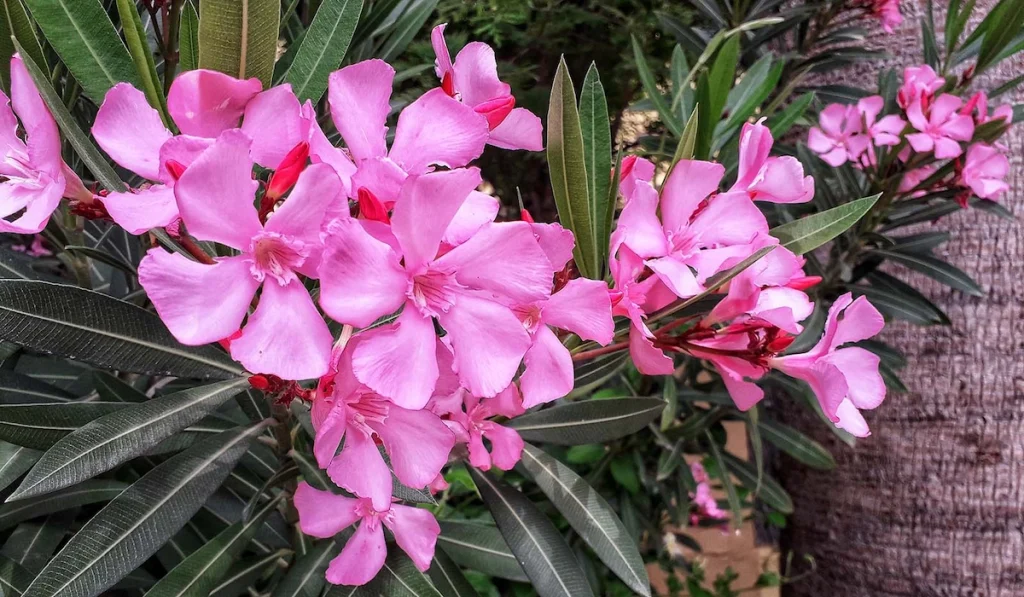
Oleander is a warm-climate plant that grows quickly and produces lots of flowers. The blooms come in pink, white, yellow, and red, making your privacy screen colourful. It handles heat, wind, and salty air very well, so it is often used near coasts. Because all parts of oleander are poisonous if eaten, it should not be used where pets or small children might chew on plants.
12. Forsythia
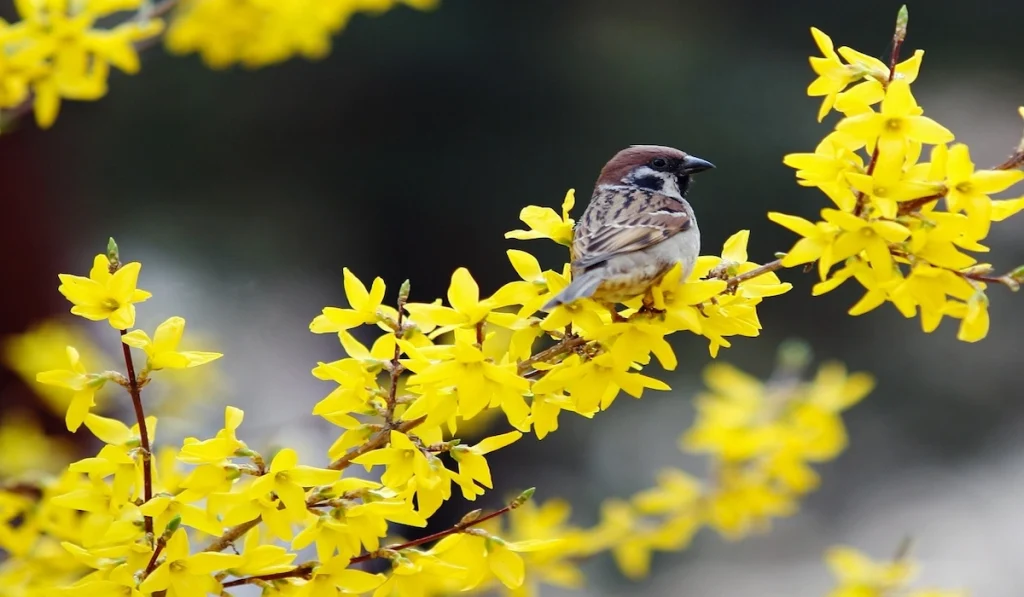
Forsythia is famous for its bright yellow spring flowers. It grows into a large, arching shrub that forms a loose yet effective privacy hedge. After blooming, it retains green leaves that continue to provide cover. It is a cheerful plant that brings early colour after winter ends.
13. Azalea
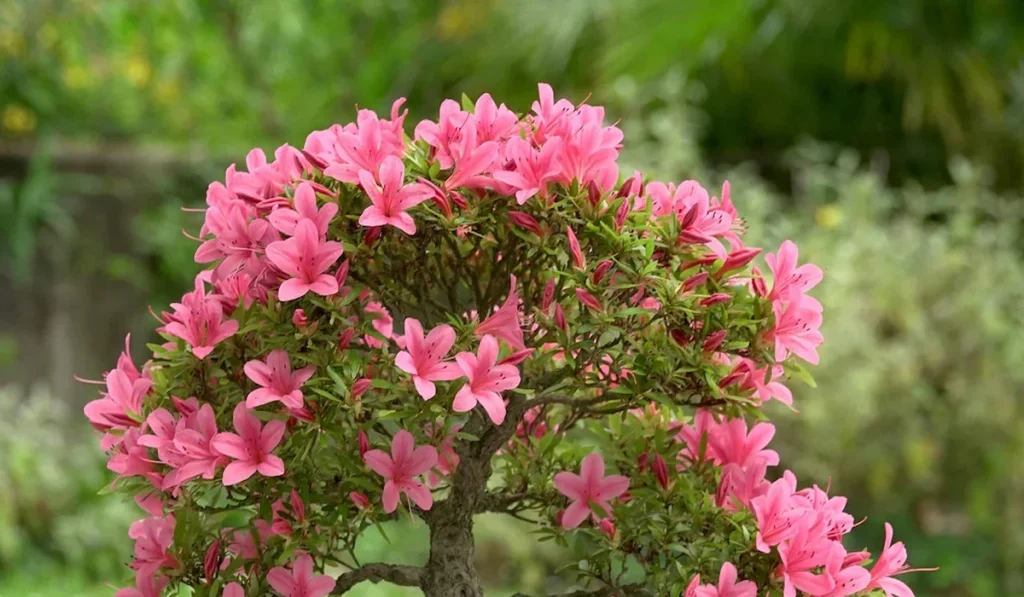
Azaleas are perfect if you want privacy with lots of colour. In spring, they burst into bloom in shades of pink, white, purple, and red. They like partial shade, so they work well under trees or near buildings. Their bushy shape helps block views while still looking soft and welcoming.
14. Laurel
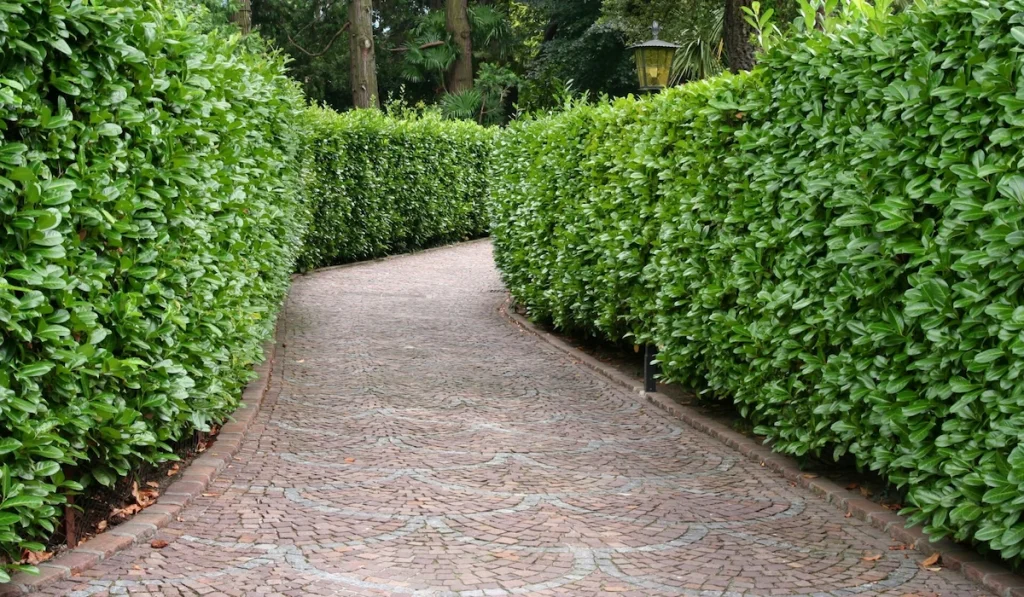
Laurel shrubs create dense, evergreen walls of foliage. The leaves are large, shiny, and thick, helping to block both sound and sight. They grow well in many soils and can handle trimming if you want a formal hedge. Laurels are excellent choices for long property borders.
15. Viburnum
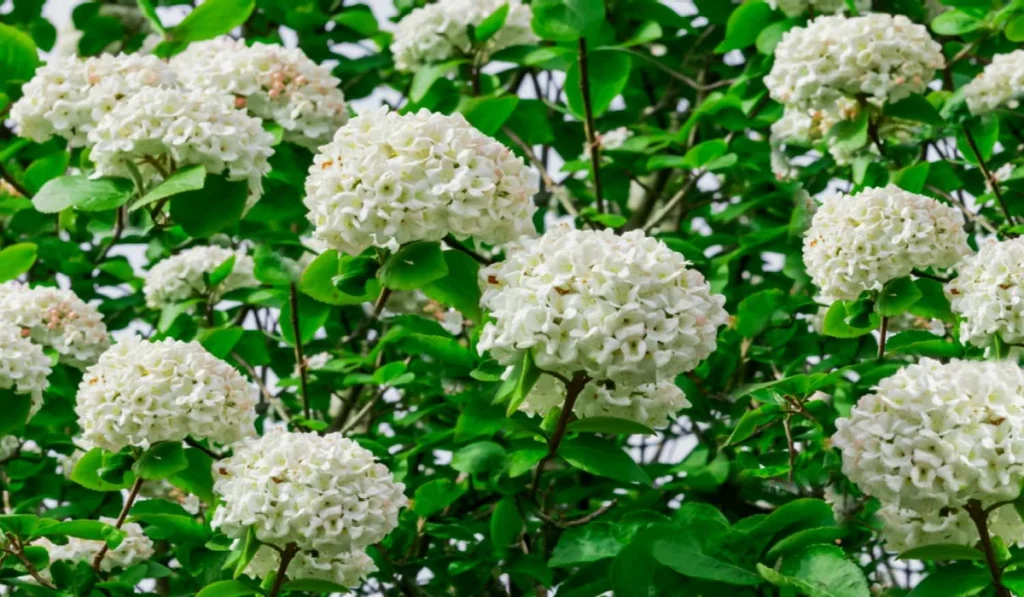
Viburnum is a versatile plant with a wide range of beautiful varieties. Some types stay small, while others grow into tall hedges for privacy. Many produce sweet-smelling flowers and colourful berries that attract birds. They also have lovely fall colour, providing seasonal beauty and privacy.
16. Bamboo Palm
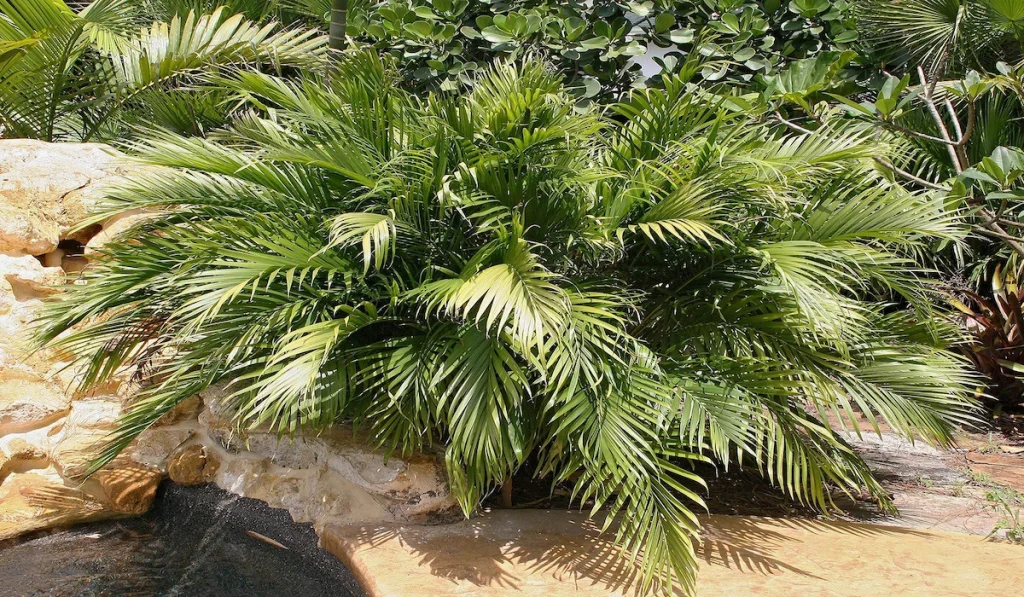
Bamboo palm is ideal for warm climates or large pots on patios. It has a tropical look with soft, feathery leaves that create gentle screening. Many people use it around outdoor seating areas or pools to create a peaceful atmosphere. It also works well in containers for movable privacy.
17. Cherry Laurel
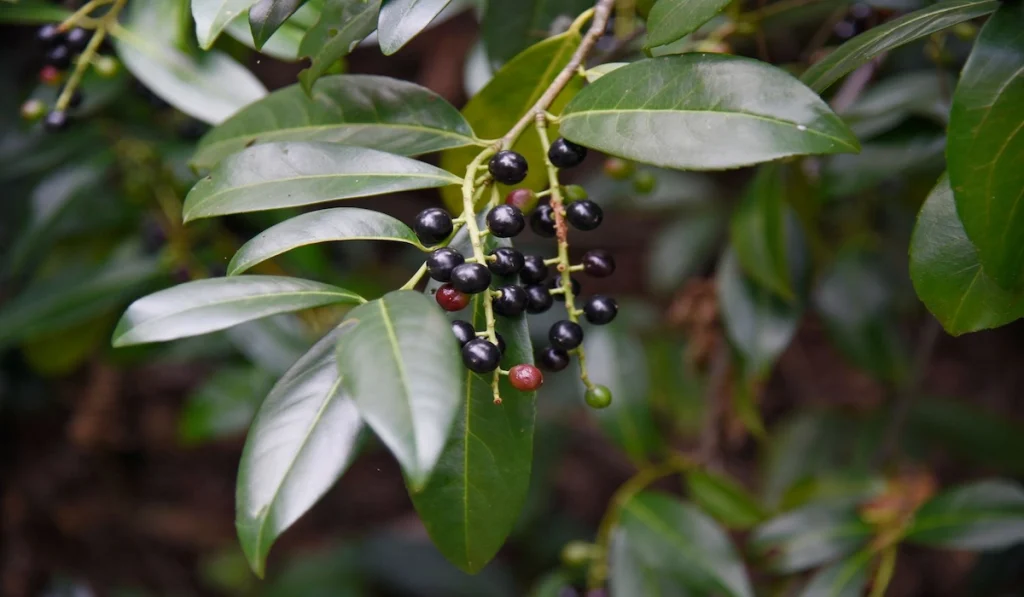
Cherry laurel grows fast and forms thick, glossy green walls. It is very popular for hedges because it responds well to trimming. In spring, it produces small white flowers, followed later by dark berries. It is a strong and reliable plant if you need privacy quickly.
18. Magnolia
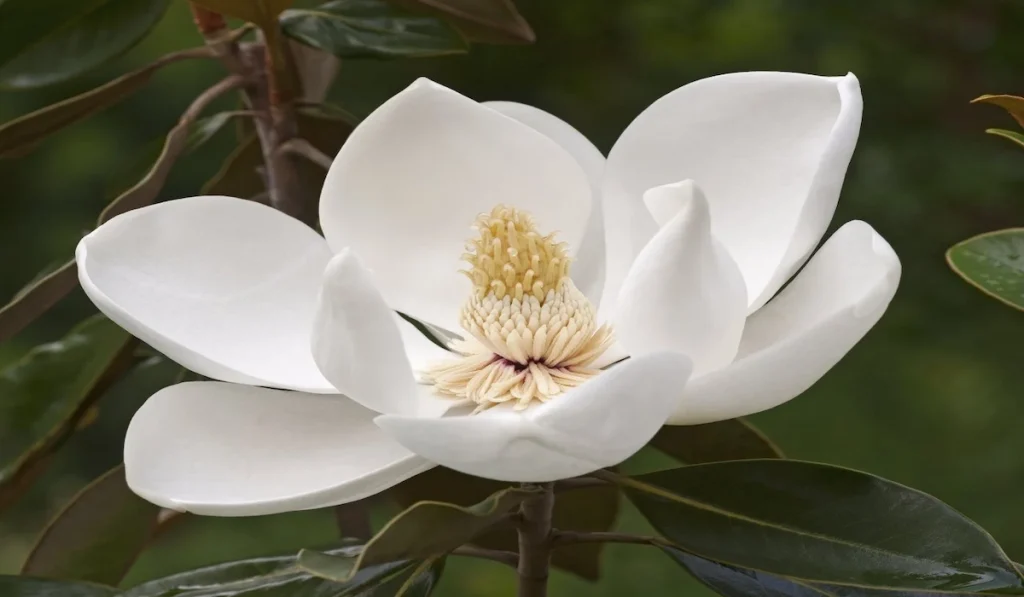
Magnolia trees provide shade, privacy, and large, beautiful flowers. Some types stay smaller and bushier, making them good natural screens. Their leaves are large and glossy, remaining green in many climates for much of the year. A magnolia adds elegance and privacy to any yard.
If you want to learn more about these flowers, you may also want to check this detailed guide on 15 winter flowers to understand them better.
Final Thoughts
Using plants for privacy is a natural and beautiful solution. They soften hard edges, bring wildlife, and make your yard feel calm and alive. When choosing plants, consider your climate, sunlight, and desired growth rate. With the right choices, you can enjoy a private, green, and welcoming outdoor space for years to come.