Hydrangeas are one of the few flowering shrubs that bloom well without full sun. In Florida, they do best with a few hours of gentle morning light followed by deep afternoon shade, and they look their best when you plant them alongside other shade lovers such as ferns, caladiums, and cast iron plant. That mix gives you colour from spring into fall in the coolest, dimmest corner of your yard.
This guide walks through which hydrangeas handle shade, how much shade is actually too much, what to plant around them, and how to keep the whole bed healthy in sandy Florida soil.
Are Hydrangeas Really Shade Plants?
Mostly, yes. Hydrangeas started out as woodland shrubs growing under tall trees, so filtered light is their natural setting. Down here the afternoon sun is far stronger than it is in the states where these shrubs are usually pictured, so a spot that would count as “part sun” in Georgia can cook a hydrangea in Flagler County by mid-July. Watch for wilting at noon, crispy brown leaf edges, and flowers that fade within a week. Those three signs almost always point to too much direct light rather than a watering problem. Our full guide on how to grow and care for hydrangeas covers pruning, feeding, and bloom timing in more depth.
How Much Shade Does a Hydrangea Need?
The sweet spot for most types is four to six hours of morning sun with shade from about 1 p.m. onward. Deep shade all day is not the goal either. A hydrangea buried under a low, dense canopy will stretch toward whatever light it can find, put out floppy stems, and give you leaves instead of flowers.
Good spots in a typical Florida yard include:
- The east side of the house, where the wall blocks the hot part of the day
- The north side, which stays bright but rarely gets direct sun
- Under the high canopy of live oaks or pines, where light filters through
- Behind a screened porch or a taller shrub row that casts shade after lunch
Spots to avoid are west-facing beds, open areas next to a white wall or driveway that reflects heat, and anywhere the lawn sprinklers hit the flowers directly.
Best Hydrangea Varieties for Shade in Florida
Not every hydrangea reacts to shade the same way. These four cover almost every situation you will run into.
Oakleaf Hydrangea (Hydrangea quercifolia)
If you only plant one, make it this one. Oakleaf is native to the Southeast, so it already knows how to deal with heat, humidity, and summer storms. It carries cone-shaped white flowers that age to a soft pink, and the large lobed leaves turn deep red and burgundy in cooler weather. Expect a mature size of six to eight feet tall and wide, which makes it a strong anchor plant at the back of a shade bed.
Bigleaf Hydrangea (Hydrangea macrophylla)
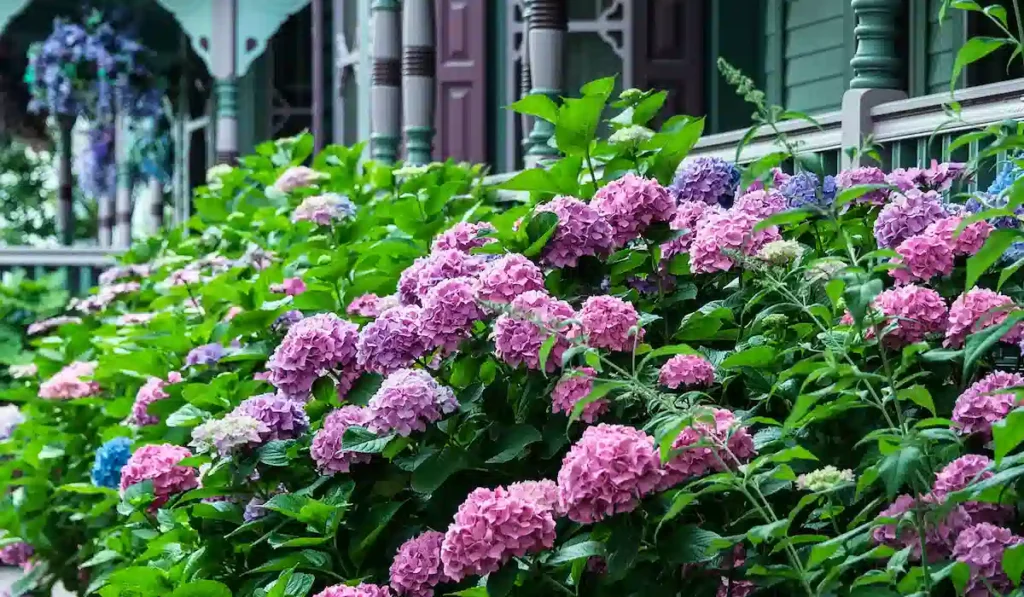
This is the classic mophead with the round blue or pink flower heads. It is also the fussiest about heat, so give it the most shade of any variety on this list. Bloom color shifts with soil pH: acidic soil pushes blue, alkaline soil pushes pink. Bigleaf sets its buds on old wood, which means late pruning removes next season’s flowers.
Smooth Hydrangea (Hydrangea arborescens)
Varieties like ‘Annabelle’ bloom on new wood, so a hard cut in late winter will not cost you flowers. That makes smooth hydrangea a forgiving pick for anyone who is still learning the pruning calendar. The white blooms are big and rounded, and the shrub stays around four to five feet.
Panicle Hydrangea (Hydrangea paniculata)
Worth mentioning as the exception. Panicle types want more light than the rest and will bloom poorly in a shaded bed. Save this one for a spot with real morning to midday sun.
Shade Plants That Pair Well With Hydrangeas
The trick to a shade bed that looks full year-round is layering texture, not just adding more flowers. Hydrangeas go dormant or thin out in winter, so the plants around them need to carry the bed during that stretch.
Reliable partners for Florida shade include:
- Cast iron plant (Aspidistra elatior) for deep green, upright leaves that shrug off neglect
- Holly fern and autumn fern for fine texture at the front edge of the bed
- Caladiums for bright pink, white, and red leaf color from spring through fall
- Coontie, a tough Florida native that gives the bed a low, palm-like base layer
- Liriope and mondo grass for clean edging along a path or bed line
- Coleus and Persian shield for purple and burgundy tones that pick up the oakleaf fall color
- Begonias and SunPatiens for steady flower color where the hydrangeas take a break
- Florida anise (Illicium floridanum) as a taller evergreen backdrop in damp, shaded corners
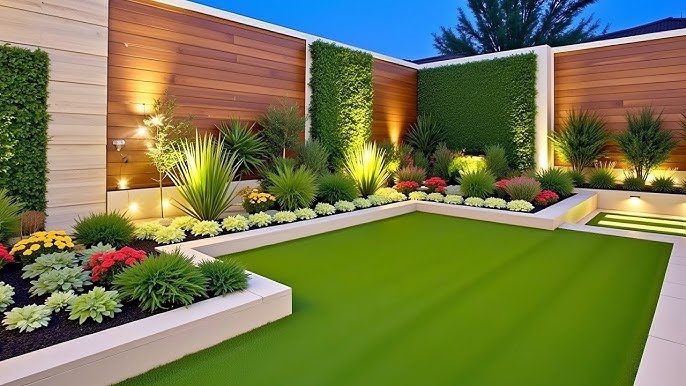
A simple layout that works: tall hydrangeas at the back, medium ferns and cast iron plant in the middle, and caladiums or mondo grass along the front. Our post on hydrangea companion plants breaks down more pairings by color and bloom season.
Soil That Keeps a Shade Bed Healthy
Hydrangeas want rich, loose soil that stays damp but never soggy. Most Palm Coast yards start with sand, which drains so fast that water and nutrients run straight past the roots. Work three to four inches of compost and aged pine bark fines into the top eight inches of the bed before you plant, and repeat a lighter topdressing each spring.
Well-balanced soil holds moisture between waterings and gives roots room to spread, which is the single biggest factor in how many flowers you get. If you are unsure what you are working with, this breakdown of loam soil explains what the ideal blend looks like and how to move sandy ground toward it.
Watering Without Drowning the Bed
Shade beds hold moisture longer than sunny ones, so the usual lawn schedule will overwater them. Aim for about an inch of water per week, delivered in two deep soakings rather than daily sprinkles. In July and August you may need a third. Always water at the soil line, since wet flower heads in humid weather invite fungal spots. A simple drip line under the mulch is the easiest way to get this right without thinking about it, and this walkthrough on installing a drip irrigation system covers the layout and parts you need.
Mulch and Feeding
Keep two to three inches of pine bark or pine straw over the bed, pulled back an inch or two from the stems so the base can breathe. Mulch keeps soil temperature steady, which matters more in shade than most people expect, since tree roots are already competing for the same water.
Feed with a slow-release shrub fertilizer once in early spring and again in early summer. Stop by the end of August. Late-season feeding pushes soft new growth right when the plant should be settling down, and that growth is the first thing damaged by a cold snap.
Common Mistakes to Avoid
- Planting in a west-facing bed and hoping for the best
- Pruning bigleaf and oakleaf types in fall or winter, which cuts off next year’s buds
- Letting lawn sprinklers spray the flower heads every morning
- Setting the root ball too deep, which suffocates the crown in heavy soil
- Planting tight against a tree trunk, where root competition wins every time
- Skipping mulch, then wondering why the bed dries out in three days
What This Means for Palm Coast and Flagler County Yards
We sit in zone 9a here, with sandy soil, salt-carrying breezes near the coast, and long stretches of afternoon heat from May through September. Oakleaf hydrangea is the safest bet for most local yards because it handles that combination without much fuss. Bigleaf can absolutely work, but it needs a genuinely protected spot, richer soil, and a steady watering rhythm. Homes closer to the water should also plan for salt spray, which will burn hydrangea leaves faster than heat will.
If you would rather have the bed designed and planted correctly the first time, our team handles soil prep, plant selection, mulching, and irrigation across Palm Coast, Flagler Beach, Ormond Beach, and the surrounding area. You can see the full range on our services page or call us to walk the yard together.
Frequently Asked Questions
They will survive, but they will not flower well. Full shade produces leggy stems and few blooms. Four to six hours of morning sun with afternoon shade gives the best flower count.
Oakleaf hydrangea. It is native to the Southeast, tolerates humidity and part shade, and holds up better through summer than bigleaf types.
That is usually sun scorch or salt burn, not disease. Check whether the plant gets direct afternoon light, and check whether sprinkler water or coastal spray is hitting the leaves.
Caladiums, holly fern, autumn fern, mondo grass, and cast iron plant. They stay low, handle shade, and fill the bed while hydrangeas are between bloom cycles.
Prune bigleaf and oakleaf right after they finish flowering in summer. Smooth hydrangeas bloom on new wood and can be cut back in late winter.
Two deep soakings per week in spring and fall, three during peak summer. Water at the base, not overhead.