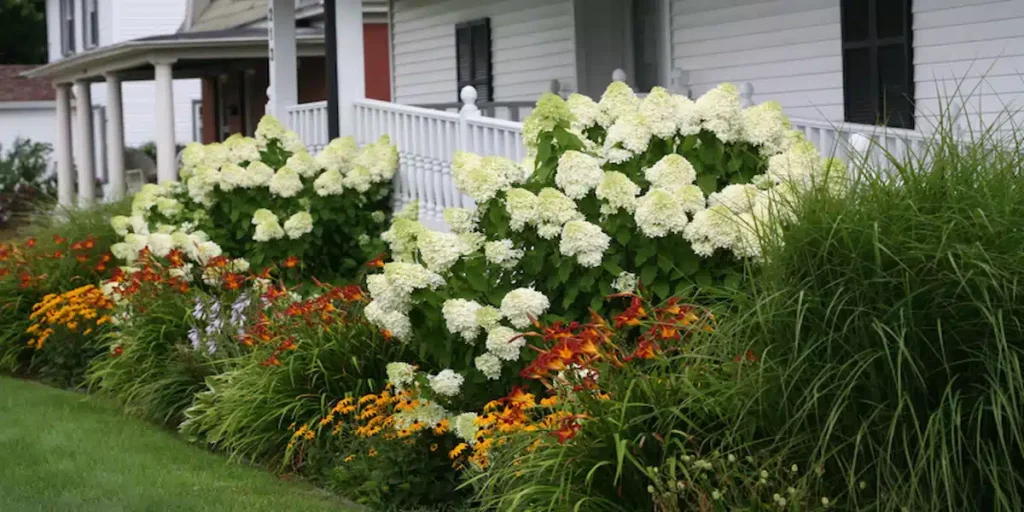
Hydrangeas have been one of my favorite landscape plants to work with throughout my years designing and maintaining residential gardens. Their large blooms, vibrant colors, and ability to create a focal point make them a standout feature in almost any landscape. However, one thing I’ve learned from experience is that hydrangeas rarely look their best when planted alone. Choosing the right hydrangea companion plants can transform an ordinary flower bed into a layered, professional-looking garden that offers color, texture, and visual interest throughout the year.
In many landscape projects, homeowners initially focus only on the hydrangeas themselves. While these flowering shrubs are stunning, the surrounding plants play an equally important role in creating a balanced and healthy garden. The best companion plants for hydrangeas not only complement their blooms but also share similar growing requirements, making maintenance easier and improving overall garden performance.
Based on my experience working with hydrangeas in residential landscapes, successful companion planting comes down to three key factors: matching sunlight needs, maintaining consistent soil moisture, and creating seasonal interest. When these elements are carefully considered, hydrangeas thrive while the surrounding plants enhance their beauty.
Whether you’re creating a shade garden, updating foundation plantings, or designing a colorful landscape border, this guide will help you choose the best plants to grow alongside hydrangeas.
What Are Hydrangea Companion Plants?
Hydrangea companion plants are flowers, shrubs, perennials, and ground covers that grow well alongside hydrangeas because they share similar environmental requirements. These plants typically prefer comparable soil conditions, moisture levels, and sunlight exposure.
Companion planting is not just about appearance. It also improves garden health by maximizing space, reducing weed growth, enhancing biodiversity, and creating a more resilient landscape.
Benefits of Companion Planting
When properly selected, companion plants provide multiple benefits for hydrangea gardens. They help fill empty spaces, add contrasting textures, extend blooming seasons, and create visual balance. In many landscape installations, I use companion plants to ensure the garden remains attractive even when hydrangeas are not in peak bloom.
Companion planting can also reduce maintenance by creating a natural plant community where species support each other’s growth requirements.
Understanding Hydrangea Growing Conditions
Before selecting companion plants, it’s important to understand what hydrangeas need to thrive.
Most hydrangea varieties prefer:
- Moist but well-draining soil
- Rich organic matter
- Partial shade to filtered sunlight
- Consistent watering
- Good air circulation
Any plant chosen to grow nearby should tolerate these same conditions.
How I Choose Companion Plants for Hydrangeas in Landscape Projects
Over the years, I’ve tested countless plant combinations in landscape designs. Some pairings flourish for years, while others struggle due to mismatched growing conditions.
Matching Sunlight Requirements
One of the biggest mistakes homeowners make is combining sun-loving plants with shade-loving hydrangeas. When selecting companions, I always start by evaluating how much sunlight the planting area receives throughout the day.
Soil and Moisture Compatibility
Hydrangeas prefer consistently moist soil. Plants that require dry conditions often fail when planted nearby. Selecting companions with similar watering needs creates a healthier and more manageable landscape.
Seasonal Interest and Color Balance
A successful garden should look attractive throughout the year. I typically combine hydrangeas with evergreen shrubs, flowering perennials, and ornamental grasses to ensure year-round appeal.
Best Companion Plants for Hydrangeas
Hostas
Hostas are among the best companion plants for hydrangeas. Their large foliage creates a beautiful contrast against hydrangea blooms while thriving in similar shade conditions.
Benefits include:
- Attractive leaf texture
- Low maintenance
- Excellent shade tolerance
- Consistent moisture preferences
Ferns
Ferns provide a natural woodland appearance and pair exceptionally well with hydrangeas in shaded gardens. Their delicate fronds soften the landscape and create an elegant backdrop for larger hydrangea flowers.
Astilbe
Astilbe adds vertical interest with feathery flower plumes that bloom in summer. Their preference for moist, partially shaded locations makes them ideal companions for hydrangeas.
Coral Bells
Coral Bells offer colorful foliage in shades of burgundy, lime green, and purple. These plants create striking color contrasts beneath hydrangea shrubs.
Japanese Forest Grass
This ornamental grass introduces movement and texture while maintaining a soft, natural appearance. Its arching foliage complements the rounded shape of hydrangea blooms beautifully.
Boxwood
Boxwoods provide year-round structure and evergreen color. In many landscape designs, I use boxwoods to frame hydrangea beds and create formal garden borders.
Azaleas
Azaleas bloom earlier than hydrangeas, extending the flowering season and adding spring interest to the landscape.
Camellias
Camellias provide evergreen foliage and stunning seasonal flowers, making them excellent companion shrubs for hydrangeas.
Garden Phlox
Garden phlox introduces additional summer color and attracts beneficial pollinators to the garden.
Roses
Many homeowners ask whether roses and hydrangeas can grow together. In suitable conditions, they create a stunning combination of color, texture, and fragrance.
Companion Shrubs That Look Great With Hydrangeas
Viburnum
Viburnum offers beautiful flowers, attractive berries, and strong seasonal interest. It pairs naturally with hydrangeas in larger landscape designs.
Camellia
Camellias bring evergreen structure and winter blooms when hydrangeas are dormant.
Azalea
Azaleas create layered seasonal color and work exceptionally well in foundation plantings.
Boxwood
Boxwoods provide formal structure that highlights hydrangea blooms throughout the growing season.
Best Perennials to Plant With Hydrangeas
Perennials add long-lasting color and texture to hydrangea beds.
Some of my favorite choices include:
- Hostas
- Astilbe
- Coral Bells
- Daylilies
- Coneflowers
- Black-Eyed Susans
- Salvia
These plants create continuous seasonal interest while sharing similar growing requirements.
Ground Covers That Complement Hydrangeas
Ground covers help suppress weeds, retain moisture, and create a finished appearance around hydrangea beds.
Excellent options include:
- Liriope
- Creeping Jenny
- Sweet Woodruff
- Ajuga
These plants fill gaps beautifully without competing heavily with hydrangeas.
Hydrangea Companion Plants for Shade Gardens
For shaded locations, I often recommend combinations that emphasize foliage texture and varying shades of green.
The best shade-loving companion plants include hostas, ferns, astilbe, coral bells, and Japanese forest grass. Together, they create a lush garden environment that highlights hydrangea blooms while thriving in lower light conditions.
Hydrangea Companion Plants for Sunny Locations
Some hydrangea varieties tolerate more sun than others. In brighter locations, companion plants such as daylilies, coneflowers, black-eyed susans, salvia, and ornamental grasses can provide vibrant color and strong performance.
Common Companion Planting Mistakes to Avoid
One common mistake I frequently see homeowners make is overcrowding plants. Hydrangeas require adequate airflow to reduce disease risks and maintain healthy growth.
Another issue is combining plants with conflicting water needs. Since hydrangeas prefer consistent moisture, drought-tolerant companions often struggle in the same bed.
Ignoring mature plant size can also create future maintenance problems. Always account for the full growth potential of each plant before installation.
My Favorite Hydrangea Plant Combinations for Residential Landscapes
Based on projects I’ve completed over the years, one of my favorite combinations includes hydrangeas, hostas, and Japanese forest grass. This combination creates layered textures and performs exceptionally well in partially shaded landscapes.
Another successful pairing combines hydrangeas with boxwoods and coral bells. The evergreen structure of boxwoods balances seasonal blooms while coral bells provide colorful foliage throughout the year.
For cottage-style gardens, hydrangeas mixed with roses and garden phlox create a vibrant display that attracts pollinators and delivers long-lasting color.
Final Thoughts on Choosing Hydrangea Companion Plants
Selecting the right hydrangea companion plants can dramatically improve the appearance and health of your garden. Through years of hands-on landscaping experience, I’ve found that the most successful combinations are those that balance beauty, practicality, and shared growing conditions.
By pairing hydrangeas with plants such as hostas, ferns, coral bells, astilbe, boxwoods, and ornamental grasses, you can create a landscape that offers year-round color, texture, and visual interest. With thoughtful planning and proper plant selection, your hydrangea garden can become one of the most eye-catching features in your outdoor space.
Frequently Asked Questions
What is the best companion plant for hydrangeas?
Hostas are often considered one of the best companion plants because they share similar growing conditions and provide beautiful foliage contrast.
Can roses and hydrangeas grow together?
Yes. When planted in suitable sunlight and soil conditions, roses and hydrangeas can create a stunning garden display.
Do hostas grow well with hydrangeas?
Absolutely. Hostas thrive in similar moisture and shade conditions, making them ideal companions.
What should not be planted near hydrangeas?
Plants that prefer dry soil or full sun often struggle when planted near hydrangeas.
Can hydrangeas be planted under trees?
Yes, provided they receive sufficient sunlight and do not compete heavily with tree roots for moisture.
How far apart should companion plants be from hydrangeas?
Spacing depends on the mature size of each plant, but allowing adequate airflow is essential for healthy growth.