Over the years, I’ve worked with hundreds of plants across residential landscapes in Palm Coast, Florida, and flowering maple remains one of the most underrated choices for homeowners who want long-lasting color and a tropical appearance. Many people are surprised to learn that flowering maple isn’t actually a maple tree. Instead, it’s a beautiful flowering shrub known for its lantern-shaped blooms and attractive foliage.
I’ve installed flowering maple plants in backyard gardens, entryway landscapes, and patio areas where homeowners wanted something unique that would stand out from the typical Florida plant selections. In the right location, this plant can bloom for much of the year and become one of the most eye-catching features in a landscape design.
What Is a Flowering Maple?
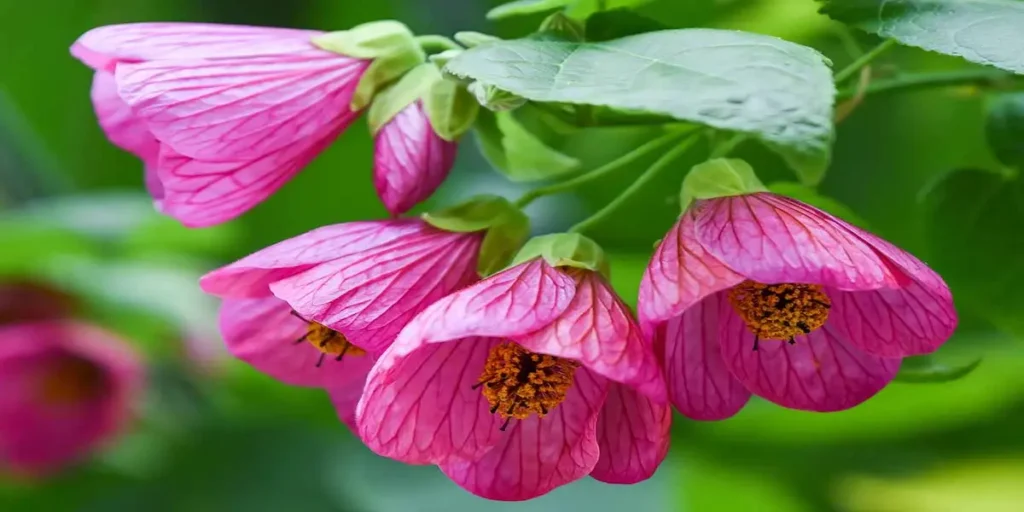
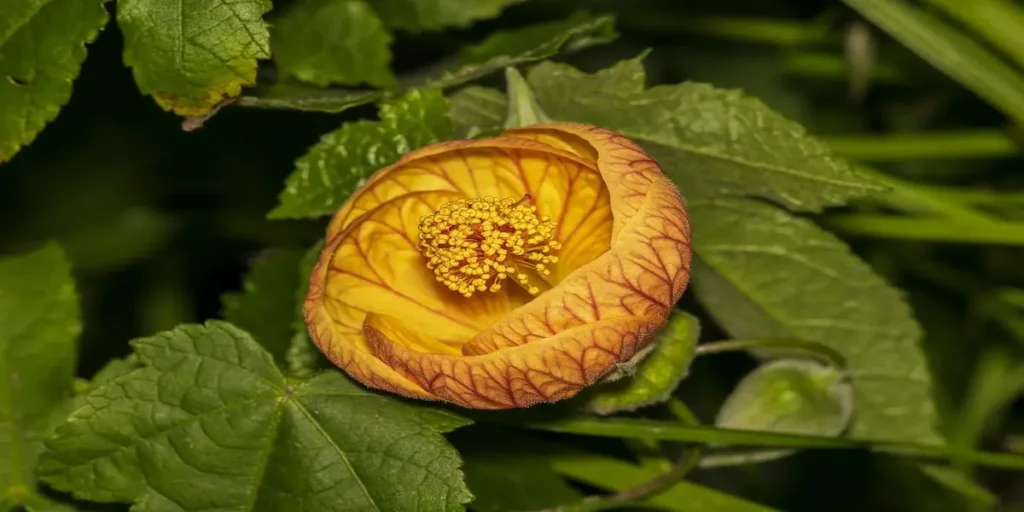
Flowering maple, commonly known by its botanical name Abutilon, is a tropical or subtropical shrub that produces hanging flowers in shades of red, orange, yellow, pink, and salmon. The plant gets its common name from its leaves, which resemble the shape of maple leaves, even though it is not related to true maple trees.
One reason flowering maple has become increasingly popular among gardeners is its ability to provide continuous visual interest. Unlike many flowering shrubs that bloom for only a short period, flowering maple can produce flowers for several months under favorable conditions. This extended bloom period makes it an excellent choice for homeowners looking to add reliable color to their landscapes.
Quick Facts About Flowering Maple
| Feature | Details |
|---|---|
| Common Name | Flowering Maple |
| Botanical Name | Abutilon |
| Plant Type | Tropical Shrub |
| Mature Height | 3–10 Feet |
| Sun Exposure | Partial Sun to Bright Indirect Light |
| Bloom Season | Spring Through Fall |
| USDA Zones | 8–11 |
| Water Needs | Moderate |
Why I Recommend Flowering Maple for Florida Landscapes
As a landscaping professional in Palm Coast, I often recommend flowering maple to homeowners who want something different from the common shrubs found throughout Florida neighborhoods. The plant provides a tropical look without requiring the level of maintenance some exotic plants demand.
One of the biggest advantages I’ve observed is its versatility. Flowering maple works equally well in landscape beds, pollinator gardens, courtyard gardens, and decorative containers. It can serve as a focal point or blend beautifully with other flowering plants. Clients frequently comment on how many compliments they receive after adding flowering maple to their landscape because the flowers create a unique visual effect that many people have never seen before.
My Experience Growing Flowering Maple in Palm Coast, Florida
Florida’s warm climate creates excellent growing conditions for flowering maple, but success largely depends on choosing the right planting location. Through years of landscaping projects, I’ve noticed that flowering maple performs best when it receives morning sunlight and some protection from the intense afternoon sun.
In Palm Coast, summer temperatures can be challenging for many ornamental plants. However, flowering maple tends to adapt well when planted in areas with filtered sunlight or partial shade. I’ve also found that plants grown in locations with good airflow generally produce healthier foliage and more consistent flowering throughout the growing season.
The sandy soil common throughout our area often benefits from organic amendments before planting. Whenever I install flowering maple, I typically improve the soil with compost to help retain moisture and provide additional nutrients that support healthy growth. If you want to know more about soil i will recommend you to check out this details guide on loam soil to get better ideas.
How to Plant Flowering Maple Successfully
Proper planting is one of the most important factors in determining whether a flowering maple thrives or struggles. Before planting, I always evaluate sunlight exposure, drainage conditions, and available growing space.
The planting hole should be roughly twice as wide as the root ball but no deeper than the root system itself. After placing the plant in the hole, I backfill with a mixture of native soil and organic matter to encourage root development. Watering thoroughly after planting helps eliminate air pockets and allows the roots to establish more quickly.
During the first few months after planting, consistent watering is essential. Once established, flowering maple becomes significantly easier to maintain and typically adapts well to Florida’s seasonal weather patterns.
Best Growing Conditions for Flowering Maple
Creating the right growing environment can dramatically improve the appearance and performance of flowering maple. In my experience, these plants thrive when they receive a balance of sunlight, moisture, and proper soil conditions.
Flowering maple prefers well-draining soil and does not tolerate standing water for extended periods. While the plant enjoys moisture, overly wet conditions can lead to root problems and reduced vigor. Maintaining consistent soil moisture without overwatering helps encourage stronger growth and more abundant blooms.
When planted in suitable conditions, flowering maple rewards homeowners with lush foliage and a steady display of colorful flowers throughout much of the growing season.
Watering Requirements for Healthy Growth
One of the most common mistakes homeowners make is either overwatering or underwatering flowering maple. Newly planted specimens require regular watering until the root system becomes established. During this period, I typically recommend monitoring soil moisture closely rather than relying on a fixed watering schedule.
Established plants are generally more forgiving, but they still perform best when the soil remains moderately moist. During particularly hot Florida summers, occasional deep watering can help maintain flowering and reduce plant stress. Healthy watering practices often result in more vigorous growth and longer-lasting blooms.
Fertilizing Flowering Maple for Better Blooms
Fertilization plays an important role in maximizing flower production and maintaining healthy foliage. Throughout my landscaping projects, I’ve found that flowering maple responds well to balanced slow-release fertilizers applied during the active growing season.
Regular feeding provides the nutrients necessary to support continuous flowering and strong stem development. However, excessive fertilizer can sometimes promote excessive foliage growth at the expense of blooms. A balanced approach generally delivers the best results and helps maintain the plant’s overall appearance.
Pruning Tips Based on My Experience
Pruning is an excellent way to improve the shape, size, and flowering performance of flowering maple. I typically perform light pruning in late winter or early spring before vigorous growth begins.
Removing damaged, weak, or overcrowded branches improves airflow throughout the plant and encourages healthier development. Light shaping throughout the growing season can also help maintain a more compact appearance. In many cases, strategic pruning stimulates additional branching, which often leads to increased flower production.
Common Problems With Flowering Maple and How to Fix Them
Although flowering maple is relatively easy to grow, it can occasionally experience issues related to pests, watering practices, or environmental stress. Yellowing leaves are often associated with poor drainage or inconsistent watering patterns. Addressing these issues early can prevent more serious problems from developing.
Pests such as aphids, spider mites, and whiteflies may sometimes appear, particularly during warm weather. Regular inspections allow homeowners to identify problems before they become severe. In most situations, maintaining overall plant health significantly reduces the likelihood of major pest infestations.
Can Flowering Maple Be Grown in Containers?
Absolutely. In fact, many of the flowering maples I’ve worked with have performed exceptionally well in decorative containers. Container gardening offers greater flexibility because plants can be moved to optimize sunlight exposure or protect them during unusual weather conditions.
When growing flowering maple in a container, selecting a pot with adequate drainage is critical. High-quality potting soil and consistent watering help ensure healthy growth. Container-grown flowering maples can create stunning focal points on patios, porches, and outdoor living areas while providing vibrant color throughout much of the year.
Benefits of Adding Flowering Maple to Your Landscape
There are several reasons why flowering maple has become one of my favorite recommendations for Florida landscapes. The plant provides an extended flowering season, attracts pollinators, and introduces a distinctive tropical aesthetic that complements many landscape styles.
Homeowners who want to increase curb appeal often appreciate how flowering maple adds visual interest without overwhelming the surrounding landscape. Its unique flowers create a conversation piece while also contributing to a more vibrant and inviting outdoor environment.
Because it adapts well to both traditional and contemporary landscape designs, flowering maple offers flexibility that many ornamental plants simply cannot match.
Final Thoughts on Growing Flowering Maple
Based on my experience working with homeowners throughout Palm Coast, flowering maple is one of the most rewarding ornamental shrubs available for Florida landscapes. Its extended bloom season, unique flowers, and adaptability make it an excellent choice for gardeners seeking long-lasting color and visual appeal.
Whether you’re creating a pollinator garden, updating your front landscape, or adding tropical charm to your outdoor living space, flowering maple is a plant worth considering. With proper planting, watering, and maintenance, it can provide years of beauty while becoming a standout feature in your landscape.
Frequently Asked Questions About Flowering Maple Plants
Is flowering maple actually a maple tree?
No, flowering maple is not a true maple tree. The plant belongs to the Abutilon genus and receives its common name from the shape of its leaves, which resemble those of a maple tree. Its colorful flowers and tropical growth habit make it very different from traditional maples.
Does flowering maple grow well in Florida?
Yes, flowering maple grows exceptionally well in many parts of Florida. The state’s warm temperatures and long growing season allow the plant to thrive when provided with proper sunlight, moisture, and well-draining soil.
How big does flowering maple get?
Depending on the variety and growing conditions, flowering maple can reach heights between 3 and 10 feet. Regular pruning allows homeowners to maintain a more compact size if desired.
Does flowering maple attract hummingbirds?
Yes, flowering maple is highly attractive to hummingbirds, butterflies, and other pollinators. The plant’s colorful, bell-shaped flowers serve as an excellent nectar source throughout the growing season.
Can flowering maple tolerate full sun?
In Florida, flowering maple generally performs best with morning sun and partial afternoon shade. Excessive afternoon heat can sometimes stress the plant, especially during the hottest months of the year.