Drip irrigation is one of the best upgrades you can make to your landscape in Palm Coast, Florida. As a professional gardener and landscaper running Dreamscapes Florida, I have installed numerous drip systems across Flagler County homes. These systems help homeowners save significant amounts of water, reduce monthly bills, and grow much healthier plants in our sandy soils and humid coastal climate.
In this detailed guide, I share my real hands-on experience to show you exactly how to install an irrigation drip system. Whether you want to do it yourself or are considering hiring a professional, you will find practical, Florida-specific advice that delivers real results. This article is based on actual installations I have completed in Palm Coast neighborhoods, including areas near the Intracoastal Waterway and inland communities.
Why Drip Irrigation Works So Well in Palm Coast
Palm Coast presents unique watering challenges such as fast-draining sandy soil, high evaporation, strict water restrictions, and constant humidity that encourages fungal diseases. Traditional sprinklers waste water through runoff, wind drift, and evaporation. Drip irrigation solves these problems by delivering water slowly and directly to the root zone.
Homeowners who switch to drip systems typically see 30-70% water savings. Plants stay healthier because their leaves remain dry, which reduces issues like black spot and powdery mildew. Weeds grow less because only the desired plants receive water. In one recent project in Palm Coast, a homeowner’s water bill dropped by over 40% in the first two months while their citrus trees and flower beds showed dramatic improvement.
Drip systems are also easier to maintain and help you stay compliant with Flagler County irrigation rules. They work exceptionally well for vegetable gardens, flower beds, shrubs, trees, and container plants common in our area.
Planning Your Drip Irrigation System
Proper planning is the most important part of any successful installation. Many people rush this step and later face clogs, uneven watering, or low pressure.
Start by sketching your garden layout on paper. Group plants with similar water needs together. Test your outdoor faucet to check water pressure and flow rate. Most drip systems perform best between 20-30 PSI. In Palm Coast’s sandy soil, you will usually need more frequent but shorter watering cycles compared to heavier soils.
Consider local factors such as sun exposure, wind patterns, and potential salt spray near the coast. Measure distances carefully so you buy the right amount of tubing. Plan separate zones for high-water plants like bananas or hibiscus and low-water native Florida plants. Always leave room for future expansion as your landscape matures.
A well-planned system prevents most problems and makes installation much smoother.
Tools and Materials Required
Before starting, gather all necessary items:
- 1/2-inch mainline poly tubing
- 1/4-inch distribution tubing
- Pressure-compensating emitters (0.5, 1, and 2 GPH)
- Barbed connectors, tees, elbows, and end caps
- Backflow preventer, 25-30 PSI pressure regulator, and Y-filter
- Programmable or smart timer
- Tubing cutter, hole punch, stakes, and mulch
Quality components from brands like Rain Bird or Orbit last longer in Florida’s intense sun and heat. For a typical backyard bed, DIY material costs usually range from $150 to $500.
Step-by-Step Installation Process
Step 1: Prepare the Water Source Begin at the faucet. Install the backflow preventer first, followed by the pressure regulator and a good Y-filter. The filter is especially important in Palm Coast because our water often contains sand and sediment. Attach your timer at this point. Test everything for leaks before connecting tubing.
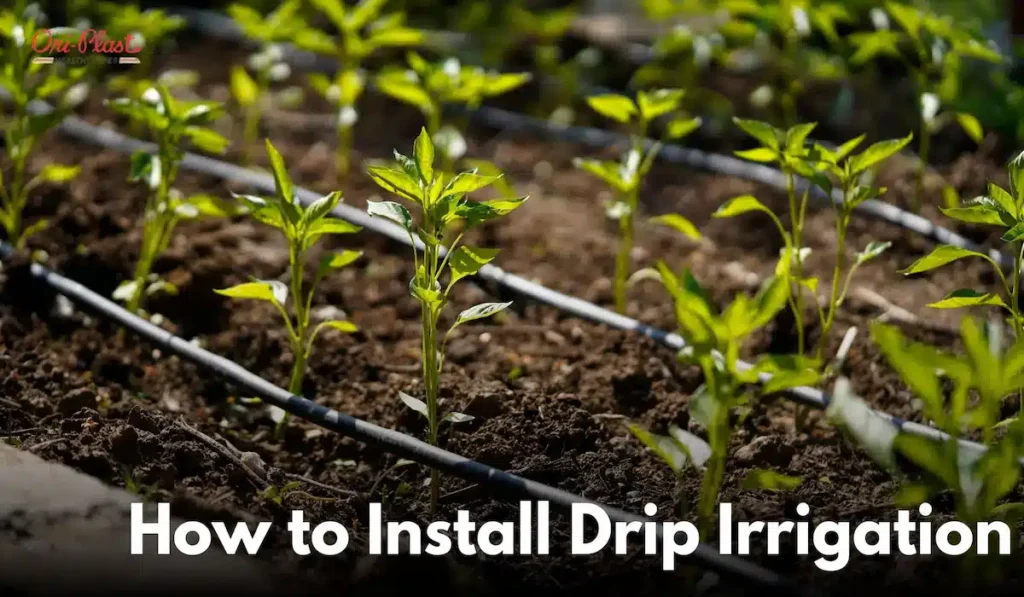
Step 2: Lay the Main Distribution Lines Soak the 1/2-inch tubing in the sun for a few minutes to make it flexible. Run the main lines along the longest parts of your planting beds and secure them with stakes every few feet. Use tees and elbows for clean turns and branches. Keep runs as straight as possible to maintain consistent pressure.
Step 3: Add Branch Lines and Emitters Use the hole punch to make openings in the mainline near each plant. Insert barbed connectors and run 1/4-inch tubing to individual plants or rows. Install emitters according to plant size and needs. For example, small flowers may need one 1 GPH emitter while a mature citrus tree benefits from several 2 GPH emitters placed around the drip line.
Place emitters slightly away from the main stem to encourage wider root growth. In vegetable gardens, inline drip tape often works better than individual emitters.
Step 4: Flush and Secure the System Remove end caps and flush the entire system to clear any debris. Install flush valves at the ends of each line. Stake all tubing securely. Cover the lines with 2-3 inches of mulch. Mulch not only hides the tubing but also reduces evaporation and protects it from UV damage.
Step 5: Test and Fine-Tune Run each zone for 20-30 minutes. Walk around and check for leaks, dry spots, or excessive pooling. Adjust emitter locations and timer settings during the first couple of weeks as you observe how your plants respond. In Palm Coast, early morning watering cycles usually give the best results.
Most homeowners complete a medium-sized installation over one or two weekends.
Common Mistakes to Avoid
From my experience in Flagler County, the biggest issues occur when people skip the pressure regulator or filter, which quickly leads to clogs or blown fittings. Spacing emitters too far apart creates dry zones in sandy soil. Not mulching properly causes tubing to degrade faster in the Florida sun. Overwatering new systems is also common — start conservatively and increase slowly.
Poor zoning (mixing very different plants on the same line) and using low-quality cheap parts are other frequent reasons systems fail early.
Maintenance Tips for Long-Term Performance
Regular care keeps your drip system working efficiently for many years. Clean the filter monthly. Flush the lines every few months. Check and adjust timer settings seasonally — more water during dry spring periods and less during rainy summer months. Replace worn emitters and batteries once a year.
Many of my clients in Palm Coast choose our maintenance service so they don’t have to worry about these tasks.
Cost and Return on Investment
A small DIY project can cost as little as $100–$300. Professional installation for an average backyard usually ranges from $800 to $2,500 depending on the number of zones and features like smart controls. The investment typically pays for itself within 1–3 years through lower water bills and healthier plants that need fewer replacements.
When Should You Hire a Professional in Palm Coast?
DIY is perfect for small beds and simple setups. However, for larger properties, multiple zones, sloped areas, or integration with existing sprinklers, professional installation ensures better design, code compliance, and long-term performance.
At Dreamscapes Florida, we create custom drip systems tailored to local soil, plants, and regulations. We serve Palm Coast, Flagler Beach, Bunnell, and surrounding communities. Many homeowners call us after struggling with DIY attempts that didn’t deliver expected results.
Transform Your Palm Coast Landscape Today
Installing a drip irrigation system is one of the smartest moves for water-conscious homeowners in our area. It delivers precision watering, promotes strong plant growth, and reduces daily maintenance in our challenging climate.
Whether you use this guide to complete a weekend DIY project or decide to work with experienced local experts, you will enjoy a more beautiful and sustainable yard. At Dreamscapes Florida, we have helped hundreds of Palm Coast families achieve thriving gardens with efficient irrigation.
Ready to get started? Call us at (386) 237-2983 or contact us for a free consultation and personalized quote.
Frequently Asked Questions
How deep do you bury drip irrigation lines?
Most installations keep lines on the surface and cover them with mulch. Shallow burial is only needed in high-traffic areas.
Does drip irrigation work with well water?
Yes, but a strong filter is essential due to higher sediment levels.
How often should I water in Palm Coast?
This varies by season and plant type. Smart timers with rain sensors make adjustments automatic and save the most water.
Can I convert my existing sprinkler system?
Yes. Many zones can be converted to drip for beds and shrubs while keeping sprinklers for lawns.