Loam soil stands as the gold standard for gardeners and landscapers worldwide—and for good reason. As a landscaping expert with Dreamscapes Florida in Palm Coast, I’ve transformed countless sandy yards into thriving, lush outdoor spaces by understanding and working with (or creating) quality loam-like conditions.
In this detailed guide, I’ll share exactly what loam soil is, why it matters in our Florida climate, real-world experiences from projects right here in Flagler County, and practical steps you can take to improve your own soil for healthier plants, lower maintenance, and stunning results.
Whether you’re a homeowner dreaming of a vibrant backyard oasis or a business owner wanting curb appeal that lasts, mastering loam soil can make the difference between struggling plants and a landscape that truly thrives in Palm Coast’s unique environment.
Understanding Loam Soil: The Perfect Balance
Loam soil is a balanced mixture of sand, silt, and clay particles, typically in proportions close to 40% sand, 40% silt, and 20% clay. This ideal ratio gives it the best qualities of each component without the major drawbacks.
- Sand provides excellent drainage and aeration, preventing waterlogging and allowing oxygen to reach plant roots.
- Silt contributes fine particles that hold moisture and nutrients effectively.
- Clay adds structure, nutrient retention, and mineral richness, though too much leads to compaction.
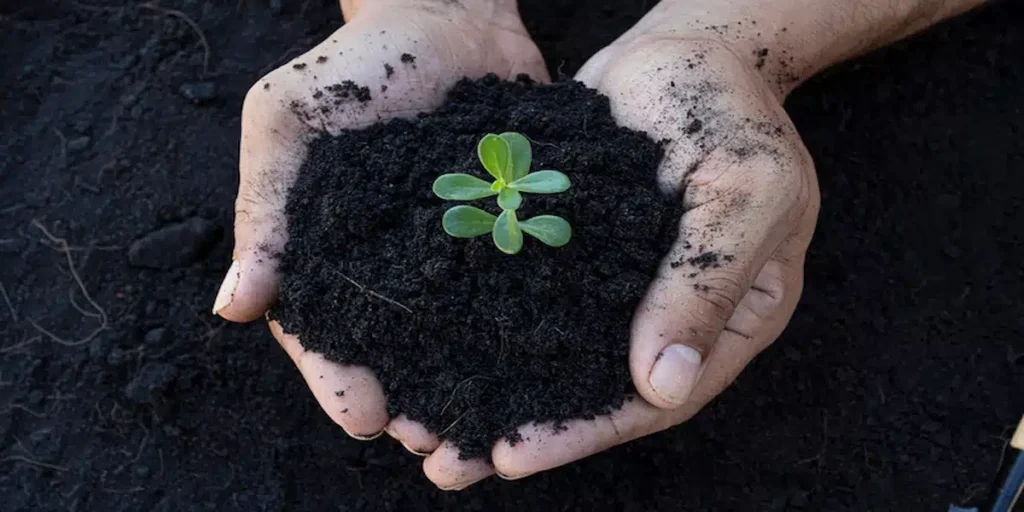
Real loam also includes organic matter (humus), which boosts fertility, improves structure, and supports beneficial microbes. The result is a crumbly, dark, workable soil that feels rich when you squeeze it—it holds together lightly but breaks apart easily, unlike heavy clay or loose sand.
In simple terms: Loam is the “just right” soil that most plants love. It drains well yet retains enough moisture and nutrients for strong root growth.
Why Loam Soil Is Ideal for Gardening and Landscaping
Loam earns its reputation as the best soil for most garden plants, lawns, trees, and shrubs because it offers:
- Superior drainage with moisture retention — Roots get water without drowning or drying out quickly.
- Excellent nutrient holding — Essential minerals like nitrogen, phosphorus, and potassium stay available longer.
- Great aeration and root development — Fast-spreading roots access nutrients efficiently.
- Workability — Easy to dig, till, and plant in; resists compaction better than clay.
- Drought resistance and erosion control — Balanced texture helps in variable weather.
- Versatility — Supports a wide range of plants, from vegetables and flowers to palms and ornamentals common in Florida.
In my years working on Palm Coast properties, clients with improved loam-based beds see faster establishment, fewer pest/disease issues, and dramatically lower watering needs compared to native sandy soils.
Loam Soil vs. Other Soil Types: A Quick Comparison
Florida, especially coastal areas like Palm Coast and Flagler County, predominantly features sandy soils. These drain too quickly, lose nutrients fast, and struggle with water and nutrient retention.
- Sandy soil: Drains fast, low nutrients — common here; needs heavy amendments.
- Clay soil: Holds water too long, compacts easily, poor aeration.
- Silty soil: Good nutrients but can compact and erode.
- Loam: The balanced winner.
Many local soils are Spodosols—acidic, sandy forest soils. Amending toward loam is key for success.
Real Experience: Transforming Palm Coast Yards with Loam Principles
At Dreamscapes Florida, we’ve handled hundreds of projects since 2015 across Palm Coast, Flagler Beach, and surrounding areas. One memorable residential job involved a new build with pure beach-like sand. Plants were struggling, lawns patchy, and the owner frustrated with high water bills.
Our approach:
- Conducted soil tests (highly recommended—UF/IFAS or local labs).
- Incorporated quality topsoil, compost, and organic matter to build loam-like structure.
- Added mulch layers and installed efficient irrigation.
- Chose Florida-friendly plants suited to the amended conditions.
Results: Within one season, the lawn thickened beautifully, flower beds exploded with color, and maintenance dropped. The client now enjoys a low-water, high-impact landscape that boosts property value. We’ve seen similar successes in commercial properties—better curb appeal, happier tenants, and reduced long-term costs.
Another project near the Intracoastal involved heavy clay pockets mixed with sand. By balancing with silt-rich amendments and organic matter, we created stable, fertile zones for palms and tropicals that have thrived through storms and dry spells.
These aren’t one-off wins—consistent soil building is the foundation of every beautiful landscape we deliver.
Benefits of Loam Soil Specifically for Palm Coast, Florida Gardens
Palm Coast’s subtropical climate brings heat, humidity, heavy rains, and occasional droughts. Loam (or amended soil approaching it) excels here:
- Hurricane & storm resilience — Better structure reduces erosion and root damage.
- Water efficiency — Critical with Florida watering restrictions; loam reduces irrigation needs.
- Nutrient management — Sandy native soils leach fertilizers quickly; loam holds them better, supporting eco-friendly practices.
- Year-round gardening — Supports strong growth for Florida-friendly plants like hibiscus, ixora, palms, vegetables, and turfgrasses (St. Augustine, Zoysia).
- Pest & disease resistance — Healthier plants from optimal roots and microbes.
Local gardeners who build loam report bigger yields in veggie gardens and more vibrant ornamentals with less effort.
How to Test If Your Soil Is Loam (DIY & Professional Methods)
Jar test (simple at-home):
1. Fill a clear jar 1/3 with soil.
2. Add water, shake vigorously, let settle for hours/days.
3. Sand settles first (bottom), then silt, then clay on top. Measure layers for percentages. Ideal loam ~40/40/20.
Feel test: Moist loam feels crumbly, slightly gritty, and forms a loose ball.
Professional testing: Send samples to UF/IFAS Extension Soil Testing Lab or use local services in Palm Coast. Tests reveal pH, nutrients, and recommendations—essential before major landscaping.
How to Create or Improve Loam Soil in Your Palm Coast Yard
You don’t need perfect native loam—we build it:
- Add organic matter generously — Compost, aged manure, leaf mold, pine bark fines. Aim for 20-30% by volume in beds.
- Incorporate topsoil or loam mixes — Source quality bulk materials locally.
- Mulch regularly — 2-4 inches of organic mulch (e.g., melaleuca, eucalyptus) that breaks down into humus.
- Use cover crops or green manures in garden areas.
- Avoid over-tilling — Preserve soil structure; no-dig methods work well long-term.
- Raised beds — Perfect for control in sandy or poor-drainage spots common here.
For lawns: Aerate, top-dress with compost, and overseed as needed.
Pro tip from Dreamscapes projects: Layer amendments and let biology do the work over time. Results compound beautifully in Florida’s warm climate.
Why Choose Professional Landscaping Help in Palm Coast?
Building ideal soil takes knowledge of local conditions, proper materials, and experience. At Dreamscapes Florida, we handle soil assessment, amendment, design, installation, and ongoing maintenance for residential and commercial properties. From sod installation to full landscape redesigns, we create sustainable, beautiful spaces tailored to Flagler County.
Ready to Transform Your Outdoor Space?
Understanding and optimizing loam soil is one of the smartest investments for your Palm Coast property. It leads to healthier plants, lower bills, and outdoor living you’ll love for years.
Contact Dreamscapes Florida today at (386) 237-2983 or fill out our online form for a free quote. Let our expert team assess your soil, design a custom plan, and build the landscape of your dreams—whether it’s a lush garden, low-maintenance yard, or stunning commercial property.
Share your soil story or questions in the comments—we love helping local gardeners succeed!
Dreamscapes Florida – Premier Landscaping & Maintenance in Palm Coast and Flagler County since 2015.
FAQs About Loam Soil in Palm Coast, Florida
What exactly makes loam soil different from regular garden soil?
Loam soil has an ideal balance of sand, silt, and clay plus organic matter. Regular garden soil in Palm Coast is often mostly sand and lacks this balance, leading to poor nutrient and water retention.
Can I create loam soil if my yard is pure sand?
Yes. Through regular additions of compost, topsoil, and mulch over time, you can significantly improve sandy soil toward loam characteristics. It takes patience but delivers excellent results.
How often should I test my soil in Palm Coast?
I recommend testing at least once per year, ideally before the main growing season. This helps adjust pH and nutrients specific to Florida conditions.
Is loam soil good for Florida lawns like St. Augustine?
Absolutely. Loam-like soil helps St. Augustine grass develop deeper roots, thicker coverage, and better drought tolerance compared to untreated sandy soil.
Does loam soil reduce watering needs in our hot climate?
Yes. The superior moisture retention means you can water less frequently while keeping plants healthy, which helps with local restrictions and lowers utility bills.
What is the best way to add organic matter for loam improvement?
Use well-composted materials such as manure, leaf mold, and commercial compost. Apply them as a top dressing and let nature incorporate them gradually. Mulch on top accelerates the process.
Will building loam soil help during hurricane season?
It does. Better soil structure improves root anchorage and reduces erosion, helping plants and lawns recover faster after storms.
How much does professional soil amendment cost in Palm Coast?
Costs vary by yard size and scope, but investing in proper soil work upfront saves money on water, fertilizers, and plant replacement over time. Contact us for a free customized quote.
Can raised beds help achieve loam conditions faster?
Raised beds are one of the quickest ways to control soil quality. We often fill them with a balanced loam mix for immediate results in vegetable gardens and flower beds.
When should I call a professional landscaper for soil issues?
If you have persistent problems with poor drainage, patchy lawns, or struggling plants despite amendments, our team can assess the site and provide efficient, long-lasting solutions.