Walk down any street in Palm Coast in July and you’ll spot the same problem over and over. Somebody spent a weekend spreading fresh mulch, and three weeks later half of it has washed into the grass. St. Augustine runners are creeping into the flower bed. The clean curve that looked so sharp in April is now a blurry mess. Plastic edging for landscaping fixes that, and it does the job for a fraction of what stone or concrete costs. It isn’t glamorous. It just works, as long as you buy the right kind and put it in correctly.
What Is Plastic Landscape Edging?
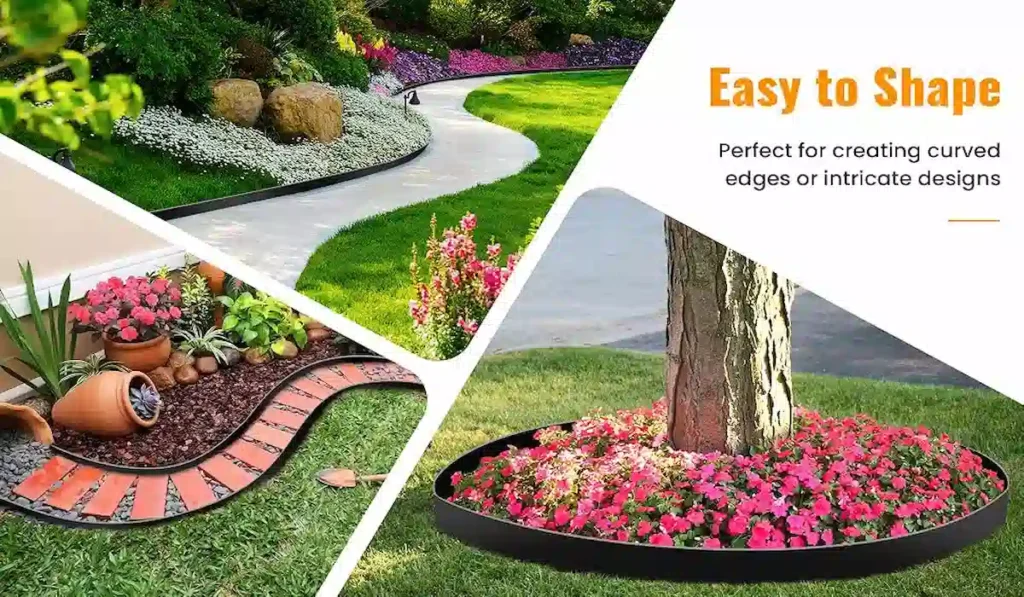
Plastic landscape edging is a flexible strip of polyethylene or PVC that sits in a shallow trench between your beds and your lawn. Part of it stays below the soil line, part of it sits just above. That buried section is what stops grass roots from crossing over, and the small lip above ground holds mulch, gravel, or pine bark where you put it. Most rolls come in 20, 40, or 60-foot lengths, usually in black or brown, and they bend easily around curves. If you’ve been reading up on how edging keeps grass and weeds out of flower beds, this is the material that gets recommended most often for the money.
Why Plastic Edging Suits Florida Yards
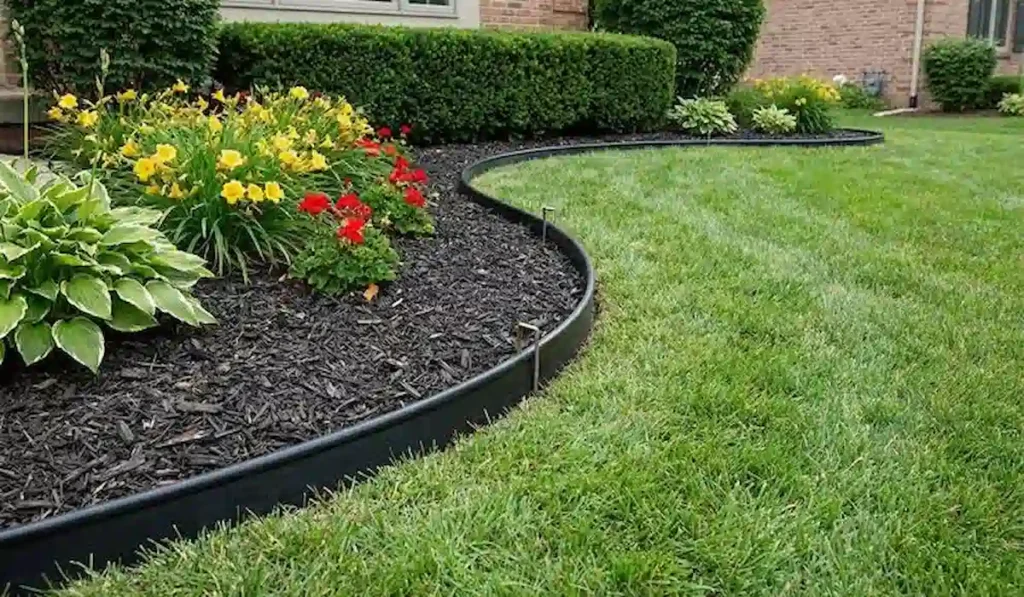
Our soil here in Flagler County is sandy, and sandy soil moves. Every heavy summer downpour pushes mulch downhill and out of the bed. A plastic border edging strip acts like a low dam and keeps that material in place. Plastic also handles our humidity better than wood, which rots within a couple of seasons in zone 9a and 9b. It won’t rust the way cheap steel does near the coast, and salt spray in Hammock Dunes or Flagler Beach doesn’t bother it at all. If storm runoff is already an issue on your property, pair the edging with the drainage steps in our guide on preparing your garden for heavy rain.
There’s one more practical reason homeowners here like it. Plastic lawn edging gives your mower and string trimmer a clean track to follow. You mow right up to the line instead of guessing, and edging day drops from an hour to about fifteen minutes.
Types of Plastic Edging for Landscaping
Not every product labeled “landscape edging” behaves the same way. These are the four styles you’ll actually find at local suppliers and big box stores.
Coiled Roll Edging
The classic option. A long strip with a rounded top bead, sold in a coil. You dig a trench, drop it in, and anchor it with spikes. It’s the cheapest choice and the best one for long, flowing bed lines around a front yard. Thickness matters here more than anything else, and I’ll come back to that.
Pound-In (No-Dig) Edging
These come as interlocking sections with a spike already built into the bottom. You line them up and drive them down with a rubber mallet. No trenching required. Homeowners love how fast it goes in, though in compacted or shell-heavy soil the spikes can bend. It works well for small projects like ringing a palm or defining a single bed near the patio.
Paver Restraint Edging
This is a heavier L-shaped plastic profile made to lock brick and paver borders in place. It goes under the pavers, not next to them, and gets pinned with 10-inch spikes. Anyone finishing a patio should look at how the surrounding beds tie in, which we cover in our post on landscaping around a paver patio.
Decorative Scalloped and Log-Style Edging
Molded plastic panels made to look like little logs, bricks, or a scalloped fence. They add a cottage feel and go in fast, but they don’t block grass roots as well as a deep flat strip. Treat them as decoration, not as a real barrier.
Choosing the Right Thickness and Depth
Most complaints about plastic garden edging come down to one thing: the homeowner bought the thinnest roll on the shelf. Skip anything under 1/8 inch thick. Look for commercial-grade poly edging in the 1/8 to 3/16 inch range, at least 5 inches tall. Thin strips buckle in our summer heat, pop up out of the trench, and start looking wavy within a year. The heavier product costs maybe forty cents more per foot and lasts five times as long. Contractor-grade rolls with a solid top bead hold their shape best in full sun.
How to Install Plastic Edging Step by Step
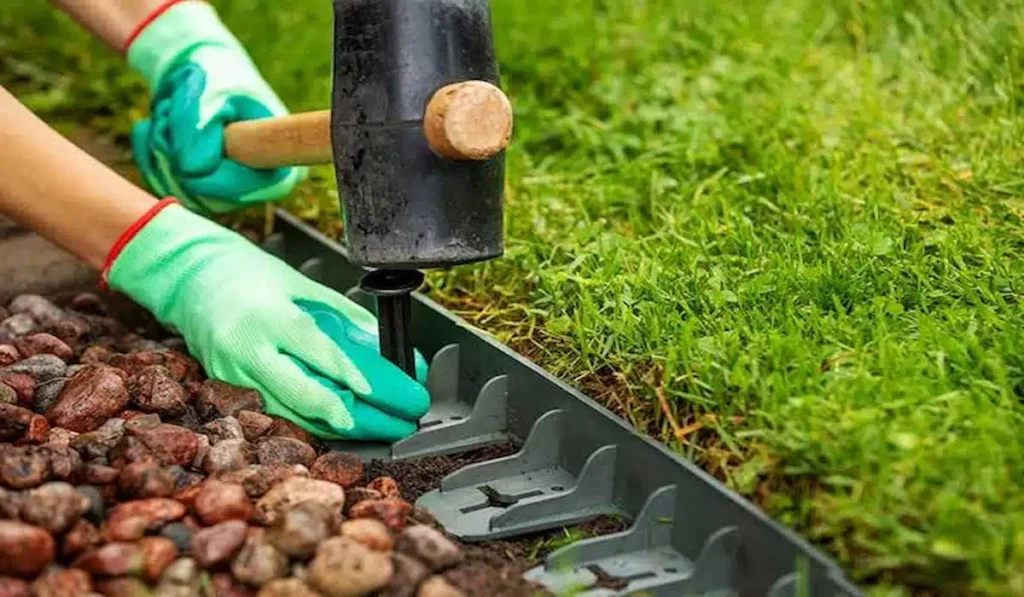
- Mark the line. Lay a garden hose along the shape you want and stand back to look at it from the street. Adjust until the curve reads well from the driveway.
- Cut the trench. Dig 4 to 5 inches deep with a flat spade, keeping one wall straight.
- Warm the roll. Leave it flat in the sun for an hour first. Warm plastic bends without fighting you.
- Set the strip. Drop it in with the top bead sitting about a half inch above grade. Too high and the mower catches it, too low and grass jumps right over.
- Spike it. Drive 10-inch galvanized or plastic anchor spikes every 3 to 4 feet, and closer than that on tight curves.
- Backfill and tamp. Press soil firmly against both sides, then water it in to settle any air pockets.
- Finish the bed. Add fabric if you’re using it, then mulch or rock. Our walkthrough on installing landscape fabric for weed control explains where fabric helps and where it causes problems.
A 60-foot run takes a fit person about three hours the first time. Half that on your second project.
What Plastic Edging Costs
Roll edging runs roughly $0.60 to $1.50 per linear foot for the material. No-dig sections land closer to $2 to $3.50 per foot. Add spikes and you’re still well under what you’d spend on steel, brick, or poured concrete curbing. For a typical Palm Coast front bed of 80 feet, figure $70 to $150 in materials for a DIY weekend. Professional installation adds labor but includes proper trenching and grade work, and our Palm Coast landscaping cost guide breaks down where edging fits in a full yard budget.
Plastic vs. Metal vs. Stone
Plastic wins on price, flexibility, and ease of installation. Metal wins on how clean the line looks and how long it lasts, and it’s the better pick for straight modern beds. Stone and concrete win on appearance and permanence, but cost several times more. If you’re weighing the first two, our comparison of metal landscape edging lays out the tradeoffs, and homeowners who want a warmer look sometimes go with landscape timber edging instead.
Mistakes That Ruin Plastic Edging
Frost heave isn’t our problem in Florida, but four other things are. Setting the strip too shallow lets Bermuda and St. Augustine runners dive underneath. Skipping spikes on curves lets the plastic slowly straighten itself out. Leaving the top edge riding two inches proud invites a trimmer line to shred it. And forgetting to overlap the ends by 4 to 6 inches at joints leaves a gap that weeds find within a month. Fix those four and the edging outlives the mulch by a decade.
Keeping It Looking Sharp
Once a year, walk the line and push down any section that has crept up. Re-drive loose spikes. Rinse the top bead with a hose to clear soil buildup. If a piece cracks, cut it out and splice in a new length rather than replacing the whole run. Beds hold their shape longer when the plants inside them are the right ones too, and our list of top plants for erosion control covers what to put behind the border on a sloped yard.
Ready for a Cleaner Bed Line?
Plastic edging is one of the cheapest upgrades that makes a whole yard look maintained. If you’d rather have it laid out, trenched, and spiked correctly the first time, Dreamscapes Florida installs bed edging across Palm Coast, Bunnell, Flagler Beach, Ormond Beach, and St. Augustine. Take a look at our landscaping services or call for a free estimate on your property.
Frequently Asked Questions
How long does plastic landscape edging last?
Contractor-grade poly edging lasts 10 to 15 years in Florida sun. Thin homeowner-grade rolls often fail in two or three.
How deep should plastic edging be buried?
Bury 4 to 5 inches, leaving about a half inch above the soil line.
Does plastic edging stop grass from spreading?
It stops runners very well and rhizomes reasonably well, as long as it’s buried deep enough and the grass isn’t allowed to grow over the top.
Can I install plastic edging around trees?
Yes, but leave the ring wide and never trench through major surface roots.
Is plastic edging better than no edging at all?
By a wide margin. Even a basic strip cuts mulch loss and trimming time noticeably.