Junipers are hardy, drought-tolerant evergreen shrubs and groundcovers that thrive in Florida’s sandy soil and intense sun, making them one of the most reliable landscaping plants for USDA zones 9a/9b. They require minimal watering once established, resist pests better than most ornamentals, and hold their color year-round — which is exactly why landscapers across Palm Coast, Flagler Beach, Ormond Beach, and Daytona Beach keep coming back to them.
If you’ve ever driven past a yard that looks sharp in every season without an obvious maintenance routine behind it, there’s a good chance junipers are doing a lot of that work. This guide covers everything you need to choose, plant, and care for junipers in a Florida landscape — plus how to use them in a design that actually looks intentional, not like filler.
Why Junipers Work So Well in Florida Landscapes
Florida yards face a specific set of challenges: sandy, fast-draining soil, long dry stretches between summer storms, intense UV exposure, and — for coastal properties — salt spray. Junipers check almost every box:
- Drought tolerance — Once established, most juniper varieties need very little supplemental water, making them ideal during Florida’s dry season and any water restriction periods.
- Heat and sun tolerance — Junipers handle full, direct Florida sun without scorching, unlike many shade-loving ornamentals.
- Pest and disease resistance — Compared to azaleas or hibiscus, junipers are far less prone to fungal issues in humid conditions, provided drainage is good.
- Low maintenance — Minimal pruning, no deadheading, and slow enough growth that they don’t demand constant shaping.
- Year-round structure — As an evergreen, junipers hold color and form through every season, giving your landscape a consistent backbone.
This combination makes junipers a favorite for homeowners searching for low-maintenance landscaping ideas that still look polished without weekly upkeep.
Best Juniper Varieties for Florida Yards
Not all junipers perform equally well in Florida’s climate. A few varieties consistently do best in zones 9a/9b:
Shore Juniper (Juniperus conferta) — A low, spreading groundcover variety that’s genuinely salt-tolerant, making it one of the better choices for properties near the coast in Flagler Beach or Ormond Beach.
Parson’s Juniper (Juniperus davurica ‘Parsonii’) — A mounding, wide-spreading variety useful for filling large bed areas without constant pruning.
Blue Pacific Juniper — Prized for its blue-green color and dense, mat-like spread, often used as a contrast plant against green foliage.
Hollywood Juniper (Juniperus chinensis ‘Torulosa’) — An upright, sculptural variety with twisted branches, often used as a specimen or focal-point plant rather than a groundcover.
If your property sits close to the Intracoastal or ocean, checking a full list of salt-tolerant plants for Florida before choosing your variety will save you from replacing plants that struggle with salt exposure.
How to Plant Junipers Correctly
Junipers are forgiving plants, but getting the planting process right sets them up for years of low-maintenance growth instead of early problems.
1. Check your drainage first. Junipers tolerate drought well but do not tolerate wet feet. Standing water around the root zone is the single most common cause of juniper decline in Florida landscapes. If your bed holds water after rain, amend the soil or choose a raised planting area.
2. Plant at the right depth. Set the root ball so the top is level with — or very slightly above — the surrounding soil grade. Planting too deep is a common mistake that leads to slow decline over one to two growing seasons.
3. Space for mature spread, not current size. Groundcover varieties like Shore Juniper can spread 6-8 feet wide at maturity. Planting too close together looks great in year one and becomes an overgrown, disease-prone mess by year three.
4. Water consistently for the first 60-90 days. Even drought-tolerant plants need regular watering during establishment. After that period, most junipers only need supplemental water during extended dry spells.
Using Junipers in Your Landscape Design
Junipers work in more roles than most homeowners realize:
- Groundcover — Spreading varieties fill large sunny beds and slopes where grass struggles or erosion is a concern.
- Foundation planting — Low, mounding varieties soften the base of a home without blocking windows or requiring frequent trimming.
- Erosion control — The dense root systems of spreading junipers help stabilize sloped or sandy areas.
- Privacy and structure — Upright varieties can be used as informal screening along property lines, a common request in our plants for privacy guide.
- Xeriscape anchor plant — Junipers are a staple in water-wise design; if you’re building a drought-tolerant yard from scratch, our xeriscaping guide with local expert tips covers how to pair them with other low-water plants.
For a cohesive look, avoid scattering single junipers throughout the yard. Instead, use them in repeated groupings — this ties back to the design principle of unity, where repeating 3-5 plant varieties throughout a landscape creates a finished, professional feel rather than a scattered collection of individual plants. Our principles of landscape design resource covers this in more depth if you’re planning a full yard layout.
Common Juniper Problems (And How to Avoid Them)
Browning or dieback in the center of the plant — Usually caused by poor air circulation from overcrowding, or root rot from standing water. Improve spacing and check drainage before assuming it’s a pest issue.
Slow, uneven growth — Often a sign of insufficient sunlight. Junipers need at least 6 hours of direct sun daily; part-shade planting leads to leggy, sparse growth.
Spider mites — The most common pest issue, particularly during hot, dry stretches. A strong water spray every few days during an active infestation is usually enough to control it without chemical treatment.
Fungal issues after heavy rain — Good drainage prevents most of this. If you notice recurring fungal problems, it’s worth having your bed’s grading checked rather than repeatedly treating symptoms.
Pairing Junipers with Other Low-Maintenance Plants
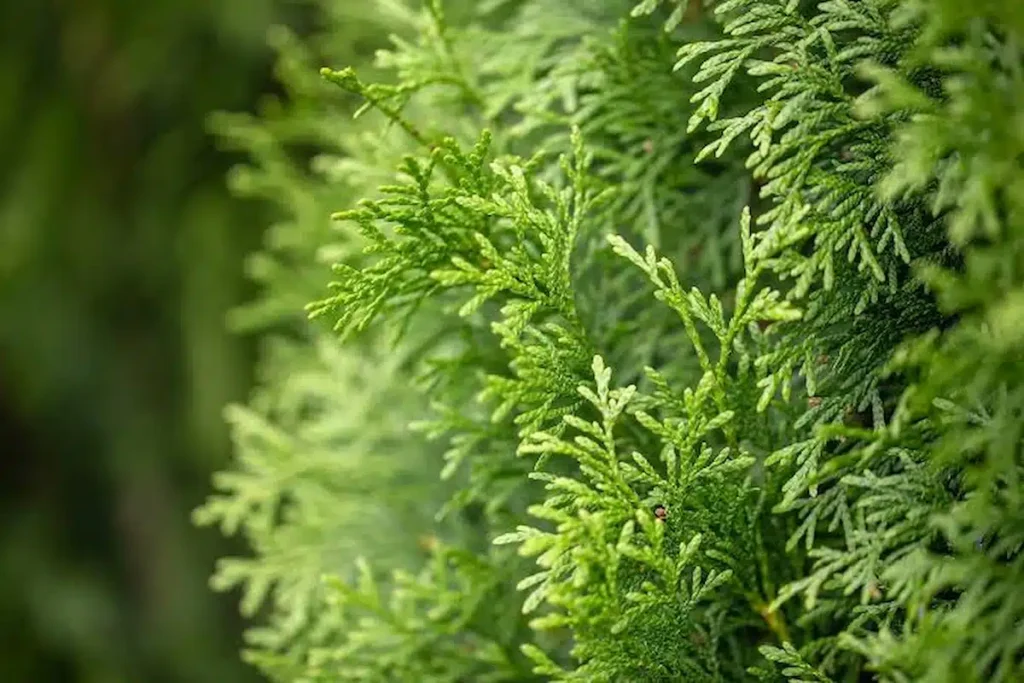
Junipers pair naturally with other drought-tolerant, structural plants rather than delicate flowering annuals that need constant water. Good companion choices include ornamental grasses, agave, and other spiky architectural plants — our guide to spiky plants in Florida landscapes covers several varieties that create striking texture contrast against juniper’s soft, needle-like foliage.
When to Call a Professional
Junipers are genuinely one of the most DIY-friendly plants for Florida landscaping — most homeowners can select, plant, and maintain them without professional help. That said, a few situations benefit from expert input:
- Large-scale erosion control on sloped properties
- Correcting drainage issues in beds where junipers are already declining
- Designing a full landscape layout where junipers are one part of a larger plan
If you’re planning a bigger project and want a professional eye on plant placement, drainage, or overall design, contact Dreamscapes Florida for a free consultation.
Frequently Asked Questions
Are junipers good for Florida landscaping?
Yes. Junipers are well-suited to Florida’s sandy soil, intense sun, and dry stretches, making them one of the most reliable low-maintenance evergreen choices for zones 9a/9b.
Do junipers need a lot of water?
No. Once established (typically 60-90 days after planting), most juniper varieties are highly drought-tolerant and only need supplemental water during extended dry periods.
Which juniper variety is best for coastal Florida properties?
Shore Juniper (Juniperus conferta) is one of the most salt-tolerant varieties and performs well on properties near the coast in Flagler Beach and Ormond Beach.
Why is my juniper turning brown in the middle?
This is usually caused by poor drainage, overcrowding, or root rot from standing water rather than a pest issue. Check spacing and drainage before treating for pests.
Can junipers be used as groundcover?
Yes. Spreading varieties like Shore Juniper and Parson’s Juniper are commonly used as groundcover, especially on slopes or in large sunny beds where erosion control is needed.
Thinking about adding junipers or other low-water plants to your Palm Coast, Flagler Beach, or Ormond Beach yard? Dreamscapes Florida offers free consultations to help you choose the right varieties and plan a low-maintenance layout that lasts for years.