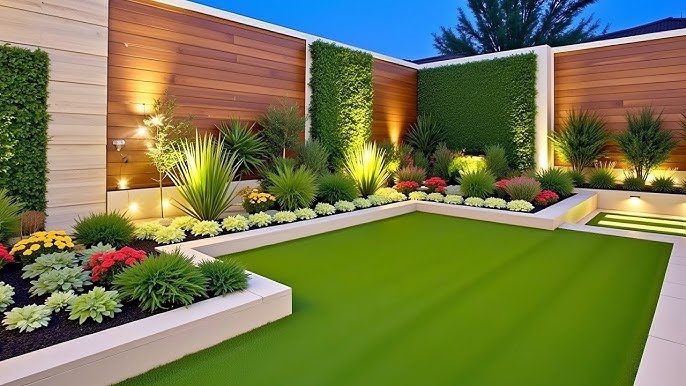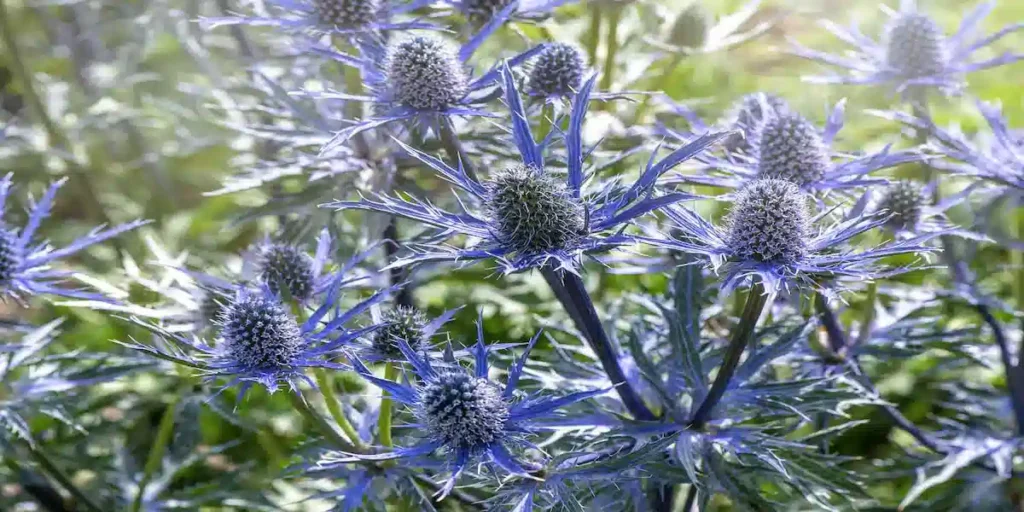
After 15+ years of hands-on landscaping in Palm Coast, Flagler County, and across Northeast Florida, I’ve watched countless homeowners wrestle with Florida’s intense sun, occasional droughts, and unpredictable rains. Most traditional gardens need weekly irrigation and constant trimming—until I introduced spiky plants into their landscapes.
These bold, architectural plants deliver instant wow-factor with sword-like leaves, radiating rosettes, and sculptural forms that turn boring turf into eye-catching focal points. They’re not just pretty; they’re Florida survivors—drought-tolerant, salt-resistant in coastal areas, and surprisingly easy once established. Homeowners here love them for front yard landscaping ideas that reduce water bills while boosting curb appeal and property value.
In this guide, I’ll share real experiences from client projects, the best spiky options for our climate, common mistakes to avoid, and practical maintenance tips. Whether you’re designing a tropical landscaping Florida space or a low-maintenance xeriscape, spiky plants in Florida will transform your yard.
Why Homeowners Choose Spiky Plants in Florida
Florida’s climate is perfect for spiky plants once you get the basics right. These plants thrive in full sun, poor soils, and with minimal irrigation after the first year. They’re low maintenance Florida plants that require no pesticides or heavy fertilizer—perfect for busy families and snowbird homeowners.
What really sells homeowners is the combination of beauty and practicality. A single agave or yucca can anchor an entire planting bed, reducing mowing and edging needs. They also support pollinators (butterflies and hummingbirds love their blooms) and add wildlife habitat without attracting pests.
In my Flagler County projects, clients who switched to spiky plants reported 30-50% less water use and healthier yards. One Palm Coast homeowner replaced her tired palms with a mix of yucca and ornamental grasses and saw dramatic improvement in soil stability and curb appeal within two seasons.
Best Spiky Plants for Florida Landscapes
After years of trial and error across Palm Coast properties, here are my top recommendations. These selections align with the Florida-Friendly Landscaping™ principles and perform reliably in our sandy, well-drained soils.
- Agave plants Florida: Architectural rosettes for instant drama
- Yucca plants Florida: Vertical spikes with creamy flowers
- Red Yucca: Colorful flower stalks and green foliage
- Aloe: Fleshy, curved leaves with pollinator-friendly blooms
- Dasylirion (Desert Spoon): Silver-gray radiating leaves
- Bromeliads: Colorful, low-growing spiky accents
- Ornamental Grasses Florida: Soft texture contrast and seasonal interest
These choices work beautifully in front yard landscaping Florida and xeriscape landscaping Florida designs.
Agave Plants Florida
My favorite architectural plant for Palm Coast yards. These succulent rosettes form a dramatic focal point and bloom once every 5–20 years (a spectacular event). Plant them in full sun with excellent drainage—they tolerate Florida’s heat and drought perfectly. In one Flagler County client’s entryway, an agave has stood for seven years with zero irrigation beyond rainfall.
Yucca Plants Florida
Tall, narrow leaves create a fiery silhouette. Yucca plants Florida love full sun and poor soil. They produce tall flower spikes in spring that attract bees. In my experience, they’re deer-resistant and need almost no pruning except removing dead leaves annually.
Red Yucca
A bold hybrid with green foliage and stunning red-orange flower stalks. It grows 4–6 feet tall and adds vibrant color that pops against blue skies. Perfect for tropical landscaping Florida beds or mass plantings.
Aloe
Succulent leaves curve gracefully with tiny teeth along the edges. Aloe thrives in Florida’s heat and stores water efficiently. Smaller varieties work great as ground cover; taller ones make striking accents. In coastal Palm Coast yards, they handle salt spray exceptionally well.
Dasylirion (Desert Spoon)
This overlooked gem features silvery-blue leaves edged with tiny teeth, forming a perfect spherical rosette. It’s extremely hardy, evergreen, and one of the toughest plants for Florida’s variable weather. I’ve used it in xeriscape landscaping Florida projects with outstanding results—clients love the sculptural look and minimal care.
Bromeliads
These tropical beauties add spiky texture and color year-round. They need bright light and occasional misting when new, but once established, they’re nearly drought-tolerant. Great for hanging baskets or low-growing front yard landscaping Florida accents.
Ornamental Grasses Florida
Think Muhly grass, Purple Fountain Grass, or Fakahatchee grass. Their feathery plumes sway in the breeze, creating soft contrast to spiky leaves. Native varieties are Florida-friendly and tolerate both flooding and drought.
Comparison Table
| Plant | Height/Spread | Water Needs | Sun Exposure | Key Features | Best For |
|---|---|---|---|---|---|
| Agave | 2–4 ft / 2–3 ft | Very Low | Full Sun | Sculptural rosettes, rare bloom | Focal points, xeriscape |
| Yucca | 6–12 ft / 2–4 ft | Low | Full Sun | Vertical spikes, white flowers | Vertical interest |
| Red Yucca | 4–6 ft / 3–5 ft | Low | Full Sun | Red flower stalks | Color contrast |
| Aloe | 1–4 ft / 1–3 ft | Low | Full Sun | Fleshy leaves, yellow/orange blooms | Low-growing accents |
| Dasylirion | 2–4 ft / 2–3 ft | Very Low | Full Sun | Silver rosettes, evergreen | Architectural drama |
| Bromeliads | 1–2 ft / 1–2 ft | Low-Medium | Full Sun | Colorful bracts | Tropical accents |
| Ornamental Grasses | 2–8 ft / 1–4 ft | Low | Full Sun | Feathery plumes, seasonal color | Soft texture contrast |
Pros and Cons
Pros:
- Extremely drought-tolerant once established
- Low maintenance—minimal pruning or watering
- Add structure and year-round interest
- Support pollinators and wildlife
- Reduce overall yard maintenance and water bills
Cons:
- Can be sharp if not sited carefully (wear gloves when trimming)
- Some varieties take 3–5 years to reach full size
- May require occasional removal of dead leaves
- Not ideal for heavy shade
Common Landscaping Mistakes to Avoid
I see the same errors again and again in Palm Coast yards. The biggest one: planting spiky plants too close to walkways or mailboxes. Another: ignoring soil preparation—most of these plants need excellent drainage. I’ve watched homeowners plant agave in heavy clay soil, only for it to rot and die.
Other mistakes include overwatering (they don’t like it) or skipping the “right plant, right place” principle from Florida-Friendly Landscaping. Always match the plant to your site’s light and soil.
Professional Tips From a Palm Coast Landscaping Expert
Here’s what I wish every homeowner knew after years of fixing other people’s yards:
- Plant in raised beds or amended soil for perfect drainage.
- Use organic mulch (like pine straw or crushed shell) to retain moisture without smothering roots.
- Group plants by water needs for better overall health.
- Choose native or Florida-Friendly varieties when possible.
- Budget for initial irrigation if the yard is new—many establish fast.
In one client project, we replaced invasive turf with a spiky plant design and saved the homeowner $2,000+ in annual water and mowing costs.
Best Locations to Use Spiky Plants
- Front yard landscaping Florida – As anchors or borders
- Entryways and driveways – Safety and curb appeal
- Xeriscape landscapes Florida – Drought-prone zones
- Tropical landscaping Florida – Against palm trees for contrast
- Property lines – Natural barriers (place carefully for safety)
In Palm Coast’s coastal areas, pair them with salt-tolerant natives for year-round drama.
Maintenance Guide
- Watering: Deep and infrequent after year one.
- Pruning: Remove dead leaves only; use sharp shears.
- Fertilizer: None needed once established.
- Pests: Rarely an issue; monitor for spider mites in very dry periods.
- Mulching: Refresh annually.
Cost Considerations
Spiky plants are surprisingly affordable. Expect $15–40 per plant for quality specimens, plus $200–500 for installation (including soil prep and mulch). A full front-yard transformation with 10–12 plants typically costs $2,500–$5,000—often with a 5–7 year payback through reduced water and maintenance.
Local Palm Coast nurseries and Dreamscapes Florida can source the best specimens.
Florida Climate Considerations
Florida’s heat, humidity, and occasional freezes (especially in North Florida) test these plants. Most succeed because they’re adapted to extreme conditions. In heavy rain years, ensure drainage to prevent root rot. In drier winters, they go dormant beautifully.
Transform Your Palm Coast Landscape with Spiky Plants
Spiky plants in Florida aren’t just tough—they’re the secret to beautiful, low-maintenance yards that homeowners rave about year after year. From the dramatic rosettes of agave to the vertical drama of yucca plants Florida these selections deliver structure, color & resilience that traditional gardens simply can’t match.
Ready to upgrade your property with expert landscaping ideas Palm Coast that actually work in our climate? Contact Dreamscapes Florida today for a free consultation, professional landscape design, and installation tailored to your Palm Coast yard. Let’s create a landscape you’ll love for years to come!
Frequently Asked Questions
Are spiky plants in Florida safe around kids and pets?
Yes, when placed thoughtfully—keep them 2–3 feet from walkways and mailboxes. Many homeowners use them successfully with pet-friendly designs.
How long does it take for spiky plants to establish in Florida?
2–3 years for full size, but they’re vigorous from the start and need little care after year one.
Do yucca plants Florida need to be watered every day?
No—once established, they’re very drought-tolerant. Overwatering is the main killer.
Can I use agave plants Florida in small yards?
Absolutely—dwarf varieties stay compact and work great in containers or tight spaces.
Are ornamental grasses Florida deer-resistant?
Many are; they’re not a favorite food source once mature.
Do spiky plants attract snakes or insects?
No more than any other dense planting. Keep beds clean and they stay tidy.
How do I care for aloe in Florida?
Minimal care—bright light and occasional drought. Great for indoor-outdoor transition.
Are bromeliads spiky?
Yes—though low-growing, they add texture. Many varieties are Florida-Friendly.
Can I mix spiky plants in Florida with turf?
Yes! Use them as contrast elements for layered landscaping ideas Palm Coast.
Do these plants help with Florida-Friendly Landscaping?
Absolutely—many are native or drought-tolerant and support pollinators.