Pampas grass (Cortaderia selloana) is a fast-growing, drought-tolerant ornamental grass that thrives in full sun and well-drained soil — including Florida’s sandy soil, where it’s especially popular for its heat tolerance and dramatic plumes. Plant it in spring, water it regularly for the first season, then let it fend for itself.
Pampas grass has become a favourite in landscaping and garden design for good reason: tall, feathery plumes, a dramatic silhouette, and almost no maintenance once established. Whether you’re planting dwarf varieties in containers or full-size clumps as a natural privacy screen, this guide covers everything from planting to pruning to picking the right cultivar.
What Is Pampas Grass?
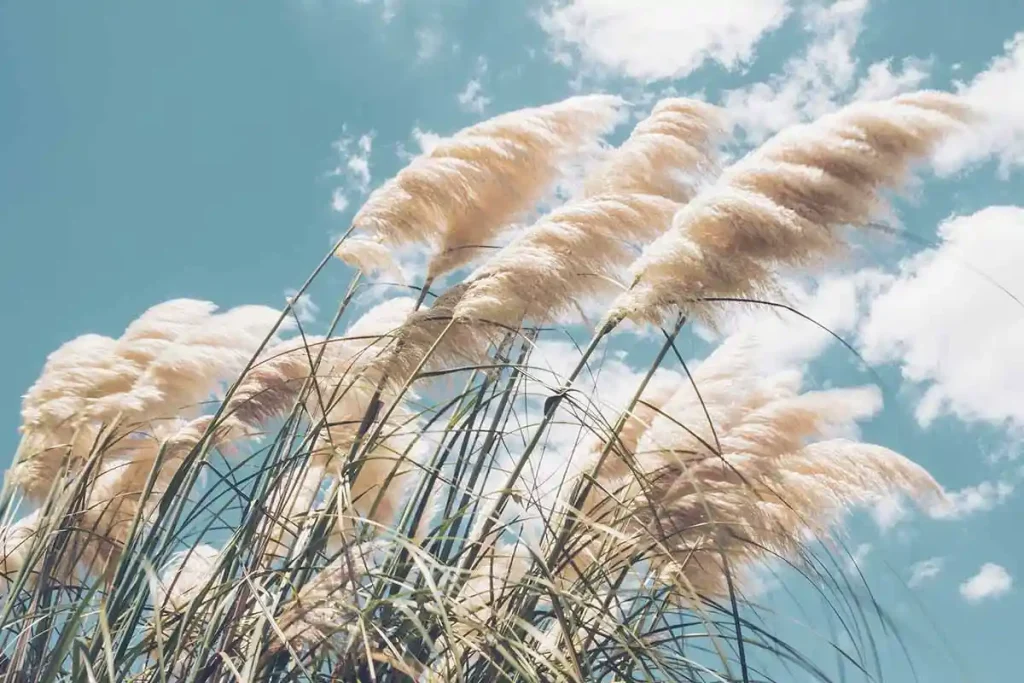
Pampas grass is a tall, flowering ornamental grass native to South America, known for soft, plume-like flowers in white, pink, gold, and purple. It grows in dense clumps and can reach up to ten feet tall depending on the variety. The botanical name Cortaderia selloana covers several species and cultivars, including white, pink, red, and dwarf forms.
When and Where to Plant Pampas Grass
Plant pampas grass in spring or early summer, once frost risk has passed. Choose a sunny spot with well-drained soil — the plant doesn’t perform well in soggy or compacted ground, so amending with compost or sand helps drainage. This is actually one reason pampas grass does so well in Central Florida yards: naturally sandy soil already drains fast, which is exactly what this plant wants.
Some varieties tolerate partial shade, but full sun produces noticeably fuller, more dramatic plumes. If you’re planning a broader drought-tolerant bed around it, our guide to spiky plants for hot, dry landscapes pairs well — agave, yucca, and pampas grass share nearly identical sun and drainage needs, making them easy to combine in one xeriscape design.
Caring for Pampas Grass Through the Seasons
- First season: Water regularly to establish deep roots.
- Established plants: Drought-tolerant, needing minimal irrigation — a big advantage during Florida’s dry spells.
- Spring: Fertilise once annually with a slow-release formula to boost foliage and plume production.
- Winter: In colder climates or during rare Florida cold snaps, mulch around the base of young plants to protect them. In warmer regions where it stays evergreen, growth simply slows until temperatures rise.
If you’re building out a low-water yard around your pampas grass, it’s worth reading our breakdown of 2026 landscaping trends, where xeriscaping and native, drought-tolerant plantings are the biggest shift homeowners are making.
Pruning Pampas Grass and Keeping It Tidy
Trim pampas grass annually in late winter or early spring, cutting foliage back to about twelve inches above the ground. This removes dead leaves and spent flower stalks, making room for new growth. Wear thick gloves — the leaf edges are sharp enough to cause real cuts.
Pampas grass is technically an ornamental grass, so the same general pruning principles apply as with other clumping grasses. Our detailed walkthrough on how and when to cut back ornamental grasses covers cutting heights by plant size, how to bundle stalks before cutting for easier cleanup, and why you should never cut evergreen varieties flush with the ground.
How Fast Does Pampas Grass Grow?
Pampas grass grows at a moderate to fast rate depending on climate and care, often adding several feet in a single season. Dwarf varieties grow more slowly and stay compact — ideal for pots, patios, or garden borders. Larger cultivars like Cortaderia selloana or Cortaderia selloana pumila can reach towering heights within two to three years.
Pampas Grass as a Decorative Element
Beyond landscaping, pampas grass plumes are hugely popular in interior decor and floral design. Once dried, the plumes hold their shape for months in vases and arrangements. Pink and rainbow-dyed varieties have become especially trendy for weddings, home decor, and statement wall backdrops.
Propagating Pampas Grass
In addition to seeds, pampas grass can be propagated by division. Dig up a mature clump and separate it into smaller sections, each with a healthy root system — this method matures faster than starting from seed and keeps genetic consistency. Divide in spring, right before the growing season begins.
Can Pampas Grass Grow in Shade?
Some varieties tolerate light shade, but pampas grass prefers full sun for the best flowering and foliage. Limited sunlight reduces plume size and fullness. For the fullest, most dramatic plumes, aim for at least six hours of direct sun daily.
Growing Pampas Grass in Pots
Dwarf pampas grass is an excellent container plant. Use a large, sturdy pot with good drainage and well-aerated soil, and place it in a sunny spot. Water regularly in hot weather but avoid letting soil stay waterlogged, and fertilise occasionally to replenish nutrients.
If you’re working with a smaller yard or patio, dwarf pampas grass fits right in alongside other compact choices in our guide to 10 best dwarf plants for small yards, including dwarf fountain grass and dwarf lavender, for a layered, low-maintenance look.
Common Issues and How to Avoid Them
Pampas grass is low-maintenance but can become invasive if left unmanaged — its seeds spread widely, so deadheading or choosing sterile cultivars is smart in sensitive areas. Overwatering or poor drainage is the other common problem, often leading to root rot. Regular trimming and space management keep it ornamental instead of overwhelming.
Winter Care and Hardiness Zones
Pampas grass is hardy across many climates but may need protection in areas with harsh winters. Mulching around the root zone insulates against cold. Mature plants typically survive winter unscathed; young or potted specimens may need extra attention. Palm Coast and most of Flagler County sit in USDA zone 9a/9b, where established pampas grass usually stays evergreen or semi-evergreen year-round — one more reason it performs so well locally.
Pampas Grass Growth Timeline
Growing from seed takes patience — full plumes may take up to two years to appear. Once established, though, the plant rewards you with a lush display every year. Regular pruning, proper fertilisation, and consistent sunlight all speed up growth and improve overall plant health.
Unique Varieties of Pampas Grass
- White Feather — a classic, neutral-toned choice
- Rosea Pink — vibrant pink plumes for a bolder statement
- Dwarf varieties — compact, container-friendly
- Dyed/colored plumes — enhanced for dried arrangements, especially in golds and purples
Whether planted in a border, as a hedge, or in a pot, these varieties add texture and structure to almost any garden style — including the clean-lined layouts covered in our guide to modern landscape design, where ornamental grasses are frequently used as a textural contrast to hardscape.
Frequently Asked Questions
How do you care for pampas grass?
Water regularly during the first growing season to establish roots, then reduce watering — established pampas grass is drought-tolerant. Fertilise once in spring with a slow-release formula, and trim back annually in late winter or early spring.
When should I cut back pampas grass?
Prune pampas grass once a year, in late winter or early spring, cutting foliage to about twelve inches above the ground before new growth begins.
Does pampas grass grow well in Florida?
Yes. Pampas grass is drought-tolerant and thrives in full sun and well-drained soil, which closely matches Florida’s sandy soil and hot climate. In Palm Coast and Flagler County (zone 9a/9b), it typically stays evergreen or semi-evergreen.
Is pampas grass invasive?
It can be. Its seeds spread easily in favourable conditions, so deadheading spent plumes or choosing sterile cultivars is recommended, especially near natural areas.
Can pampas grass grow in pots?
Yes — dwarf pampas grass varieties are well-suited to containers with good drainage and well-aerated soil, making them a good option for patios or small yards.
Ready to Add Pampas Grass to Your Landscape?
Pampas grass is one of the easiest ways to add height, texture, and drama to a Florida yard — but getting placement, soil prep, and companion planting right makes the difference between a showpiece and an overgrown corner. Dreamscapes Florida has helped Palm Coast and Flagler County homeowners plan and install landscapes like this since 2018.
Explore our landscape design services or get a free quote to plan a bed built around pampas grass and other Florida-friendly plantings.