As a landscaping and gardening expert based in Palm Coast, Florida, I’ve spent over a decade transforming sandy backyards into lush, thriving gardens. One question I hear constantly from homeowners here is: “What’s the best garden fertilizer for our Florida conditions?” The right garden fertilizer makes all the difference between struggling plants and a vibrant, productive outdoor space that boosts your property value and enjoyment.
In this comprehensive guide, I’ll share my real-world experiences applying garden fertilizer across Flagler County properties. You’ll learn exactly how to choose, apply, and manage fertilizers for optimal results in our unique coastal environment. Whether you’re growing vegetables, maintaining palms, or creating a beautiful ornamental garden, these insights come directly from hands-on projects I’ve led since 2015.
Why Garden Fertilizer Matters More in Palm Coast Than Almost Anywhere Else
Palm Coast’s soil is predominantly sandy with low organic matter and poor nutrient retention. Rainfall and coastal winds leach nutrients quickly, while intense summer heat stresses plants. Without proper garden fertilizer, even the hardiest Florida-friendly plants underperform.
I’ve seen this firsthand on dozens of residential properties near the Intracoastal Waterway and in newer subdivisions. One client in Palm Coast had beautiful new sod installed but watched it yellow within weeks. A simple soil test and targeted garden fertilizer program turned it around in a single season. Their lawn and garden now look magazine-worthy year-round.
Proper fertilization isn’t just about greener grass or bigger tomatoes. It builds stronger root systems that withstand drought, reduces pest problems, and creates ecosystems that support beneficial insects and microbes. For Florida gardeners, it’s one of the highest-ROI investments you can make in your landscape.
Understanding N-P-K and What Florida Gardens Actually Need
Every bag of garden fertilizer shows three numbers representing Nitrogen (N), Phosphorus (P), and Potassium (K). These are the primary macronutrients, but our local conditions demand a nuanced approach.
In Palm Coast and much of Flagler County, our soils naturally contain high phosphorus levels. Adding more through standard garden fertilizers can lead to runoff issues and isn’t necessary for most plants. University of Florida research and my own project data confirm this.
For general garden beds and landscapes, I recommend fertilizers with:
- Moderate to higher nitrogen for leafy growth
- Low or zero phosphorus
- Strong potassium for root strength, disease resistance, and drought tolerance
A popular choice for palms and many landscape plants around here is something in the 8-0-12 range with micronutrients. This provides the potassium palms crave while delivering iron, magnesium, and manganese to prevent common deficiencies that cause yellowing fronds.
For vegetable gardens, I often start with a balanced organic option and adjust based on specific crops. Tomatoes and peppers love potassium-rich garden fertilizer during fruiting, while leafy greens benefit from more nitrogen early on.
My Proven Garden Fertilizer Strategies That Deliver Results in Palm Coast
Over the years, I’ve refined approaches that work exceptionally well in our Zone 9b climate. Here’s what consistently produces the best outcomes for my clients.
Soil Testing – The Non-Negotiable First Step
Never apply garden fertilizer without knowing your soil’s current state. I’ve conducted or reviewed hundreds of tests in this area. Most Palm Coast soils show low organic matter, acidic to neutral pH, and deficiencies in nitrogen and several micronutrients.
You can get a basic test through the local extension office or use a reliable home kit for quick insights. For detailed recommendations, professional testing reveals exactly what your garden needs. One homeowner in Flagler Beach followed my soil-test-based plan and doubled their vegetable harvest the following year.
Choosing the Right Type of Garden Fertilizer
Organic Options I frequently recommend for edible gardens and eco-conscious clients include composted manure, fish emulsion, seaweed extracts, and blended products with bone meal or feather meal. These release nutrients slowly and improve soil structure over time – crucial in our sandy conditions.
Slow-Release Granular Fertilizers work excellently for landscape beds and palms. They provide steady feeding for months, reducing application frequency and burn risk during hot weather.
Liquid Fertilizers offer quick boosts for container gardens or plants showing stress. I use them as a supplement rather than the main program.
In my projects, a combination approach yields the best results: organic matter for soil building plus targeted garden fertilizer for immediate nutrition.
Timing Applications for Florida Success
Florida’s long growing season means multiple fertilizer windows. For Palm Coast gardens, I generally recommend:
- Early spring (March-April) for warm-season establishment
- Mid-summer for maintenance during peak growth
- Early fall for root development before cooler months
- Light winter applications for active tropicals and palms
Avoid fertilizing right before heavy rains to prevent nutrient runoff into our waterways. Florida has specific fertilizer ordinances in many counties, including black-out periods, so always check local rules.
One memorable project involved a large Palm Coast backyard with struggling citrus trees. We applied a properly timed potassium-rich garden fertilizer in spring, followed by organic top-dressing. By harvest time, the trees produced abundant, sweet fruit that the owners raved about.
Step-by-Step: How I Apply Garden Fertilizer on Real Projects
When Dreamscapes Florida teams handle a new landscaping or maintenance job, fertilizer application follows a consistent, proven process.
First, we prepare the area. For new garden beds, we incorporate compost or other organic amendments deeply into the soil. This creates a better foundation that holds garden fertilizer nutrients longer.
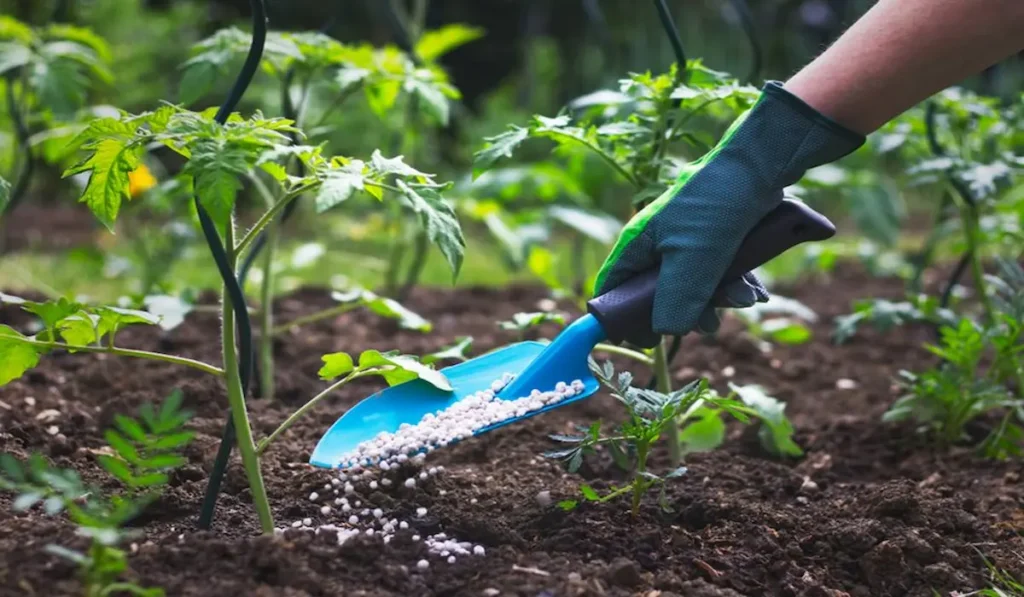
Next comes even distribution. For granular products, I teach clients to use a broadcast spreader or apply by hand carefully around plant bases, keeping granules off leaves and stems. Water thoroughly afterward to activate the nutrients and carry them to the root zone.
For liquid garden fertilizer, dilution rates matter tremendously. Too strong a mix burns roots quickly in our heat. I always recommend following label instructions and erring on the lighter side initially.
Mulching after application is another key step I insist on. A 2-3 inch layer of organic mulch conserves moisture, moderates soil temperature, and slowly adds nutrients as it breaks down. This combination has transformed many tired Palm Coast yards.
Common Garden Fertilizer Mistakes I See in Palm Coast (And How to Avoid Them)
Over the years, I’ve corrected many well-intentioned but problematic practices:
- Applying too much nitrogen, which produces lush foliage at the expense of flowers and fruit
- Using “all-purpose” national brand fertilizers without considering our high-phosphorus soils
- Fertilizing during extreme heat or drought stress
- Ignoring micronutrients, leading to persistent yellowing despite regular feeding
One client was frustrated with their palm trees developing “frizzle top.” A quick diagnosis pointed to manganese deficiency. Switching to a specialized palm garden fertilizer with proper micronutrients resolved it within weeks.
Another common issue is inconsistent application. Setting a schedule and sticking to it produces far better results than sporadic heavy feedings.
Vegetable Gardening with Garden Fertilizer in Coastal Florida
Growing vegetables successfully in Palm Coast requires understanding our challenges: intense sun, humidity, sandy soil, and pest pressure. Garden fertilizer plays a starring role here.
For raised beds – my strong recommendation for most homeowners – I suggest filling with a quality mix amended with compost. Then apply a vegetable-specific garden fertilizer at planting and side-dress as plants grow.
Tomatoes respond beautifully to consistent potassium. Peppers and eggplants thrive with balanced feeding. Leafy greens like kale and lettuce appreciate nitrogen boosts but resent wet feet in our rainy season.
In one community garden project I consulted on, proper garden fertilizer timing and selection increased overall yields by more than 60% compared to the previous year. The gardeners were amazed at the difference.
Palms, Tropicals, and Ornamental Gardens
Palms are iconic in Palm Coast landscapes but notoriously finicky without the right garden fertilizer. They need generous potassium and specific micronutrients that standard lawn products don’t provide.
I recommend palm-specialty formulas for these plants. Apply in a wide band around the base, extending to the dripline where feeder roots are active.
Hibiscus, ixora, croton, and other tropical ornamentals also perform best with regular, balanced garden fertilizer tailored to flowering and foliage plants. Consistent feeding produces those vibrant colors and abundant blooms that make Florida yards so beautiful.
Building Long-Term Soil Health Beyond Garden Fertilizer
While garden fertilizer provides immediate benefits, true success comes from improving the soil itself. I always advise clients to focus on both.
Regular additions of compost, aged manure, and cover crops build organic matter that holds nutrients and moisture. Earthworm castings and mycorrhizal inoculants enhance root efficiency. Over several seasons, these practices reduce the amount of supplemental garden fertilizer needed while producing superior results.
Many of my maintenance clients now have gardens that essentially “feed themselves” better because we’ve built such strong soil foundations over the years.
Sustainable and Environmentally Responsible Fertilization
Living in coastal Florida means we must be mindful of our impact on waterways and the aquifer. I help clients choose garden fertilizer practices that are both highly effective and environmentally sound.
Slow-release and organic options minimize runoff. Proper timing and application rates prevent excess nutrients from reaching the Intracoastal or Matanzas River. Buffer zones with native plants further protect sensitive areas.
Many clients appreciate this balanced approach that keeps their gardens thriving while supporting the beautiful natural environment that attracted them to Palm Coast in the first place.
When to Call in the Professionals
While many homeowners successfully manage their own garden fertilizer programs, there are times when professional expertise pays dividends. Large properties, complex plant collections, persistent problems, or simply lack of time are all good reasons to partner with experts.
At Dreamscapes Florida, we offer customized fertilization programs based on soil tests, plant types, and client goals. Our team handles everything from initial assessment to ongoing maintenance, freeing homeowners to simply enjoy their beautiful landscapes.
Start Your Garden Fertilizer Journey Today
The right garden fertilizer strategy can completely transform your Palm Coast property. From my experience across hundreds of local projects, success comes down to understanding our unique conditions, testing your soil, choosing appropriate products, and applying them thoughtfully.
Ready to create the garden or landscape you’ve always wanted? Whether you need guidance on selecting and using garden fertilizer or want a complete professional solution, Dreamscapes Florida is here to help. Contact us for a free consultation and let’s design a fertilization and maintenance plan tailored to your specific property and goals.
Your thriving Florida garden awaits. With the proper knowledge and garden fertilizer approach shared here, you’ll be amazed at what you can grow in Palm Coast.
Dreamscapes Florida provides expert landscaping and garden care services throughout Palm Coast, Flagler County, and surrounding areas. Call (386) 237-2983 or visit our site to schedule your consultation today.