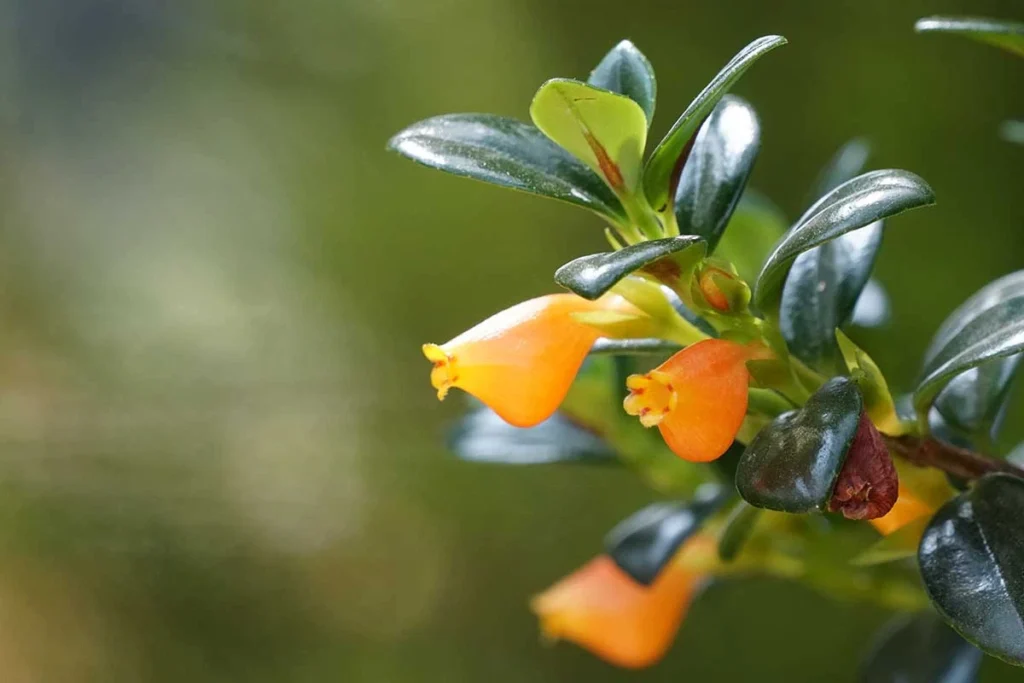
The first time someone sees a goldfish plant in full bloom, they usually do a double-take. The flowers really do look like tiny orange fish frozen mid-jump, poking out from thick green leaves. It is one of those plants that gets a reaction from guests before they even ask what it is.
Here in Palm Coast and across Flagler County, this plant is a favourite for hanging baskets on shaded lanais and covered porches. Our humidity is close to what it gets in the wild, which is a real head start. The catch is that the goldfish plant has a few firm opinions about light, water, and cold snaps. Get those three right and it will bloom for you on and off most of the year.
This guide walks through everything we tell homeowners when they ask about it.
What Is a Goldfish Plant?
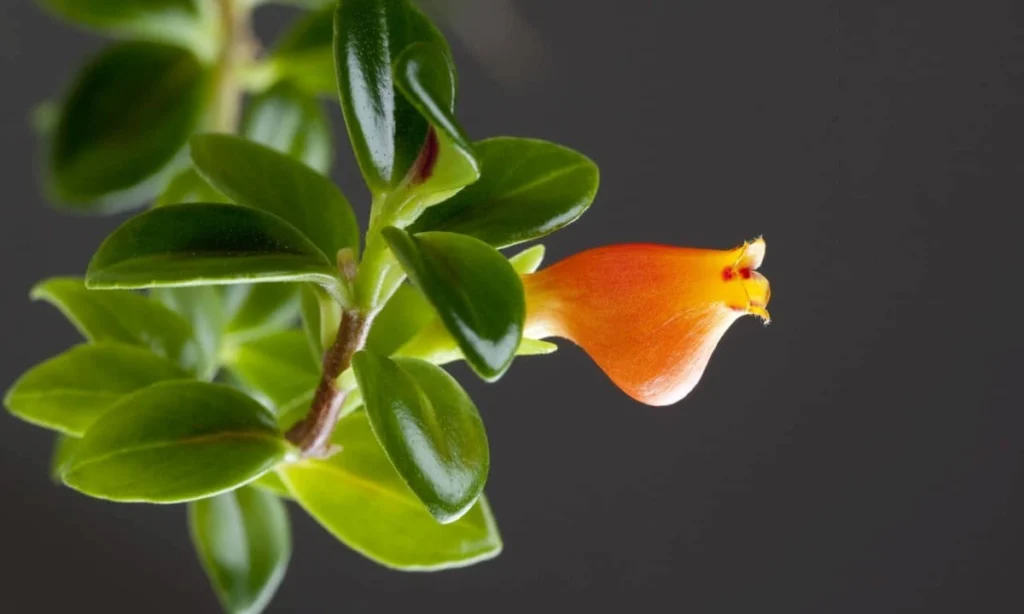
Goldfish plant is the common name for Nematanthus gregarius, a trailing tropical from the rainforests of Brazil. A close cousin, Columnea, gets sold under the same name, and the care is nearly identical, so do not worry if the tag says something slightly different.
In the wild it grows as an epiphyte, meaning it clings to tree branches instead of sitting in soil. That single fact explains most of its care needs. Roots that are used to open air and quick-draining bark do not want to sit in heavy, soggy potting mix. It belongs to the same plant family as African violets, which is why the leaves have that same slightly waxy, thick feel. If you enjoy keeping greenery indoors, it pairs nicely with the other houseplants for kitchen and garden spaces that do well in Florida homes.
Mature plants trail about 2 to 3 feet, with small dark green leaves packed tightly along the stems. The blooms are bright orange, sometimes red or yellow depending on the variety, and they appear in flushes rather than all at once.
Light: Bright, But Never Direct Afternoon Sun
Goldfish plant wants bright indirect light. Think of a spot near an east-facing window, or a few feet back from a south window with a sheer curtain in between. On a screened lanai, a shaded corner that still gets plenty of ambient brightness works well.
Direct Florida afternoon sun will scorch the leaves within days. You will see pale, bleached patches or crispy brown edges. On the other end, a dim corner keeps the plant alive but you will get all leaves and no flowers, which is the single most common complaint we hear. Most indoor plants that purify the air tolerate low light, but this one will not bloom without a bright spot.
A simple test: hold your hand about a foot above the plant at midday. If you see a soft shadow with fuzzy edges, the light is about right. A sharp, dark shadow means too much sun.
Soil and Potting
Use a light, airy mix. Standard bagged potting soil holds too much water for these roots. A blend that works well is roughly half quality potting mix, one quarter perlite, and one quarter fine orchid bark or coarse peat.
The goal is a mix that drains within seconds when you water it, but still holds a little moisture. If water pools on the surface for more than a moment, the mix is too dense. Our potting soil mix guide breaks down how to build a blend like this from scratch.
Pick a pot with drainage holes. No exceptions. Goldfish plant also flowers better when it is slightly root-bound, so resist the urge to move it into a huge container. Repot every two to three years, and only go up one pot size when you do.
Watering Without Killing It
Water when the top inch of soil feels dry to the touch. Pour slowly until water runs out the bottom, then let the pot drain completely. Never leave it sitting in a saucer full of water.
In our summer heat, a hanging basket on a porch might need water twice a week. In December and January, once every ten days may be plenty. Stick your finger in the soil instead of following a fixed schedule. Container plants dry out faster than anything in the ground, which is something anyone who has kept a balcony or small-space garden learns quickly.
One detail people miss: use room temperature water. Cold water straight from the hose shocks the roots and can cause sudden leaf drop. Let it sit in a watering can for an hour first.
Temperature and Humidity in Florida
Goldfish plant is happiest between 65°F and 80°F. It sulks below 55°F and can lose leaves fast if it gets caught in a cold snap.
That matters here. Palm Coast sits in USDA zones 9a and 9b, and we get a handful of nights each winter that dip into the 30s. Anything left outside will take damage. Move hanging baskets indoors or into a garage when the forecast drops below 50°F, and keep them away from heater vents once inside.
Humidity is the easy part. Our natural moisture in the air is close to ideal. If you run air conditioning hard through summer, indoor air can get dry, so a pebble tray under the pot or a small humidifier nearby helps. Skip heavy misting, since water sitting on the leaves overnight invites fungal spotting.
Feeding for More Blooms
Feed every two weeks from March through October with a balanced liquid fertiliser diluted to half strength. Switch to a formula higher in phosphorus, something like a 10-30-20, if you want to push flowering.
Cut back to once a month in November through February when growth slows. Overfeeding is a real risk with this plant, showing up as fast leggy growth and very few flowers. Whether you are feeding a hanging basket or a whole landscape bed, the same rule holds: less product more often beats a heavy dose all at once, a principle we cover in our garden fertiliser guide.
Flush the pot with plain water every couple of months to rinse out built-up salts.
Pruning and Keeping It Full
Goldfish plant blooms on new growth, so regular trimming is not optional if you want a plant covered in flowers. Pinch the tips of the stems whenever they get past 12 to 15 inches. This forces branching and gives you a fuller, rounder shape.
After a big flowering flush, cut the stems back by about a third. It looks harsh for a week or two, then the plant rebounds thicker than before. The same logic behind trimming plants for healthier, lusher growth applies to shrubs and trees in the yard.
Use clean, sharp scissors. Save the cuttings, because they root easily.
How to Propagate Goldfish Plant
Take a 4 to 6 inch stem cutting just below a leaf node. Strip the bottom two sets of leaves. Dip the cut end in rooting hormone if you have it, though it is not strictly needed.
Stick the cutting in damp perlite or a light potting mix, cover it loosely with a clear plastic bag to hold humidity, and set it somewhere bright but out of direct sun. Roots usually form in three to four weeks. Once you feel resistance when you tug gently, move it into a small pot.
Spring is the best time. Cuttings taken in winter root slowly and often rot before they take.
Common Problems and Quick Fixes
Leaves dropping suddenly. Almost always cold water, a cold draft, or a sudden temperature swing. Check where the pot sits.
No flowers. Nine times out of ten, not enough light. Move it brighter. The other possibility is a pot that is too large.
Yellow leaves. Overwatering. Let the soil dry out more between drinks and confirm the drainage holes are not blocked.
Brown crispy leaf tips. Dry air or fertiliser salt buildup. Flush the pot and raise humidity.
Sticky residue or fine webbing. Mealybugs or spider mites. Wipe leaves with a cloth dipped in diluted rubbing alcohol, then treat with insecticidal soap weekly until clear.
Growing Goldfish Plant Outdoors in Palm Coast
From roughly March through November, a goldfish plant thrives outside on a covered porch or under an oak canopy. Filtered light, warm nights, and natural humidity give you far more blooms than most people get indoors.
It works especially well in hanging baskets along a lanai edge, mixed with other outdoor plants for patios that thrive year-round. Keep it out of salt spray if you are close to the beach, since the leaves burn easily.
One nice bonus: hummingbirds love the tubular flowers. If you are already working on a pollinator-friendly garden, a goldfish plant near the seating area gives you a front-row seat.
A Final Word
Goldfish plant is not fussy once you stop treating it like a regular houseplant. Bright indirect light, a fast-draining mix, water only when the top inch dries, and protection from cold nights. That is the whole formula.
If you are planning a shaded courtyard, a covered lanai, or a planting bed that needs tropical color without constant upkeep, our team at Dreamscapes Florida can help you put it together. Take a look at our landscape design services or get in touch for a walkthrough of your property in Palm Coast, Bunnell, Flagler Beach, or Ormond Beach.
Frequently Asked Questions
Is goldfish plant safe for pets?
Yes. It is not listed as toxic to cats or dogs. Pets may still get an upset stomach from chewing leaves, so keep baskets hanging high.
Why is my goldfish plant leggy?
Long bare stems with leaves only at the tips mean low light, no pruning, or both. Move it to brighter light and pinch the stems back.
How often does a goldfish plant bloom?
In good conditions, it flowers in flushes several times a year, often heaviest in spring and again in late summer. Mature plants bloom more reliably than young ones.
Can I grow goldfish plant in water?
Cuttings will root in a jar of water, but the plant does not do well long-term in water alone. Move rooted cuttings into a well-draining mix.
How long does a goldfish plant live?
With regular pruning and repotting every two to three years, ten years or more is normal. Many people keep a plant going indefinitely by rooting fresh cuttings.
Does goldfish plant need a special pot?
Any pot with drainage works. Hanging baskets suit its trailing habit best, and terracotta helps if you tend to overwater.