If you’ve ever watched a healthy patch of grass turn yellow, then brown, then dead in the middle of a hot Florida summer, chinch bugs are usually the culprit. They are the single most damaging lawn insect in the state, and St. Augustine grass, the most common lawn type in Palm Coast and across Flagler County, happens to be their favorite meal. A lawn that looks perfectly fine on Monday can show a spreading dead patch by the weekend once these insects get established.
The tricky part is that chinch bug damage looks a lot like drought stress or a fungal disease at first glance. Homeowners often water more, which does nothing, or assume the lawn just needs fertilizer, which actually makes the problem worse. Knowing what you’re dealing with early is what saves the lawn. Here’s how to identify chinch bugs in Florida, understand why they show up, and stop them before they take over your yard.
What Are Chinch Bugs and Why They Target Florida Lawns
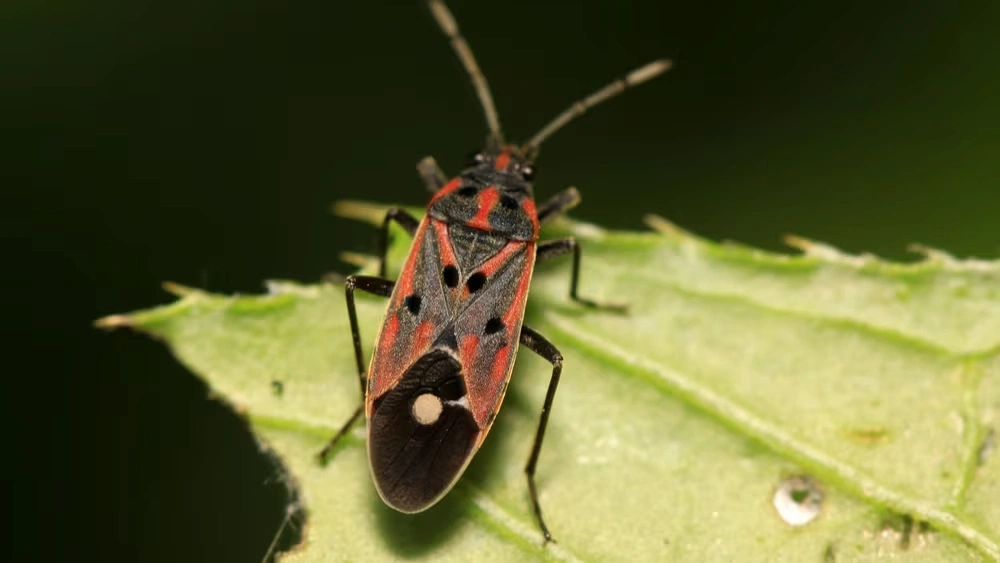
The southern chinch bug (Blissus insularis) is a tiny insect, rarely longer than a quarter inch, with a black body and white wings folded across its back, each marked with a small triangular black spot. Young chinch bugs, called nymphs, start out reddish-orange with a pale band across the body and darken as they grow over four to five weeks.
These insects feed by piercing grass blades and stems and sucking out the plant’s fluids while injecting a toxin that blocks water movement inside the grass. That combination is why chinch bug damage spreads so fast and why the grass can’t just recover on its own once it’s been fed on heavily. St. Augustine grass covers well over half of Florida’s residential lawns, which gives chinch bugs an enormous, uninterrupted food source from Flagler Beach to Bunnell and everywhere in between.
Signs of Chinch Bug Damage in Your Lawn
The first sign is usually a patch of grass that looks yellowish or tan instead of green, often in the sunniest, driest part of the yard, close to sidewalks, driveways, or the edge of the street where heat reflects off pavement. Left alone, that patch turns brown, then the grass dies completely, and the dead area keeps expanding outward as the insects move to fresh grass at the edges.
Unlike a lot of common lawn problems, chinch bug patches are irregular in shape rather than perfectly round, and they tend to grow larger by the week instead of staying the same size. If you’re already noticing bare or thinning spots and aren’t sure what’s behind them, our guide on how to fix dry patches on your lawn walks through the most common causes side by side, which can help narrow things down before you spend money on the wrong fix.
Chinch Bugs vs. Drought Stress and Lawn Disease
This is where most homeowners get stuck. Drought-stressed grass also turns brown, and so does grass with a fungal disease like brown patch. The good news is there’s a simple way to tell them apart. Fungal diseases usually create damage in fairly neat, circular rings. Drought stress tends to show up evenly across the whole lawn or in areas that consistently get less water, like spots your sprinkler heads miss.
Chinch bug damage doesn’t follow either pattern. It shows up in ragged, spreading patches that don’t correspond to your irrigation coverage, and it keeps getting worse even if you’ve been watering on schedule. If you’ve ruled out an irrigation gap and the dead patch is still growing, chinch bugs move to the top of the suspect list.
How to Confirm Chinch Bugs: The Float Test
Before treating anything, you want to actually see the insects, since guessing wrong wastes money and time. The float test, sometimes called the coffee-can test, is the method UF/IFAS recommends and it’s simple enough to do yourself.
Cut both ends off a coffee can, or use a short section of PVC pipe, and push it a couple of inches into the soil right where the dead grass meets the still-green grass. That border zone is where the live insects are actively feeding; the center of a badly damaged patch is often already empty because they’ve moved on. Fill the can with water and keep topping it off for five to ten minutes. If chinch bugs are present, you’ll see small black-and-white insects float to the surface and scramble around. Finding six or more in one sample is generally considered enough to confirm an infestation worth treating.
When Chinch Bugs Strike Hardest in Florida
Chinch bugs are most active and most destructive from June through September, which lines up exactly with Florida’s hottest, driest stretch of weather even with our regular afternoon storms. In warmer parts of the state, they can produce seven to ten generations a year, with each generation completing its life cycle in as little as six to eight weeks during peak heat. That fast turnover is why an infestation that looks minor in June can turn into a dead front yard by August if it isn’t caught early.
Populations tend to stay clustered in the same general area of a lawn rather than spreading evenly, which is part of why the damage shows up as patches instead of an all-over decline.
What Causes an Infestation to Spread
Chinch bugs don’t appear out of nowhere. They thrive in lawns that are already under stress, particularly heat-stressed or drought-stressed St. Augustine grass, thick thatch buildup that gives them shelter close to the soil, and grass that’s been mowed too short or over-fertilized with nitrogen, which pushes soft, tender growth they prefer to feed on. A thin, stressed lawn simply has less resilience to fight back once feeding starts.
It’s also worth ruling out other pests while you’re inspecting your yard, since more than one insect problem can hit a Florida lawn in the same season. If the damage looks more like sunken, spongy soil than dry, brown patches, it’s worth checking our article on how grubs damage lawns, since grub feeding on the root system produces a different but equally serious pattern of dieback.
How to Get Rid of Chinch Bugs in a Florida Lawn
Once you’ve confirmed chinch bugs with the float test, treatment generally combines two things: reducing the stress that’s making your lawn attractive to them, and applying a targeted insecticide labeled for chinch bug control on St. Augustine grass. Cultural fixes matter as much as the chemical treatment. That means correcting mowing height, easing off high-nitrogen fertilizer during an active infestation, and getting consistent, deep watering back on schedule so the grass can start recovering as the insects are knocked back.
Timing and application rates matter a lot here, and applying the wrong product or missing the actual feeding zone at the patch edges is one of the most common reasons treatment fails. If you’d rather have a local crew scout the lawn, confirm the infestation, and handle the whole process correctly the first time, our lawn maintenance services in Palm Coast cover exactly this kind of seasonal pest monitoring alongside regular mowing and lawn health care.
Preventing Chinch Bugs Long Term
Prevention comes down to keeping St. Augustine grass out of the drought-stressed, thin, or overgrown thatch conditions that chinch bugs favor in the first place. That includes mowing at the correct height for St. Augustine rather than scalping it, dethatching when buildup gets heavy, and avoiding the temptation to over-fertilize, especially heading into summer.
Watering correctly is one of the biggest factors, since chinch bugs cluster hardest in the driest, most heat-stressed sections of a lawn. If your irrigation system has uneven coverage or dry spots that never quite green up, it’s worth having it checked, and our irrigation services in Palm Coast can identify weak zones and get consistent coverage across the whole yard rather than just the areas closest to the sprinkler heads.
For a deeper look at how much water St. Augustine actually needs through a Florida summer, our guide on how much water a lawn really needs breaks down a realistic schedule instead of guessing.
When to Call a Local Lawn Care Professional
A small, freshly confirmed patch is often manageable with a properly timed treatment and some adjustments to mowing and watering. A lawn with multiple spreading patches, or one that’s already lost significant coverage, usually needs a faster, more coordinated response, since chinch bugs can move through a Flagler County summer quickly once conditions favor them.
If you’re anywhere in Palm Coast, Bunnell, Ormond Beach, or the surrounding area and want a second set of eyes on what’s happening in your yard, our team at Dreamscapes Florida handles everything from lawn diagnostics to full landscape care. You can see the full range of what we offer on our services page and reach out for a lawn assessment before the damage spreads any further.
Frequently Asked Questions
Adult southern chinch bugs are tiny, under a quarter inch long, with black bodies and white wings marked by a small triangular black spot. Young nymphs are reddish-orange with a pale band and darken as they mature.
What time of year are chinch bugs worst in Florida?
Chinch bug activity peaks from June through September, during the hottest and driest stretch of the year, when the insects can complete a full generation in as little as six to eight weeks.
Drought damage tends to spread evenly or match your irrigation gaps, while chinch bug damage forms irregular, spreading patches that keep growing even with consistent watering. A float test at the edge of a damaged patch is the most reliable way to confirm.
Yes, if left untreated. Because they feed in clusters and reproduce quickly during Florida summers, an infestation that starts as one small patch can expand across a large section of St. Augustine grass within a few weeks.
St. Augustine is by far their preferred host, though they can also affect zoysia grass. Lawns that are heat-stressed, thinly maintained, or carrying heavy thatch tend to see the worst infestations.