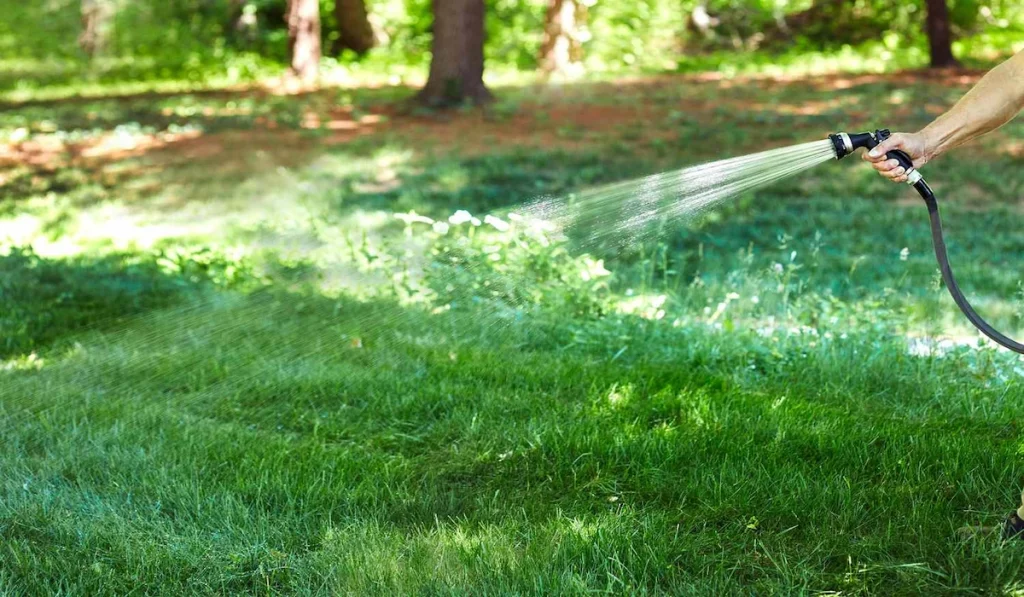
Keeping a lawn healthy, green, and strong depends heavily on proper watering. Many people either water too much or too little because they are unsure how much water a lawn actually needs. Both overwatering and underwatering can damage the grass and cause long-term problems such as weak roots, brown patches, and wasted water.
Understanding the right amount of water, the best time to water, and how to adjust watering with the weather can help your lawn stay beautiful all year. This guide explains everything in simple language so you can take care of your lawn with confidence.
Why Watering Your Lawn Correctly Matters
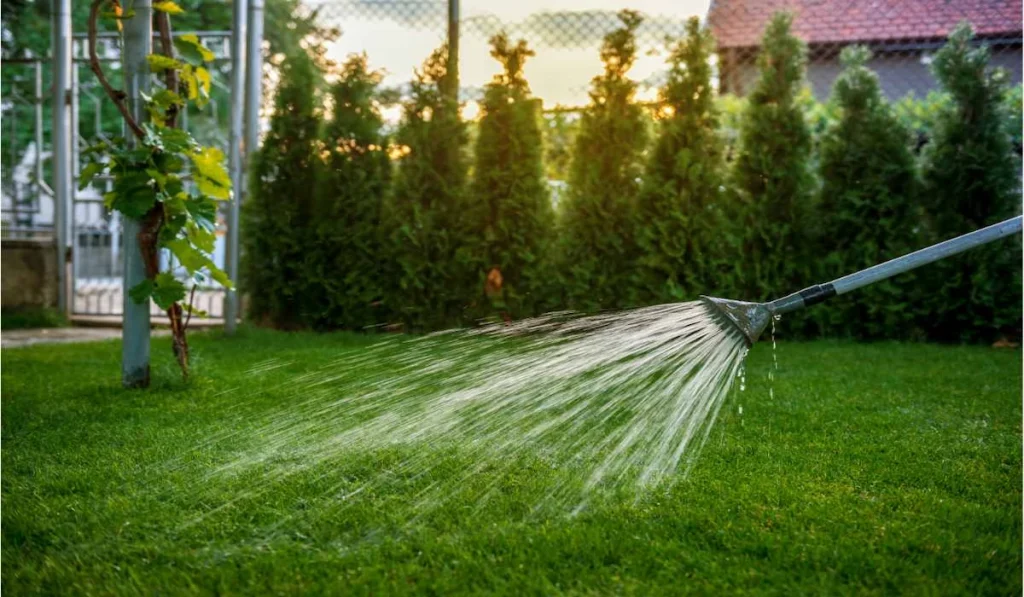
Water plays a significant role in keeping grass plants alive. When grass gets the right amount of water, roots grow deeper into the soil, helping the lawn stay strong even during hot or dry weather. Healthy grass also fights weeds and lawn diseases more easily because it becomes thick and dense.
On the other hand, improper watering leads to shallow roots, weak growth, and dry patches. Good watering habits ensure the lawn stays green, soft, and healthy while also saving water.
How Much Water Does a Lawn Need Each Week?
Most lawns need around 1 to 1.5 inches of water per week, including rainfall. This amount is enough to soak the soil to a depth of 6 to 8 inches, which supports deep, healthy root growth.
Whether the water comes from rain or sprinklers does not matter as long as the total amount stays within this range. If your area receives good rainfall during the week, you may not need to water at all. In dry weeks, you need to add water to reach the right level.
Warm-season and cool-season grasses have slightly different needs, but the 1-1.5-inch rule works well for almost every lawn. The goal is to water deeply but less often. Deep watering encourages roots to grow downward instead of staying near the surface.
How to Measure If Your Lawn Gets Enough Water
A simple way to check water levels is to use small containers, such as tuna cans or shallow cups. Place three to five containers around the lawn and run your sprinkler system. Once the containers hold about one inch of water, you know the lawn has received enough. This method works for both manual sprinklers and automatic irrigation systems. Measuring water ensures you are not guessing or wasting water.
Another way to measure water is to use a soil probe or a screwdriver. After watering, push it into the soil. If it goes down easily six to eight inches, the ground has enough moisture. If the soil feels stiff or dry, you need more water.
The Best Time of Day to Water a Lawn
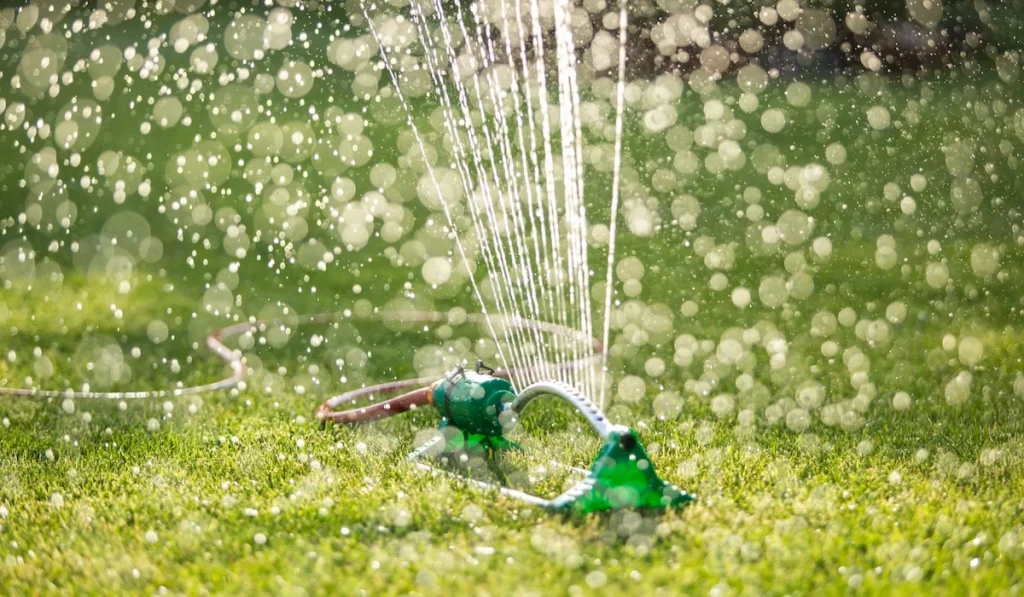
The best time to water your lawn is early in the morning, between 6 AM and 10 AM. During this time, temperatures are cooler, and the sun is not too intense, which helps the grass absorb more water. Morning watering reduces evaporation and allows grass blades to dry during the day, lowering the risk of lawn diseases.
Watering in the afternoon is not ideal because most of the water evaporates quickly. Watering at night may leave the lawn wet for too long, which can lead to fungal growth and harmful diseases. Morning watering is the safest and healthiest option.
How Weather Conditions Affect Lawn Watering
Weather plays a significant role in how often and how much you need to water. During hot or windy days, lawns lose moisture faster, so you may need to water more often. In cooler months, the soil stays moist longer, so watering can be reduced. Rainy days naturally water the lawn, reducing the need for sprinklers. Pay attention to weather changes to avoid overwatering and to save water.
Grass also goes dormant in some seasons, like winter or extreme heat. During dormancy, the lawn needs much less water. If the grass is brown but the blades are still flexible, the lawn is likely dormant, not dead.
How Soil Type Changes Water Needs
Different types of soil hold water differently, which changes how much water your lawn needs. Sandy soil drains very quickly, so it requires more frequent watering, though still in controlled amounts to avoid waste. Clay soil holds water for a long time, so you must water slowly to prevent puddles and runoff. Loam soil is the easiest to manage because it holds water well while still draining steadily.
Understanding your soil type helps you decide how long to run your sprinkler and how often to water. A soil test or simple observation can help you learn what your lawn sits on.
Signs Your Lawn Needs More Water
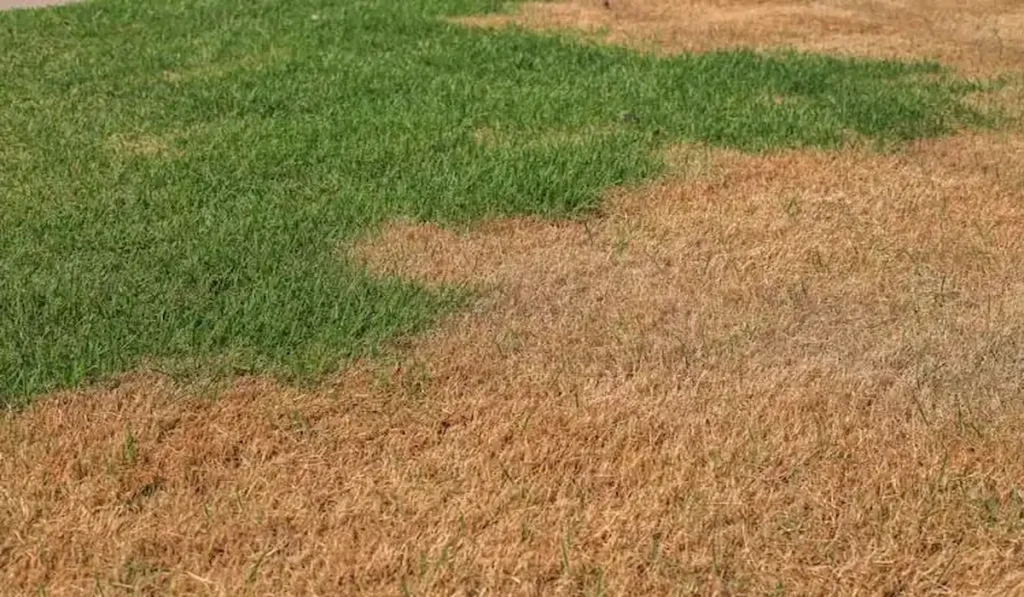
A lawn that needs more water will show signs you should not ignore. Grass blades may curl inward, look dull, or turn light green before they become brown. When you walk on the lawn, footprints may stay visible because the grass is too dry to spring back. These signs help you adjust watering before the lawn becomes damaged. Acting early can prevent drying and keep your grass healthy.
Signs You Are Overwatering Your Lawn
Too much water can harm your lawn just as much as too little. If the lawn feels soft or spongy under your feet, it may be overwatered. You may also notice mushrooms, yellowing grass, or increased weeds. Overwatering can suffocate roots because air cannot reach the soil properly. It also washes away essential nutrients. Reducing watering and improving drainage can quickly fix these issues.
Watering Methods for a Healthy Lawn
Different watering systems can help you manage lawn care more easily. Sprinklers are standard and work well for medium to large lawns. Soaker hoses and drip systems deliver water directly to the soil, reducing evaporation. Intelligent irrigation systems can adjust watering based on weather data, helping you save water without harming your lawn. Choose a method that matches your lawn size, soil type, and schedule.
Why Deep Watering Works Better Than Light Watering
Deep watering means watering long enough for moisture to reach the deeper soil layers. This method trains roots to grow downward, creating stronger grass that can survive heat and dry weather. Light watering only wets the surface, keeping roots shallow. This weakens the lawn and makes it more likely to turn brown. Deep watering once or twice a week is healthier than light watering every day.
Conclusion
A healthy lawn needs about 1 to 1.5 inches of water each week, and the best way to provide it is through deep, consistent watering. Paying attention to your soil, weather, and grass condition helps you fine-tune your watering routine. Morning watering, proper measurement, and avoiding extremes like overwatering or underwatering keep your lawn green, strong, and beautiful. When you understand how much water your lawn really needs, lawn care becomes simple, effective, and rewarding.