Palm trees are one of the best choices for landscaping if you want a beautiful and relaxing outdoor space. They give a tropical look, improve property value, and many types are very easy to maintain. In 2026, homeowners are choosing palm trees not just for beauty, but also for low maintenance and long-term growth.
In this guide, you will discover the 10 best palm trees for landscaping, along with simple care tips, best use cases, and how to choose the right one for your yard.
Why Palm Trees Are Ideal for Landscaping
Palm trees are not just about looks—they are also practical. One of the biggest reasons people choose palm trees is their ability to adapt to different environments. Many varieties can survive heat, drought, and poor soil conditions, which makes them easier to manage compared to other decorative plants.
Another advantage is their structure. Unlike dense trees, palms grow upward, which means they don’t block too much space. This makes them ideal for both small and large landscapes. In addition, palm trees create a sense of calm and luxury, which is why they are commonly used in resorts and modern homes.
How to Choose the Right Palm Tree for Your Yard
Before planting a palm tree, it’s important to understand your environment. Climate plays a major role. Some palm trees thrive in tropical heat, while others are specially adapted to survive colder temperatures. If you choose the wrong type, the tree may struggle to grow or require more maintenance than expected.
Space is another key factor. Tall palms like Mexican fan palms are great for large areas but can overwhelm a small yard. On the other hand, compact options like pygmy date palms are perfect for limited spaces and even work well near patios or walkways.
You should also think about maintenance. Some palms drop leaves frequently and require trimming, while others stay clean and need very little attention. Choosing a low-maintenance variety can save time and effort in the long run.
The 10 Best Palm Trees for Landscaping
Here are the best trees for your landscape:
1. Areca Palm – Best for Full, Lush Green Look
Areca palm is one of the most popular landscaping palms because of its dense, bushy growth. It creates a natural privacy screen and gives a rich, green appearance. This palm works especially well in small to medium-sized gardens where you want a full look without planting multiple trees. It requires moderate watering and grows well in warm climates, making it a beginner-friendly option.
2. Queen Palm – Elegant and Tall Statement Tree
Queen palm is known for its height and graceful appearance. It is often used in front yards or along driveways to create a premium look. While it grows relatively fast, it does require regular watering and occasional trimming. This palm is ideal if you want to create a strong visual impact with minimal planting.
3. Pygmy Date Palm – Perfect for Small Spaces
If you have limited space, the pygmy date palm is one of the best choices. It stays compact and can even be grown in large pots. Despite its small size, it adds a tropical feel to any area. It is also easy to maintain, which makes it suitable for beginners or busy homeowners.
4. Coconut Palm – True Tropical Experience
Coconut palms instantly create a beach-style environment. They are best suited for warm, coastal regions where temperatures remain high throughout the year. While they look stunning, they do require proper sunlight and space to grow. This palm is perfect if your goal is to create a vacation-like atmosphere at home.
5. Fan Palm – Unique and Decorative Shape
Fan palms stand out because of their wide, fan-shaped leaves. They are often used as focal points in landscaping designs. These palms are relatively easy to care for and can adapt to different conditions. Their unique appearance makes them a great addition to modern garden layouts.
6. Sago Palm – Low Maintenance and Durable
Although technically not a true palm, the sago palm is widely used in landscaping due to its strong structure and minimal care requirements. It grows slowly but lasts for many years without needing much attention. This makes it a perfect choice for homeowners who want a long-lasting plant without regular maintenance.
7. Foxtail Palm – Fast Growth and Soft Appearance
Foxtail palm is known for its fast growth and soft, feather-like leaves. It quickly fills empty spaces and gives a fresh, vibrant look to your yard. It does need regular watering in the early stages, but once established, it becomes easier to manage.
8. Bottle Palm – Eye-Catching Design
Bottle palm gets its name from its unique trunk shape, which resembles a bottle. This makes it a great decorative element in any landscape. It grows slowly and stays relatively small, making it suitable for decorative corners or entrance areas.
9. Mexican Fan Palm – Tall and Dramatic
This is one of the tallest palm trees used in landscaping. It is often seen along streets and in large gardens because of its height and dramatic appearance. It grows quickly and requires very little maintenance once established, making it ideal for large-scale landscaping projects.
10. Windmill Palm – Best for Cold Climates
Windmill palm is one of the few palm trees that can survive cold temperatures. It is a great choice for regions where winters are harsh. Despite its ability to handle cold weather, it still maintains a classic tropical look, making it a versatile option.
Types of Trees for Landscaping
There are several types of trees you can choose for your landscape, depending on your space, climate, and overall design goals. Palm trees are ideal if you want a tropical and modern look, while evergreen trees are perfect for year-round greenery and privacy. Deciduous trees add seasonal beauty by changing colors and shedding leaves, making your garden look dynamic throughout the year.
Flowering trees bring vibrant colors and enhance the visual appeal of any outdoor space, whereas fruit trees offer both beauty and practical benefits by producing fresh fruit. For larger areas, shade trees are a great option as they provide cooling and comfort during hot weather. On the other hand, small or dwarf trees are best suited for compact spaces, patios, or small yards where space is limited but style is still important.
Common Palm Tree Problems and How to Avoid Them
Even though palm trees are low maintenance, they can still face issues. Yellow leaves are often caused by improper watering, either too much or too little. Brown tips usually indicate dry soil or nutrient deficiency. Pest problems can also occur, but they are manageable with natural treatments like neem oil.
The key to healthy palm trees is consistent care. Proper watering, occasional fertilizing, and basic observation can prevent most problems.
Landscaping Ideas Using Palm Trees
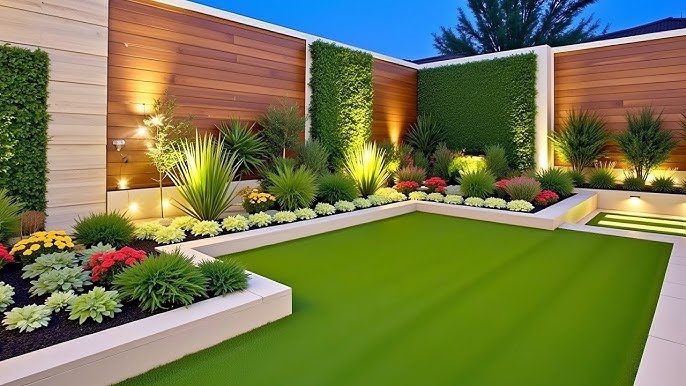
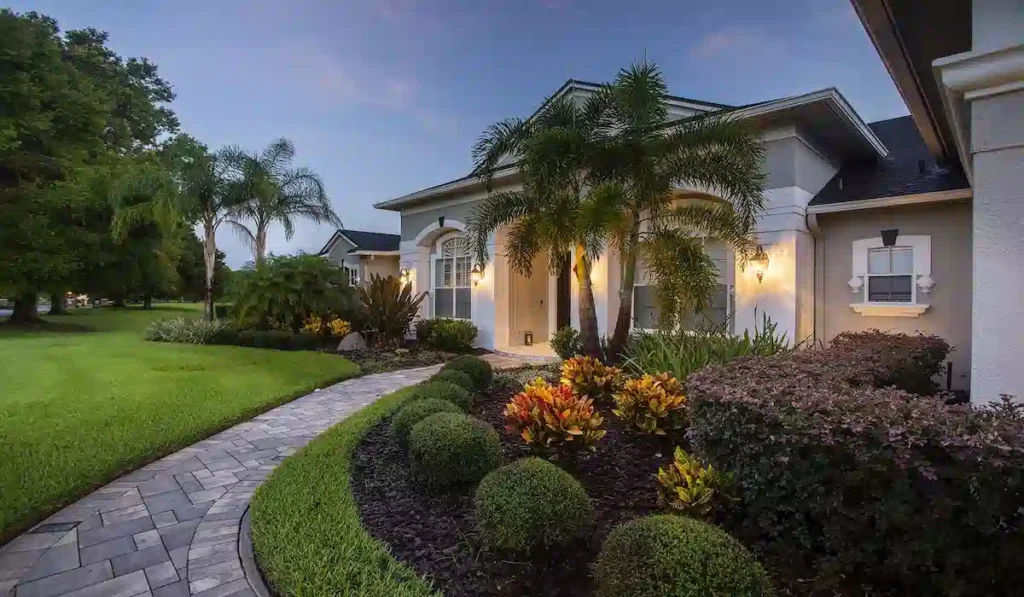
Palm trees can completely transform the look of your outdoor space. You can line them along pathways to create a clean and modern design. Tall palms can be placed in front yards to give a grand entrance feel. Mixing different sizes of palms can create depth and make your garden look professionally designed.
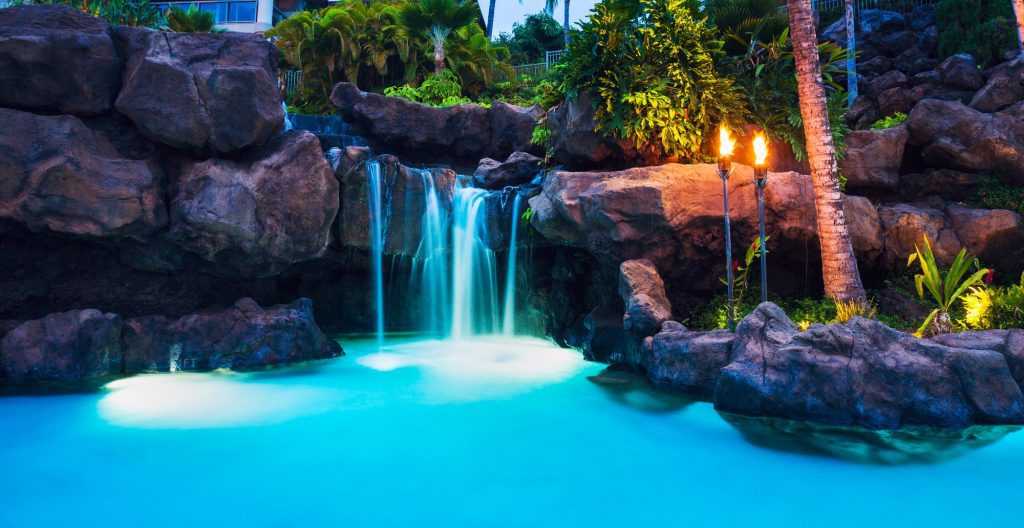
For a tropical theme, combining palm trees with stones, lighting, and water features can create a relaxing environment that feels like a resort.
Final Thoughts
Palm trees are one of the best investments you can make for your landscape in 2026. They are not only beautiful but also practical and easy to maintain. The key is to choose the right type based on your space, climate, and design goals. Whether you prefer a compact decorative palm or a tall statement tree, there is an option that fits your needs perfectly.
Frequently Asked Questions (FAQs)
What are the best palm trees for landscaping?
The best palm trees for landscaping include Areca Palm, Queen Palm, Pygmy Date Palm, and Windmill Palm. These trees are popular because they are easy to maintain, look beautiful, and work well in different climates.
Are palm trees low maintenance?
Yes, most palm trees are low maintenance compared to other landscape trees. Once they are properly planted, they only need occasional watering, sunlight, and basic care like trimming dry leaves.
Can palm trees grow in cold climates?
Some palm trees can survive cold weather. For example, the Windmill Palm is one of the most cold-hardy palm trees and can grow in lower temperatures compared to tropical palms.
How fast do palm trees grow?
Growth speed depends on the type of palm tree. Some like Foxtail Palm grow fast, while others like Sago Palm grow slowly. Climate, soil, and care also affect growth speed.
Which palm tree is best for small gardens?
Pygmy Date Palm and Areca Palm are best for small gardens because they do not grow too large and can easily fit in compact spaces.
How often should palm trees be watered?
Young palm trees need regular watering, usually 2–3 times a week. Mature palm trees need less water and can survive with occasional deep watering depending on the climate.
Do palm trees improve landscape value?
Yes, palm trees can increase property value because they improve the visual appeal of outdoor spaces and create a modern, tropical environment that buyers like.