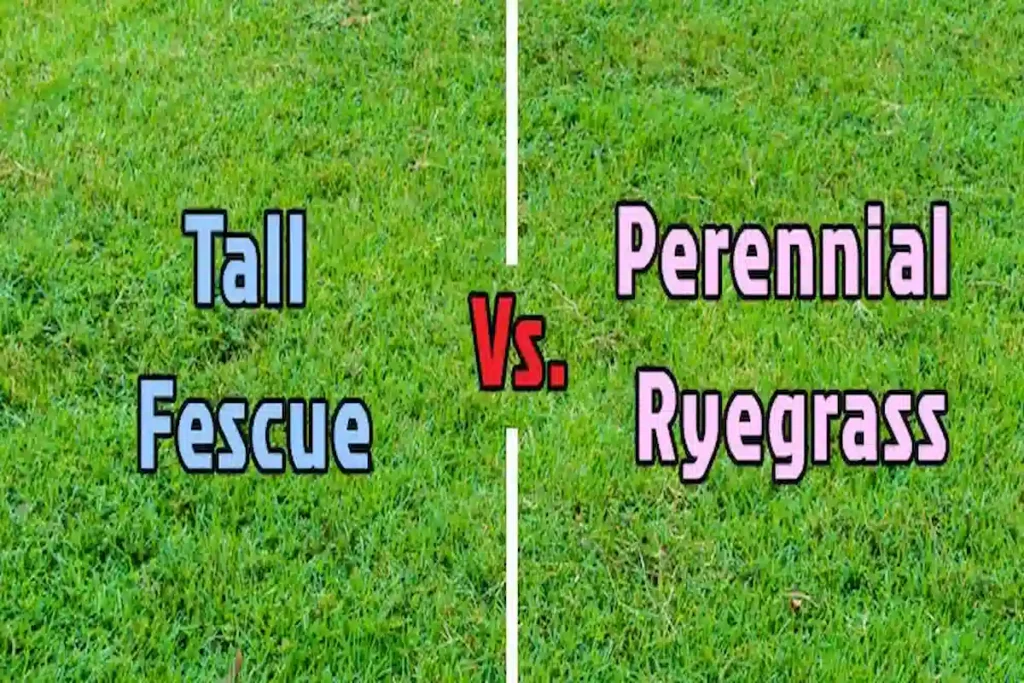
Choosing between fescue grass and ryegrass is a question that comes up often among homeowners in Palm Coast, Flagler Beach, and Ormond Beach who want a lawn that stays green through the cooler months. Both grasses have earned a place in Florida yards, but they behave very differently once the humidity climbs and the sandy soil dries out. This guide breaks down what each grass offers, where it performs best, and how to decide which one belongs in your yard.
What Is Fescue Grass?
Tall fescue is a cool-season grass known for its deep root system and coarse, blade-like texture. It handles partial shade far better than most warm-season turf, which makes it a popular pick for yards with mature oak canopies. Fescue also tolerates short dry spells once it’s established, since its roots can reach further into the soil than shallow-rooted grasses.
In North Florida, homeowners typically use fescue as part of a seed blend for shaded areas or as a temporary green-up during winter, rather than a full replacement for a warm-season lawn.
What Is Ryegrass?
Ryegrass, whether annual or perennial, is prized for one thing above all: speed. It germinates within five to ten days, which is why so many landscapers in Flagler County reach for it when overseeding dormant Bermuda or St. Augustine turf heading into winter.
Ryegrass produces a fine, dense blade and a rich green color almost immediately, giving a lawn instant curb appeal while the warm-season grass rests. The tradeoff is that ryegrass isn’t built to survive Florida’s summer heat, so it naturally fades out once temperatures rise again.
Key Differences Between Fescue and Ryegrass
The biggest differences come down to germination speed, texture, and how each grass copes with heat and traffic.
- Germination: Ryegrass sprouts in about a week; fescue can take two to three weeks.
- Texture: Fescue has a broader, coarser blade; ryegrass is finer and softer underfoot.
- Heat tolerance: Neither grass loves Florida summers, but fescue’s deeper roots give it a slight edge in shaded, moisture-retaining spots.
- Wear tolerance: Ryegrass handles foot traffic well early on, though it thins out fast under repeated stress.
- Typical use in Florida: Fescue works best in shaded pockets; ryegrass is mainly used for winter overseeding.
Which Grass Performs Better in Flagler County Yards?
Sandy soil, high humidity, and long summers set the rules for any lawn in Palm Coast, Flagler Beach, St. Augustine, or Ormond Beach. Full fescue lawns often struggle once June arrives because the combination of heat and moisture invites fungal disease.
Ryegrass, on the other hand, was never meant to be permanent here — it’s a seasonal tool. If your main goal is deciding between starting fresh with seed or laying instant turf, our guide on sod vs seed for your lawn walks through the tradeoffs in more detail for local conditions.
Pros and Cons at a Glance
Fescue grass
- Handles shade well
- Deeper root system for moderate drought resistance
- Slower to establish
- Prone to fungal issues in wet, hot summers
Ryegrass
- Extremely fast germination
- Bright green color almost immediately
- Not heat tolerant long-term
- Best suited for temporary winter cover
How to Choose the Right Grass for Your Lawn
Start by asking what the grass needs to accomplish. If you’re filling in a shaded corner under live oaks, a fescue blend is worth considering. If you want a green lawn through the cooler months while your St. Augustine or Bermuda goes dormant, ryegrass is the more practical choice. Homeowners planning a full lawn renovation should also look at soil prep before planting either type; our how to grow grass from seed article covers the groundwork that makes any seed variety take root successfully.
Maintenance Tips for Fescue and Ryegrass Lawns
Both grasses need consistent watering during establishment, roughly the top inch of soil kept moist until germination is complete. Mow fescue at three to four inches to protect its root system from heat stress, and keep ryegrass slightly shorter, around two to two and a half inches, for a tidier winter look. For homeowners who prefer a set watering schedule rather than guessing at timing, our irrigation services in Palm Coast page outlines how a properly timed system keeps seed beds consistently moist without drowning them.
Once established, fescue and ryegrass both settle into a fairly simple mowing and feeding rhythm, but the schedule shifts by season. Our full lawn care and maintenance guide breaks down month-by-month tasks for Flagler County yards, from mowing heights to fertilizer timing, so you’re not left guessing between fescue’s spring growth spurt and ryegrass’s short winter run.
When It Makes Sense to Call a Professional
Seeding fescue or ryegrass sounds simple, but getting the timing, seed rate, and soil prep right takes more than tossing seed on the ground. A lawn that’s uneven, thin, or recovering from drought usually needs a plan built around the grass already growing there.
Our team at Dreamscapes Florida handles everything from soil testing to full lawn renovations for homeowners across Palm Coast, so if you’d rather not guess your way through overseeding season, our lawn maintenance services in Palm Coast page has more on how we approach it. For yards that need more than overseeding — like bare patches or a full reset — our sod installation page covers what a fresh start looks like.
Frequently Asked Questions
Yes, many cool-season seed blends combine both grasses. Ryegrass fills in quickly for early color while fescue develops its deeper root system over time.
Full fescue lawns typically struggle once summer heat and humidity set in, especially in full sun. It performs noticeably better in shaded areas with some afternoon relief.
Ryegrass used for winter overseeding generally fades out on its own by late spring as temperatures climb and the underlying warm-season grass wakes back up.
Fescue handles shade noticeably better than ryegrass, making it the stronger option for lawns with heavy tree cover.