If you’ve heard the phrase “mustard seed tree” and want one growing in your own yard, you’re not alone. It’s one of the most searched garden plants tied to a story about small beginnings turning into something big — and the good news is that it’s not hard to grow once you know what you’re actually planting and how Florida’s climate treats it. Here in Palm Coast and Flagler County, timing and placement make all the difference between a plant that thrives and one that struggles in the heat. This guide walks through what a mustard seed tree really is, how it grows, and how to care for one from seed to full bloom.
What Is a Mustard Seed Tree, Exactly?
A mustard seed tree isn’t one official species. Most home gardeners who plant one are growing black mustard (Brassica nigra) or a close relative in the mustard family. Under warm, sunny conditions, these plants shoot up fast and develop a woody central stem with branching arms, which is why they get called a “tree” even though botanically they’re annual herbs, not true trees. There’s also a separate plant called Salvadora persica, sometimes referred to as “the mustard tree” in Middle Eastern traditions, but it isn’t cold-hardy enough for Florida winters and isn’t something you’ll find at local nurseries.
Where the Name Comes From
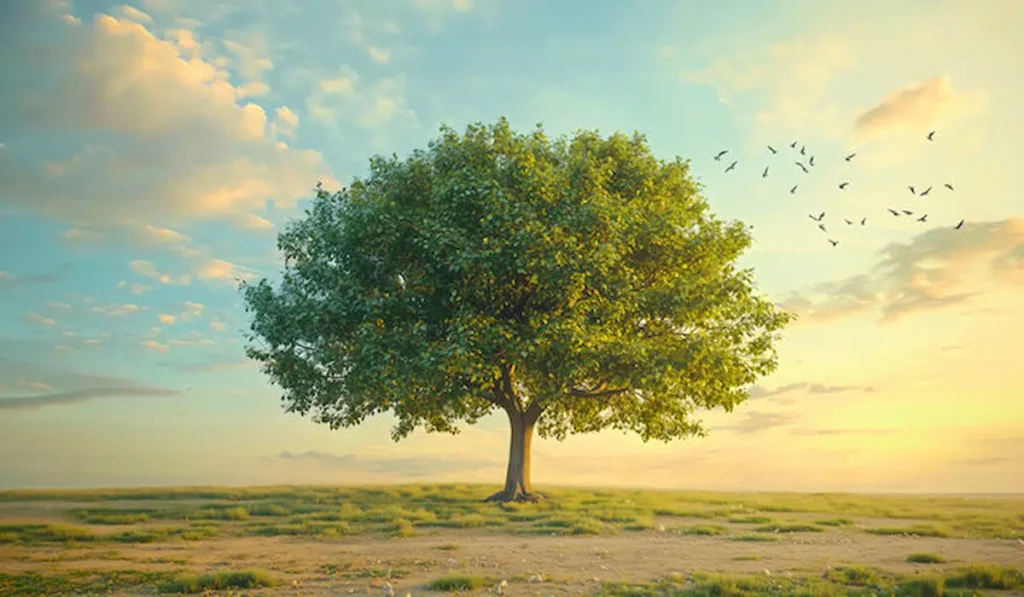
Mustard has been grown for thousands of years across the Mediterranean, the Middle East, and South Asia, both as a food crop and a garden plant. The “tree” part of the name traces back to an old parable describing how one of the smallest seeds can grow into a plant large enough for birds to nest in its branches. That contrast between a tiny seed and a tall, sturdy plant is exactly why people still plant one today, often as much for what it represents as for the garden itself.
What a Full-Grown Mustard Plant Looks Like
Given full sun and warm weather, a mustard plant can reach 6 to 10 feet in a single growing season. It develops one thick central stem with several branching side stems, broad lower leaves that narrow higher up, and clusters of small, bright yellow, four-petaled flowers at the top. Once the flowers fade, thin seed pods form and eventually dry out, each one holding a handful of the tiny round seeds the plant is named for.
Can You Grow a Mustard Seed Tree in Palm Coast and Flagler County?
Yes, but timing matters more here than almost anywhere else on the plant’s calendar. Mustard prefers cooler weather, roughly 50 to 75°F, so the best planting window in Palm Coast runs from fall through late winter. Plant it during our hot, humid summer stretch and it will bolt and flower too quickly instead of filling out. If you’re weighing a mustard planting against other seasonal or permanent options for your beds, our guide to the best trees to plant in Palm Coast yards breaks down which species actually hold up to our sandy soil and salt air year-round.
Soil, Sunlight, and the Right Spot in Your Yard
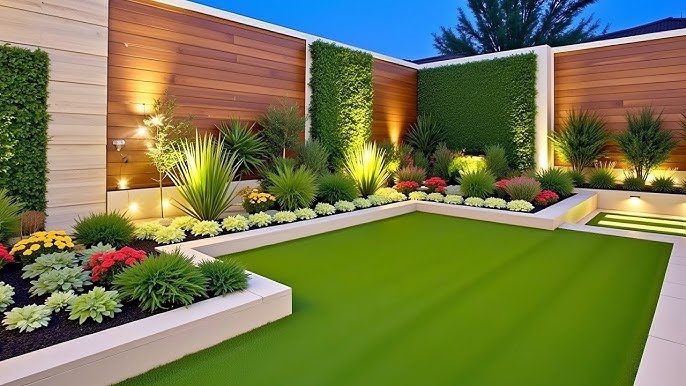
Mustard wants full sun and soil that drains well. The sandy loam common across Flagler County works fine as long as the bed doesn’t stay waterlogged after heavy rain. Because the roots stay fairly shallow, a raised bed or a defined border along an existing garden bed is usually the best spot rather than tucking it into the middle of your lawn. If your beds need reshaping or your soil needs work before planting, our crews handling lawn maintenance in Palm Coast, FL can prep the ground properly so the plant has room to establish.
Watering Your Mustard Seed Tree
Keep the soil consistently moist while the plant is young, aiming for around 1 to 2 inches of water a week, and ease back once it’s established and putting out flowers. Because the root system is shallow, letting the bed dry out completely between waterings stresses the plant fast, especially during a dry Florida spring. If hand-watering a bed isn’t practical for your schedule, our irrigation services in Palm Coast, FL can run a simple drip line on a timer so beds like this stay watered without you thinking about it.
Feeding for Strong, Full Growth
Mustard is a light feeder. Too much nitrogen actually works against you here, producing tall, floppy stems that flop over instead of standing upright. A balanced fertilizer worked in at planting, followed by a light monthly feeding through the growing season, is usually enough. For a full breakdown of what to use and when, our garden fertilizer guide covers feeding schedules for beds like this one.
Pruning and Shaping Tips
Pinching back the growing tips early on encourages the plant to branch out instead of growing one tall, thin stalk, which gives you a fuller, sturdier shape. Once flowering starts, deadheading spent blooms keeps the plant producing longer, or you can let a few pods dry on the plant if you want it to reseed itself for next season. If you’d rather leave the shaping to someone with the right tools, our page on pruning trees and plants covers technique and timing in more detail.
Common Pests and Problems to Watch For
Because mustard belongs to the same family as cabbage and broccoli, it shares the same pest problems: aphids, flea beetles, and cabbage worms are the usual suspects. Avoid planting it right next to other brassicas if pests have been an issue in your yard before. Small holes appearing in the leaves are usually the first sign of trouble, and insecticidal soap applied early takes care of most infestations before they spread. In beds that stay too wet, root rot is the more likely culprit if the plant starts wilting despite regular watering.
Where It Fits in Your Landscape Design
A mustard seed tree works best as a seasonal accent rather than a permanent structural plant. It looks good in a cutting garden, along a border that gets rotated by season, or planted near an entryway or reflection space where the story behind it means something to the homeowner. Because it grows fast and dramatically, it also gives a bed visual height and movement while slower-growing shrubs and trees around it fill in over time.
Let Dreamscapes Florida Help You Get It Right
Whether you’re planting one mustard seed tree as a personal touch or reworking an entire bed around it, getting the soil, sun, and water right from the start makes the difference between a plant that thrives and one that struggles through a Florida summer. Our team handles everything from bed preparation to irrigation to ongoing lawn and garden care across Palm Coast and Flagler County. Take a look at our full range of services to see how we can help with this project or the rest of your yard.
Frequently Asked Questions
Not botanically. Most plants called “mustard seed trees” are actually annual mustard plants, like black mustard, that grow fast enough to develop a woody, tree-like shape in a single season.
Under warm, sunny conditions, a mustard plant can reach 6 to 10 feet tall within about 6 to 8 weeks.
Fall through late winter is the best window in Palm Coast and Flagler County, since mustard prefers cooler temperatures and bolts quickly once summer heat sets in.
The plant itself is an annual and won’t survive multiple seasons, but it self-seeds easily, so a bed left undisturbed often produces new growth the following cool season.
Yes, as long as the container is large enough to support the root system and drains well. A pot at least 12 to 16 inches deep gives the plant room to reach a reasonable size.