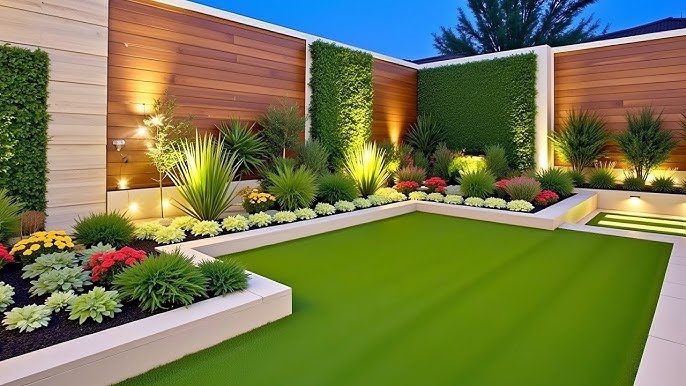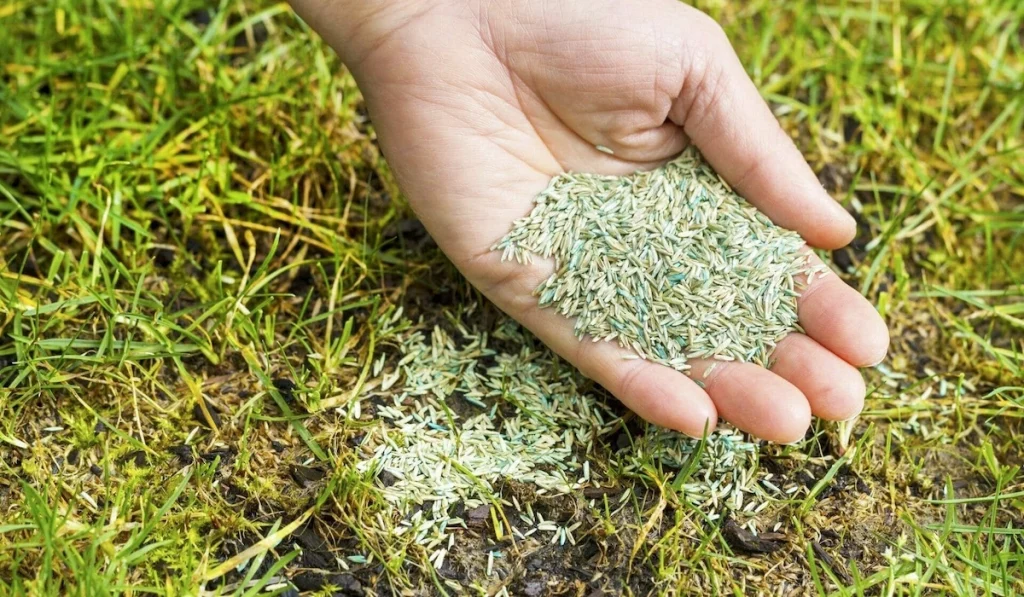
Growing a lush, green lawn from seed might seem slow compared to laying sod, but it’s one of the most cost-effective and rewarding ways to build a healthy yard from the ground up.
Seeding is usually the cheapest way to start or repair a lawn, but in our hot, humid, sandy coastal Florida climate, you have to do it the right way — or you’ll end up with patchy, thin grass and wasted money.
In this guide, I’ll walk you through exactly how to grow grass from seed the way we do it successfully here in Palm Coast. These are real steps from real yards I’ve worked on.
Why Growing Grass from Seed Works Well in Palm Coast
Seeding costs a lot less than sod. It lets the grass develop strong roots right in your own soil. Plus, you can fix bare spots or thin areas without tearing everything up.
But here’s the truth from experience: Florida’s sandy soil drains fast, the sun is brutal, and we get heavy rains. If you just throw seed on the ground, most of it will dry out or wash away.
The good news? Follow the right steps and you can get a nice, thick lawn that handles our heat and salt air.
Best Grass Types to Grow from Seed
Not every grass grows well from seed here. St. Augustine (the most popular grass in Florida) is usually installed as sod or plugs because its seeds don’t grow reliably.
Here are the best options for seeding in our area:
- Bahia Grass (Argentine or Pensacola) — My top recommendation for most Palm Coast yards. It’s tough, drought-tolerant, and handles sandy soil well. Great for low-maintenance lawns.
- Bermuda Grass — Grows fast from seed, handles traffic and full sun. Looks nice but needs more mowing and fertilizing.
- Zoysia Grass — Slow to start from seed but creates a dense, carpet-like lawn once established. Good for sunny areas.
- Centipede Grass — Low-maintenance and light green, but it grows slowly and doesn’t like heavy foot traffic.
For most homes near the coast or with sandy soil, I usually suggest Bahia grass because it’s forgiving and needs less babying.
Best Time to Plant Grass Seed in Palm Coast
Timing is everything.
The best time to grow grass from seed is late spring through early summer — basically April through July. This gives the grass plenty of warm weather to sprout and grow strong before cooler winter months.
Some people try seeding in early fall, but spring/summer works better for warm-season grasses like Bahia and Bermuda.
Avoid seeding in the middle of summer heat waves or right before a big storm.
Step-by-Step: How to Grow Grass from Seed Successfully
Here’s the exact process I recommend to my clients:
1. Test and Prepare Your Soil
Start by clearing the area. Remove weeds, old grass, rocks, and debris.
Our soil in Palm Coast is very sandy, so I always suggest adding some organic matter or topsoil to help it hold moisture and nutrients.
Having the right gardening tools makes this job much easier and faster. A good garden rake, spade, garden fork, and soil knife can save you a lot of time and effort.
→ Check out my guide: Best Gardening Tools Every Gardener Should Own
Get a simple soil test kit from the local extension office or garden center. Most yards here need lime or starter fertilizer because the soil is often too acidic.
2. Level the Ground
Rake or lightly till the soil so it’s smooth and level. Slope it slightly away from your house for good drainage. This step prevents puddles and makes mowing easier later.
3. Choose Quality Seed
Buy fresh, high-quality seed labeled for Florida. Cheap seed from big box stores often has lots of weeds or low germination rates. Read the label for the seeding rate (how much seed per 1,000 sq ft).
4. Spread the Seed
Use a spreader for even coverage. I like to go over the area in two directions (north-south, then east-west) so you don’t miss spots.
Lightly rake the seed into the top ¼ inch of soil. Don’t bury it too deep — most seeds need light to sprout.
5. Cover and Protect the Seed
Cover the seeded area lightly with straw, peat moss, or a thin layer of topsoil. This keeps the seed from drying out and blowing away.
In Palm Coast, I’ve seen good results using a light layer of clean wheat straw.
6. Water Correctly (This is the Most Important Part)
Keep the top inch of soil moist every single day for the first 2–3 weeks.
Water lightly 2–3 times a day — just enough to keep it damp, not soaked. Once the grass reaches about 2 inches tall, you can water less often but deeper. If you want to know more about this i will prefer to check out our details guide on: how much water does a lawn really need for better understanding.
7. Be Patient and fertilize at the Right Time
Don’t walk on the new grass until it’s well rooted.
Apply a starter fertilizer about 3–4 weeks after seeding when you see good germination.
First mow when the grass reaches 3–4 inches tall. Never cut more than 1/3 of the blade at once.
Common Mistakes I See in Palm Coast Yards
- Planting at the wrong time
- Not watering often enough in the beginning (seeds dry out fast in our sun)
- Using poor quality seed
- Skipping soil preparation
- Putting down too much seed (it competes with itself)
One client in Palm Coast tried seeding without preparing the soil — the grass came up patchy and weak. After we fixed the soil and re-seeded the right way, it filled in beautifully within a few months.
How Long Does It Take to Grow Grass from Seed?
In Palm Coast:
- Germination: 7–21 days (Bahia is usually faster)
- You can mow: 4–6 weeks
- A decent-looking lawn: 2–3 months
- A thick, strong lawn: 4–6 months with good care
Ready to Grow a Beautiful Lawn in Palm Coast?
Growing grass from seed takes some work upfront, but it can save you thousands compared to sod and give you great results when done correctly.
At Dreamscapes Florida, we help homeowners with everything from soil prep and seeding to full lawn installation and ongoing maintenance. We know exactly what works in our local sandy soil and coastal conditions.
If you want a thick, healthy lawn without the guesswork, we’re here to help.
📍 Serving Palm Coast, Flagler Beach, Ormond Beach, and surrounding areas.
Call us today at (386) 237-2983 for a free on-site consultation.
Let’s get your yard looking its best!
Frequently Asked Questions
Q1: What is the best grass to grow from seed in Palm Coast?
The best grass to grow from seed here is Bahia grass (especially Argentine Bahia). It handles our sandy soil, heat, and drought much better than other types. Bermuda grass is also good if you want faster growth and don’t mind more maintenance.
Q2: When is the best time to plant grass seed in Palm Coast?
The best time is from April to July. This gives the seeds warm soil and plenty of growing time before winter. Avoid seeding after August if possible.
Q3: How often should I water new grass seed?
For the first 2 to 3 weeks, you need to keep the top inch of soil moist. Water lightly 2 to 3 times a day — short watering sessions in the morning and late afternoon. Never let the seeds dry out completely.
Q4: Why is my grass seed not growing in Palm Coast?
Common reasons are: seeds dried out from the sun, soil was not prepared properly, planted too deep, or seeded at the wrong time. Poor quality seed is also a big reason many people fail.
Q5: Should I use topsoil or compost before seeding?
Yes, I strongly recommend adding a thin layer of quality topsoil or compost mixed into your sandy soil. Palm Coast soil drains too fast and doesn’t hold nutrients well. Adding organic matter helps the seeds germinate and grow stronger roots.
Q6: How long does it take for grass seed to grow in Florida?
You should see sprouts in 7 to 21 days. You can usually mow for the first time after 4 to 6 weeks. A decent-looking lawn takes about 2 to 3 months, and a thick healthy lawn takes 4 to 6 months with proper care.
Q7: Can I grow St. Augustine grass from seed?
No, it’s not recommended. St. Augustine grass does not grow reliably from seed. Most people in Palm Coast install it as sod or plugs instead.
Q8: Do I need to use straw after spreading the seed?
Yes, covering the seed lightly with clean straw helps a lot. It keeps the seeds moist, protects them from birds, and prevents them from washing away during rain.