If you want a shrub that blooms almost year-round, shrugs off Florida humidity, and barely asks for anything in return, Abelia deserves a spot on your shortlist. This tough, semi-evergreen plant has become a favorite across Palm Coast, Flagler Beach, and Ormond Beach yards for good reason: it’s low-maintenance, pollinator-friendly, and looks good in almost any landscape design, from formal foundation plantings to relaxed cottage-style beds.
In this guide, we’ll walk through everything you need to know to grow healthy, full, and long-blooming Abelia in your own yard, including planting tips, watering schedules, pruning techniques, and how to handle the occasional pest issue.
What Is Abelia?
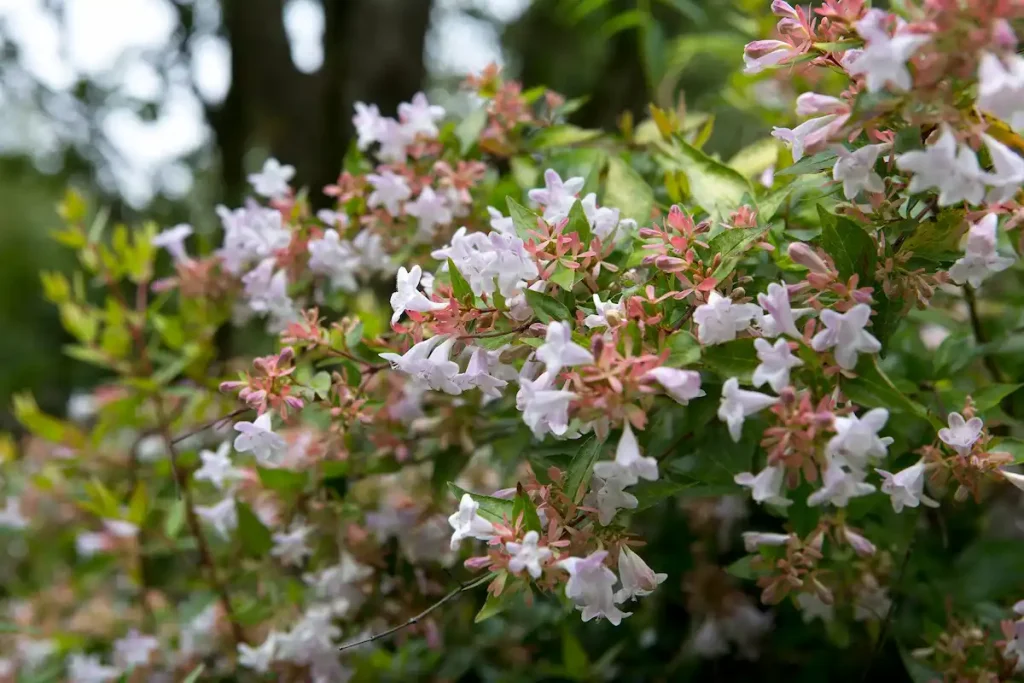
Abelia (Abelia x grandiflora) is a woody shrub known for its small, trumpet-shaped flowers that range from white to soft pink, along with glossy green foliage that often takes on bronze or copper tones in cooler months. It typically grows 3 to 6 feet tall and wide, depending on the variety, making it a versatile choice for borders, hedges, or standalone accent plantings.
One of the biggest draws is its bloom time. Unlike many flowering shrubs that put on a show for a few weeks and then go quiet, Abelia can flower from late spring all the way through fall in Florida’s warm climate, drawing in bees, butterflies, and hummingbirds along the way.
Best Abelia Varieties for Florida Yards
Not all Abelia varieties handle Florida’s heat and humidity equally well, so choosing the right one matters.
- Kaleidoscope Abelia – A compact variety with bright yellow and green variegated foliage that shifts to orange and red in fall. Great for smaller beds.
- Edward Goucher Abelia – Known for its lavender-pink blooms and slightly larger size, ideal for hedging.
- Rose Creek Abelia – A dense, low-growing option that works well along walkways or as a border plant.
If you’re unsure which variety fits your yard’s layout, our team can help during a full landscape installation consultation, matching plant choices to your soil, sun exposure, and design goals.
When and How to Plant Abelia in Florida
Fall and early spring are the best times to plant Abelia in zones 9a and 9b, giving roots time to establish before summer heat or winter cold snaps arrive. That said, container-grown Abelia can be planted almost any time of year in Florida as long as you keep up with watering.
Planting steps:
- Choose a location with full sun to partial shade. More sun generally means more blooms.
- Dig a hole twice as wide as the root ball, but no deeper than the container it came in.
- Loosen the roots gently before placing the plant in the hole.
- Backfill with native soil mixed with compost for better drainage and nutrition.
- Water thoroughly after planting and add a 2 to 3 inch layer of mulch, keeping it away from the stem base.
Florida’s sandy soil drains quickly, so getting the planting depth right matters more here than in areas with heavier clay soil.
Sunlight, Soil, and Watering Requirements
Abelia is fairly adaptable, but it performs best under these conditions:
Sunlight: Full sun to light shade. In coastal areas like Flagler Beach, a bit of afternoon shade can help protect blooms during peak summer heat.
Soil: Well-draining soil is essential. Abelia doesn’t tolerate soggy roots well, which makes Florida’s sandy soil a natural fit, as long as organic matter is worked in at planting time.
Watering: Newly planted Abelia needs consistent moisture for the first few months, roughly twice a week depending on rainfall. Once established, it becomes fairly drought-tolerant and only needs supplemental watering during extended dry stretches. If your yard already has a drip or sprinkler system in place, our irrigation services team can help make sure your zones are set up to avoid overwatering shrubs like Abelia that prefer drier conditions once mature.
Pruning and Maintenance Tips
Abelia blooms on new growth, so pruning encourages more flowers rather than reducing them, as long as it’s done at the right time.
- Light shaping can be done throughout the growing season to maintain form.
- Major pruning is best done in late winter or early spring, right before new growth begins.
- Remove any dead, damaged, or crossing branches to improve airflow and reduce disease risk.
- Avoid heavy pruning in fall, since this can remove the wood that would otherwise produce winter and early spring blooms.
A light feeding with a balanced, slow-release fertilizer in early spring supports strong blooming through the season. If Abelia is planted alongside your lawn, keeping mowing and trimming schedules consistent through routine lawn maintenance also helps prevent accidental damage to lower branches.
Common Pests and Problems
Abelia is fairly resistant to pests, but a few issues can pop up in Florida’s warm, humid climate:
- Aphids may cluster on new growth. A strong spray of water or insecticidal soap usually clears them up.
- Powdery mildew can appear in overly shaded, poorly ventilated spots. Improving airflow through proper spacing and pruning helps prevent it.
- Root rot is the most serious risk, almost always tied to poor drainage or overwatering rather than the plant itself.
Choosing well-draining soil and avoiding overhead watering late in the day goes a long way toward keeping Abelia problem-free.
Landscape Design Ideas Using Abelia
Abelia works beautifully in several design styles:
- As a low hedge along walkways or property borders
- Mixed into pollinator gardens alongside other flowering natives
- As a foundation planting beneath windows, where its rounded shape softens hard architectural lines
- Paired with ornamental grasses or perennials for year-round texture, similar to combinations we’ve used in our shade garden design guide
If you’re working with a smaller yard, Abelia also pairs well with compact trees. Our guide on best trees for small yards has some great companion options that won’t overwhelm the space. And if evening curb appeal matters to you, adding landscape lighting near Abelia beds highlights its blooms well after sunset.
Frequently Asked Questions
How often should I water Abelia in Florida? Water newly planted Abelia two to three times a week for the first couple of months. Once established, it only needs watering during extended dry periods, since it handles Florida’s sandy soil and heat quite well.
Does Abelia bloom all year in Florida? Abelia typically blooms from late spring through fall in zones 9a and 9b, with some varieties producing sporadic flowers into early winter during mild years.
How big does Abelia get? Most varieties reach 3 to 6 feet tall and wide, though compact cultivars like Rose Creek stay smaller and are easier to maintain in tight spaces.
Can Abelia handle full Florida sun? Yes, Abelia thrives in full sun and typically produces more blooms with more light. In extremely hot, exposed locations, a bit of afternoon shade can help protect the foliage.
Is Abelia deer resistant? Abelia is generally considered deer resistant, making it a solid choice for yards near wooded areas where deer browsing is common.
Final Thoughts
Abelia is one of those rare shrubs that gives you a long season of color without demanding constant attention, which makes it a great fit for busy homeowners across Flagler County and the surrounding areas. With the right planting spot, a bit of seasonal pruning, and consistent but moderate watering, it can thrive for years.
If you’d like help choosing the right Abelia variety for your yard or want it incorporated into a larger landscape plan, our team at Dreamscapes Florida is happy to help, from initial design through full installation.