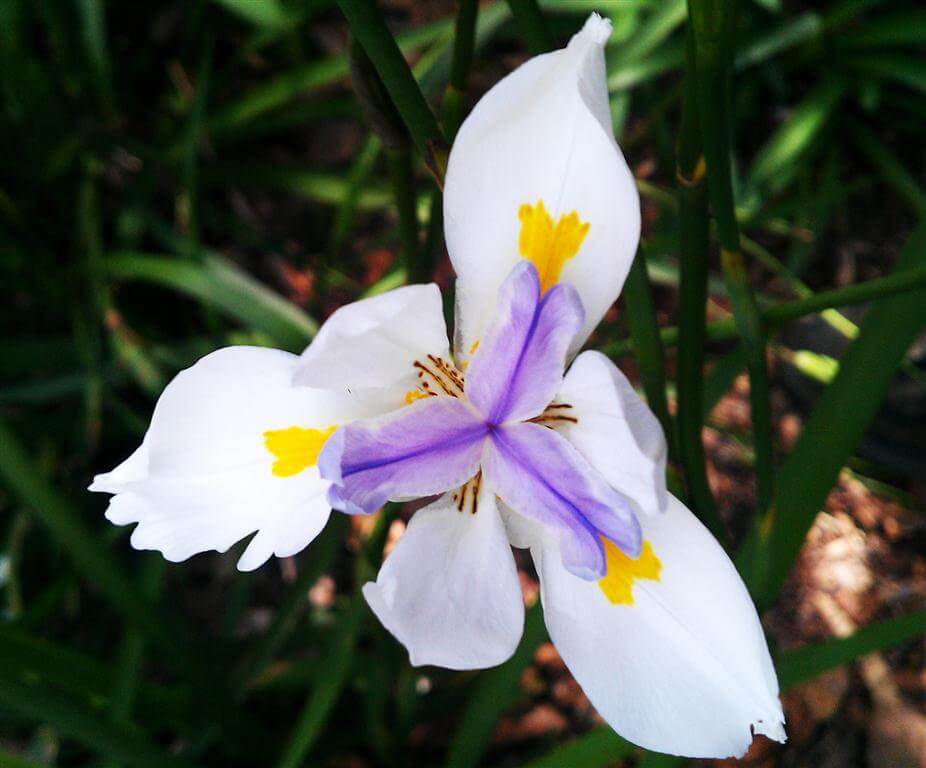
African iris, often admired for its graceful foliage and striking blooms, is a plant that combines beauty with resilience. Known for its sword-shaped leaves and exotic flowers, this perennial thrives in a variety of conditions, making it an excellent choice for gardeners seeking a low-maintenance plant with year-round interest.
Learning how to grow and care for African iris will help you enjoy its beauty for many seasons while ensuring the plant remains healthy and vibrant.
Understanding the African Iris
The African iris belongs to the genus Dietes, a group of flowering plants native to Southern Africa. Its flowers resemble delicate irises but are known for their strength and endurance. The blooms are often white, yellow, or pale lavender with splashes of gold and purple markings that make them visually striking.
Each flower only lasts a day or two, but the plant produces blooms repeatedly throughout the growing season. The combination of evergreen foliage and successive blooms makes African iris a favourite for gardeners seeking a plant that looks attractive year-round.
The plant grows in clumps, forming dense, upright fans of leaves that can reach up to three feet tall. This foliage provides structure and texture in the garden, even when the plant is not in bloom — making it a popular choice for garden borders and pathway design.
Ideal Growing Conditions
African iris is highly adaptable but flourishes when grown in the right conditions. The plant thrives in full sun, although it tolerates partial shade. In sunnier spots, flowering tends to be more abundant and consistent, while too much shade may limit bloom production.
Soil quality is another key factor. African iris prefers well-drained soil with moderate fertility. While it can survive in poorer soils, it responds well to organic matter, which improves drainage and enriches the soil with nutrients. If your yard has heavy clay or sandy Florida soil, amending it with compost is the same principle covered in our complete guide to loam soil, which explains how the right soil structure supports healthier root systems.
Watering is also crucial, particularly during the plant’s establishment phase. Although African iris is drought-tolerant once mature, young plants need regular moisture to develop strong roots. After establishment, watering can be reduced, making it a great option for water-wise, low-maintenance Florida landscapes.
Planting African Iris
When planting African iris, spacing is important to ensure healthy growth. Each plant should be placed at least two feet apart, allowing enough room for clumps to expand naturally. Planting too closely can lead to overcrowding, restricting airflow and increasing disease risk.
Dig a hole twice as wide as the root ball and only as deep as the container it came in. Place the plant in the hole, backfill with soil, and water thoroughly. Applying mulch around the base helps retain soil moisture and suppress weeds; however, the mulch should not touch the crown of the plant to avoid rot.
Watering and Feeding
While African iris can survive with minimal attention once established, regular watering encourages more vigorous growth and prolonged blooming. In hot or dry climates, a deep soak once or twice a week during the growing season is usually sufficient. During cooler months or rainy periods, watering can be reduced.
Fertilising also keeps your plants looking their best. A balanced, slow-release fertiliser applied in spring supports new growth and flower production. Avoid excessive nitrogen, as it may encourage leafy growth at the expense of flowers. Organic fertilisers, such as compost or liquid seaweed, improve soil health over time.
Pruning and Maintenance
Caring for African iris involves regular pruning to keep the plant tidy and encourage more blooms. Since individual flowers last only a day or two, spent blooms should be removed promptly. This practice improves the plant’s appearance and redirects energy toward new flower production.
Once flowering slows down, cutting back old flower stems to the base helps stimulate fresh growth. Foliage should also be maintained by removing yellowing or damaged leaves, which helps prevent disease and enhances airflow within the clump.
Every few years, mature plants may need to be divided to prevent overcrowding. This process rejuvenates the plant and gives you new clumps to replant elsewhere in the garden.
Propagation
African iris propagation is easy through division, best done in spring or early summer. To propagate, carefully lift the clump from the ground and separate the rhizomes with a clean, sharp knife or spade.
Each section should contain healthy roots and shoots to ensure successful regrowth. Once divided, replant the clumps at the same depth as before, water well, and allow time to establish.
Division also controls the plant’s spread, as African iris can gradually form large colonies if left unattended. Propagation gives you more plants to enjoy while rejuvenating older clumps that may have become less vigorous.
Pests and Diseases
African iris is generally hardy and resistant to most pests and diseases, adding to its appeal for low-maintenance gardens. However, it can occasionally be affected by aphids, spider mites, or fungal leaf spots. Keeping foliage clean and dry by watering at the base rather than overhead helps reduce fungal problems.
If pests appear, they can often be managed with a strong spray of water or natural insecticidal soaps. Regularly inspecting the plant ensures that issues are addressed early, before they become widespread.
Seasonal Care
African iris provides year-round interest, but seasonal care enhances its performance. In spring, feed the plant with a balanced fertiliser and check for clumps that may need dividing — this is also when new growth begins, so regular watering helps establish a strong start.
During summer, consistent watering and deadheading spent flowers keep the plant blooming steadily. As temperatures cool in autumn, growth slows, but evergreen foliage continues to provide structure and greenery.
Winter care is minimal, though in colder regions, protection may be needed if temperatures drop below freezing. Covering the plant with frost cloth or mulching around the roots helps safeguard against frost damage. For more cold-season colour to plant alongside your African iris, see our list of top 15 winter-flowering plants that keep gardens vibrant through the coldest months.
Landscape Uses
African iris is versatile and can be used in many ways within the landscape. Its upright leaves and recurring blooms make it a striking choice for borders, pathways, and garden beds. The plant also thrives near ponds or water features, where its grassy foliage and delicate flowers create a natural, elegant look — a great companion planting if you’re considering a DIY outdoor waterfall or pond feature for your backyard.
Because it tolerates both drought and periodic wet conditions, African iris adapts to a wide range of environments. In large plantings, it can be used for erosion control or to add texture to sloped areas — see our expert tips on erosion control plants for more options that pair well with African iris on slopes and embankments. Its resilience and beauty make it a favourite for both formal and informal garden designs, and it works well as part of a broader landscape design plan for properties in Florida.
Benefits of Growing African Iris
Aside from its ornamental value, African iris offers practical benefits. Its dense root system helps stabilise soil, making it a good choice for erosion-prone areas. The plant is also low-maintenance, requiring little care once established, which makes it appealing to beginner gardeners or those with limited time.
Additionally, the blooms attract pollinators, including bees and butterflies, enhancing biodiversity in the garden. Pairing it with other pollinator-friendly plants, such as those in our guide to adding salvia to your landscape, can turn a simple bed into a thriving habitat for local wildlife. The combination of beauty, resilience, and ecological value ensures African iris remains a popular choice for gardeners worldwide.
Frequently Asked Questions
How much sun does African iris need? African iris grows best in full sun to partial shade. Full sun typically produces more abundant and consistent blooms.
Is African iris drought-tolerant? Yes, once established. Young plants need regular watering to develop strong roots, but mature African iris tolerates drought well.
How do you propagate African iris? The easiest method is division in spring or early summer — lift the clump, separate the rhizomes with healthy roots and shoots, and replant at the same depth.
Does African iris attract pollinators? Yes. Its blooms attract bees and butterflies, making it a useful addition to pollinator-friendly landscaping.
Can African iris be used for erosion control? Yes. Its dense root system helps stabilise soil, making it a practical choice for slopes and erosion-prone areas.
Final Thoughts
Learning how to grow and care for African iris is a rewarding experience that yields an abundance of flowers and year-round greenery. This adaptable perennial thrives in sunny conditions, requires minimal maintenance, and attracts pollinators. By providing well-drained soil, adequate water, and occasional feeding, you can ensure it continues to bloom season after season.
With proper planting, pruning, and division, African iris can remain a feature in your garden for years to come. With a little care, you can enjoy the striking elegance of African irises and transform your outdoor spaces into vibrant, living landscapes. If you’re looking for expert guidance on incorporating African irises and other plants into your property, explore our full landscaping services or contact Dreamscapes Florida for a free consultation.