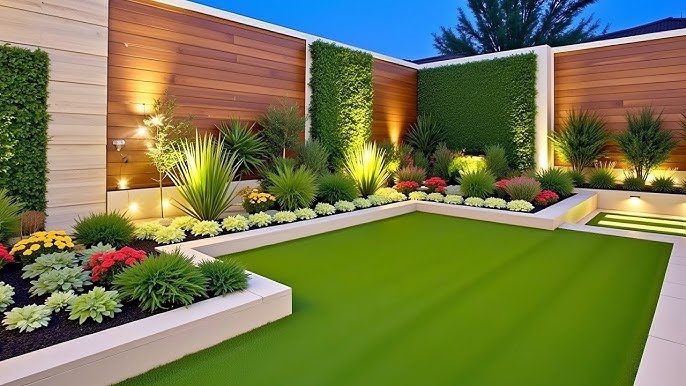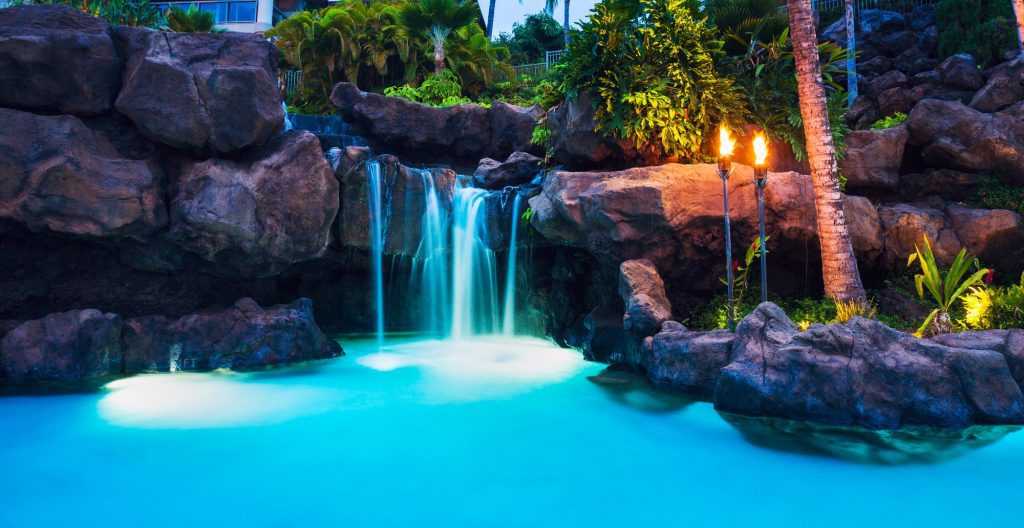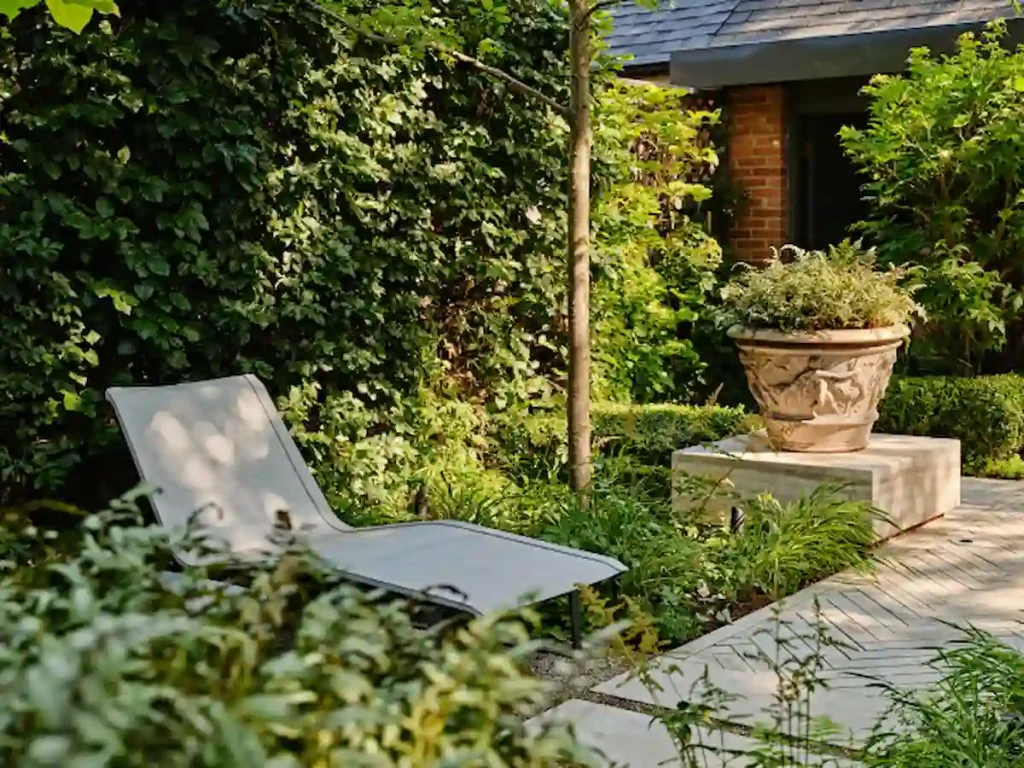
Every Florida yard has that one spot the sun never quite reaches — under a live oak, along a north-facing wall, or tucked behind the house. Most homeowners write these areas off. But in a state where summer sun can scorch turf and stress plants by noon, a shade garden isn’t a compromise — it’s often the coolest, lowest-maintenance part of the whole property. With the right plant choices for our zone 9a and 9b climate, a shady corner can become one of the most inviting parts of your outdoor space.
Why Shade Gardens Work So Well in Florida
Florida’s intense sun and long growing season make full-sun beds thirsty and high-maintenance. Shaded areas retain soil moisture longer, require less irrigation, and stay cooler during our hot, humid summers — a real advantage during SJRWMD water restrictions.
Understanding the Types of Shade in Your Yard
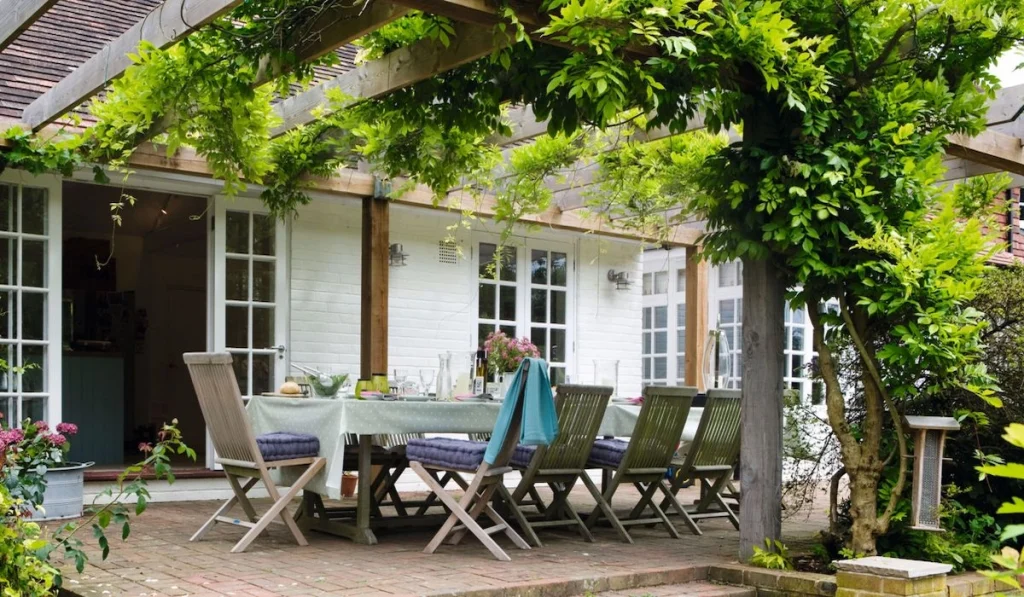
Full Shade — Common under mature oaks and magnolias, or along north-facing walls in Palm Coast and Ormond Beach homes. Very little direct light reaches the ground here, so plant choice matters most.
Partial Shade — Roughly three to four hours of sun, typical near privacy fences or on the east side of a house. Most shade perennials thrive in this range.
Dappled Shade — Sunlight filtering through canopy branches, shifting through the day. This mimics natural Florida woodland conditions and suits ferns and native groundcovers beautifully.
Planning a Shade Garden That Fits Your Yard
Start by mapping your yard’s light throughout the day — deepest shade, brief sun windows, and soil moisture. Sandy Florida soil drains fast even in shade, so don’t assume shaded beds stay wet.
Layer your planting: taller shrubs at the back, mid-height perennials in the center, and groundcovers up front. This layered approach is the same principle we use in our landscape design projects across Palm Coast, where structure and depth make small spaces look intentional rather than empty.
A stone path, a small bench, or a birdbath tucked into the shade adds a destination — not just a planted corner.
Best Shade Plants for Florida Yards
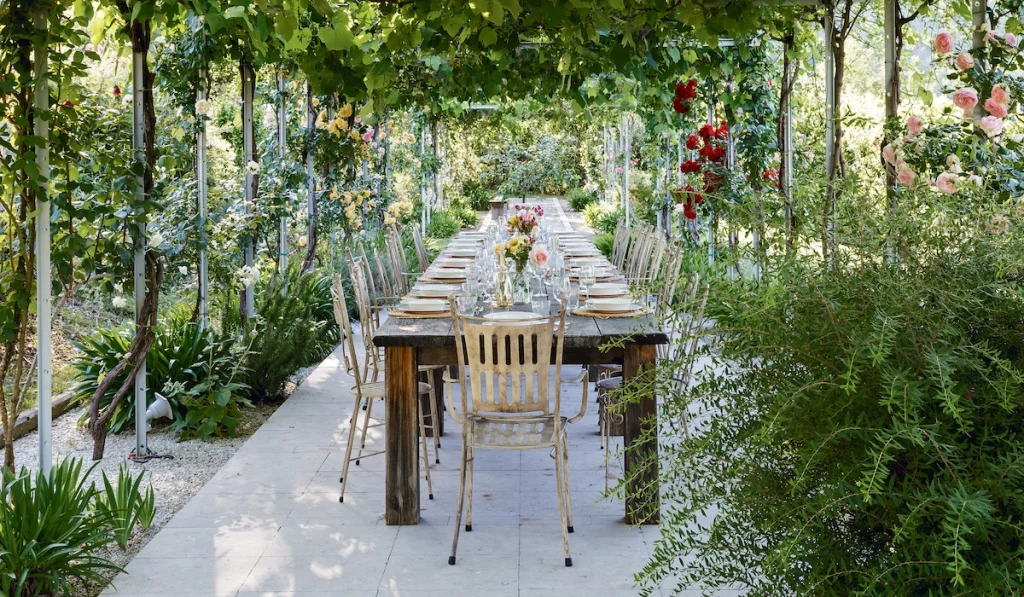
Shade-Loving Flowers — Look for bloomers suited to zone 9a/9b humidity rather than cooler-climate shade flowers that struggle here.
Shade Perennials — Perennials with bold foliage add texture year after year with minimal replanting — ideal if you’re also working with smaller yard footprints where every plant needs to earn its space.
Shade-Tolerant Shrubs — Shrubs anchor the layout and give a shaded bed real structure, much like the layered look in our rustic garden idea guide.
Ground Covers — Spreading groundcovers suppress weeds, hold sandy soil in place, and keep the bed looking finished with minimal upkeep.
Designing a Shade Garden That Still Pops Visually
Shade doesn’t mean dull. Mix leaf shapes, sizes, and shades of green — some plants with deep, glossy foliage, others with lighter or variegated leaves — to build contrast without needing bloom color.
Improving Sandy Florida Soil for Shade Plantings
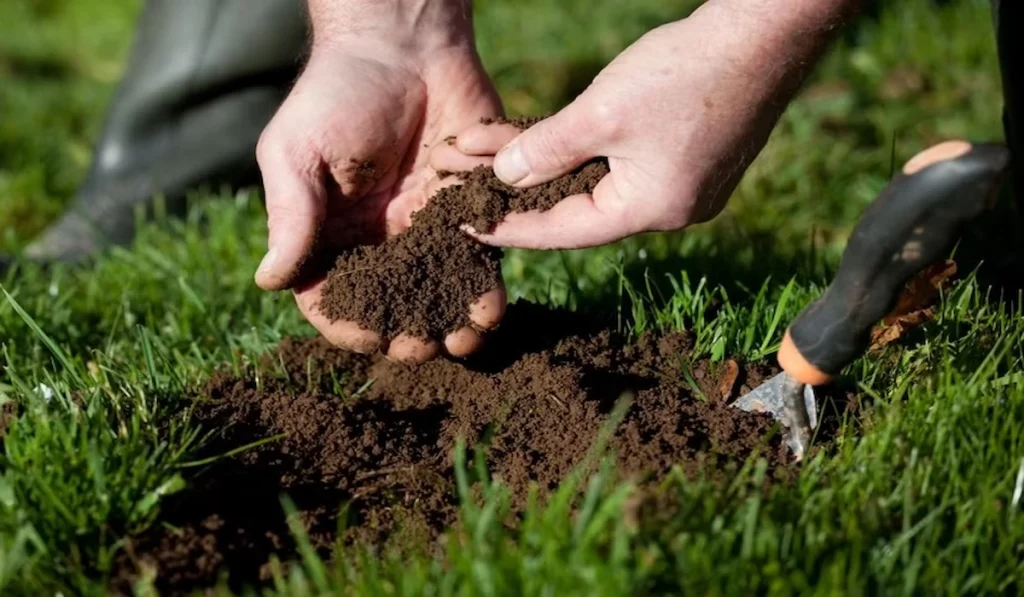
Even in shade, Florida’s sandy soil drains quickly and holds few nutrients. Working in compost or organic matter before planting gives roots something to hold onto and improves moisture retention through dry spells.
A 2–3 inch mulch layer keeps roots cool, retains moisture, and cuts down on weeding — especially valuable heading into hurricane season when storm debris and heavy rain follow long dry stretches.
Maintaining Your Shade Garden Through Florida’s Seasons
Water only when soil begins to dry — overwatering in shade is a bigger risk than underwatering, since evaporation is slower. Refresh mulch seasonally, trim back fading foliage, and check for pests like snails and fungal spotting, which are more common in humid, shaded beds.
If your shade garden is part of a larger yard, pairing it with routine lawn care and seasonal maintenance keeps the whole property looking consistent, not just the planted beds.
Creative Shade Garden Ideas Worth Trying
A woodland-style bed under existing oak canopy looks natural and requires little added structure. A small reading nook with a single chair works well in deeper shade corners. Container plantings brighten shaded porches and walkways without disturbing existing beds. And for evening appeal, low-voltage path lighting — similar to what we install in our landscape lighting projects — turns a shade garden into a feature after dark, not just during the day.
Common Shade Gardening Mistakes to Avoid
Planting full-sun species in shaded beds is the most common failure — they’ll stretch, thin out, and eventually fail. Overcrowding is a close second; shade plants need airflow to avoid fungal issues in Florida humidity. And skipping soil prep in sandy ground sets plants up to struggle from day one.
Frequently Asked Questions
What is the best type of shade for a garden? Partial shade (3–4 hours of sun) offers the widest plant selection and the most reliable growth in Florida yards.
Do shade gardens need less watering? Generally yes — shaded soil retains moisture longer, but sandy Florida soil still drains fast, so don’t skip watering entirely.
Can shade gardens have flowers? Yes. Several flowering plants are bred specifically for shade tolerance and bloom well even in filtered or partial light.
What’s the biggest mistake in Florida shade gardens? Choosing full-sun plants for shaded spots. They’ll struggle regardless of soil or water quality.
Conclusion
A shaded corner of a Florida yard isn’t wasted space — it’s an opportunity. With the right zone 9a/9b plant choices, layered design, and simple soil prep, that quiet, sun-starved spot can become the most peaceful part of the property. If you’d rather have it designed and installed than DIY’d over a few weekends, our team handles the full process from plant selection to layout.