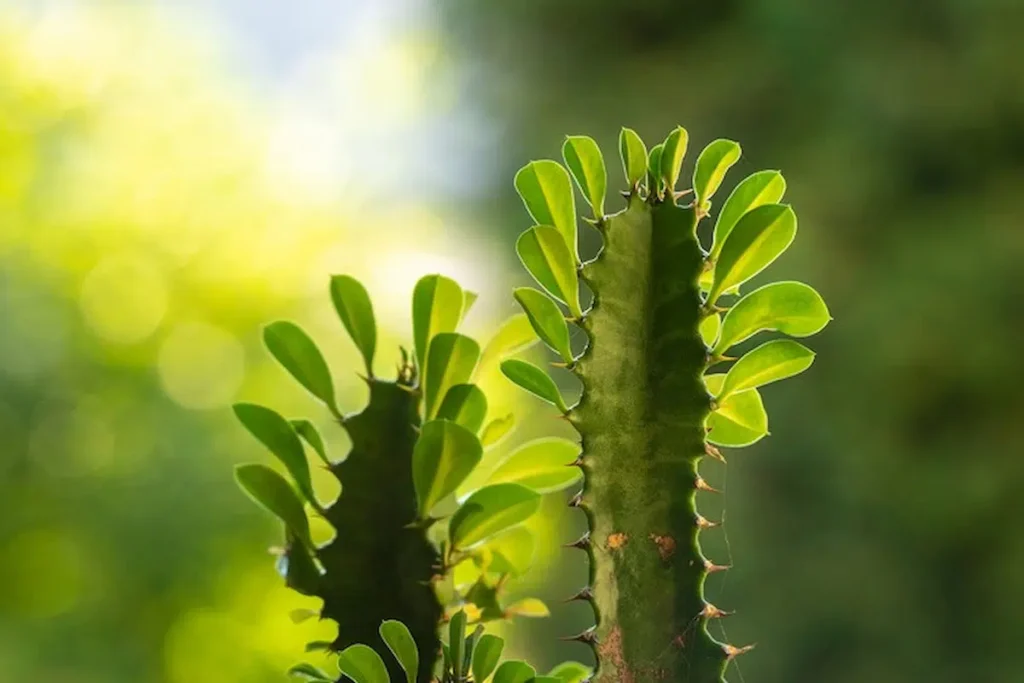
The African Milk Tree (Euphorbia trigona) is one of the most striking succulents you can add to a Palm Coast garden or patio — tall, sculptural, and surprisingly low-maintenance once you understand its needs. Despite the name, it’s not a true cactus or a “milk” plant in the dairy sense — the name comes from its milky white sap, which is toxic and demands careful handling.
At Dreamscapes Florida, we’ve helped homeowners across Flagler County, Flagler Beach, Bunnell, and Ormond Beach incorporate this architectural succulent into xeriscapes, container gardens, and sunny courtyard corners. Here’s exactly how to grow one successfully in our Central Florida climate.
What Is an African Milk Tree?
The African Milk Tree is a succulent shrub native to Central Africa, prized for its candelabra-like branching pattern, triangular ridged stems, and small oval leaves that emerge along the edges. In ideal conditions it can grow 6–9 feet tall outdoors, though most Florida homeowners keep it container-sized on a patio or lanai. It’s frequently confused with true cacti because of its spines, but it’s actually a Euphorbia — a genus known for milky, irritating sap.
Is African Milk Tree Suitable for Florida Gardens?
Yes — with the right placement. Florida’s USDA Hardiness Zone 9b climate (which covers Palm Coast, Flagler Beach, and most of Flagler County) supports African Milk Tree outdoors year-round in protected, well-drained spots. It thrives in our hot, humid summers but needs protection during rare winter cold snaps, since it’s not frost-tolerant below 30°F.
Light Requirements
African Milk Tree needs bright, direct to partial sun for at least 6 hours a day. In Central Florida’s intense summer sun, a spot with morning sun and light afternoon shade prevents stem scorch, especially for younger plants. Indoors, place it near a south- or west-facing window. Insufficient light causes leggy, weak growth and pale coloring.
Soil and Drainage
Like most succulents, African Milk Tree hates wet feet. Use a fast-draining cactus or succulent mix, or amend regular potting soil with perlite and coarse sand at a 1:1 ratio. In Palm Coast’s sandy native soil, drainage is rarely a problem outdoors, but raised beds or mounded planting areas help during our rainy summer season and reduce root rot risk.
Watering Schedule
Water deeply, then let the soil dry out completely before watering again — typically every 10–14 days in summer and every 3–4 weeks in cooler months. Overwatering is the number one cause of African Milk Tree decline in Florida’s humid climate. If you’re also maintaining other drought-tolerant plants, this pairs well with the low-water principles we cover in our Pampas Grass Guide, another Florida-friendly, drought-resistant landscape choice.
Temperature and Humidity
African Milk Tree prefers temperatures between 65–85°F and tolerates Florida’s summer humidity well. However, it cannot handle frost. During rare Palm Coast cold snaps (typically January), move container plants indoors or cover in-ground specimens overnight. Established outdoor plants in warm microclimates near Flagler Beach and Ormond Beach coastal areas generally fare better due to the moderating effect of the ocean.
Fertilizing
Feed with a diluted balanced or cactus-specific fertilizer once monthly during the growing season (spring through early fall). Skip fertilizing in winter when growth naturally slows.
Pruning and Propagation
Prune with gloves and eye protection — the sap is a skin and eye irritant. Cut stems can be dried for a few days to callus over, then propagated in dry succulent mix. This is a great low-cost way to expand a xeriscape section of your yard, similar to how we recommend layering textures in a Rustic Garden Ideas design for added visual interest without added water demand.
Toxicity and Safety Warning
The milky sap is toxic to humans and pets if ingested, and can cause skin and eye irritation on contact. Keep African Milk Tree away from curious pets and small children, and always wear gloves when pruning or repotting. Wash any sap contact with soap and water immediately.
Common Pests and Problems
- Mealybugs and spider mites — treat with insecticidal soap or neem oil
- Root rot — caused by overwatering or poor drainage; repot in dry, fast-draining soil
- Leggy growth — usually a sign of insufficient light
- Branch collapse — often from overwatering combined with cooler temperatures
Companion Planting Ideas for Florida Landscapes
African Milk Tree pairs beautifully with other drought-tolerant, textural plants in a xeriscape or Mediterranean-style bed. If you’re planning a broader succulent or drought-tolerant garden section, our African Iris Care Guide covers another low-water, high-impact plant that complements the African Milk Tree’s vertical form with soft, grassy texture at the base.
Should You DIY or Hire a Professional for Installation?
While African Milk Tree itself is a manageable DIY plant for containers, integrating it into a larger landscape design — with proper drainage beds, companion plantings, and irrigation zoning — is where professional expertise pays off. Dreamscapes Florida’s landscape design services in Palm Coast can help you incorporate architectural succulents like the African Milk Tree into a cohesive, low-maintenance yard plan tailored to Flagler County’s soil and climate conditions.
If you’re working with a larger property or a full landscape refresh across Palm Coast or Ormond Beach, our team also handles complete landscape installation services, from bed preparation to plant placement and irrigation.
Frequently Asked Questions
Is African Milk Tree the same as a cactus?
No. Despite its spiny, cactus-like appearance, the African Milk Tree is a Euphorbia, not a true cactus. True cacti belong to the Cactaceae family, while Euphorbias are a separate plant family that produces toxic, milky sap.
Can African Milk Tree survive Florida winters outdoors?
In Palm Coast’s Zone 9b climate, established African Milk Trees can survive mild winters outdoors in protected spots, but they need frost protection or should be moved indoors/covered when temperatures drop below 30°F.
How often should I water my African Milk Tree in Florida?
Water deeply and allow the soil to dry out completely between waterings — roughly every 10–14 days during hot summer months and every 3–4 weeks in cooler seasons. Florida’s humidity means overwatering, not underwatering, is the bigger risk.
Is the sap from African Milk Tree dangerous?
Yes. The milky white sap is toxic if ingested and can irritate skin and eyes on contact. Always wear gloves and eye protection when pruning, and keep the plant away from pets and children.
How tall does an African Milk Tree grow?
Outdoors in ideal conditions, it can reach 6–9 feet. In containers, it typically stays more compact, making it a manageable choice for Palm Coast patios and lanais.
What’s the best soil mix for African Milk Tree in Florida’s sandy soil?
A fast-draining cactus/succulent mix or standard potting soil amended with perlite and coarse sand works best. Florida’s naturally sandy soil already drains well, but raised beds help during the rainy season.