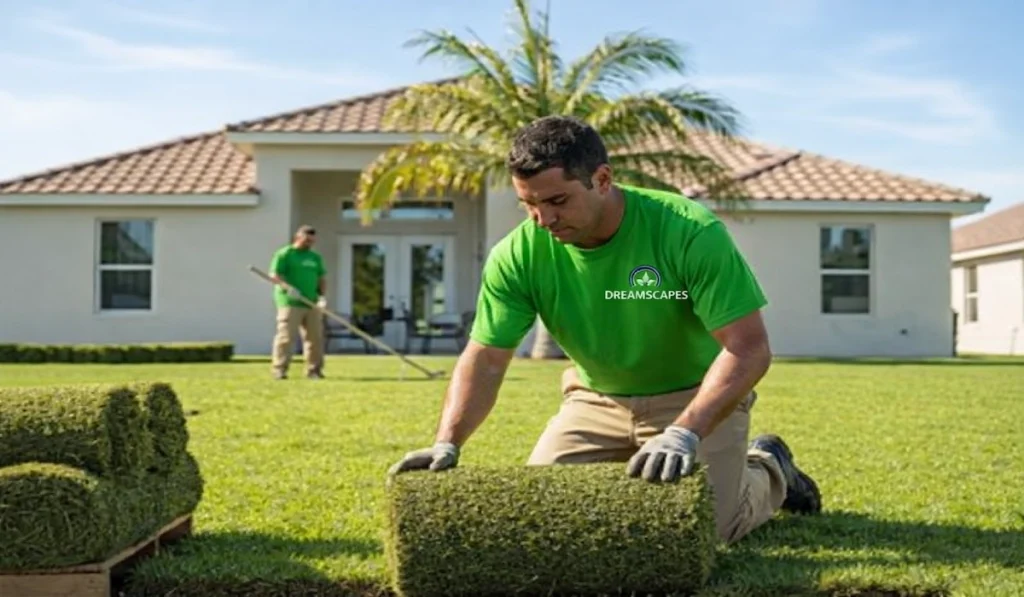
A few summers ago, I got a call from a homeowner in Lakeland who was furious. He had laid sod himself over a July weekend, watered it twice a day like the internet told him to, and three weeks later half of it was brown and crunchy. He wanted to know what he did wrong. The truth is, he hadn’t done much wrong at all. He just picked a tough week to do it, on top of a few small mistakes that timing alone won’t fix. That call is the reason I always tell people the same thing: when is the best time to lay sod matters just as much as how you lay it.
I’ve installed sod on hundreds of properties across Central Florida over the past fifteen years, and I can tell you that timing is the difference between a lawn that roots in three weeks and one that struggles for three months. This guide walks through everything I’ve learned about sod timing, grass types, soil prep, and watering, based on actual jobs, not theory.
Why Timing Matters More Than Most Homeowners Realize
Sod is essentially a transplant. You’re taking grass that’s been growing in a field, with an established root system in that soil, and asking it to send new roots into a completely different soil profile within a few weeks. If the conditions are right, that grass barely notices the move. If they’re wrong, it sits there using up stored energy and never quite settles in.
Three things drive root establishment: soil temperature, moisture, and sunlight. Warm soil speeds up root growth. Consistent moisture keeps the thin root mat from drying out before new roots can reach the ground beneath it. Sunlight fuels photosynthesis, which gives the grass the energy to push those roots down in the first place.
I’ve seen the same pallet of St. Augustine sod behave completely differently on two jobs a mile apart, just because one was installed in late March with mild temperatures and steady rain, and the other went down during a dry, windy spell in early June before the rainy season kicked in. The March lawn rooted in under three weeks. The June lawn needed almost six weeks of careful hand-watering to catch up, and a few thin patches never fully recovered until fall.
When Is the Best Time to Lay Sod?
The short answer: lay sod during the grass’s active growing season, when soil temperatures are warm and moisture is reliable, but before extreme heat or drought sets in.
For most of the country, that means late spring through early fall. For warm-season grasses specifically, the ideal window is when daytime temperatures consistently sit in the 75 to 90 degree range and nighttime temperatures stay above 60. That’s when the grass is naturally pushing new growth instead of just trying to survive.
Active growth matters because sod that’s actively growing top growth is also actively growing roots. Installing during dormancy, or right at the edge of a dormant period, means the grass is putting very little energy into anything, including the new root system it desperately needs.
The Best Time to Lay Sod in Florida
Florida is a different animal compared to most of the country, and I tell every client this upfront. We don’t really have a true winter dormancy the way Georgia or the Carolinas do, but our grasses still slow down significantly from December through February, especially north of Orlando.
In my experience, the best season for sod installation in most of Florida runs from March through early June, and again from September through October. That first window catches warm soil and the start of regular rainfall without the brutal heat of July and August. The second window takes advantage of cooling temperatures and the tail end of the rainy season, while still giving roots enough warmth to keep growing before any cool fronts move through.
I installed a zoysia lawn in Winter Garden in April two years ago, and the homeowner was mowing it for the first time within four weeks. That same spring, a neighboring job using the same grass variety, planted in late June right before a dry spell, took almost double the time to root out fully. Same crew, same soil prep, same grass. The only real difference was the calendar.
Spring Sod Installation: Pros and Cons
Spring is my favorite season for new lawn installation in Florida. Soil temperatures are warming up, daylight hours are increasing, and we usually get a decent mix of sun and rain without the punishing afternoon storms of summer. The grass roots in fast because everything in nature is waking up at the same time.
Challenges Homeowners Should Expect
Spring in Florida can still throw a dry spell at you, especially in March before the rains really start. I always tell clients to have irrigation ready before the sod arrives, not after. Spring pollen and weed pressure are also higher, so soil prep and pre-installation weed control matter more this time of year.
Benefits of Summer Installation
Summer gets a bad reputation, but it’s not all downside. Florida’s rainy season, typically June through September, provides consistent natural moisture that can actually reduce how much supplemental watering you need. Soil is at its warmest, and warm-season grasses like St. Augustine and centipede are in full active growth.
Common Mistakes to Avoid
The mistake I see constantly is homeowners assuming the rain will do all the watering for them. Florida summer storms are often short, intense, and localized. You can get a downpour two streets over and nothing on your new sod. I always recommend treating irrigation as the primary water source and rain as a bonus, not the other way around. The other issue is heat stress. Newly laid sod with a shallow root system can scorch fast during a string of 95-degree days, so afternoon installations and inconsistent watering during a heat wave are a recipe for trouble.
Fall Sod Installation: An Underrated Opportunity
Fall doesn’t get talked about enough. September and October in Florida still have warm soil left over from summer, rain is still reasonably reliable, and the brutal heat has usually broken by then. I’ve had some of my best-rooting lawns go in during this window, with none of the heat stress drama of July installations.
Situations Where Fall May Not Be Ideal
If you install too late in the fall, say late November, you’re racing against the cooler temperatures and shorter days of winter. The grass may not have enough time to root deeply before growth slows down for the cooler months, which can leave it more vulnerable to winter stress and weed pressure in spring.
Can You Lay Sod During Winter?
Winter sod installation in Florida is possible, but it comes with real tradeoffs. Warm-season grasses go semi-dormant when temperatures drop, especially in North and Central Florida where overnight lows can dip into the 40s. During dormancy, root growth slows dramatically, so the sod isn’t anchoring itself the way it would in warmer months.
I have installed sod in winter for clients who needed it for a sale closing or an event, and it can work if you’re patient and diligent with watering. But I’m upfront that it will take noticeably longer to root, and the lawn will likely look a bit dull or off-color until spring growth kicks back in. It’s a workable exception, not the recommended plan.
How Different Grass Types Affect Sod Installation Timing
St Augustine Sod
St Augustine sod installation works best in the same spring and early fall windows I mentioned above. This grass is sensitive to cold and slow to establish in cool soil, so I avoid installing it during winter unless there’s no other option.
Zoysia Sod
Zoysia sod installation follows a similar pattern but is slightly more cold-tolerant than St Augustine. It still roots fastest in warm weather, though I’ve had reasonable luck installing it into early November in Central Florida.
Centipede Sod
Centipede grass sod is a bit more forgiving of average soil but still needs warm temperatures to root well. I generally recommend the same spring through early fall timeline, and I’m extra cautious about overwatering centipede, since it’s more prone to root rot than other warm season grasses.
Bermuda Sod
Bermuda is the most heat and drought tolerant of the bunch and roots remarkably fast in summer heat, often faster than the other warm season grasses on this list. It does go more dormant in winter than zoysia, so I keep Bermuda sod installations within the same warm-season windows whenever possible.
How I Prepare Soil Before Every Sod Installation
I never skip a thorough soil preparation process before any sod installation, and here’s exactly how I approach it.
Soil Testing
I never skip this step, even though plenty of installers do. A simple soil test tells you pH and major nutrient levels, which determines what amendments the new lawn actually needs instead of guessing.
Removing Weeds
Existing weeds and old grass need to be fully killed or removed before new sod goes down. Sod laid over live weeds almost always results in those weeds pushing right back through within a month.
Grading
Proper grading prevents water from pooling against the house or in low spots in the yard. I always check that the yard slopes gently away from the foundation before any sod arrives.
Improving Drainage
In areas with heavy clay or compacted soil, I’ll often till in coarser material or address drainage issues directly, since waterlogged roots are one of the fastest ways to lose new sod.
Adding Organic Matter
A layer of quality topsoil or compost gives new roots something soft and nutrient-rich to grow into immediately, rather than fighting through compacted dirt.
Final Soil Preparation Checklist
Before sod ever touches the ground, I confirm the soil is tilled, graded, free of debris and weeds, lightly moist, and level. Skipping any one of these is how you end up with bumpy lawns or sod that struggles in patches.
What Happens During the First 30 Days After Sod Installation?
Week 1
This is the most fragile period. Roots haven’t formed yet, so the sod is essentially floating on top of the soil. Watering needs to be frequent and light to keep the root zone consistently moist.
Week 2
Early rooting begins. You can usually tug gently at the corner of a piece and feel slight resistance. Watering frequency can start to decrease slightly while still keeping the soil moist.
Week 3
Root systems are extending deeper and connecting into the native soil below. Mowing can typically begin carefully once the grass reaches mowing height and resists a gentle tug.
Week 4
Most well-managed installations are showing solid root anchoring by this point, and watering can shift toward a deeper, less frequent schedule that encourages roots to grow downward rather than staying near the surface.
New Sod Watering Schedule That Actually Works
Getting your sod watering schedule right in the first month is one of the most important things you can do for a new lawn.
Daily Watering Guidance
For the first seven to ten days, I recommend watering once or twice daily, enough to keep the top inch of soil consistently moist without standing water. The goal is moisture, not flooding.
Seasonal Adjustments
In hot, dry stretches, that frequency may need to increase slightly. During Florida’s rainy season, natural rainfall can reduce how much supplemental watering is needed, but I still check soil moisture manually rather than assuming the rain was enough.
Common Overwatering Mistakes
The biggest mistake I see is homeowners drowning new sod because they think more water always means faster rooting. Overwatering actually suffocates developing roots and invites fungal problems, particularly in centipede and St Augustine.
Signs Sod Is Receiving the Right Amount of Water
Healthy new sod should look slightly cool and matte green, with soil that feels moist but not soggy when you press a finger into it. If water is pooling on the surface or running off, you’re applying it too fast or too much.
How Long Does Sod Take to Root?
Most warm-season grasses begin developing initial roots within seven to fourteen days under good conditions, with stronger establishment by the three to four week mark. Full establishment, where the lawn can handle regular foot traffic and reduced watering, typically takes six to eight weeks.
Tug Test Explanation
The simplest way to check rooting is the tug test. Grab a small section of grass and gently pull upward. If it resists and stays anchored, roots are developing. If it lifts easily off the soil, it needs more time.
Factors Affecting Rooting Speed
Soil temperature, watering consistency, grass type, and how well the soil was prepared all affect how fast rooting happens. Sod laid during ideal seasonal windows on well-prepped soil with consistent watering will almost always root faster than sod fighting against poor timing or poor prep.
Biggest Sod Installation Mistakes I See Homeowners Make
After working with countless clients on landscape installation projects, these are the mistakes that come up again and again.
Poor Timing
Installing during the hottest, driest stretch of summer or the coldest weeks of winter sets the lawn up for a harder establishment period from day one.
Incorrect Watering
Both underwatering and overwatering cause serious problems, and most homeowners lean too far in one direction or the other rather than finding the consistent middle ground new sod actually needs.
Walking on New Sod
Foot traffic during the first couple of weeks can shift pieces out of place and damage the fragile root connections that are just starting to form.
Poor Soil Preparation
Sod laid directly over compacted, weedy, or poorly graded soil rarely performs as well, no matter how good the sod itself is.
Delayed Irrigation
Sod that sits for more than thirty minutes without water after installation, especially in warm weather, can dry out before it ever gets the chance to root.
Signs Your New Sod Is Establishing Properly
Healthy Color
A consistent, vibrant green color across the lawn is one of the clearest signs things are going well, as opposed to yellowing or browning patches.
New Growth
Visible new blade growth, especially after the first mow, signals the grass has shifted its energy from survival mode into active growth.
Strong Roots
A firm tug test response by week two or three is a reliable sign that root development is on track.
Even Coverage
Uniform thickness and color across the yard, without thin or patchy areas, usually means watering and soil conditions were consistent throughout installation.
Final Thoughts
After fifteen years of installing sod across Florida, the lesson that sticks with me most is simple: good sod can fail with bad timing, and average soil prep can succeed with good timing and proper care. The two work together. Getting both right is what separates a lawn that thrives within a month from one that limps along all summer.
If you’re planning a new lawn installation and want it done right the first time, proper timing, soil preparation, and grass selection all matter more than people expect. This is the kind of project where upfront guidance on professional sod installation saves a lot of frustration later. At Dreamscapes Florida, this is the exact process my crews and I follow on every property. You can learn more about our lawn maintenance services or get in touch through Dreamscapes Florida if you’d like help getting your new lawn started on the right foot.
Frequently Asked Questions
When is the best time to lay sod in Florida?
The best windows are typically March through early June and September through October, when soil is warm and rainfall is reasonably consistent without extreme summer heat.
Can sod be installed year-round?
Technically yes, but winter installations root more slowly due to semi-dormancy in warm-season grasses, and summer installations require more careful watering due to heat stress.
How often should I water newly installed sod?
Plan on watering once or twice daily for the first week to ten days, keeping the top inch of soil consistently moist, then gradually reducing frequency as roots establish.
How long before sod can be walked on?
Light foot traffic is usually fine after two to three weeks once a tug test shows root resistance, with regular use typically safe after four to six weeks.
What type of sod grows best in Florida?
St Augustine, zoysia, centipede, and Bermuda are the most common warm-season grasses used here, with the right choice depending on sun exposure, foot traffic, and maintenance preferences.
How do I know if my sod has rooted?
The tug test is the most reliable check. If the grass resists a gentle pull and stays anchored to the soil, roots are developing properly.