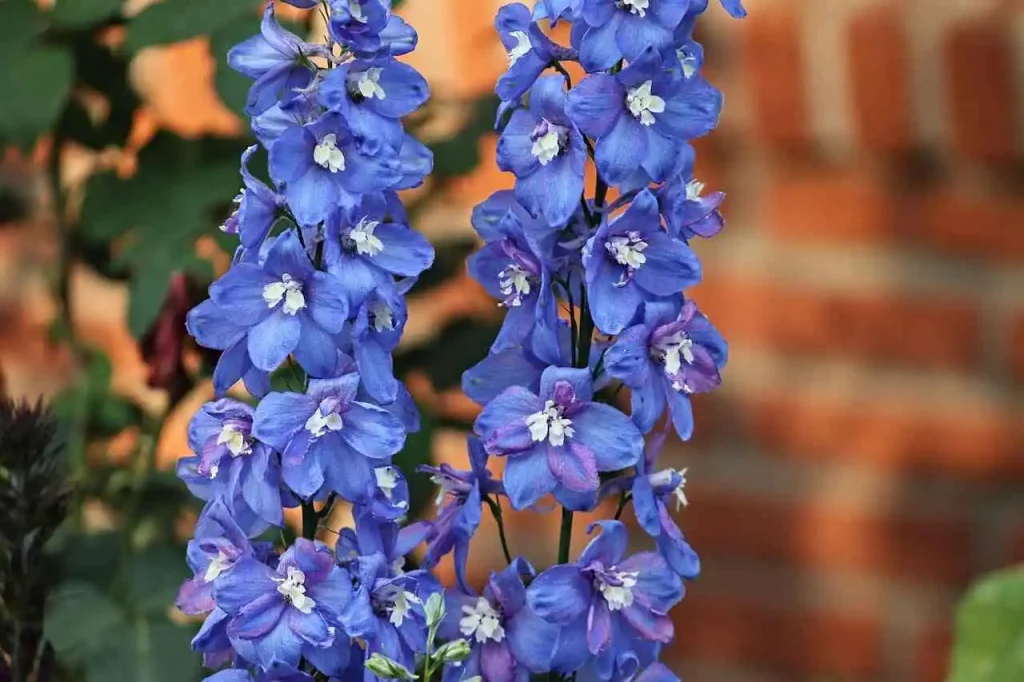
Blue spur flower (Plectranthus barbatus, sometimes sold as Plectranthus or Cuban oregano’s flowering cousin) is one of the easiest plants to fall in love with — soft blue-purple blooms, fast growth, and almost no complaining. In Palm Coast and along the Flagler Beach coastline, it’s become a go-to for homeowners who want colour without a demanding maintenance schedule. This guide covers everything from blue spur flower sun or shade preferences to pruning, propagation, and winter care.
Is Blue Spur Flower an Annual or a Perennial?
This is the most common question we get. The answer depends on climate. In Central and North Florida — Palm Coast, Ormond Beach, Daytona Beach — blue spur flower usually behaves as a tender perennial, surviving mild winters with minor dieback. In colder inland regions, it’s grown as an annual since it won’t tolerate hard frost. It also has a notably fast growth rate, often flowering within weeks of planting.
Sunlight and Soil Requirements
Blue spur flower does best in full sun to partial shade. In Florida’s peak summer heat, a little afternoon shade prevents leaf scorch and stress. Soil should be loose, well-draining, and rich in organic matter — the same fundamentals covered in our potting soil mix guide, which breaks down how to build the right blend for flowering plants.
If you’re prepping a new bed specifically for it, our guide on how to plan and create a planting bed walks through soil prep and layout before you plant.
Watering and Feeding
Keep soil consistently moist but never soggy — overwatering is the fastest way to damage the roots. Check the top inch of soil before watering, especially in containers. For a deeper look at watering fundamentals, see our guide on how much water a lawn (and surrounding beds) actually need.
Feed with a balanced fertiliser every few weeks during the growing season. Consistent feeding is what keeps blue spur flower blooming continuously rather than in short bursts.
Pruning and Deadheading
Regular pruning keeps the plant compact and encourages fuller blooms. Deadheading — removing spent flowers — significantly extends the blooming season. With proper care, blue spur flower can bloom for several months straight, especially in Florida’s long warm season.
How to Propagate Blue Spur Flower
Propagation is beginner-friendly and works two ways:
- From seed: Sow in moist soil, keep warm, and germination happens fairly quickly.
- From cuttings: Snip a healthy stem, root it in moist soil or water, and you’ll have a new plant within weeks.
This makes it an easy plant to multiply across a bed or share with neighbors without buying new stock every season.
Growing Blue Spur Flower in Containers
Blue spur flower does beautifully in pots, window boxes, and hanging baskets. Make sure containers have drainage holes and are filled with a light, well-draining mix — again, our potting soil mix guide covers container-specific blends.
For indoor growing, it needs bright light, good airflow, and moderate watering. If you’re pairing it with other indoor flowering plants, check out indoor plants that purify air for companion options.
Climate, Temperature, and Humidity
Blue spur flower tolerates mild to warm conditions well but doesn’t handle frost. Moderate humidity suits it well, which is part of why it performs so well in Florida’s coastal climate compared to drier inland regions.
Pests, Diseases, and Common Problems
Like most outdoor plants, blue spur flower can attract aphids or develop fungal issues when airflow is poor. Regular inspection and proper watering habits prevent most problems before they start.
Landscaping and Companion Planting
Blue spur flower works well as ground cover, border planting, or a companion piece in a larger bed. It pairs nicely with other low-maintenance bloomers — see our guides on hydrangea care and African iris care for planting partners with similar sun and water needs.
If you’re leaning toward a more relaxed, natural-feeling bed, it also fits well into a rustic garden design. For a full layout plan around your home, our landscape design services can help map out a cohesive planting scheme.
Winter Care Tips
In colder snaps, move container plants indoors or treat them as annuals. In Palm Coast’s typically mild winters, light frost protection is usually enough to carry the plant into next season. For added winter colour while blue spur flower is dormant or scaled back, pair it with entries from our top 15 winter flowers list.
Frequently Asked Questions
Is blue spur flower an annual or a perennial?
It depends on climate — a tender perennial in warm regions like Palm Coast, and an annual in colder climates where it can’t survive frost.
How often should I water blue spur flower?
Keep soil consistently moist but not soggy. Check the top inch before watering, and adjust more frequently for container plants than in-ground beds.
Can blue spur flower be grown indoors?
Yes — bright indirect light, good airflow, and moderate watering make it a solid choice for window boxes and indoor containers.
Does blue spur flower survive winter in Florida?
In Palm Coast, Flagler Beach, and surrounding areas, it generally survives mild winters with light protection. It won’t tolerate a hard frost, so bring containers in during cold snaps.
Is blue spur flower drought-tolerant?
It handles brief dry spells once established but performs best with consistent moisture — it’s not a true xeriscape plant.
Final Thoughts
Blue spur flower is one of the lowest-effort ways to add long-lasting colour to a Florida yard. Whether you’re planting it as a border, a container feature, or a filler between larger shrubs, the care routine stays simple: sun, moderate water, and occasional pruning. If you’d like help designing a bed or border around your Palm Coast, Flagler Beach, or Ormond Beach home, explore our landscaping services or reach out for a free consultation.