
The Chinese Lantern plant (Physalis alkekengi) is a striking perennial known for its bright orange, papery husks that resemble tiny lanterns — making it a favourite for gardens, dried flower arrangements, and fall décor. Growing Chinese Lantern plants is surprisingly easy, even for beginner gardeners, since they thrive in most soil types and require minimal maintenance once established.
To successfully grow and care for Chinese Lantern, plant it in well-drained soil with full to partial sunlight, water moderately, and give it room to spread, as this plant is a vigorous grower that can become invasive if left unchecked. With the right care, Chinese Lantern plants produce their signature glowing pods from late summer through fall.
In this guide, we’ll cover everything you need to know — from planting and watering to pruning, propagation, and controlling its spread in your garden.
What is a Chinese Lantern Plant?
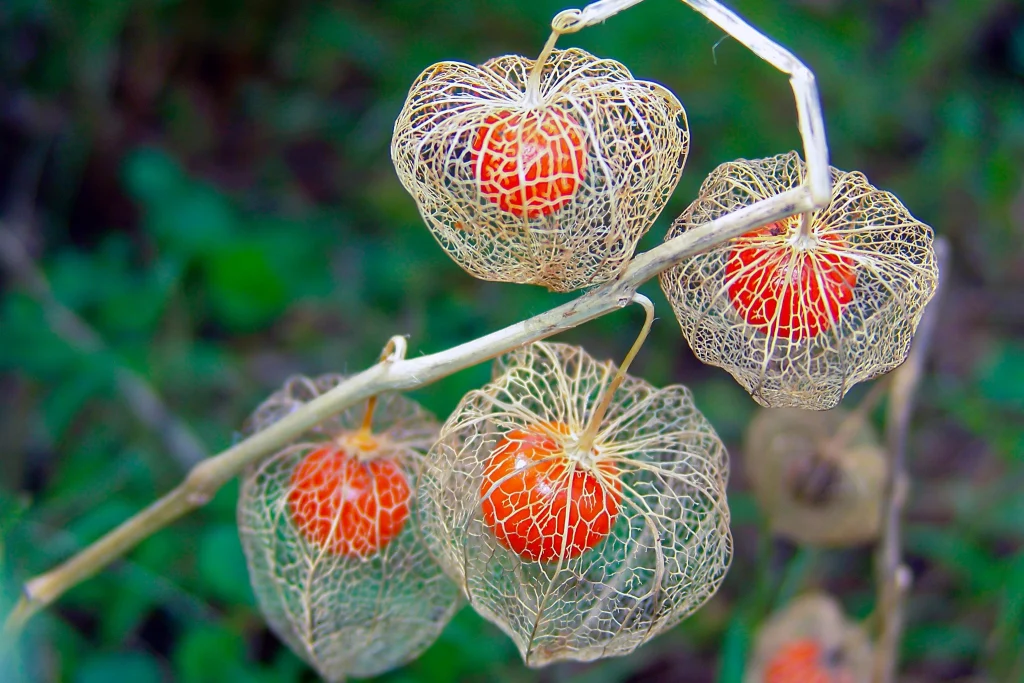
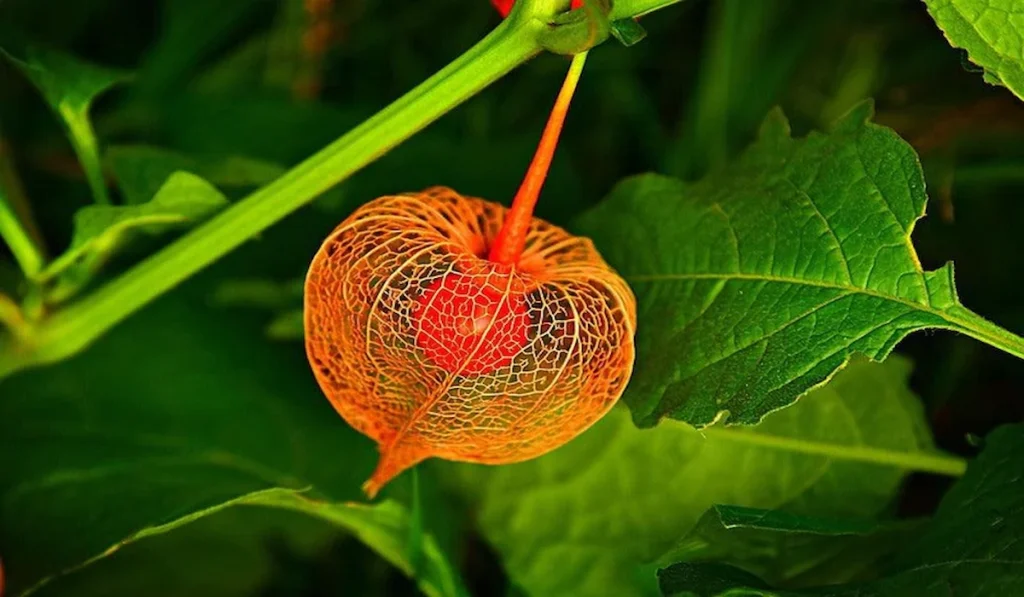
Chinese Lantern belongs to the genus Physalis, part of the nightshade (Solanaceae) family — the same family as tomatoes and tomatillos. What sets it apart is its calyx: after the small white summer flowers fade, the papery covering around the fruit inflates and turns a vivid orange-red, forming the signature “lantern” shape. Native to Asia and southeastern Europe, it has since naturalised across many temperate regions and is widely grown for cut-flower arrangements, wreaths, and autumn décor rather than for its fruit, which is rarely eaten fresh.
Benefits of Growing Chinese Lantern
Beyond its eye-catching appearance, the Chinese Lantern plant offers several practical benefits that make it a rewarding addition to any garden:
- Striking ornamental value – The vibrant orange husks add unique fall colour and texture, standing out in garden beds, borders, and containers.
- Excellent for dried arrangements – Once dried, the papery pods retain their colour for months, making them popular in wreaths, bouquets, and seasonal décor.
- Low maintenance – Chinese Lantern tolerates a range of soil conditions and requires minimal watering or fertilising once established.
- Attracts pollinators – Its small white flowers draw bees and other beneficial insects earlier in the growing season.
- Cold-hardy perennial – Returns year after year in USDA zones 3–9, offering long-term value with little replanting.
- Natural ground cover – Its spreading habit helps fill garden space quickly, useful for naturalising wilder garden areas.
How to Plant Chinese Lantern

Growing Chinese Lantern starts with choosing the right spot and preparing the soil. Follow these steps to get started:
Choosing the Right Location
Chinese Lantern plants prefer full sun to partial shade. They thrive in areas that receive at least six hours of sunlight per day. Make sure the spot you choose has good drainage, as the plant doesn’t like to sit in water.
Soil Requirements
The soil should be well-draining and slightly acidic to neutral. You can mix compost or organic matter into the soil to improve its fertility. Chinese Lantern plants don’t require especially rich soil, but well-drained soil will help them grow better.
Planting Process
Start from seeds: You can start Chinese Lantern plants from seeds indoors, 6–8 weeks before the last frost. Plant seeds about 1/4 inch deep in seed-starting soil, and keep them in a warm, sunny location to promote germination.
Transplant outdoors: Once the last frost has passed, transplant the seedlings outdoors. Space them about 18–24 inches apart to allow for their spread.
Planting mature plants: If you’re planting mature plants, dig a hole about the size of the root ball, gently place the plant into the hole, fill it in with soil, and water thoroughly.
Caring for Your Chinese Lantern Plant
After planting, the next step is to care for your Chinese Lantern so it grows strong and healthy.
Watering
Chinese Lantern plants like moderate watering. Water the plant regularly, especially during dry periods, but avoid overwatering. The soil should be kept moist but not soggy. Once established, the plant will tolerate some drought but still appreciate regular watering. For a clearer understanding of proper watering, I recommend this detailed guide on how much water a lawn needs to grow healthy and strong.
Fertilizing
While Chinese Lantern plants don’t need a lot of fertiliser, you can give them a boost with a balanced, slow-release fertiliser during the growing season. Apply the fertiliser in early spring, right before new growth starts.
Pruning
Pruning is not essential for the Chinese Lantern plant, but it can help maintain its shape and health. After the plant finishes flowering, you can cut back the stems to encourage new growth. Remove any dead or damaged branches throughout the growing season to maintain a tidy appearance.
Support for Tall Plants
Chinese Lantern can grow up to 3 feet tall and may require support to prevent stem breakage. Use a stake or trellis to help the plant stay upright, especially during windy weather.
Common Problems and Solutions
Like any plant, Chinese Lantern is susceptible to a few issues. Here are some common problems you may encounter, along with solutions to fix them.
Pests
- Aphids: Aphids are small insects that can suck the sap from the plant, weakening it. To treat aphids, spray the plant with a strong stream of water to knock them off. Alternatively, you can use insecticidal soap.
- Slugs and Snails: These pests can damage the leaves. You can reduce their numbers by using slug bait or creating barriers around the plant.
Diseases
- Root Rot: If the plant is overwatered or the soil drains poorly, it may develop root rot. To prevent this, ensure your soil is well-draining and avoid overwatering.
- Powdery Mildew: This fungal disease appears as white, powdery spots on the leaves. To treat powdery mildew, remove affected leaves and apply a fungicide or a natural remedy such as a baking soda spray.
Yellowing Leaves
If the leaves of your Chinese Lantern start turning yellow, it could be a sign of overwatering or nutrient deficiencies. Check soil moisture and reduce watering as needed. You can also add some balanced fertiliser to the soil to restore nutrients.
Harvesting Chinese Lantern

One of the most exciting parts of growing Chinese Lanterns is harvesting the unique fruits. Here’s how to do it:
When to Harvest
Chinese Lanterns are typically ready to harvest in late summer or early fall, when the lantern-like husks have turned bright orange or red. The husk will be dry and papery, with a small, round, yellow fruit inside.
How to Harvest
To harvest, gently cut the stems of the fruiting pods with sharp scissors or pruning shears, being careful not to damage the plant. Once harvested, you can use the lanterns fresh or dry them for use in crafts or floral arrangements.
Propagating Chinese Lantern

If you want to grow more Chinese Lantern plants, you can propagate them by division or stem cuttings.
Propagation by Division
In early spring or fall, dig up the plant and divide the root ball into smaller sections. Each section should have some roots and stems. Replant each section in a separate spot.
Propagation by Stem Cuttings
Cut a healthy stem, about 4-6 inches long, and remove the leaves from the bottom half. Dip the cut end in rooting hormone and plant it in a pot with moist soil. Keep the cutting in a warm location with indirect sunlight until it roots, then transplant it to your garden.
Overwintering Chinese Lantern
In colder climates, Chinese Lantern is a perennial, meaning it will survive the winter and return in the spring. However, it may benefit from some protection during the cold months.
Winter Care Tips
- Mulching: Apply a layer of mulch around the base of the plant to insulate the roots from freezing temperatures.
- Cutting Back: After the plant dies back in the fall, cut it back to the ground. This will encourage fresh growth in the spring.
- Protection: In regions with severe winters, cover the plant with burlap or another material to protect it from snow and ice.
Conclusion
Growing and caring for Chinese Lantern plants can be a rewarding experience. With the right growing conditions, care, and attention, you can enjoy their beautiful, lantern-like fruits year after year. Whether you’re using them in floral arrangements or simply enjoying their striking beauty in your garden, Chinese Lantern plants are a fantastic addition to any outdoor space. By following the steps outlined in this guide, you’ll have a healthy and thriving Chinese Lantern plant in no time.
Common Questions About Growing and Caring for Chinese Lantern Plants
This section answers the most frequently asked questions about Chinese lantern plants. It covers sunlight, spreading habits, toxicity, and tips for keeping them healthy in your garden.
Do Chinese lanterns like full sun or shade?
Chinese lanterns prefer full sun to partial shade. Too much shade can reduce flowering and make plants leggy.
Are Chinese lanterns legal in Florida?
In Florida, the use of traditional Chinese lanterns (sky lanterns with a flame) is generally prohibited in many areas because they can cause fires and litter when they fall to the ground. Many counties and cities have rules that either prohibit outdoor releases or ban them altogether to protect public safety and the environment.
Do Chinese lantern plants spread quickly?
Yes, Chinese lantern plants can spread quickly if not managed. They produce underground runners and self-seeding pods, which can take over garden beds over time.
Is Chinese lantern plant toxic to touch?
Yes, Chinese lantern plants (Physalis alkekengi) are mildly toxic if touched or ingested, especially the leaves and unripe fruit. Skin contact can sometimes cause irritation, so it’s best to wear gloves when handling them.
Do Chinese lanterns have deep roots?
Yes, Chinese lantern plants develop moderately deep roots with spreading rhizomes. These roots help the plant spread quickly and can make it persistent in garden beds if not controlled.