

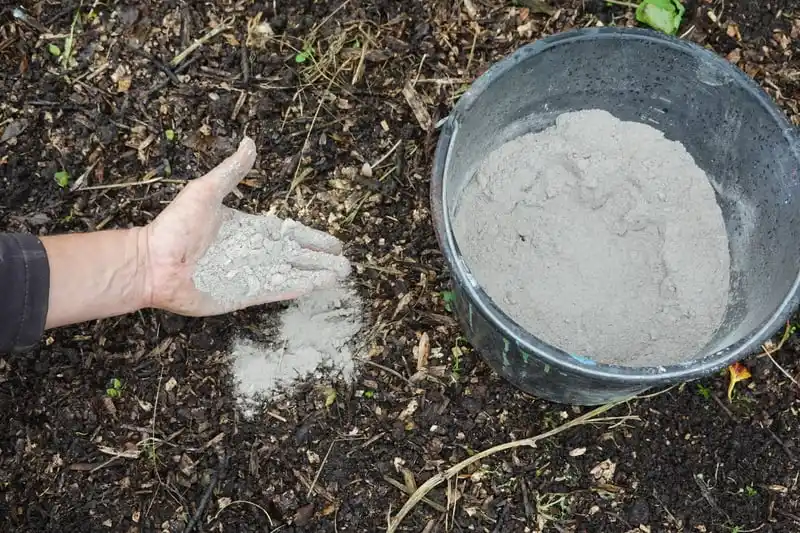
Coal ash, a byproduct of coal combustion in power plants and industrial processes, is widely used in construction and agriculture. However, its use in garden soil has raised concerns among gardeners, environmentalists, and scientists.
While coal ash can offer certain benefits, its impact on garden soil can be both positive and negative. In this guide, we will explore the potential effects of coal ash on garden soil, its benefits and risks, and what you need to know before considering its use in your garden.
What is Coal Ash?
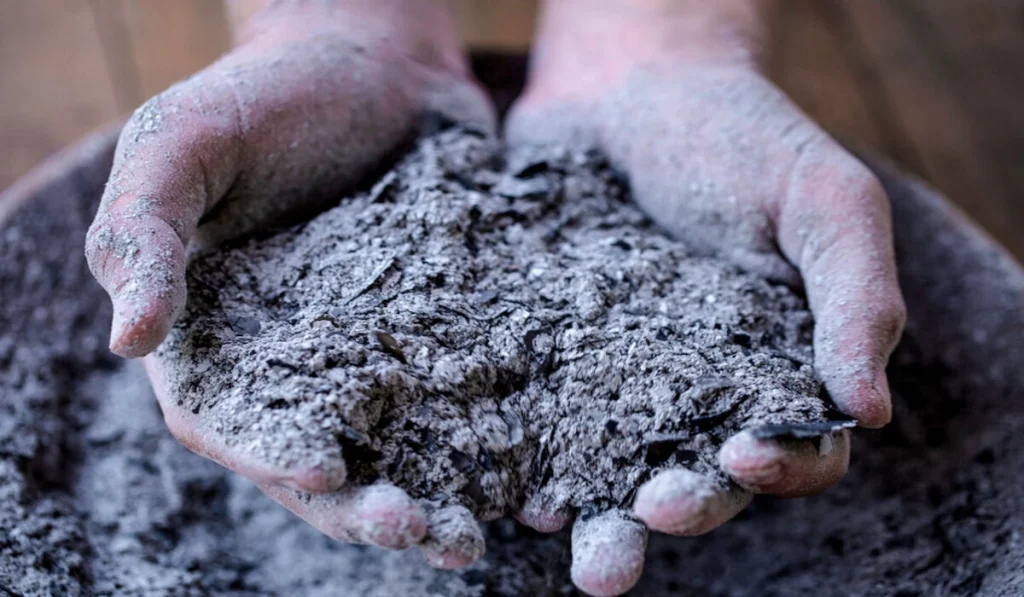
Coal ash is the residue left after coal is burned. It consists of two main components:
- Fly Ash: The fine, powdery residue that rises with smoke during combustion and is captured by air filtration systems.
- Bottom Ash: The heavier residue that settles at the bottom of the combustion chamber.
Coal ash contains various minerals, including silica, alumina, calcium oxide, and iron. It can also contain trace elements such as arsenic, lead, and mercury, which can be harmful at certain concentrations.
Benefits of Using Coal Ash in Garden Soil
Improved Soil pH: One of the main advantages of using coal ash is its ability to raise the pH of acidic soils. Coal ash is alkaline, so it can help neutralise soils that are too acidic, which can stunt plant growth.
Enhanced Nutrient Content: Coal ash contains minerals like calcium, magnesium, potassium, and phosphorus, which are beneficial for plant growth. These nutrients can promote healthy root development and overall plant vitality.
Improved Drainage: Coal ash can improve the drainage of heavy, clayey soils. It helps to break up compacted soil, allowing air and water to reach plant roots more effectively.
Weed Control: The alkaline nature of coal ash can suppress weed growth, particularly in areas with persistent weed infestations.
Risks of Using Coal Ash in Garden Soil
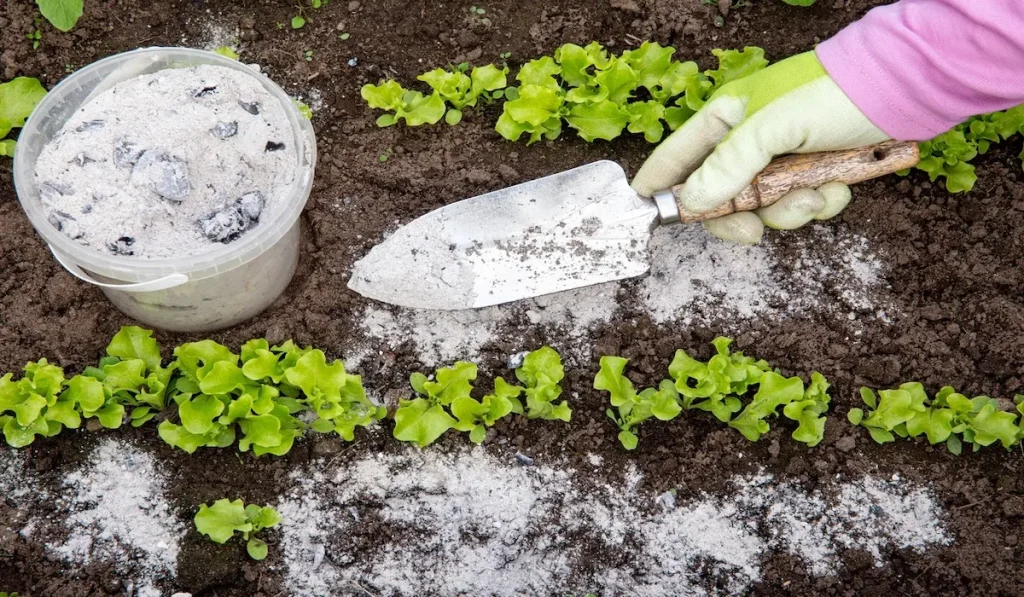
- Heavy Metal Contamination
One of the most significant concerns with the use of coal ash in garden soil is the potential for heavy metal contamination. Coal ash can contain trace amounts of toxic metals, including arsenic, lead, cadmium, and mercury.
These metals can accumulate in the soil over time, potentially contaminating plants, groundwater, and the surrounding ecosystem. These metals are harmful to both plants and humans.
- Soil Toxicity
Excessive application of coal ash can cause soil toxicity. High concentrations of coal ash can alter the soil’s chemical composition, making it inhospitable for plants. Some plants may experience nutrient imbalances, while others may be unable to absorb nutrients properly.
- Impact on Soil Microorganisms
Coal ash can negatively affect soil microorganisms, which are essential for nutrient cycling and soil health. An imbalance in microbial populations can reduce soil fertility and hinder plant growth.
- Phosphorus Overload
While phosphorus is a necessary nutrient for plants, excessive phosphorus in the soil can lead to nutrient imbalances. Overuse of coal ash, which can be high in phosphorus, may cause issues such as poor plant growth or run-off that affects nearby water bodies.
- Environmental Impact
Improper disposal or overuse of coal ash can lead to environmental pollution. Run-off from coal ash can contaminate nearby streams, rivers, and lakes, causing ecological damage.
Best Practices for Using Coal Ash in Garden Soil
If you decide to use coal ash in your garden, use caution. Here are some best practices to minimise the risks and maximise the benefits:
- Test Your Soil
Before adding coal ash to your garden soil, test the soil’s pH and nutrient levels. This will help you determine whether your soil requires lime or whether coal ash is an appropriate solution.
- Limit the Amount
Apply coal ash sparingly. Overuse can lead to soil toxicity and contamination. A general guideline is to apply 10-15 lb/100 ft2 of garden area. Avoid spreading it too thickly or in concentrated spots.
- Mix with Other Amendments
Coal ash should not be the sole soil amendment. Mix it with compost, organic matter, or other fertilisers to balance the nutrients and prevent overloading the soil with specific minerals.
- Monitor Plant Health
After applying coal ash, closely monitor the health of your plants. If you observe signs of nutrient imbalances, stunted growth, or toxicity, discontinue the use of coal ash and consider alternative amendments.
- Avoid Using in Certain Gardens
Do not use coal ash in vegetable gardens, especially if you are growing crops that will be consumed. The potential for heavy metal uptake in edible plants is a serious concern.
- Avoid Using on Acid-Loving Plants
Do not apply coal ash to plants that thrive in acidic soils, such as blueberries, azaleas, or rhododendrons, as it may alter the pH and harm these plants.
- Use for Non-Edible Plants
Coal ash can be more safely used in ornamental or non-edible plant gardens, where the risk of heavy metal contamination in the food chain is not a concern.
Alternative Soil Amendments
If you’re concerned about the potential risks of coal ash but still want to improve your garden soil, there are alternative amendments to consider:
- Compost: Organic compost adds nutrients to the soil, improves its structure, and supports beneficial microbial life.
- Lime: If you’re aiming to raise the pH of acidic soil, lime is a safer alternative to coal ash.
- Wood Ash: While also alkaline, wood ash contains fewer harmful heavy metals and may be a better choice for raising soil pH.
Conclusion
Coal ash can have both beneficial and harmful effects on garden soil, depending on its use and soil conditions. While it can improve soil pH, add essential nutrients, and enhance drainage, the risks associated with heavy metal contamination and soil toxicity cannot be ignored. If you choose to use coal ash, it is important to apply it cautiously, monitor plant health, and test the soil regularly to ensure it remains safe for both the garden and the environment.
In many cases, alternative soil amendments may provide a safer and more effective solution. Always remember, the health of your plants and the environment should be your top priority when making decisions about soil amendments.