

Spring brings new life to outdoor spaces, but a garden cannot recover on its own after winter. Cold weather, heavy rain, and lack of sunlight often compact the soil and stress plants. Preparing your garden early helps plants grow stronger and reduces problems later in the season. With the right steps, your garden can look healthier, grow faster, and stay easier to manage. This guide explains how to prepare your garden clearly and simply, even if you are new to gardening.
Understanding the Condition of Your Garden After Winter
Before starting any work, it is important to understand what winter has left behind. Many issues are not obvious at first glance, such as weak soil structure or damaged roots. Walking through your garden and checking each area helps you notice broken branches, soggy spots, and areas where plants did not survive. This early inspection helps you decide what needs fixing and what can stay. Taking time at this stage prevents wasted effort later.
Clearing Garden Beds Without Hurting the Soil
Cleaning garden beds is one of the first hands-on tasks of spring. Old leaves, dead plants, and weeds block sunlight and trap moisture around roots. Removing this debris allows air and warmth to reach the soil. It is important to gently clear the area to avoid disturbing new shoots hidden below the surface. Healthy plant matter can be added to compost, reducing waste and supporting soil health later in the season.
Improving Soil Quality for Strong Plant Growth
Soil often becomes hard and tired after winter. Breaking up compacted soil allows water and nutrients to move freely. Adding compost improves texture and helps roots spread naturally. This step also supports helpful organisms living in the soil. When soil is prepared properly, plants grow with fewer problems and need less care during the growing season.
Repairing Garden Edges, Beds, and Walkways
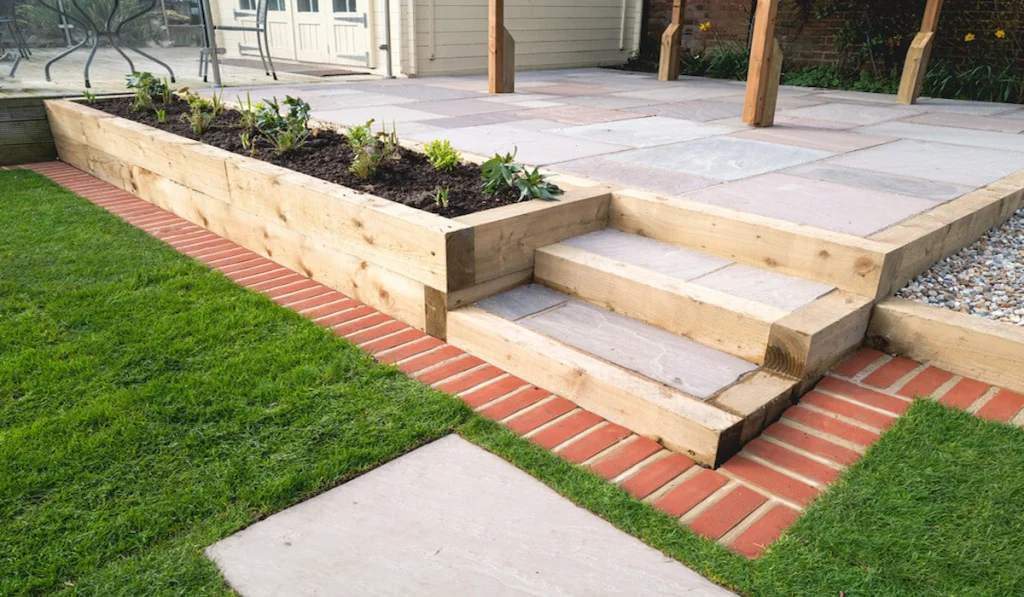
Winter weather can shift stones, crack borders, and blur garden lines. Fixing these areas early keeps your garden neat and easier to maintain. Clear edges also help separate lawns from garden beds, making watering and mowing simpler. Small repairs done now prevent larger problems later when plants are already growing and space becomes limited.
Applying Mulch to Protect and Support the Soil
Mulch plays a big role in spring garden preparation. It helps retain soil moisture while preventing weeds from taking over. Applying mulch at the right time protects roots from sudden temperature changes. Organic mulch slowly breaks down and feeds the soil. Spreading it evenly creates a clean and finished look across garden beds.
Planning What to Plant Before Digging
Spring planting works best when planned ahead. Choosing plants that suit the season, soil type, and sunlight saves effort later. Spacing plants properly allows air to circulate between them and reduces disease risk. Considering plant size and growth habits helps prevent overcrowding. A clear plan keeps your garden balanced and easier to care for.
Preparing Lawns for Fresh Spring Growth
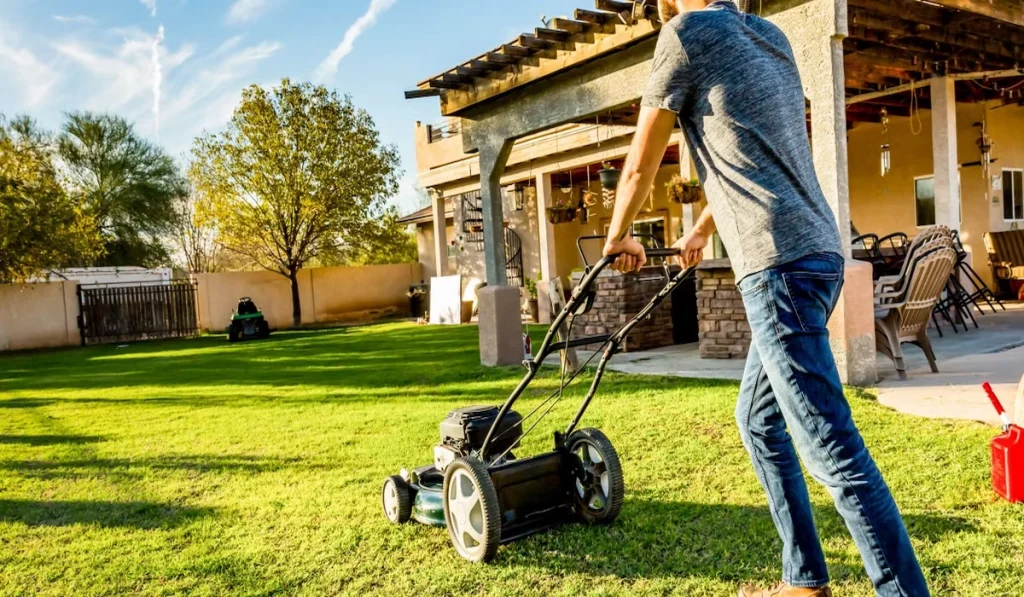
Lawns often suffer quietly during winter. Dead grass and compacted soil block new growth. Light raking removes buildup and allows fresh shoots to appear. Filling thin areas early helps grass spread evenly. Feeding the lawn gently supports steady growth without stressing the soil.
Caring for Trees and Shrubs After Cold Weather
Trees and shrubs need attention before new growth begins. Removing broken or weak branches improves shape and safety. This also allows plants to focus energy on healthy growth. Checking bark and stems helps catch early signs of trouble. Proper care now supports strong growth throughout the year.
Watering the Garden the Right Way in Early Spring
Spring weather can be unpredictable, and the watering feature should match the soil’s needs. Overwatering leads to weak roots and poor growth. Checking soil moisture before watering helps prevent damage. Slow and deep watering encourages roots to grow downward, making plants stronger as the season continues.
Getting Garden Tools Ready for the Season
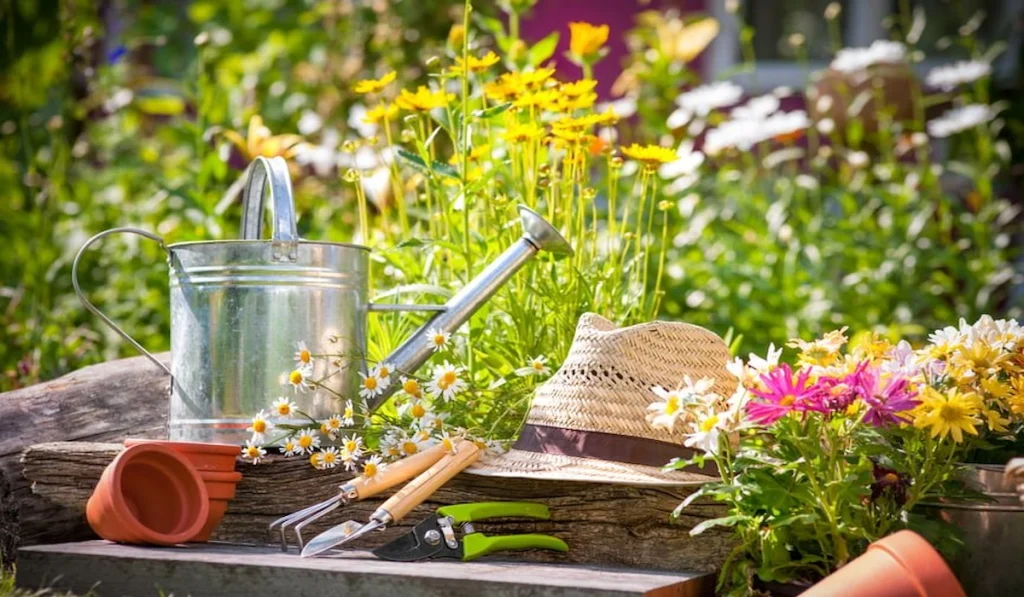
Using clean and sharp tools makes garden work easier and safer. Winter storage often leaves tools dirty or rusty. Cleaning blades and handles improves performance and reduces plant damage. Well-maintained garden tools save time and reduce effort during busy spring weeks.
Watching for Weeds and Early Pests
Weeds and pests appear quickly once temperatures rise. Removing weeds early prevents them from spreading. Watching plants closely helps catch small problems before they grow. Simple actions taken early protect plants and reduce the need for strong treatments later.
Final Thoughts
Preparing your garden for spring does not need to be rushed or complicated. Taking steady steps helps create a healthy outdoor space that grows naturally through the season. A well-prepared garden yields stronger plants, better growth, and less work later. With patience and care, spring becomes the best time to set your garden up for success.
Common Questions About Getting Your Garden Ready for Spring
This section answers the most common questions people ask before spring gardening begins. It covers timing, soil care, planting, and simple steps to help your garden grow better.
When should I start preparing my garden for spring?
You can start once the ground is no longer frozen and the weather remains mild during the day. Early spring is ideal because it gives the soil time to recover before planting begins. Starting too early can damage wet soil, while starting too late may delay plant growth. Watching local weather patterns helps you choose the right time.
Do I need to remove all old plants from my garden beds?
Not all old plants need to be removed right away. Dead plants and weeds should be cleared to make space for new growth. However, some plants may still be alive beneath the surface and need time to show signs of growth. Clearing gently helps protect new shoots while keeping beds clean.
How can I tell if my soil is ready for planting?
Soil is ready when it feels loose and crumbly instead of wet and sticky. You should be able to dig easily without the soil clumping together. If water drains well and the soil does not stay muddy, it is in good condition. Healthy soil allows roots to grow freely and absorb nutrients better.
Is compost really necessary for spring gardening?
Compost helps improve soil structure and supports healthy plant growth. It adds natural nutrients without harming plants. Compost also improves moisture balance, which is important in spring weather. Even a small amount mixed into the soil can make a noticeable difference.
How much mulch should I use in spring?
A light layer of mulch is enough during early spring. Too much mulch can trap moisture and slow soil warming. Spread it evenly around plants while leaving space near stems. This protects roots and helps control weeds without blocking growth.
Should I prune plants before spring starts?
Yes, trimming damaged or weak branches helps plants grow stronger. Pruning improves airflow and shape. It also prevents plants from wasting energy on unhealthy growth. Always use clean tools to avoid harming plants.
How often should I water my garden in early spring?
Water only when the soil feels dry a few inches below the surface. Spring rain often provides enough moisture. Overwatering can weaken roots and slow growth. Checking soil moisture before watering helps keep plants healthy.
What is the biggest mistake people make when preparing gardens for spring?
One common mistake is rushing the process. Working on wet soil can cause long-term damage. Another issue is planting too early without checking soil temperature. Taking time to prepare properly leads to better results throughout the season.
Do I need to fertilize my garden at the start of spring?
Light feeding is usually enough at the beginning of spring. Heavy feeding too early can stress plants. Using compost or mild fertilizer supports steady growth. As plants grow stronger, you can adjust feeding based on their needs.
Can beginners prepare a garden for spring without professional help?
Yes, beginners can handle basic spring preparation with simple steps. Cleaning, soil care, and planning make a big difference. Learning as you go builds confidence. With patience, even small efforts lead to a healthy garden.