

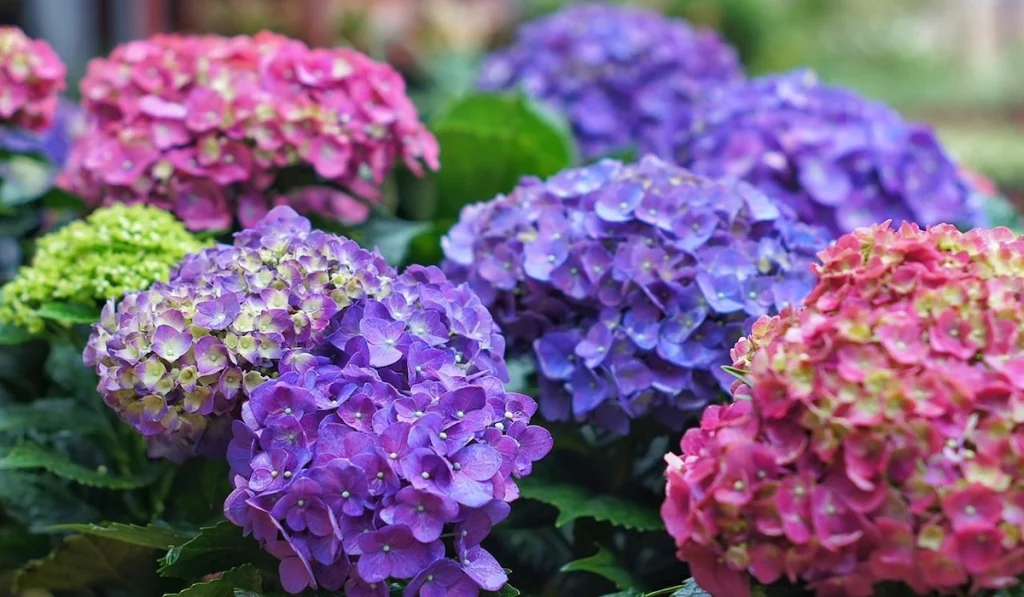
I’ll be honest. The first hydrangea I planted looked amazing for about three weeks… and then it completely gave up on me. Leaves drooping, flowers fading, me standing there with a watering can wondering what I did wrong.
Since then, I’ve grown hydrangeas in different spots, different soils, even in large containers. Some thrived. A couple didn’t. And that’s exactly how I learned how to grow hydrangeas properly — not from a textbook, but from trial, error, and paying attention.
If you’re looking for a real hydrangea guide that feels less like instructions and more like someone actually explaining what works, this is it.
Where You Plant Them Matters More Than You Think
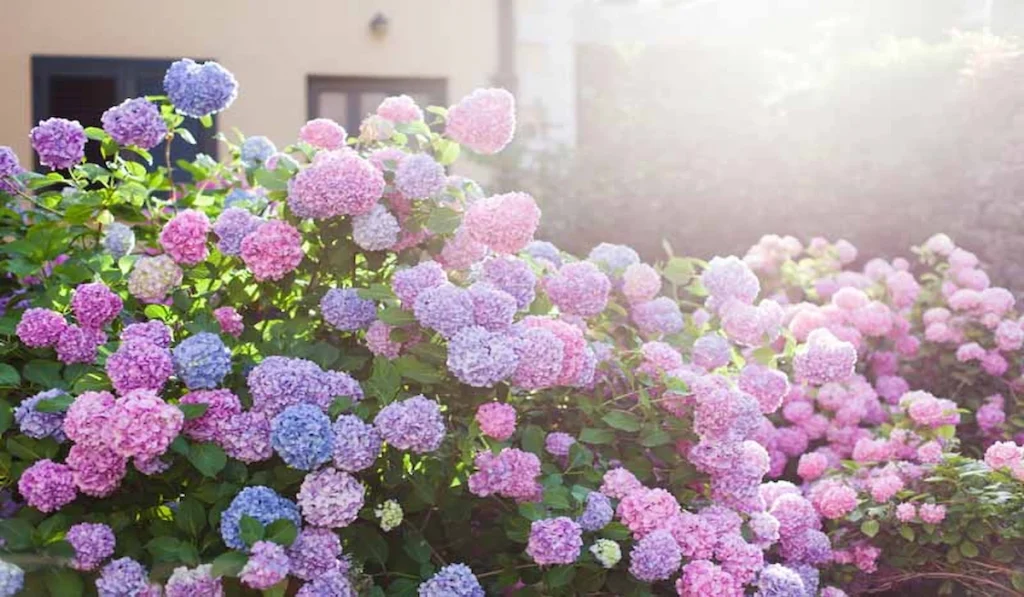
Most people don’t realize this, but hydrangea sunlight requirements are not one-size-fits-all. I’ve seen people stick them in full, blazing afternoon sun and then wonder why the blooms look tired by July.
In my experience, morning sun and afternoon shade is the sweet spot — especially for bigleaf types. Too much shade and you’ll get lush leaves but barely any flowers. Too much sun and you’ll spend your summer apologizing to a crispy plant.
When I’m figuring out where to plant hydrangeas, I literally stand in the yard and watch where the sun moves. Sounds simple. But it works.
Let’s Talk Soil (Because Hydrangeas Are Picky)
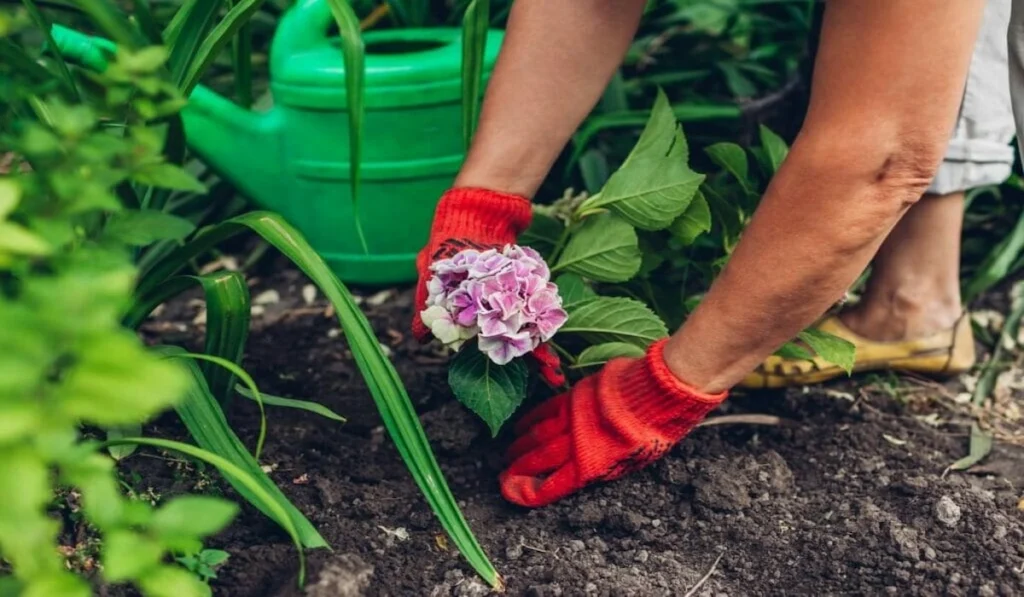
If there’s one thing I’ve learned about hydrangea plant care, it’s this: the best soil for hydrangeas drains well but still holds moisture. They hate soggy roots. But they also hate drying out.
The hydrangea root system is shallow. That’s why they droop dramatically when thirsty. I used to panic when I saw wilting. But what usually happens is they just need a deep soak.
When I plant hydrangeas, I loosen the soil wider than the pot, not just deeper. Hydrangea planting instructions often say “dig twice as wide,” and honestly, that advice is solid. It gives the roots room to spread rather than circle.
And spacing matters too. Hydrangea spacing guide rules aren’t just for looks. If you crowd them, airflow drops, and suddenly you’re dealing with powdery mildew on hydrangeas. I’ve been there. Not fun.
When to Plant Hydrangeas (Timing Is Everything)
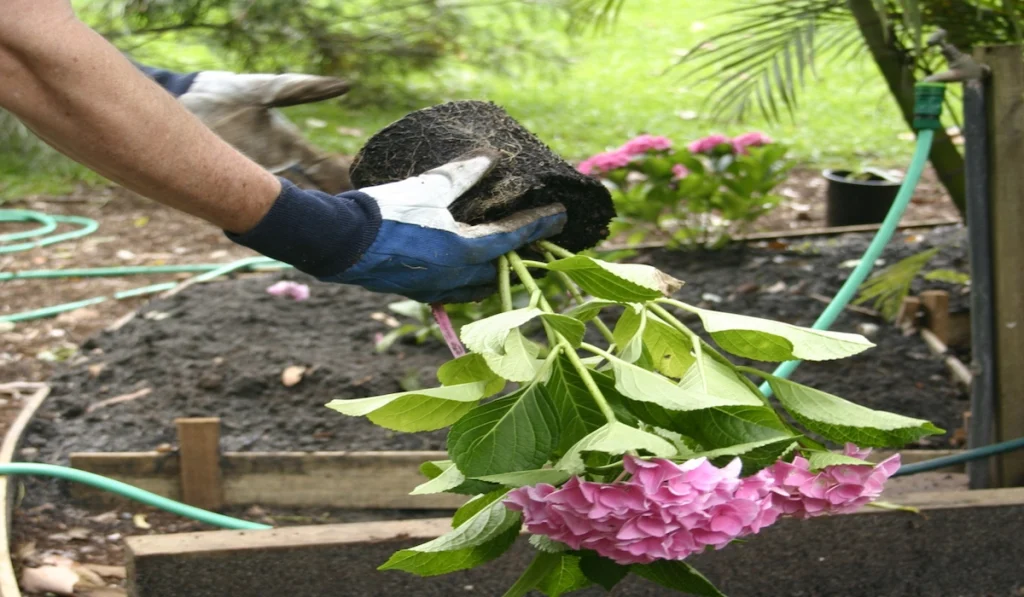
The best time, in my experience, is early spring or fall. Cooler weather allows the roots to settle before extreme heat or frost sets in.
I once planted a hydrangea in peak summer. Bad idea. I watered constantly. It survived, but it struggled. And honestly, stressed plants never bloom their best.
If you’re wondering when to plant hydrangeas, think mild temperatures. Your plant will thank you.
Watering: The Thing Everyone Overthinks
“How often to water hydrangeas?” I get this question a lot.
Here’s the catch: it depends on your soil and climate. But generally, deep watering a couple of times a week is better than shallow daily sprinkles.
Overwatered hydrangea signs look a lot like underwatering — drooping leaves. The difference? The soil feels wet. I’ve made that mistake. I kept watering a droopy plant and basically suffocated the roots.
Hydrangea wilting usually stems from either heat stress or poor drainage. Stick your finger in the soil before grabbing the hose. Simple habit. Saves plants.
Fertilizer and Feeding
You don’t need fancy products. A balanced fertilizer for hydrangeas in early spring works well. I feed lightly again after the first bloom if the plant looks like it needs energy.
Too much fertilizer? You’ll get huge leaves and fewer flowers. I’ve seen that happen more than once.
The Bloom Drama (And Why They Sometimes Refuse to Flower)
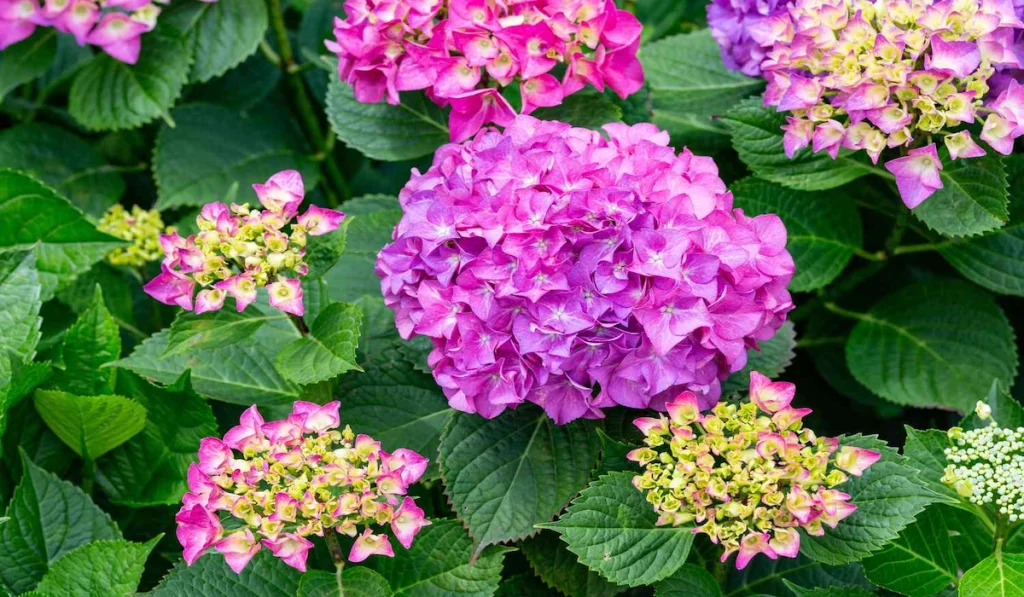
Few things are more frustrating than a hydrangea that doesn’t flower. Especially when it bloomed beautifully last year.
Why is my hydrangea not blooming? Nine times out of ten, it’s pruning at the wrong time. Bigleaf hydrangea care is tricky because they bloom on old wood. If you cut them back in fall or early spring, you might be cutting off next season’s flowers.
Care for panicle hydrangea and smooth hydrangea is easier. They bloom on new wood. You can prune them in early spring without panic.
Pruning hydrangeas in spring works for some types. Pruning hydrangeas in fall? Usually risky unless you know exactly which variety you have.
Deadheading hydrangeas — removing spent blooms — can help the plant focus energy. And if you’re wondering how to get more blooms on hydrangeas, sunlight and correct pruning are the real answers. Not miracle sprays.
Changing Hydrangea Colors (Yes, It’s Real)
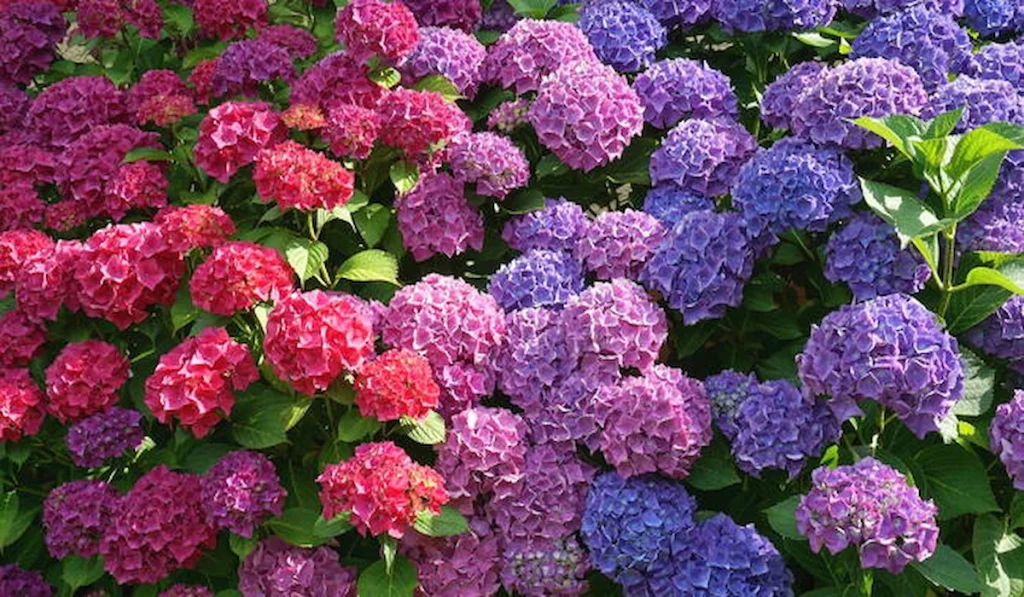
One of the coolest parts of the hydrangea growing guide discussions is color. How to change hydrangea color depends on soil pH. Acidic soil gives you blue hydrangea care goals. Alkaline soil tends to produce pink hydrangea flowers.
I’ve tested this myself. Added aluminum sulfate to push blooms blue. It works, but slowly. Hydrangea color chart visuals online make it look instant. It’s not.
And not all hydrangea varieties change color. That’s something most people don’t realize.
Different Types You’ll Run Into
Hydrangea varieties are surprisingly diverse.
Bigleaf hydrangea care is the most talked about. Then there’s panicle hydrangea care — super reliable, cone-shaped blooms. Oakleaf hydrangea care is underrated in my opinion. The foliage alone makes it worth growing. Caring for smooth hydrangea is straightforward and beginner-friendly.
Climbing hydrangea guide tips? Give it patience. It grows slowly at first. But once established, it’s stunning on walls or fences.
If you’re choosing the best hydrangea for small garden spaces, compact panicle types are a solid choice. They stay manageable and bloom reliably.
Can Hydrangeas Grow in Pots?
Yes. But they’ll need more attention.
Can hydrangeas grow successfully in pots over the long term? Absolutely — if the container is large enough and you stay consistent with watering.
Hydrangea care for beginners often overlooks container drainage. Without good drainage holes at the bottom, root rot can sneak in quickly.
Landscaping With Hydrangeas
Hydrangea landscaping ideas are endless. I like using them as soft hedges. Hydrangea hedge ideas work beautifully along fences.
Hydrangea garden design feels timeless. They pair well with hydrangea companion plants, such as hostas and ferns, in shade gardens.
Hydrangeas in front-yard spaces create an instant impact. And they’re one of my favorite low maintenance flowering shrubs once established.
But here’s the thing. Don’t overcomplicate placement. Give them space. Let them breathe.
Common Problems (And What I’ve Actually Seen Happen)
Are Hydrangea leaves turning yellow? Often nutrient imbalance or overwatering.
Hydrangea pests and diseases are most common when airflow is poor. Hydrangea leaf spots treatment usually involves pruning affected leaves and improving circulation.
Powdery mildew on hydrangeas tends to hit in humid conditions. Spacing and sunlight help prevent it more than sprays.
Honestly, most hydrangea maintenance issues come from planting them in the wrong spot.
Are Hydrangeas Easy to Grow?
Yes… and no.
Are hydrangeas easy to grow once established? Definitely. But the first year takes attention.
How long do hydrangeas bloom? Depending on the type, weeks — sometimes months. Hydrangea bloom season usually stretches from late spring into summer.
How fast do hydrangeas grow? Some types grow surprisingly quickly, especially panicles.
Do hydrangeas like full sun? Some tolerate it. Most prefer that gentle morning light.
Final Thoughts
I like hydrangeas because they feel generous. Big blooms. Dramatic leaves. They react quickly to care — good or bad.
The thing is, hydrangea maintenance isn’t complicated. It’s about observation. Touch the soil. Watch the light. Notice changes.
Most hydrangea problems I’ve seen weren’t mysterious. They were small misunderstandings.
And once you figure them out, these plants become one of the most rewarding things in the garden.
Before finishing, re-read and slightly loosen the tone so it feels more conversational and less structured