

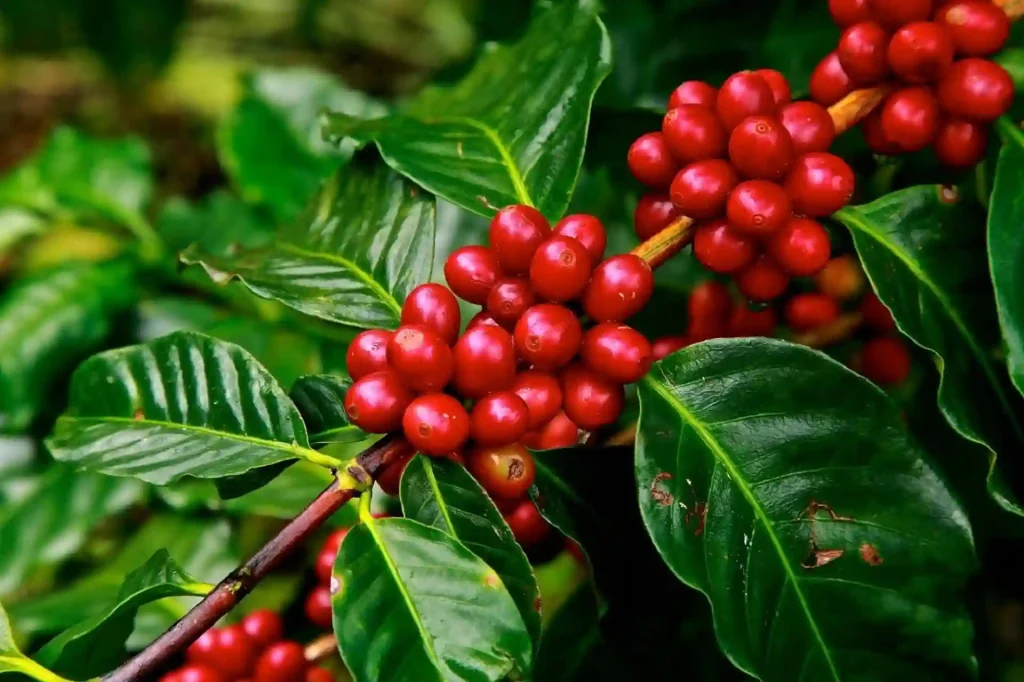
The coffee plant is more than just the origin of your morning brew. It’s an elegant, deep green shrub that makes a charming houseplant or outdoor ornamental in the right environment. Growing a coffee plant requires patience and attention, but once it thrives, it becomes a rewarding addition to your plant collection.
This guide explores everything from the early seedling stage to full plant maturity, offering helpful tips to ensure your coffee plant flourishes indoors or outdoors.
Understanding the Natural Habitat of Coffee Plants
The coffee plant, particularly the arabica variety, prefers warm, humid environments with moderate light. In its natural setting, it grows under the canopy of taller trees, shielded from direct sun but still exposed to bright, filtered light.
When attempting to replicate those conditions at home, it’s essential to avoid prolonged exposure to direct sunlight. Excessive exposure can cause leaf burn, while insufficient exposure can lead to poor growth or yellowing leaves.
Humidity is a key factor in proper care. Dry air can stress the plant and lead to brown leaf tips. If you’re keeping your coffee plant indoors, you can use a humidity tray or mist the plant regularly to mimic a tropical climate. Greenhouses or even well-humidified homes are perfect for encouraging robust leaf growth and early flower development.
The Right Soil Mix and Watering Routine
Soil is the foundation of any healthy coffee plant. These plants prefer slightly acidic, well-drained soil. A good potting mix often contains peat, perlite, or vermiculite, helping prevent the roots from staying overly wet. Soggy conditions can cause root rot, which is one of the most common issues in coffee plant care.
Watering schedules should depend on the season and the environment. During the growing months, the soil should remain slightly moist but never saturated. In colder seasons, you can allow the top inch of soil to dry out between waterings. Remember, overwatering is just as harmful as underwatering. Signs like leaf drop or brown edges often indicate watering issues rather than pest problems.
Choosing the Ideal Location and Light Conditions
Light is one of the most important factors to consider when growing coffee plants indoors. While these plants can tolerate low light, they thrive in bright, indirect light. A position near an east-facing window or under grow lights for 10–12 hours a day will help maintain their lush foliage and encourage bloom cycles. Excessive darkness may slow down their growth or cause legginess, while constant harsh light can lead to bleaching or curled leaves.
Whether you’re keeping the plant indoors or transitioning it to an outdoor container, protect it from frost or sudden temperature drops. Cold conditions below freezing can permanently damage the plant or stunt future growth. Some growers use temperature-control tools, such as heating mats or insulated covers, to keep their plants comfortable year-round.
Coffee Plant Growth Cycle and Maintenance
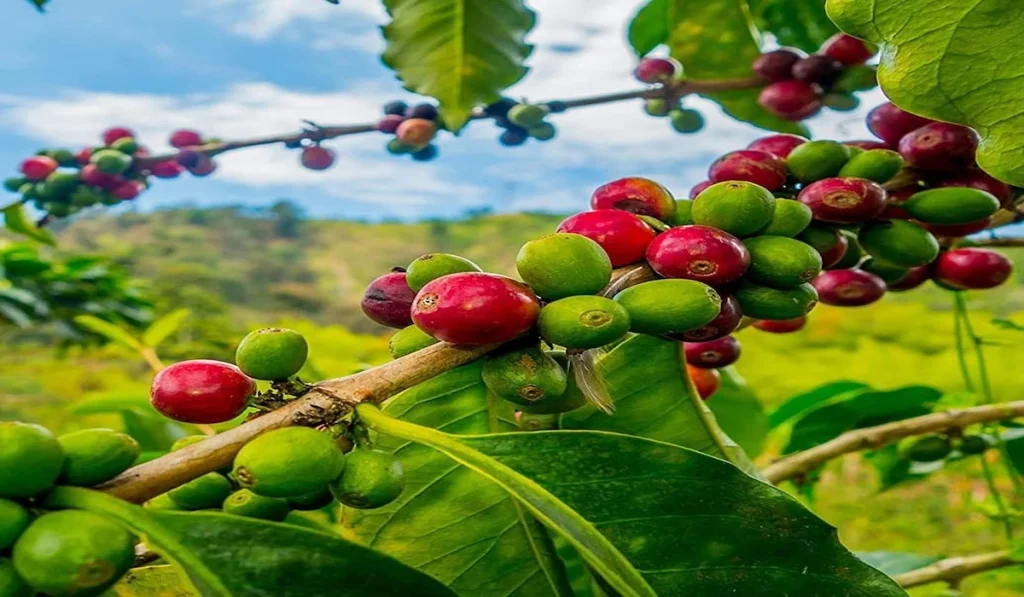
A coffee plant’s growth stages—from seedling to fruit-bearing bush—can take several years. However, with the proper care, including a consistent feeding schedule, many people are surprised to see small white blooms and even coffee cherries developing after the third or fourth year. The blooming stage usually follows the plant’s active growing phase and may lead to fruit if the conditions are favourable.
Pruning is necessary to maintain shape and promote bushy, compact growth. Focus on removing dead or weak branches and trimming back new growth if it becomes too leggy. This helps channel the plant’s energy into healthy leaf and cherry production. Regular pruning of plants also makes it easier to manage in indoor settings and supports a stronger stem structure.
Propagation Methods for New Plants
If you’d like to grow additional coffee plants, you can propagate them from seeds or cuttings. Seed propagation takes longer but offers a whole growth-cycle experience. Cuttings are a faster way to produce mature plants, particularly if you already have a healthy specimen.
Use sterile scissors to select semi-hardwood stems, and root them in a moist peat-and-perlite mixture. With adequate humidity and warmth, new roots can appear in a few weeks.
Coffee plant cuttings need time to adjust and should be kept in a shaded area until fully established. More experienced growers also practice grafting and air layering to replicate desired traits from a mature plant.
Common Issues and How to Solve Them
Yellowing leaves, stunted growth, or curled tips are common problems, often due to improper watering, lighting, or nutrient deficiencies. A balanced, slow-release fertiliser during the growing season can solve many minor issues.
Fungal infections like leaf spot or pests such as aphids, mites, and mealybugs can also affect health. Organic options like neem oil or insecticidal soap are useful for treatment and prevention.
Check the leaves regularly for signs of infestation or disease. If pests become a recurring issue, isolate the plant and evaluate your humidity and airflow levels. Poor air circulation can create the perfect conditions for mould and mildew, especially in humid environments.
Caring for Coffee Plants Indoors vs. Outdoors
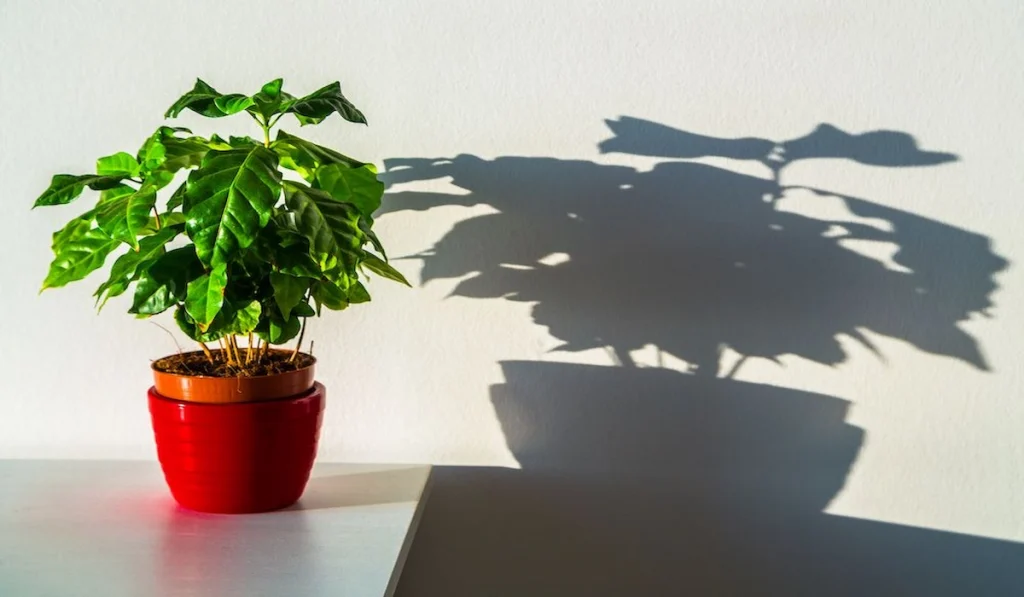
Growing a coffee plant indoors gives you more control over light, humidity, and temperature. However, outdoor care allows for stronger sunlight, natural pollinators, and potentially better fruiting outcomes. If you’re growing outdoors, be sure the climate matches the plant’s needs. It cannot tolerate frost and requires protection from heavy rain or scorching sun.
When grown indoors, coffee plants make excellent houseplants with proper care. Choose a container with good drainage and avoid placing the plant near heaters or air conditioning vents. Rotate the pot occasionally to encourage even growth on all sides and prevent the plant from leaning toward a single light source.
When and How to Repot Coffee Plants
Repotting is usually necessary every 1–2 years, depending on growth rate and root development. Signs that it’s time to repot include roots growing out of the drainage holes, slow growth, or water running straight through the pot without soaking the soil. Use a slightly larger container and fresh, well-draining soil to avoid transplant shock.
After repotting, keep the plant in a shaded spot for a few days and water lightly until it adjusts. The new container should not be too large, as excess soil can retain moisture and increase the risk of rot.
Enjoying the Fruits of Your Labour
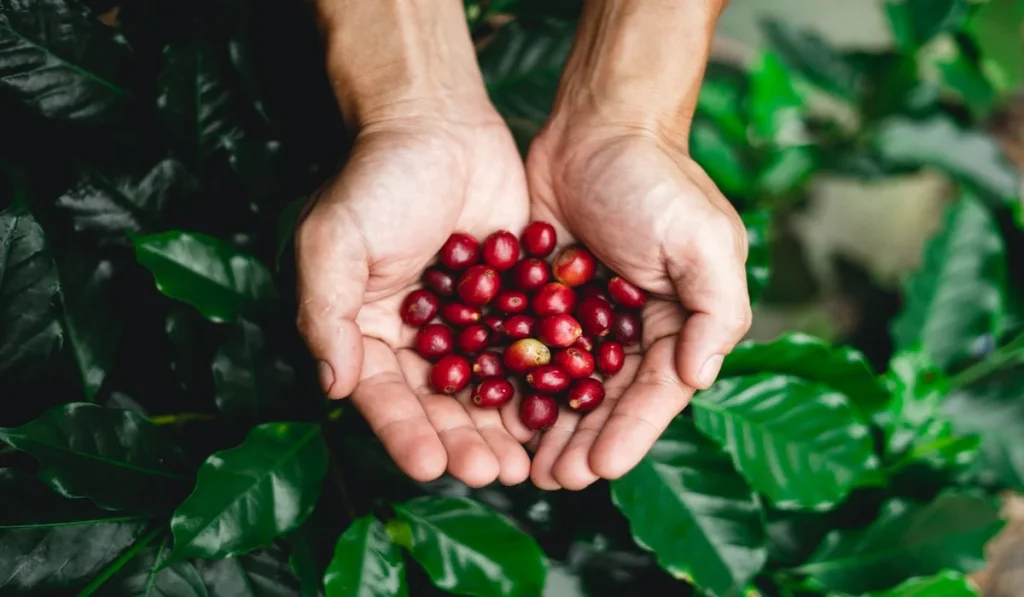
With patience and care, your coffee plant may eventually produce real coffee cherries. These fruits take several months to mature and can be harvested once they turn bright red. While home-grown cherries might not yield enough beans for daily brewing, they represent a remarkable achievement for any home gardener.
Coffee plants are not just about the final product—they offer a rewarding journey of growth, learning, and connection with nature. Their glossy leaves, fragrant flowers, and the potential for fruit make them a prized addition to any indoor garden.
Conclusion
Caring for a coffee plant is a rewarding experience that blends patience, consistency, and an appreciation for slow, steady growth. When you provide the right conditions—bright but indirect light, warm temperatures, steady humidity, and well-draining acidic soil—the plant responds with healthy foliage, new shoots, and eventually fragrant blooms.
Over time, and with proper pruning, feeding, and repotting, your coffee plant can grow into a strong, attractive shrub that enhances your indoor or outdoor space.
Even though home-grown plants may not produce enough cherries for regular brewing, the joy comes from the process itself. Watching seedlings develop, nurturing cuttings, and seeing those first red cherries form is a fulfilling part of plant care.
With mindful watering, regular checks for pests, and a stable environment, your coffee plant can thrive for years. For more gardening inspiration and landscape ideas, you can explore resources from Dreamscapes Florida.