

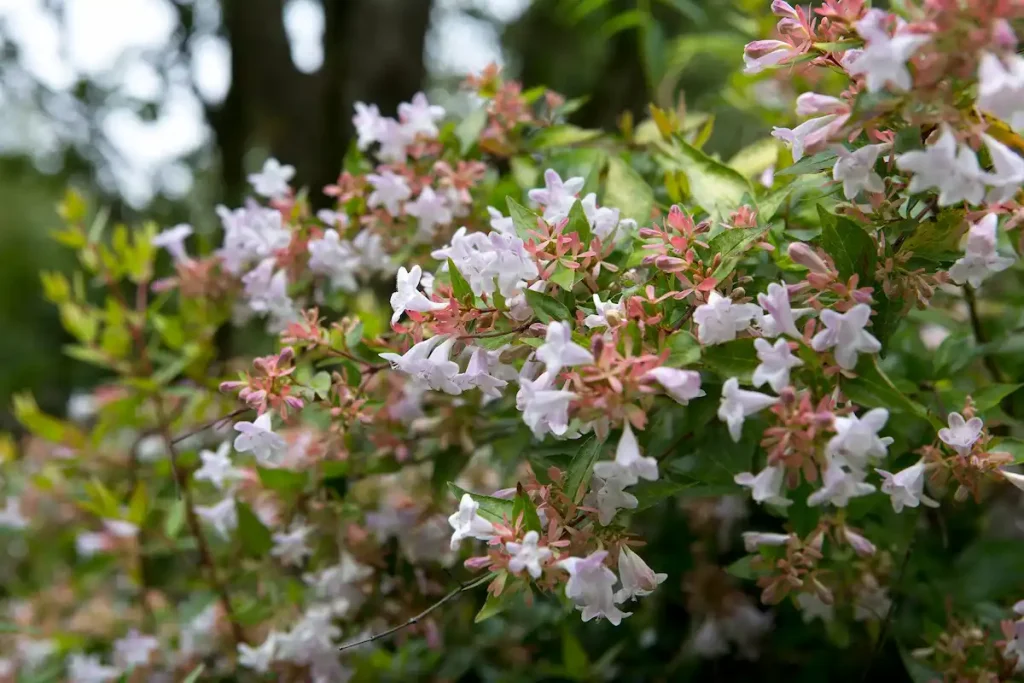
Abelia is a beautiful, low-maintenance shrub that adds charm to any garden with its glossy leaves and fragrant flowers. Whether you want to create a privacy hedge, add a touch of color to your landscape, or enjoy a lovely flowering shrub, Abelia is an excellent choice. In this article, we’ll discuss how to grow and care for Abelia, from selecting the right variety to ensuring healthy plants year-round.
Understanding Abelia
Abelia is a genus of flowering shrubs belonging to the honeysuckle family (Caprifoliaceae), native to East Asia. Known for its attractive foliage and fragrant, bell-shaped flowers, Abelia is a popular choice for gardens and landscaping projects. The most common variety, Abelia × grandiflora, is a hybrid admired for its hardy nature and ease of care. Abelia shrubs typically reach a height of 3 to 6 feet, and their growth can be either deciduous or evergreen, depending on the variety.
Abelia produces clusters of tubular flowers, typically in shades of white, pink, or red, that bloom from late spring to fall. Its foliage is typically green, with some varieties featuring variegated leaves that change color as the seasons progress. The combination of flowers and colorful leaves makes Abelia a standout in the garden, offering both visual appeal and fragrance.
Choosing the Right Abelia Variety
When growing Abelia, selecting the right variety for your garden is crucial. Several varieties of Abelia exist, each with unique features. Abelia x grandiflora, also known as the glossy Abelia, is the most commonly cultivated type. It is known for its long-lasting blooms and dense, spreading growth. If you’re looking for a variety with striking foliage, Abelia ‘Kaleidoscope’ features golden-yellow leaves that turn orange and red in the fall, creating a dramatic visual effect. Abelia ‘Rose Creek’ is a compact variety, ideal for smaller spaces, that produces pink flowers and has a neat, rounded growth habit.
Abelia ‘Sherwood’ features larger flowers and a more upright growth habit, whereas Abelia ‘Little Richard’ is a dwarf variety, ideal for container planting or small gardens. Each variety has its own distinct characteristics, so choosing one based on the size of your space and desired aesthetic will ensure the best results in your garden.
Selecting the Ideal Planting Location
Abelia thrives in a sunny location, although it can tolerate partial shade, especially in regions with hot summers. Full sun encourages the best growth and flowering, so aim for a location that receives at least 6 hours of direct sunlight per day. However, if you live in a particularly hot climate, partial shade can help protect the plant from scorching temperatures.
The soil in which you plant Abelia is also essential to its growth. Abelia prefers well-drained, loamy soil. If your soil is heavy or clay-like, consider adding organic matter, such as compost or peat moss, to improve drainage. Abelia can tolerate a variety of soil types but should not be planted in areas that remain wet for extended periods, as this can lead to root rot.
Additionally, make sure that the site you choose provides ample space for the plant to grow. Abelia plants can spread significantly, so space them at least 2 to 3 feet apart to allow for proper air circulation and to avoid overcrowding.
Planting Abelia
Once you have selected the ideal location for planting Abelia, the next step is to plant it correctly to ensure healthy growth. Start by digging a hole that is twice the width and the same depth as the plant’s root ball. This gives the roots room to spread and establish themselves in the soil. Remove the plant from its container, gently loosening the roots if they appear bound or compacted.
Place the Abelia in the hole, ensuring that the top of the root ball is level with the surrounding soil. Fill the hole with soil, pressing gently around the roots to remove air pockets. Water the plant thoroughly after planting to settle the soil around the roots and ensure it receives adequate moisture. To retain moisture and reduce weed growth, apply a 2- to 3-inch layer of mulch around the base of the plant, being careful not to pile it against the stem.
Watering and Fertilizing Abelia
Abelia is relatively drought-tolerant once it’s established, but it still requires regular watering, particularly during the first year after planting. Water the plant deeply once a week, or more often during periods of extreme heat or dry weather. Be sure to water the soil rather than the leaves to prevent disease, as wet foliage can lead to fungal infections.
Fertilizing Abelia is simple. A balanced, slow-release fertilizer applied in early spring will provide the nutrients needed for healthy growth and flowering. Abelia doesn’t require frequent fertilizing, and excessive nitrogen can promote too much foliage growth at the expense of flowers. If your plant appears to be struggling, you can apply fertilizer again in mid-summer, but be sure to follow the recommended dosage on the label to avoid overfeeding.
Abelia needs balanced moisture, but excessive watering can cause problems. If you’d like to learn more about proper water requirements and lawn moisture control, check out How much water does a lawn really need?.
Pruning Abelia
Pruning is an important part of maintaining the shape and health of your Abelia plant. Regular pruning helps remove dead or damaged wood, encourages new growth, and can improve the plant’s overall appearance. The best time to prune Abelia is just after the flowering season ends, typically in late fall or early winter.
Start by removing any dead, diseased, or damaged branches. Then, cut back any overly long or unruly stems to encourage a more compact shape. Be sure not to cut back too much, as Abelia flowers on new growth, and excessive pruning can reduce blooming in the following season. Pruning can also help maintain the size and shape of the plant, particularly if you’re using it as a hedge or border plant. For more details on why trimming is key to healthier, lush growth, read our guide on The importance of trimming your plants.
Dealing with Pests and Diseases
Abelia is a hardy plant that generally resists most pests and diseases; however, it can still be susceptible to a few common issues. Aphids, scale insects, and spider mites are the most likely pests to target Abelia, although they usually don’t cause significant damage. If you notice a pest infestation, you can treat the plant with insecticidal soap or neem oil to control the problem.
In terms of diseases, Abelia is susceptible to fungal infections, particularly in overly wet conditions. To prevent fungal problems, ensure your plant is growing in well-drained soil and avoid overhead watering, as this can encourage fungal growth on the leaves. If you do encounter fungal issues, applying a fungicide can help control the spread.
Maintaining healthy growth also requires proper pest management. Soil and garden pests, such as grubs, can damage lawns and roots. For practical solutions, see Grubs Damage Lawns.
Winter Care for Abelia
In colder climates, where temperatures drop below freezing, Abelia may require some extra care during the winter months. Although Abelia x grandiflora is generally hardy to USDA zones 6–9, providing some winter protection can help ensure the plant survives the colder months. Mulching around the base of the plant can help insulate the roots from freezing temperatures. In particularly cold regions, you can cover the plant with burlap or a frost cloth to protect it from harsh winds and freezing temperatures.
For evergreen varieties, ensure the foliage stays dry during winter. Wet leaves can freeze and cause damage to the plant, so it’s important to keep the plant well-aerated and ensure it has good drainage during the winter months.
Conclusion
Growing and caring for Abelia is a rewarding experience, as this versatile shrub offers beautiful flowers, glossy foliage, and year-round interest. By selecting the right variety, providing the ideal growing conditions, and following a few simple care guidelines, you can enjoy a healthy, thriving Abelia plant in your garden.
Whether you’re looking to add a splash of color, create a privacy hedge, or simply enjoy the beauty of this flowering shrub, Abelia is a fantastic addition to any landscape. “For more details on landscaping ideas, outdoor care, and expert tips, visit Dreamscapes Florida.