


When people think about landscaping, they usually focus on plants, lawns, and outdoor features. But after years of working around gardens and exterior spaces, one thing becomes very clear: house paint plays a huge role in how your landscape looks. Even the best garden design can feel dull if the house color doesn’t match it.
Exterior painting is not just about protection. It is about creating harmony between your home and the outdoor space around it. With the right paint choices, your garden looks brighter, your yard feels more inviting, and your home instantly gains curb appeal.
This guide shares practical house painting tips based on real experience, especially for homes surrounded by landscaping and gardens.
Why Exterior Paint Matters for Landscaping
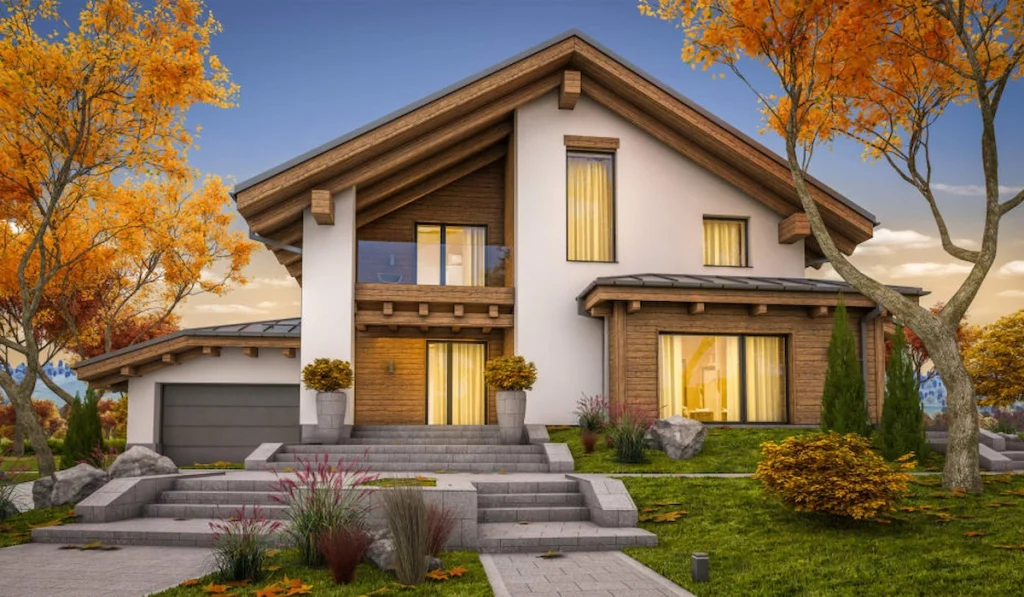
Exterior paint serves as the backdrop for your landscape. Trees, flowers, walkways, and lawns all stand out against your home’s color. If the paint is too harsh, faded, or poorly chosen, it can clash with the natural surroundings rather than complement them.
From experience, homes with balanced exterior colors always make gardens look more polished. Soft tones allow greenery to pop, while bold but well-chosen shades can highlight architectural details without overpowering plants.
Good paint choices also help protect exterior walls from moisture, sun exposure, and weather, which is especially important in outdoor-focused homes.
Choose Paint Colors That Work With Nature
One of the most common mistakes homeowners make is choosing paint colors without considering their landscape. Natural surroundings should guide your decision.
Earthy tones like warm beige, soft gray, sage green, and muted browns blend beautifully with garden shades. These shades complement lawns, shrubs, and flowering plants. If your landscape has lots of greenery, neutral colors help create balance and calm.
For homes with colorful flower beds, neutral or light exterior paint allows the garden to become the star. Darker colors can work too, but they should be used carefully to avoid making the space feel heavy.
Think About Sunlight and Outdoor Conditions
Sunlight changes how paint looks throughout the day. A color that seems perfect in shade can look too bright or too dark in full sun.
From experience, it is always best to test paint samples on different sides of the house. Morning light, afternoon sun, and evening shade all affect color appearance. This step helps avoid costly mistakes and ensures your home looks good at all times.
Weather-resistant paint is also important. Exterior walls exposed to sun, rain, and humidity need high-quality paint that won’t peel or fade quickly.
Match Exterior Paint With Hardscape Elements
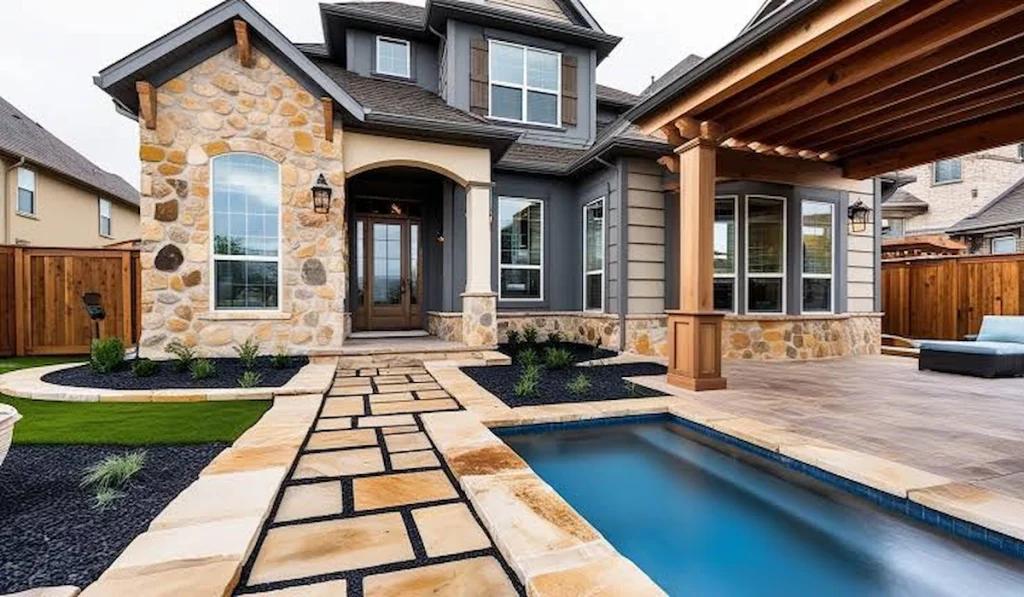
Landscaping is not just about plants. Walkways, fences, patios, retaining walls, and outdoor structures all matter. Exterior paint should complement these elements, not fight them.
If your garden has stone paths or brick features, choose paint colors that echo those tones. For wooden decks or fences, paint that complements natural wood shades creates a cohesive outdoor look.
Homes that match paint colors with hardscape materials always feel more thoughtfully designed.
Prepare Exterior Walls the Right Way
Paint preparation is often ignored, but it makes a huge difference. Dirty, cracked, or peeling walls will ruin even the best paint job.
Before painting, walls should be cleaned to remove dirt, mold, and dust. Small cracks should be repaired, and old peeling paint should be removed. This step helps paint stick better and last longer.
From real projects, proper preparation can double the lifespan of exterior paint, especially in garden-facing areas where moisture is common.
Use Paint to Improve Curb Appeal Instantly
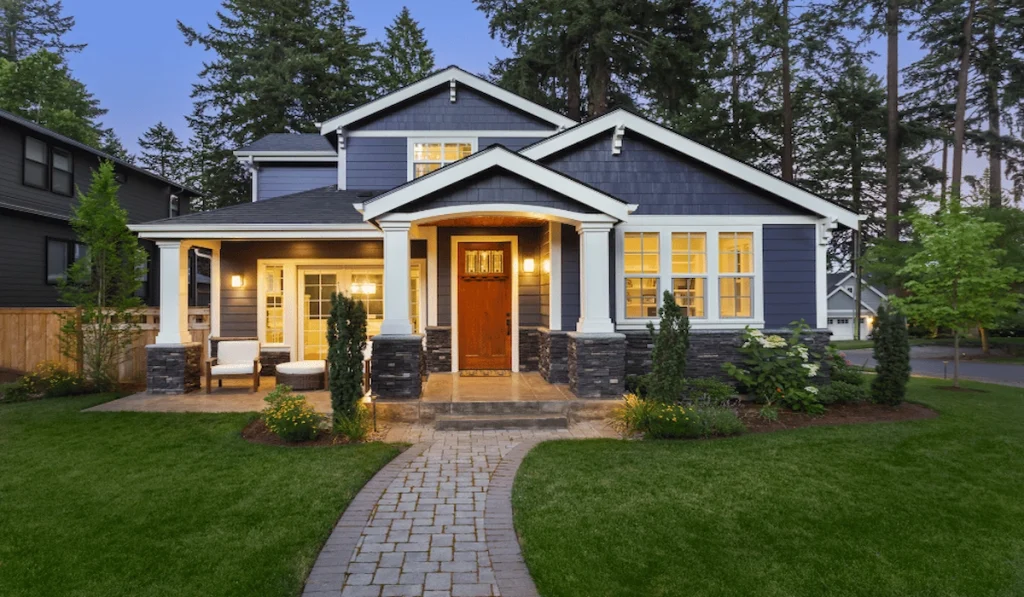
Exterior paint is one of the fastest ways to improve curb appeal. Fresh paint makes a home look well-maintained and welcoming, which is especially important when combined with landscaping.
Front-facing walls, trim, doors, and shutters deserve special attention. Even small updates, such as repainting the trim or the front door, can significantly improve how the garden and front yard are perceived.
Homes with clean, fresh paint always feel more inviting, no matter the size of the landscape.
Choose Finishes That Work Outdoors
Paint finish matters just as much as color. Flat finishes may look good at first but are harder to clean and don’t handle weather well.
For exterior walls, satin or semi-gloss finishes are often more practical. They resist moisture, clean easily, and reflect light softly, enhancing garden views.
Trim and doors usually look best with a slightly glossier finish, which helps them stand out without overpowering the landscape.
Paint Before Major Landscaping Projects
A smart tip from experience is to paint the house before installing new landscaping. Painting can damage plants, soil, and hardscape if done afterwards.
By painting first, you protect your garden investment and avoid unnecessary repairs. Once painting is done, landscaping can be planned to match the final exterior look.
This order saves time, money, and frustration.
Keep Maintenance in Mind
Exterior paint near gardens faces additional challenges, including moisture, shade, and plant growth. Choosing high-quality paint reduces the need for frequent touch-ups.
Regular inspections help catch peeling or fading early. Simple maintenance keeps the home and landscape looking fresh year after year.
Homes that stay on top of paint maintenance always look healthier and more inviting.
Final Thoughts
House painting and landscaping go hand in hand. When exterior paint is chosen with gardens and outdoor spaces in mind, the entire property feels more balanced and attractive.
From experience, the best results come from thoughtful color choices, proper preparation, and understanding how paint interacts with nature. A well-painted home doesn’t compete with landscaping — it enhances it.
If your goal is to create a beautiful outdoor environment, start by looking at your home’s exterior paint. It sets the stage for everything else.