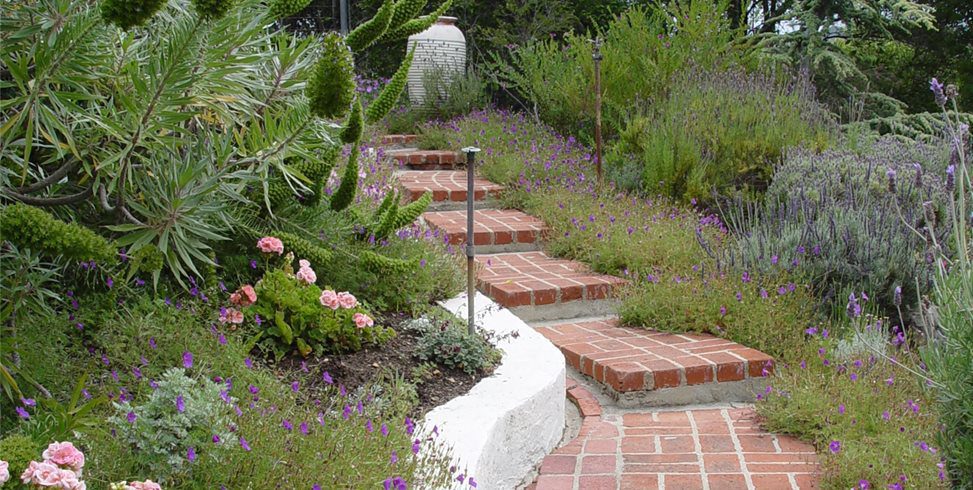
Hillside landscaping presents unique challenges that require thoughtful planning, technical knowledge, and consistent care. Among maintenance practices, proper irrigation is the most critical factor influencing plant health, soil stability, and erosion control on sloped terrain.
When done correctly, watering supports strong root systems, prevents runoff, and ensures long-term landscape success. When done incorrectly, it can quickly lead to soil erosion, plant failure, and costly repairs.
This in-depth guide explores hillside landscaping and proper watering from every essential angle. It explains why slopes behave differently, how water moves on inclines, and which techniques deliver the best results.
By understanding these principles, property owners and landscape professionals can maintain attractive, resilient hillside landscapes that thrive in all seasons.
Understanding the Unique Challenges of Hillside Landscaping
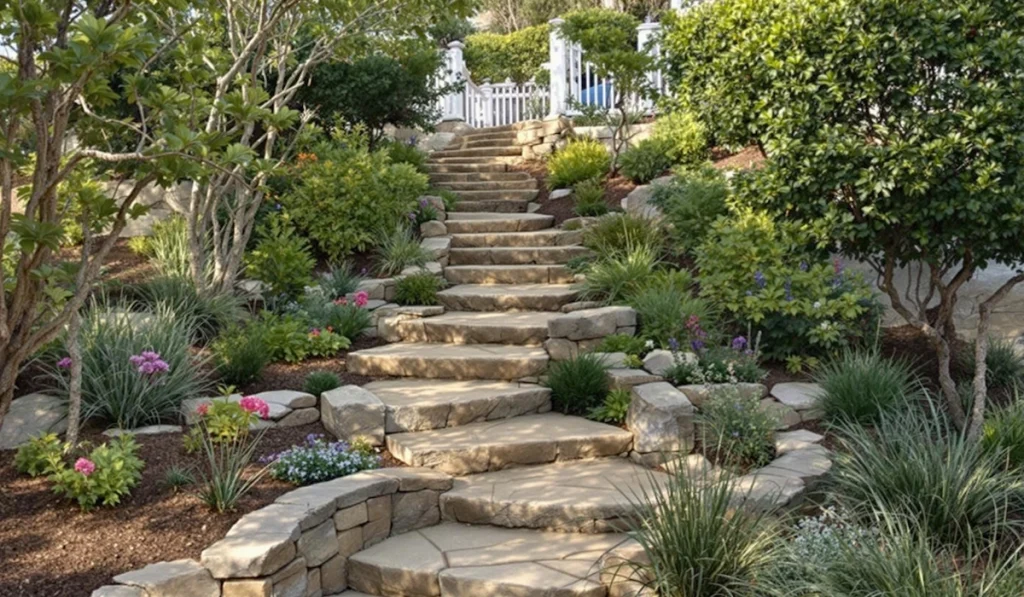
Hillside landscapes differ significantly from flat landscapes due to gravity, soil composition, and water movement. Water naturally flows downhill, so slopes are prone to runoff rather than infiltration. As a result, plants may experience inconsistent moisture levels, while soil erosion remains a constant threat.
Additionally, hillside soils are often thinner and less compact than level-ground soils. This condition reduces water retention and increases vulnerability to washouts. Without proper watering strategies, even well-designed hillside landscaping can deteriorate rapidly. Therefore, understanding these challenges is the foundation of proper hillside irrigation and sustainable landscape management.
Why Proper Watering Is Critical for Hillside Stability
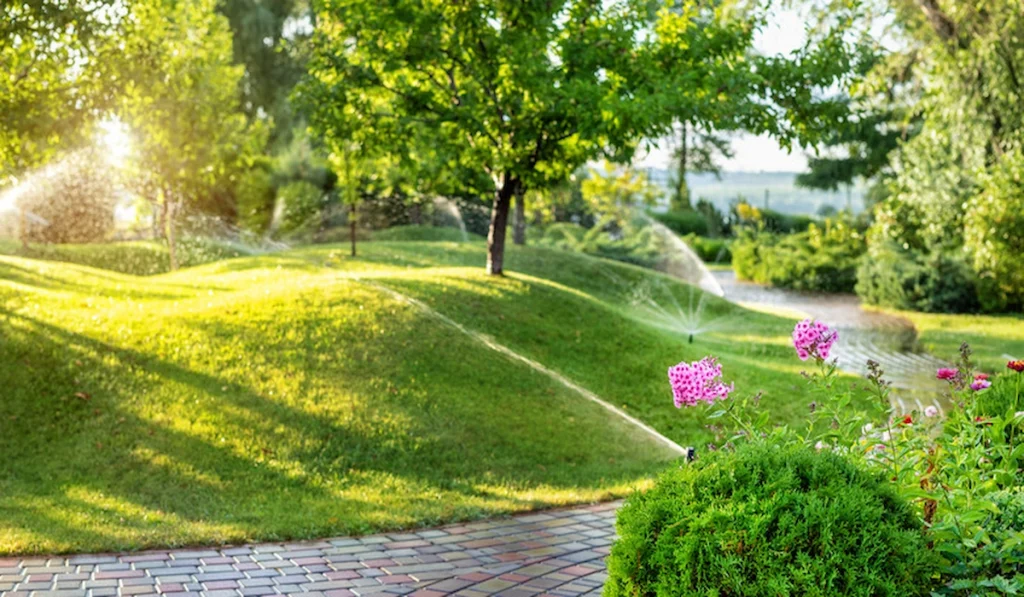
Proper watering plays a vital role in maintaining hillside stability. When soil receives water slowly and evenly, it absorbs moisture without loosening its structure. This process encourages deep root growth, which anchors the soil and minimizes erosion risks.
On the other hand, excessive or rapid watering can saturate the soil surface. This saturation weakens soil cohesion and increases runoff, which can undermine retaining structures and plant roots. Therefore, controlled watering is not just about plant health; it also protects the entire hillside from structural failure.
How Water Moves on Slopes and Why It Matters
Water behaves differently on sloped terrain due to gravitational pull. Instead of soaking downward, water often travels across the surface. This movement strips away topsoil, nutrients, and mulch, leaving plants exposed and stressed.
Because of this behavior, hillside watering must focus on slowing water movement. Techniques such as drip irrigation, terracing, and soil amendments help increase infiltration. When water stays in place longer, plants benefit from consistent hydration, and the hillside remains intact and visually appealing.
Choosing the Right Irrigation System for Hillside Landscapes
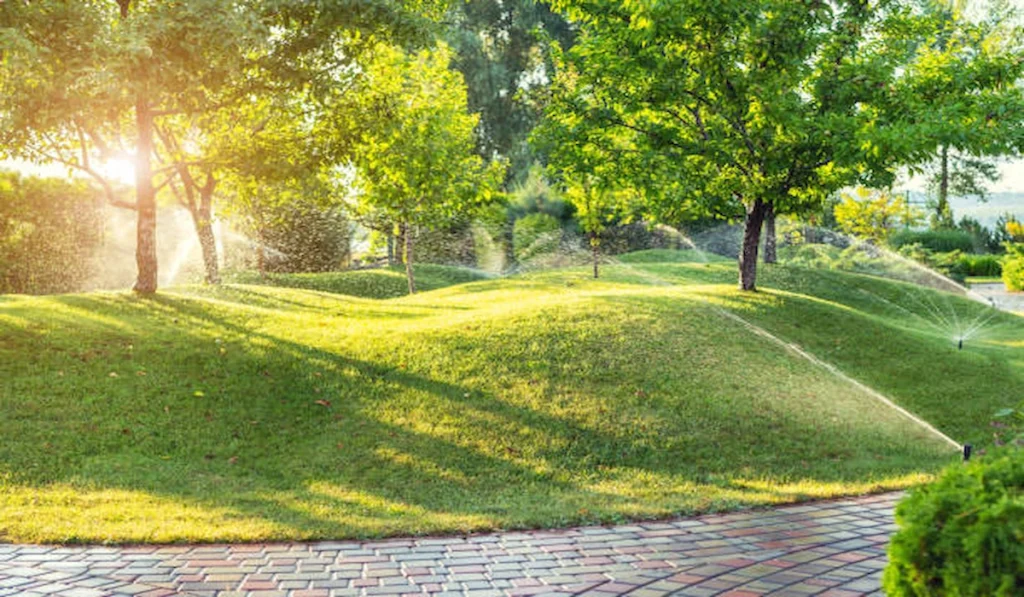
Selecting the correct irrigation system is essential for effective hillside watering. Traditional sprinklers often perform poorly on slopes because they apply water too quickly and unevenly. This inefficiency leads to runoff, wasted water, and uneven plant growth.
Drip irrigation services are widely considered the best option for hillside landscaping. They deliver water directly to plant roots at a controlled rate, reducing evaporation and runoff. Soaker hoses and micro-irrigation systems also perform well, especially when paired with pressure regulators and timers. These systems promote water efficiency while maintaining soil stability.
Best Watering Techniques for Hillside Landscaping
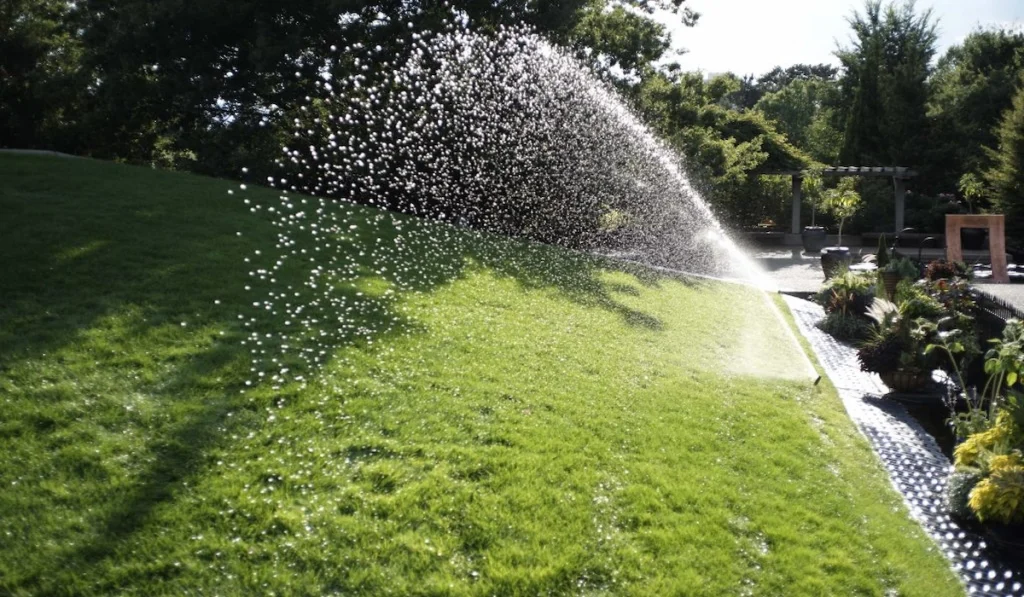
Effective hillside watering relies on strategic techniques rather than volume. Slow, deep watering encourages roots to grow downward instead of spreading shallowly across the surface. This root behavior improves slope stability and drought resistance.
Watering should occur in shorter cycles with breaks in between, a method known as cycle-and-soak. This approach allows water to absorb gradually and prevents surface runoff. Early morning watering is also recommended, as it minimizes evaporation and ensures moisture reaches plant roots before heat stress occurs.
The Role of Soil Preparation in Water Retention
Soil quality directly affects water absorption and retention on hillsides. Poor soil structure leads to rapid runoff, while healthy soil holds moisture effectively. Therefore, soil preparation is a crucial step to the success of hillside landscaping.
Incorporating organic matter such as compost improves soil texture and water-holding capacity. Additionally, using soil binders or erosion control blankets helps stabilise loose soil during establishment. These measures enhance proper watering by ensuring moisture remains available to plants rather than washing away.
Mulching Strategies to Support Proper Hillside Watering
Mulch is a powerful tool in hillside landscaping when applied correctly. It helps regulate soil temperature, reduce evaporation, and protect soil from erosion caused by rainfall or irrigation.
Organic mulches such as bark, wood chips, and shredded leaves are particularly effective. They slow the water movement and allow gradual infiltration into the soil. However, mulch must be secured properly on slopes to prevent displacement. Using mulch netting or tackifiers ensures long-lasting coverage and consistent moisture retention.
Plant Selection and Its Impact on Watering Efficiency
Choosing the right plants significantly reduces watering challenges on hillsides. Deep-rooted, drought-tolerant plants adapt well to sloped environments and require less frequent irrigation once established.
Native plants are especially beneficial because they are adapted to local rainfall patterns and soil conditions. Ground covers, ornamental grasses, shrubs, and certain perennials help stabilize soil while improving water efficiency. When plant selection aligns with proper watering practices, hillside landscapes become more resilient and easier to maintain.
Common Watering Mistakes to Avoid on Hillsides
Many hillside landscaping failures result from avoidable watering mistakes. Overwatering is one of the most common issues, leading to soil erosion, root rot, and plant decline. Applying water too quickly exacerbates runoff and destabilizes slopes.
Another frequent mistake is inconsistent watering schedules. Irregular moisture stresses plants and weakens root systems. Ignoring slope-specific irrigation adjustments also reduces effectiveness. By recognizing and avoiding these errors, property owners can protect their investment and ensure long-term hillside landscape success.
Seasonal Watering Adjustments for Long-Term Success
Hillside watering needs change throughout the year. During hot, dry seasons, increased evaporation requires more frequent, controlled irrigation. Conversely, cooler or rainy seasons demand reduced watering to prevent oversaturation.
Monitoring soil moisture is essential for seasonal adjustments. Using moisture meters or observing plant response helps determine appropriate watering levels. By adapting irrigation practices throughout the year, hillside landscapes remain healthy, stable, and visually appealing regardless of weather conditions.
Conclusion
Hillside landscaping requires precision, patience, and a deep understanding of water behaviour on slopes. Proper watering is not a simple routine but a carefully managed process that supports plant health, prevents erosion, and preserves structural integrity.
By implementing the right irrigation systems, improving soil conditions, selecting appropriate plants, and avoiding common mistakes, hillside landscapes can thrive for years. Ultimately, mastering hillside landscaping and proper watering creates outdoor spaces that are not only beautiful but also sustainable and resilient.