

As wildfires become more frequent in many regions, homeowners are rethinking how they design their outdoor spaces. Fire-resistant landscaping plants play a crucial role in reducing fire risk around homes without sacrificing beauty. While no plant is entirely fireproof, choosing the right vegetation can significantly slow the spread of flames and lower the intensity of a fire near your property.
Fire-resistant landscaping focuses on selecting plants that hold moisture, grow slowly, and produce minimal dry debris. When combined with proper spacing and regular maintenance, these plants can become a powerful part of a fire-wise landscape strategy.
What Makes a Plant Fire-Resistant?
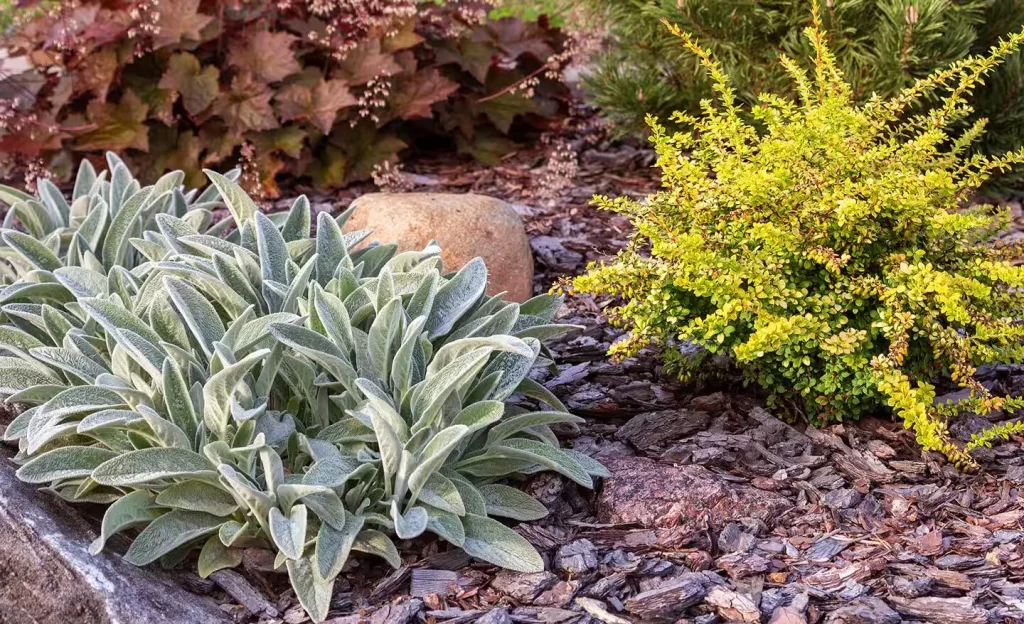
Fire-resistant plants share several characteristics that make them less likely to ignite or spread flames. Plants with high water content in their leaves and stems tend to resist burning longer than dry or resin-rich varieties. Broad, fleshy leaves are generally safer than narrow, needle-like foliage, which dries quickly and ignites easily.
Another essential factor is growth habit. Low-growing, compact plants are less likely to act as fuel ladders that allow fire to climb from the ground into trees or structures. Plants that shed fewer leaves, needles, or bark also help reduce the buildup of flammable debris.
Best Fire-Resistant Plants for Landscaping

Choosing fire-resistant plants does not mean settling for a dull or lifeless garden. Many attractive options offer colour, texture, and seasonal interest while supporting fire-safe landscaping goals.
Fire-Resistant Shrubs
Fire-resistant shrubs are excellent for creating borders, hedges, and foundation plantings. These plants typically retain moisture and have dense, healthy foliage that burns more slowly.
Shrubs such as boxwood, rockrose, and certain types of viburnum are often used in fire-wise landscapes. They maintain a neat shape, require minimal pruning, and do not produce excessive dry material. When planted with adequate spacing, these shrubs can help slow the spread of fire near the home.
Fire-Resistant Trees
Trees can still be part of a fire-resistant landscape when selected and maintained correctly. Deciduous trees are often safer than conifers because they have higher moisture levels and lack resin-filled needles.
Trees like maple, redbud, and dogwood are commonly considered more fire-resistant options. Keeping lower branches trimmed and maintaining clear space between tree canopies and the ground is essential to reduce fire risk.
Fire-Resistant Ground Covers
Ground covers are an essential alternative to traditional lawns or dry mulch. Fire-resistant ground covers help suppress weeds, retain soil moisture, and reduce the presence of flammable materials.
Plants such as ice plant, creeping thyme, and sedum are popular choices. These low-growing plants stay close to the ground, hold water well, and do not readily ignite under normal conditions.
Fire-Resistant Perennials and Flowers
A fire-resistant landscape can still be colourful and vibrant. Many perennials and flowering plants offer both beauty and resilience.
Daylilies, yarrow, and coreopsis are examples of flowering plants that perform well in fire-conscious designs. These plants are known for their moisture retention and limited woody growth, making them less prone to catching fire when properly maintained.
Plants to Avoid in Fire-Prone Areas
Just as important as choosing the right plants is avoiding the wrong ones. Highly flammable plants often contain oils, resins, or waxes that burn intensely.
Plants such as juniper, pine, eucalyptus, and ornamental grasses are commonly associated with higher fire risk. These plants can ignite quickly and allow flames to spread rapidly, especially in hot, dry conditions.
Design and Maintenance Matter
Even the most fire-resistant plants can become a hazard without proper care. Regular watering, pruning, and removal of dead material are essential. Spacing plants appropriately prevents fire from moving easily between vegetation.
Using non-combustible materials such as gravel, stone, or concrete near structures can further enhance fire safety. Fire-resistant landscaping works best when plant selection, layout, and ongoing maintenance all work together.
Creating a Balanced Fire-Wise Landscape
Fire-resistant landscaping is not about eliminating plants but choosing them wisely. With thoughtful design and informed plant selection, homeowners can create outdoor spaces that are both beautiful and safer.
By incorporating fire-resistant landscaping plants and properly maintaining them, you can reduce wildfire risk while still enjoying a healthy, visually appealing yard that complements your home and environment.