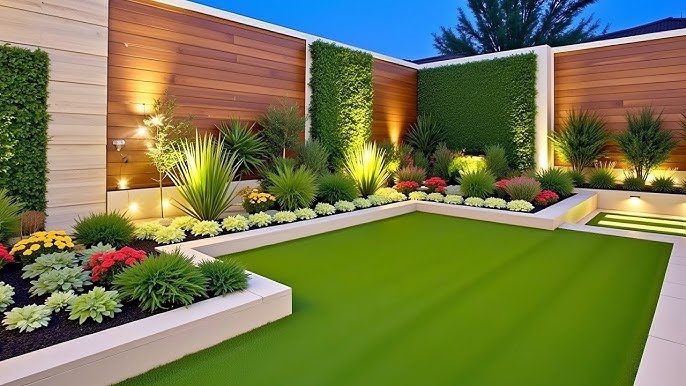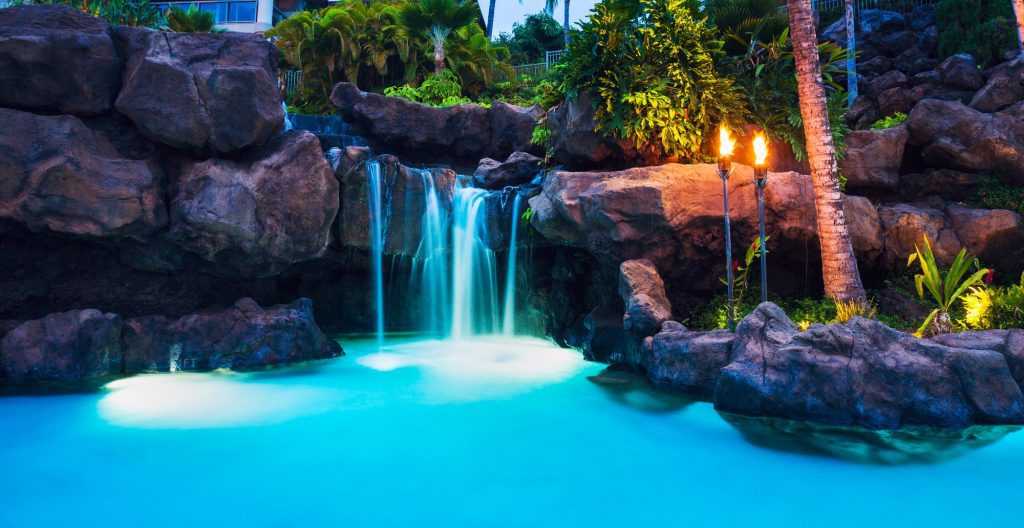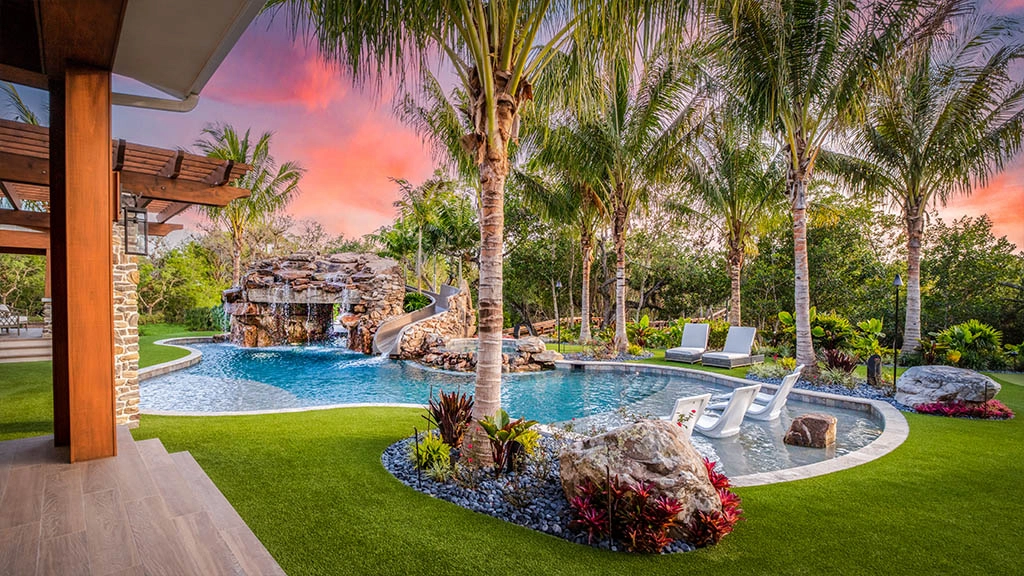
Designing your own landscape means planning your yard’s layout, plant choices, and hardscape features yourself instead of hiring a designer — and with the right approach, homeowners in Palm Coast, Flagler Beach, Ormond Beach, and Daytona Beach can create a professional-looking landscape without professional fees. The key is understanding your soil, sunlight, and Florida’s USDA zone 9a/9b climate before you buy a single plant.
DIY landscaping has become one of the fastest-growing home improvement trends in Florida, and it’s easy to see why. Between rising labour costs and a genuine desire to get their hands dirty in the garden, more homeowners are seeking ways to design their own front and backyards. But there’s a difference between a landscape that looks good for one season and one that thrives for years. This guide walks you through exactly how to plan, design, and execute a landscape you’ll be proud of — the same fundamentals professional landscapers use, broken down step by step.
Why DIY Landscaping Design Is Booming Right Now
More homeowners are taking landscaping into their own hands for a few clear reasons:
- Cost control — Materials-only projects can cost 40-60% less than full-service installs.
- Personal satisfaction — There’s real pride in a yard you designed yourself.
- Flexibility — You can phase the project over months instead of committing to one big budget.
- Better information access — Soil test kits, plant-finder apps, and local nursery guidance make planning easier than ever.
That said, DIY landscaping in Florida comes with unique challenges: sandy soil, intense summer heat, seasonal drought, and HOA restrictions in many neighbourhoods in Palm Coast and Flagler County. Getting the plan right before you dig saves you money, time, and a lot of dead plants.
Step 1: Assess Your Yard Before You Design Anything
Every good landscape design — DIY or professional — starts with an honest site assessment. Walk your property and note:
Sunlight patterns. Track how many hours of direct sun each area gets. Florida’s intense afternoon sun means “full sun” areas can actually be too harsh for some plants marketed as sun-loving.
Soil type. Most of coastal Flagler and Volusia County has sandy, fast-draining soil that’s low in organic matter. A simple soil test (available through your county extension office) tells you pH and nutrient levels before you plant.
Drainage and water flow. Look for low spots where water pools after rain — these areas need different plant choices or a drainage solution before installation.
Existing structures and utilities. Note property lines, septic fields, irrigation lines, and any underground utilities. Always call 811 before digging.
If you’re unsure how to read your yard’s conditions, our landscape design guide breaks down the professional site-assessment process homeowners can follow themselves.
Step 2: Define Your Landscape Goals and Style
Before sketching anything, decide what you actually want the space to do. Are you designing for:
- Curb appeal and resale value
- A low-maintenance yard that survives Florida’s dry season
- An entertaining space with a patio or fire feature
- Privacy from neighbors or busy streets
- A pollinator-friendly or native plant garden
Your goals shape every decision that follows — plant selection, hardscape placement, and even irrigation design. Homeowners planning a full front-to-back transformation often start by researching home landscaping design planning basics to understand how professionals sequence a project from concept to completion.
Step 3: Apply Core Landscape Design Principles
This is where most DIY projects succeed or fail. A yard full of beautiful individual plants can still look chaotic without design structure. Keep these principles in mind:
Balance — Symmetrical layouts feel formal; asymmetrical layouts feel natural and relaxed.
Focal points — Every well-designed yard has one to three visual anchors: a specimen tree, a water feature, or a hardscape element that draws the eye.
Scale and proportion — Plant sizes should relate to your home’s scale. A two-story home needs taller anchor plantings than a single-story ranch.
Unity and repetition — Repeating 3-5 plant varieties throughout the yard creates cohesion instead of a scattered “plant collection” look.
Layering — Group plants by height: tall background, mid-size filler, low-growing groundcover in front.
For a deeper breakdown of how these principles apply specifically to Florida yards, check out our full principles of landscape design resource.
Step 4: Choose the Right Plants for Florida’s Climate
This is where a lot of DIY projects go wrong — buying plants because they looked good at the nursery rather than because they suit your zone. In USDA zones 9a/9b (which covers Palm Coast, Flagler Beach, Ormond Beach, and Daytona Beach), prioritize:
- Drought-tolerant natives for lower water bills and less maintenance
- Salt-tolerant varieties if you’re near the coast — check our guide on salt-tolerant plants for Florida before planting anything within a few miles of the coastline
- Low-maintenance groundcovers to reduce mulching and weeding, covered in our low-maintenance landscaping ideas article
A common mistake is overplanting for immediate impact. Mature plant spread matters more than how the yard looks on installation day — overcrowded beds lead to disease, competition for nutrients, and expensive re-do work two years later.
Step 5: Plan Your Hardscape Before You Plant
Hardscaping — patios, walkways, retaining walls, edging — should be planned before your softscape (plants, lawn, mulch) goes in, not after. It’s far cheaper to move a plant than to tear up a finished patio because you didn’t account for its footprint.
If you’re not sure where the line is between hardscape and softscape decisions, our guide on what is hardscape and softscape explains how the two work together in a cohesive design.
Common DIY-friendly hardscape additions include:
- Gravel or paver pathways connecting outdoor living areas
- Raised garden beds for better drainage in Florida’s sandy soil
- Simple retaining walls for sloped yards
- Decorative edging to define bed lines and reduce grass creep
For larger or structural hardscape work — retaining walls over 3 feet, extensive paver patios, or drainage systems — it’s worth getting a professional opinion even if you’re handling the rest yourself. Our hardscaping solutions for Palm Coast homes page covers which projects are DIY-friendly and which need permits or professional grading.
Step 6: Design Your Irrigation Before, Not After
One of the biggest regrets DIY landscapers share is installing plants and mulch first, then realizing they need to run irrigation lines through finished beds. Map your zones — turf, shrub beds, and specialty plantings usually need different watering schedules — before you plant anything.
Step 7: Budget and Phase Your Project
Full-yard transformations rarely need to happen all at once. A smart phasing approach:
- Phase 1 — Grading, drainage fixes, and irrigation groundwork
- Phase 2 — Hardscape installation (patios, walkways, edging)
- Phase 3 — Tree and large shrub planting
- Phase 4 — Groundcover, mulch, and finishing touches
This approach spreads costs over months and lets you adjust the plan as sections come together — a strategy covered in more detail in our DIY landscape design where to begin guide.
When to Bring in a Professional
DIY landscaping works great for plant selection, garden beds, and basic hardscape. But some projects genuinely benefit from professional experience — especially in Florida, where drainage mistakes can lead to standing water or foundation issues, and irrigation systems need proper zoning to avoid overwatering.
If your project involves grading changes, retaining walls, drainage systems, or irrigation design, a quick consultation can save thousands in correction costs down the line. Contact Dreamscapes Florida for a free assessment — even if you’re planning to DIY the rest, having an expert check your grading and drainage plan is one of the smartest investments you can make.
Frequently Asked Questions
Can I design my own landscape without hiring a designer?
Yes. With a proper site assessment, clear design goals, and Florida-appropriate plant selection, most homeowners can successfully design their own landscape. The main risks are drainage mistakes and choosing plants unsuited to Florida’s sandy soil and climate.
What’s the biggest mistake DIY landscapers make in Florida?
Planting before planning irrigation and drainage. Water flow issues are far more expensive to fix after installation than to plan for upfront.
How much does it cost to DIY a landscape design versus hiring a professional?
DIY material-only projects typically cost 40-60% less than full-service installation, though costs vary widely based on plant selection, hardscape materials, and project size.
What plants work best for DIY landscaping in Palm Coast and Flagler County?
Native and drought-tolerant species suited to USDA zones 9a/9b perform best, along with salt-tolerant varieties for properties near the coast.
Should I plan hardscape or plants first?
Always plan hardscape footprint first, since structural elements like patios and walkways are far more expensive to move than plants.
Planning a landscape project in Palm Coast, Flagler Beach, Ormond Beach, or Daytona Beach? Dreamscapes Florida offers free consultations to help you plan grading, drainage, and irrigation correctly — whether you’re DIYing the rest or want full-service installation.