

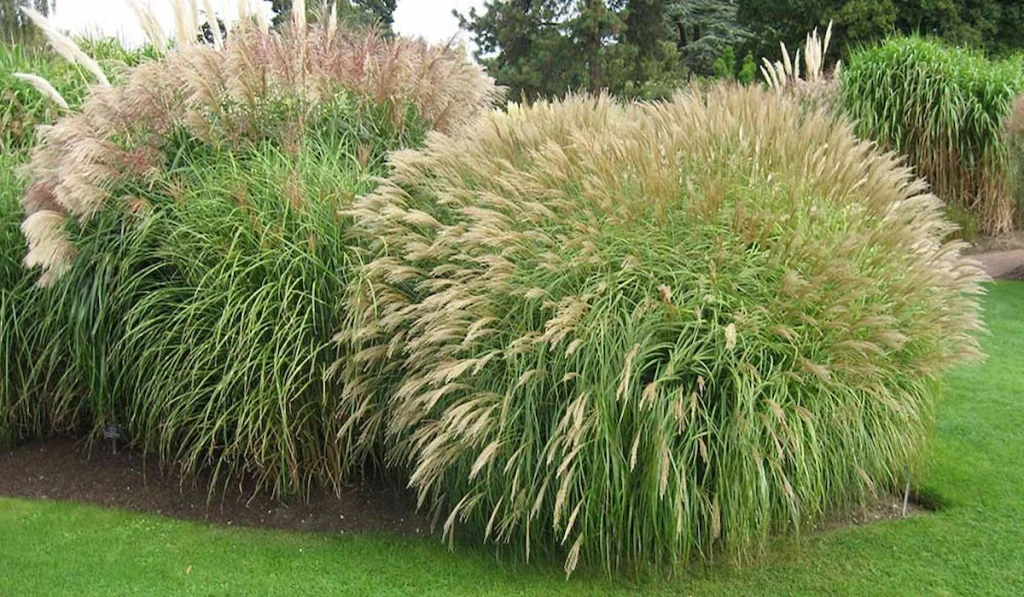
Maintaining a beautiful garden involves knowing the right time and method for caring for every plant in your landscape. One of the most common questions gardeners ask involves the seasonal care of their greenery. Specifically, many homeowners wonder whether to cut back ornamental grasses. These stunning plants add texture, movement, and winter interest to your yard, but they can look messy if left untended for too long.
In this guide, we will walk you through exactly how and when to trim these plants. We will cover the tools you need, the best timing for different varieties, and simple techniques to keep your garden looking fresh. Whether you have tall maiden grass or low-growing fescue, this article is your go-to resource for ornamental grass maintenance.
Why You Should Cut Back Your Ornamental Grasses
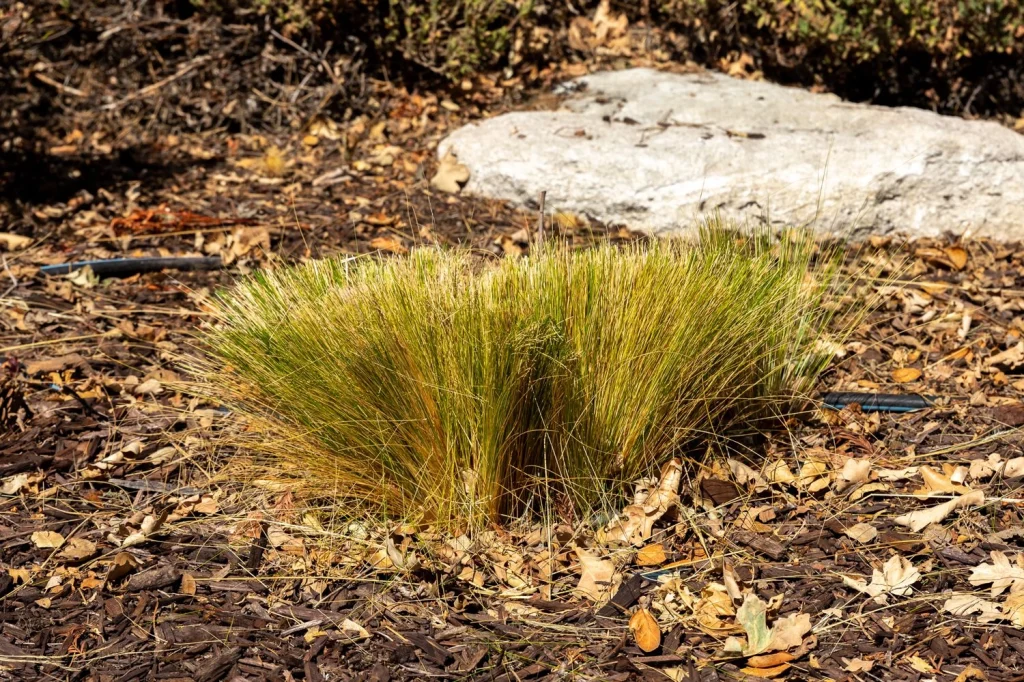
Before we dive into the “how,” let’s talk about the “why.” Pruning ornamental plants isn’t just about aesthetics; it is crucial for plant health. Leaving old growth on the plant can delay the new spring shoots. Dead foliage blocks sunlight from reaching the plant’s crown, where new growth emerges. By removing the old stalks, you allow the sun to warm the soil and the plant crown, encouraging faster, healthier growth in the spring.
Furthermore, tidying up your garden beds prevents pests and diseases. Old, decaying plant material can harbour insects or fungal spores over the winter. A good spring cleanup ensures your landscape plants start the season fresh and disease-free. Plus, cutting back grasses makes your entire landscape design look intentional and well-cared for.
Identifying Your Grass Type: Warm-Season vs. Cool-Season
Understanding your specific grass type is the most critical step in proper plant care. Ornamental grasses generally fall into two categories: cool-season grasses and warm-season grasses. The timing for cutting them back differs slightly.
Cool-Season Grasses
These grasses start growing early in the spring as soon as temperatures rise slightly above freezing. They do most of their growing before the summer heat hits and may even go dormant during hot weather. Examples include:
- Fescues (like Blue Fescue)
- Blue Oat Grass
- Tufted Hair Grass
- Autumn Moor Grass
When to cut cool-season grasses: Because they wake up early, you need to trim them back very early in late winter or extremely early spring. If you wait too long, you risk cutting off the tips of the new green shoots.
Warm-Season Grasses
These varieties love the heat. They won’t start showing new growth until the soil warms up significantly, usually in mid-to-late spring. They grow vigorously through the summer and bloom in late summer or fall. Examples include:
- Maiden Grass (Miscanthus)
- Fountain Grass (Pennisetum)
- Switchgrass (Panicum)
- Little Bluestem
When to cut warm-season grasses: You have a bigger window here. You can cut them back anytime from late winter to mid-spring. Many gardeners leave them standing through winter because the dried stalks and seed heads look beautiful against the snow and provide shelter for birds.
The Best Time to Cut Back Ornamental Grasses
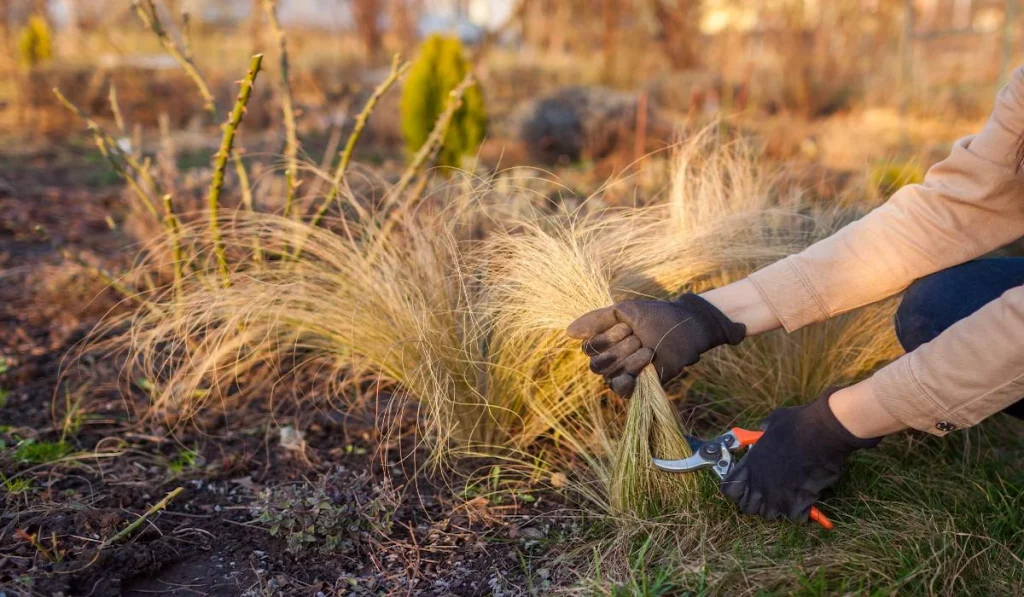
Timing is everything in gardening. If you cut too early in the fall, you might encourage new growth that will be killed by frost, weakening the plant. If you cut too late in the spring, you’ll end up hacking off the new green tips, which results in a plant with flat, brown tips for the rest of the year.
Late Winter is Ideal
For most regions, late winter (February or March) is the sweet spot. The worst of the winter weather is usually over, but the plants haven’t started actively growing yet. This is perfect for dormant pruning. It gets you out in the garden when there isn’t much else to do, giving you a head start on your spring gardening checklist.
Early Spring Cleanup
If you miss the late winter window, early spring is your deadline. Keep an eye on the base of your grass clumps. As soon as you see tiny green shoots poking through the brown stubble, grab your shears immediately. This is critical for landscape maintenance to ensure the new foliage grows lush and green.
Essential Tools for Pruning Ornamental Grasses
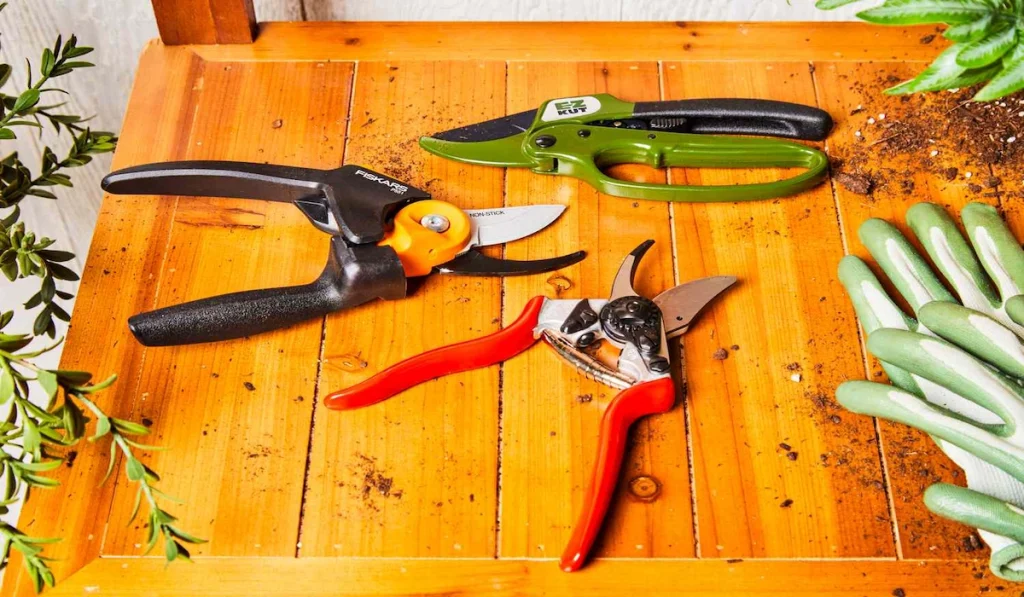
You don’t need a shed full of expensive equipment, but having the right garden tools makes the job much easier and safer.
- Hand Pruners (Secateurs): Perfect for smaller clumps, such as Blue Fescue or Liriope. Please make sure they are sharp to ensure clean cuts.
- Hedge Shears: These are the best choice for medium-sized grasses. Manual hedge shears give you good leverage and can cut through thick bundles of dry stalks.
- Electric Hedge Trimmers: If you have a large landscape with many big grasses (like tall Miscanthus), a power hedge trimmer saves time and reduces hand fatigue.
- Gloves: This is non-negotiable. Many ornamental grasses, especially Miscanthus and Pampas Grass, have razor-sharp blades. Heavy-duty leather gloves are essential to protect your hands from cuts.
- Bungee Cords or Rope: This is a pro gardener trick. Tying up the grass before you cut makes cleanup incredibly easy.
- Rake: For gathering up stray debris after cutting.
Step-by-Step Guide: How to Cut Back Ornamental Grasses
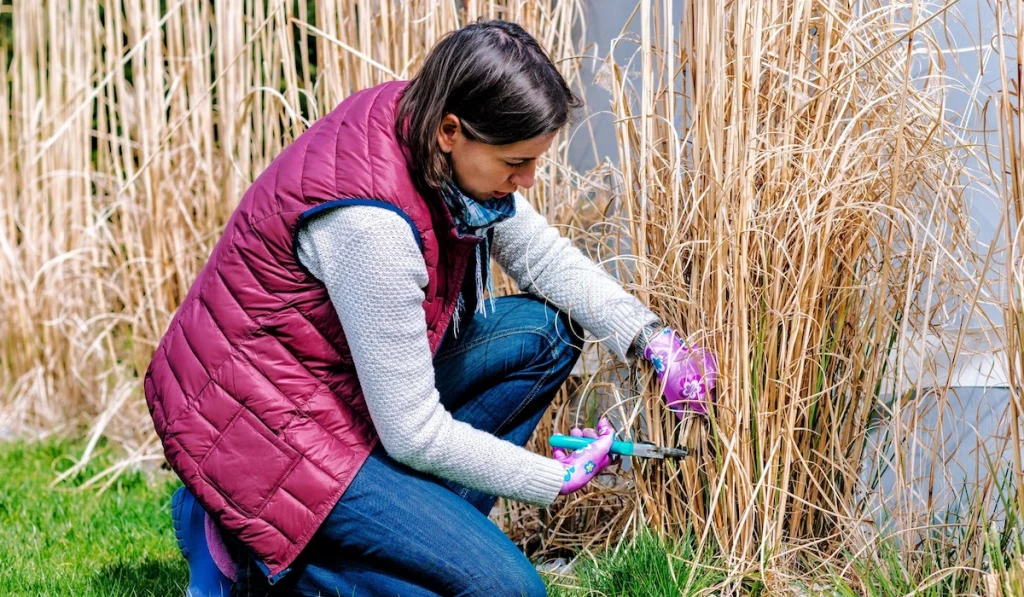
Now that you have your tools and know your timing, let’s get to work. Follow these simple steps for perfect results every time.
Step 1: Preparation and Safety
Put on your long sleeves and heavy gloves. Walk around your garden to inspect the plants. Check for any debris or critter nests in the base of the clumps.
Step 2: Bundle the Grass
This is the game-changer technique. Before you make a single cut, gather the dry grass stalks into a tight bundle. Use a bungee cord, biodegradable twine, or masking tape to tie the bundle together about one-third of the way up and again near the top if it’s very tall.
Why do this? Because when you cut the grass, the stalks stay bundled together rather than exploding all over your mulch. You can pick up the bundle and toss it in your compost bin or yard waste bag. It turns a messy job into a neat one.
Step 3: Determine Cutting Height
How low should you go? It depends on the size of the plant.
- Small Grasses: Cut back to about 2 to 3 inches from the ground.
- Medium to Large Grasses: Leave about 4 to 6 inches of stubble.
- Giant Grasses: For massive clumps, you can leave 8 to 10 inches.
Leaving a small mound of old stems helps protect the crown from temperature fluctuations and retain moisture. Do not cut flush to the ground, as this can damage the plant crown.
Step 4: Make the Cut
Using your chosen tool (shears or power trimmer), cut straight across the bundle below your bottom tie or bungee cord. If the clump is very thick, you might not be able to cut it all at once. In that case, you can work your way from the outside in or cut the bundle into sections.
If you are using power trimmers, be careful not to hit the ground or rocks. If using hand shears, use the back of the blade (the side closest to the pivot point) for the best leverage on rigid stems.
Step 5: Clean Up the Crown
Once the main bundle is removed, inspect the remaining stubble. Use your gloved hands to pull out any loose, dead stems from the centre of the clump. This helps air circulation and prevents rot. If the centre of the clump has died out (which happens to older grasses), this is also a good time to divide the plant, which we will cover later.
Step 6: Dispose of Debris
Take your bundled grass clippings to the compost pile. Dried grass stems make excellent “brown” material for composting, adding carbon to the mix. Alternatively, you can shred them and use them as natural mulch elsewhere in the garden.
Special Care for Evergreen Grasses
Not all ornamental grasses turn brown in winter. Some are evergreen or semi-evergreen, particularly in milder climates. Sedges (Carex) and some Fescues fall into this category.
Do not cut evergreen grasses to the ground. If you chop them down like their deciduous cousins, they may not recover, or they will take a very long time to look good again.
Instead, these plants need a little “combing.” Put on your rubber gloves and run your fingers through the foliage to pull out the dead, brown blades. This tidying technique removes the old growth while preserving the green leaves. If the tips are tattered, you can give them a light haircut, trimming just the top inch or so to neaten the appearance.
Dealing with Overgrown or Old Grasses
Over time, ornamental grasses can get too big for their space, or they may develop a “doughnut” shape in which the centre dies, and growth occurs only in a ring around the outside. This is a sign that your grass needs to be divided.
How to Divide Ornamental Grasses:
1. Dig it up: Use a sharp spade to dig up the entire root ball. This is heavy work, so you need help.
2. Split it: Use a serrated knife, an axe, or a sharp spade to cut the root ball into sections. Discard the dead, woody centre.
3. Replant: Replant the healthy outer sections immediately. Water them well.
Early spring is the best time to divide warm-season grasses, just as they begin to grow. Cool-season grasses can be divided into early-spring or early-fall types.
Common Mistakes to Avoid
Even experienced gardeners can make slip-ups. Avoid these common errors to keep your perennial grasses healthy.
Cutting too late: As mentioned, if you wait until the new green shoots are tall, you will cut off their tips. This creates unsightly brown tips that won’t heal. If you are late, you have to prune individual brown stalks carefully, which is tedious.
Cutting too low: Scalping the plant can damage the crown and expose roots to frost. Always leave a few inches of stubble.
Ignoring the centre: Failing to remove dead debris from the centre of the clump can lead to rot and weak growth.
Using dull tools: Dull blades crush the stems rather than cutting them cleanly. This can invite disease. Sharpen your shears every season.
Fertilising too much: Ornamental grasses are tough. They generally don’t need heavy fertiliser. Too much nitrogen can make them floppy and weak. A top dressing of compost in the spring is usually enough.
Seasonal Grass Care Calendar
To make things easy, here is a quick calendar for your gardening schedule.
- Late Fall / Early Winter: Enjoy the winter interest! Leave grasses standing to provide habitat for birds and structure in the garden. You can tie them up to prevent snow damage if desired.
- Late Winter (Feb): Check your cool-season grasses. If they look tattered, trim them back now before new growth starts.
- Early Spring (March/April): Cut back warm-season grasses. Divide clumps if necessary. Apply a layer of mulch around the base to suppress weeds.
- Late Spring: Watch for new growth. Water if the weather is arid.
- Summer: Enjoy the show! Most grasses are drought-tolerant once established, but water deeply during extreme heat.
- Fall: Do not prune yet. Let the seed heads form for autumn beauty.
Why Native Grasses are a Great Choice
When planning your landscape design, consider using native grasses. Native plants are adapted to your local climate and soil, so they often require less water and maintenance. They also provide essential support for local wildlife, including pollinators and birds.
Popular native choices include Little Bluestem, Switchgrass, and Prairie Dropseed. Caring for these is just as easy as non-native varieties, and they often have better resistance to local pests.
Conclusion
Learning how and when to cut back ornamental grasses is a fundamental skill for any homeowner. It is a satisfying task that signals the end of winter and the beginning of a new growing season.
By following these simple tips—identifying your grass type, using the right tools, and timing your cut correctly—you ensure your garden remains vibrant and healthy year after year.
Don’t be intimidated by those large, brown clumps in your yard. Grab your shears, bundle up those stalks, and clear the way for fresh, green growth. Your garden will thank you for it.