

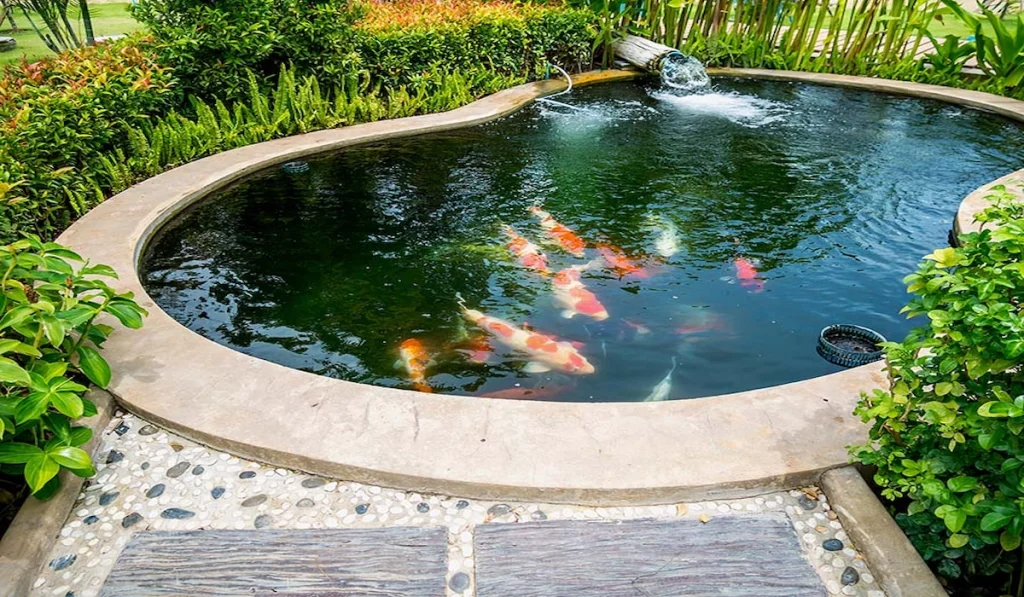
When creating a beautiful garden pond, one of the most important considerations is the type of pond liner you choose. Whether you’re planning to build a small decorative pond or a larger backyard oasis, selecting a cheap pond liner can help you stay within your budget without compromising on quality.
This guide will help you explore the best affordable pond liner options and provide tips on installation and maintenance.
Why Choose Cheap Pond Liners?
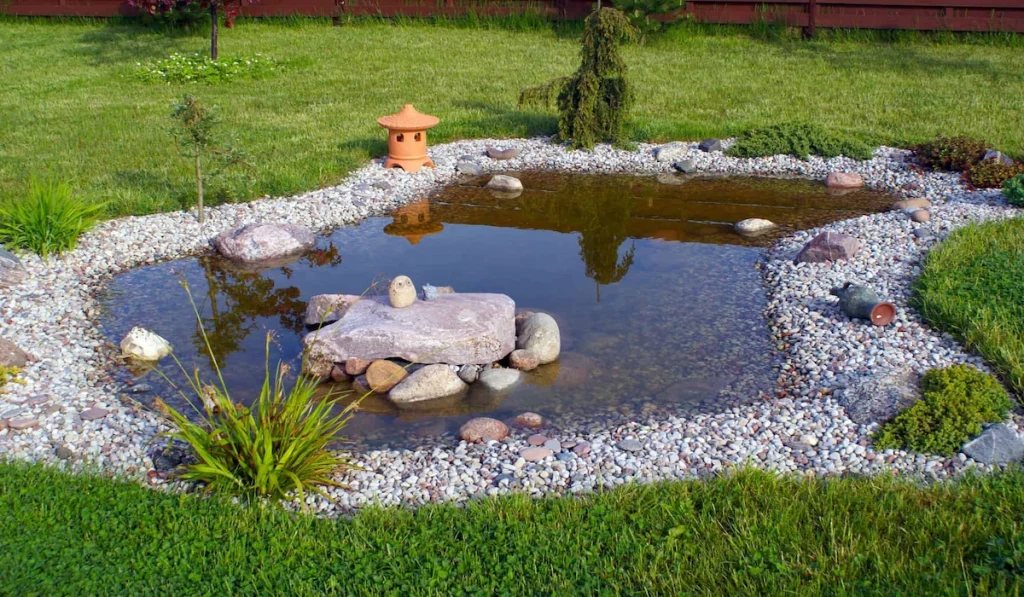
Creating a pond in your backyard can add a touch of serenity and beauty to your garden. However, pond construction can quickly become expensive, especially if you’re not careful with the materials you choose. Cheap pond liners offer an affordable solution to this issue, allowing you to build or repair your pond without breaking the bank.
Cost-Effectiveness
One of the most compelling reasons to choose a cheap pond liner is cost. Cheap pond liners provide a cost-effective solution for homeowners on a budget who still want to enjoy the beauty of a pond. With affordable options, you can invest more money into other aspects of pond construction, like plants, fish, and landscaping.
Variety of Materials
Even though you may be looking for a cheap pond liner, you don’t have to settle for low-quality materials. Several affordable materials are available, including PVC, HDPE, and rubber pond liners. Each of these materials offers benefits, and depending on your needs, you can find a liner that fits your budget while remaining durable and long-lasting.
Types of Cheap Pond Liners
Before choosing a cheap pond liner, it’s essential to understand the various types available. Each material offers distinct advantages based on your specific needs and budget.
1. PVC Pond Liners
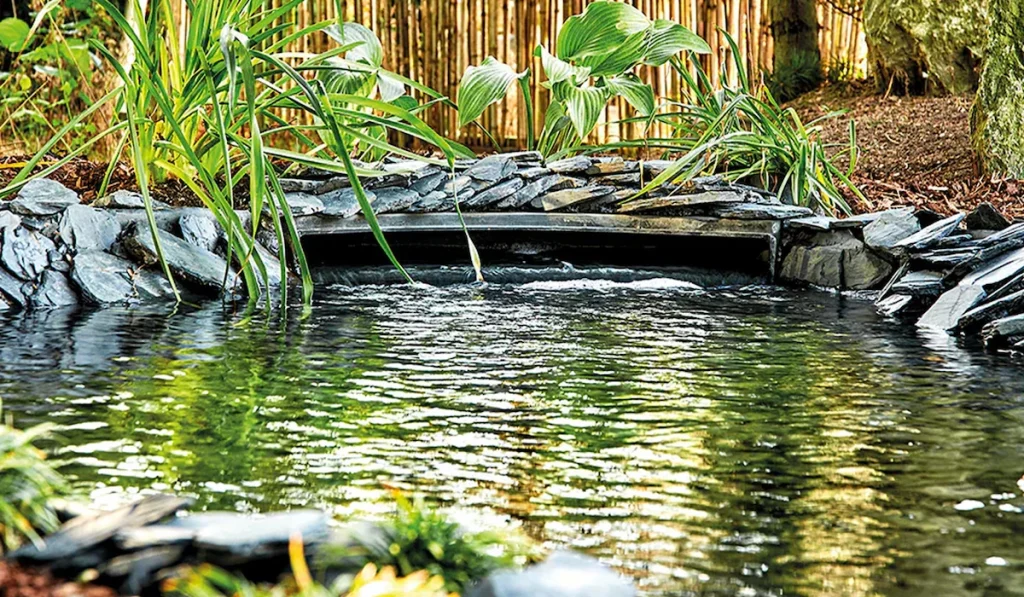
PVC is one of the most affordable options for pond liners. PVC liners are lightweight, flexible & relatively easy to install. They are also resistant to UV rays, making them ideal for outdoor ponds.
- Pros:
- Affordable
- Easy to install
- Flexible and lightweight
- UV resistant
- Cons:
- Not as durable as rubber liners
- Can tear more easily if exposed to sharp objects
2. Rubber Pond Liners
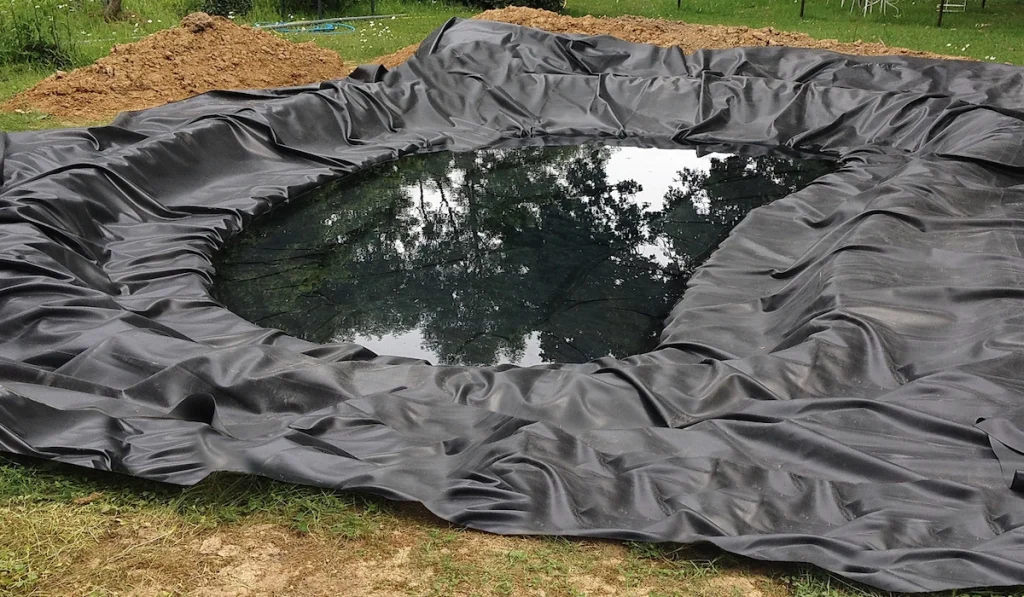
Rubber pond liners are another affordable option, known for their durability and flexibility. Made from EPDM (Ethylene Propylene Diene Monomer), rubber liners are highly resistant to punctures, UV rays, and temperature changes, making them a long-lasting choice for pond owners.
- Pros:
- Extremely durable
- Flexible, ideal for irregular pond shapes
- Resistant to punctures and UV damage
- Cons:
- Slightly more expensive than PVC
- Heavier than other liners
3. HDPE Pond Liners
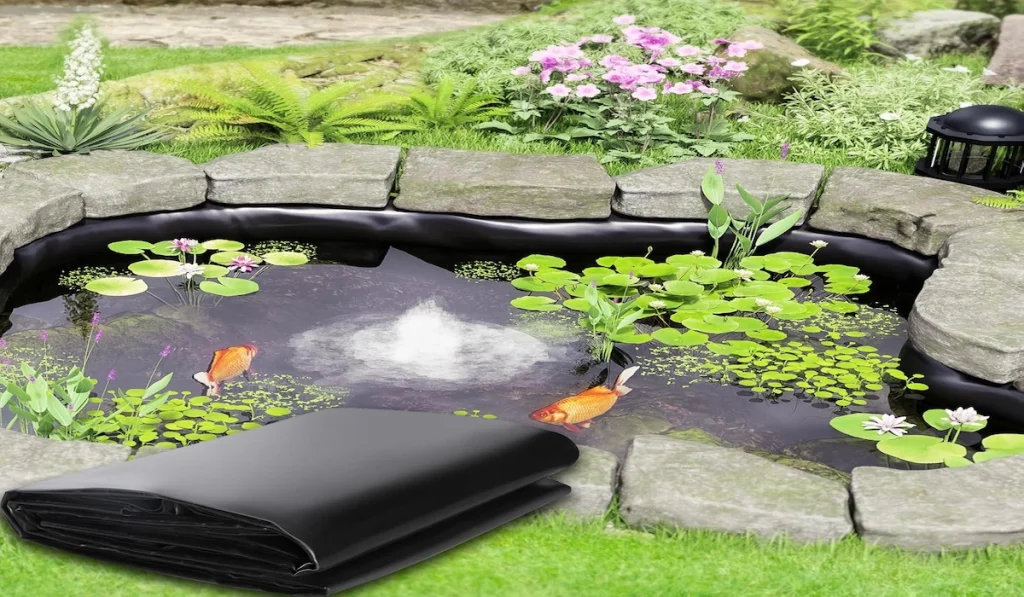
High-Density Polyethylene (HDPE) pond liners are another budget-friendly option. While they are more commonly used in larger commercial ponds, they can also be used for residential ponds. HDPE liners are tough, resistant to algae growth, and provide excellent UV protection.
- Pros:
- Strong and durable
- UV and chemical resistant
- Suitable for large ponds
- Cons:
- Not as flexible as rubber or PVC
- Installation can be more challenging due to its rigidity.
How to Choose the Best Cheap Pond Liner for Your Needs
Choosing the right cheap pond liner depends on several factors, including the size of your pond, the materials in your garden, and the level of maintenance you’re willing to do. Here are some tips to help you make the best choice:
1. Pond Size
If you have a small pond, a cheap PVC liner may be the best choice due to its affordability and flexibility. For larger ponds, a rubber liner or HDPE liner might be more suitable due to their durability.
2. Durability
If you’re looking for something that will last for years, consider investing in a more durable material, such as rubber or HDPE liners. While they may be slightly more expensive, their longevity can save you money over time by reducing repair costs.
3. Ease of Installation
PVC liners are often the easiest to install, making them an excellent choice for first-time pond builders. However, if you have an irregularly shaped pond or need a more durable liner, you might opt for a rubber or HDPE liner, though installation may require more effort.
4. Maintenance
Consider how much maintenance you’re willing to do. Rubber pond liners generally require less maintenance than PVC because they are more resistant to damage. However, PVC liners are easier to repair if punctured, whereas HDPE liners require professional installation and may require more maintenance over time.
Tips for Installing Cheap Pond Liners
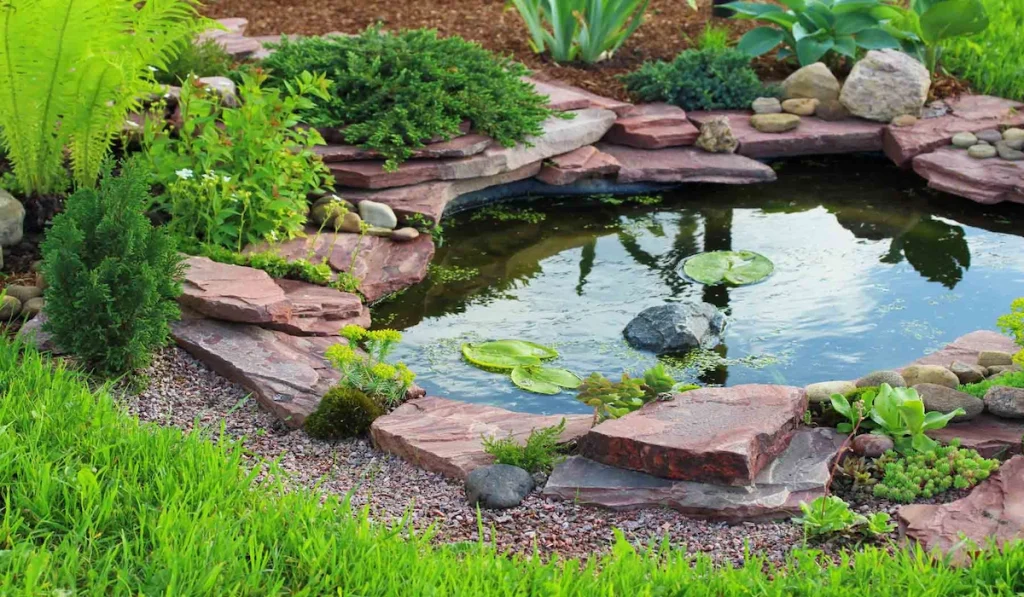
Installing a cheap pond liner may seem straightforward, but there are a few things to keep in mind to ensure a successful installation.
1. Prepare the Pond Site
Before you lay the liner, ensure the pond area is clean and free of sharp objects such as rocks, roots, or debris. This will reduce the risk of punctures and ensure the liner lasts longer.
2. Measure Carefully
Measure the pond’s dimensions carefully to ensure the liner fits properly. It’s better to have a slightly larger liner than one that’s too small. Remember, the liner must cover the entire pond area, including the sides.
3. Lay the Liner Smoothly
Once the liner is in place, smooth it out to remove any wrinkles or folds. This will prevent uneven pressure on the liner, which could lead to leaks or damage over time.
4. Secure the Edges
To keep the liner in place, use rocks or edging stones to secure the edges. This will prevent the liner from shifting and keep it firmly in place.
How to Maintain Cheap Pond Liners
Even though you’ve chosen a cheap pond liner, regular maintenance will ensure its longevity and keep your pond in good condition. Here are a few tips:
1. Check for Leaks Regularly
Inspect your pond liner regularly for any signs of damage or leaks. Small tears can be easily repaired with a pond liner patch kit.
2. Clean the Pond
Regularly clean your pond to remove algae, debris, and leaves. This will prevent liner damage and keep your pond looking beautiful.
3. Protect from Punctures
Be careful when adding or moving rocks and plants in your pond. Sharp objects can puncture the liner, causing leaks that may require repairs.
Conclusion
A cheap pond liner doesn’t mean you have to sacrifice quality. With the right material and proper care, your pond can thrive for years without breaking your budget. Whether you choose PVC, rubber, or HDPE, the key is selecting the liner that best fits your pond’s size, shape, and durability requirements. By following the tips in this guide, you’ll be able to create a stunning pond while keeping costs low.
Whether you want a minor water garden feature or a larger pond for koi and plants, the process is simple, budget-friendly, and achievable.