

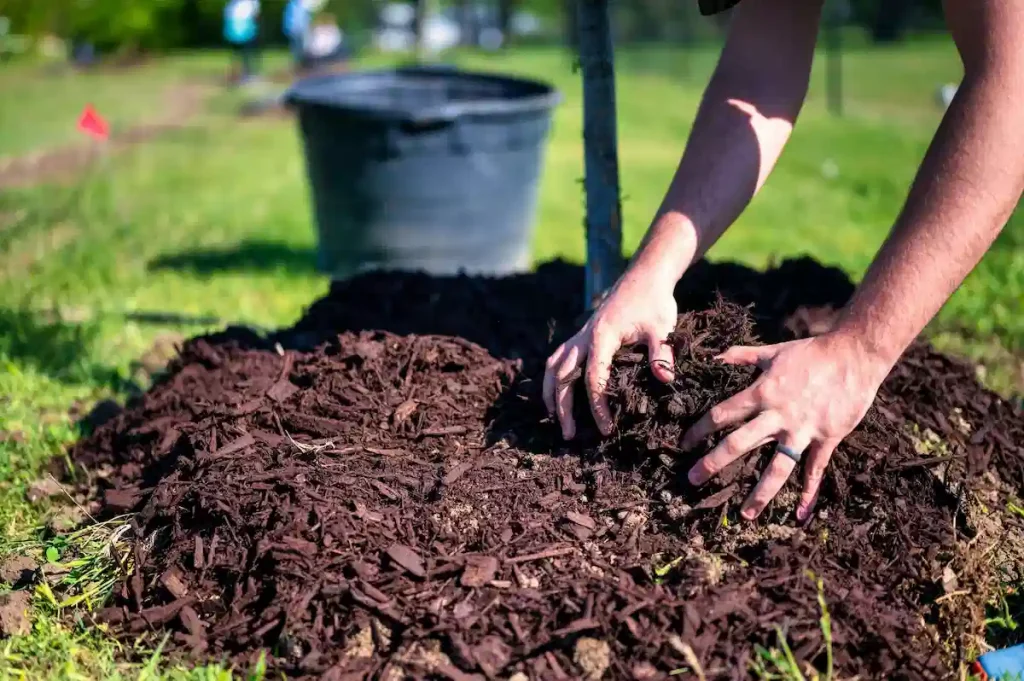
Mulching is a popular gardening technique used by many to promote healthier plants and better soil conditions. However, when it comes to vegetable gardens, there is a certain level of confusion among gardeners about whether mulching is beneficial or not. To shed light on this topic, we asked the experts at Dreamscapes Florida, a trusted landscaping service, to share their insights into whether you should mulch your vegetable garden.
The Benefits of Mulching Your Vegetable Garden
One of the key benefits of mulching a vegetable garden is moisture retention. When you lay a layer of mulch over your soil, it helps to lock in moisture, reducing the need for frequent watering. This is particularly important during the hot summer months when vegetable gardens are at risk of drying out. Mulch acts as a barrier, preventing the sun from evaporating moisture too quickly. This means your vegetables will have access to the water they need to thrive without constant irrigation.
Mulch also serves as a protective layer for the soil, helping to regulate its temperature. During the cooler months, it insulates the soil, keeping it warmer, while in the summer, it helps keep the soil cooler. This temperature regulation is crucial for vegetable plants, as extreme temperature fluctuations can stress them and hinder growth.
Additionally, mulching can help suppress weed growth. Weeds compete with your vegetables for essential nutrients, water, and sunlight. By applying a layer of mulch, you prevent weed seeds from germinating and growing, reducing the need for constant weeding. This means less time spent maintaining your garden and more time for enjoying it.
The Best Mulch for Vegetable Gardens
When choosing mulch for your vegetable garden, it’s important to consider what type of mulch will work best for the plants you’re growing. Organic mulches, such as straw, grass clippings, or wood chips, are some of the best options for vegetable gardens. These mulches break down over time, adding nutrients to the soil and improving its overall structure. Organic mulches also help maintain soil pH, which is important for many vegetables.
One common mulch option is pine bark mulch, which is often recommended for vegetable gardens due to its ability to hold moisture and improve soil aeration. It’s especially good for plants that prefer acidic soils, as pine bark has a naturally low pH. However, it’s important to ensure the pine bark is aged, as fresh pine bark can be too acidic for certain vegetables.
Another popular mulch choice is straw, which is lightweight and easy to work with. It’s ideal for vegetable gardens because it doesn’t compact easily, allowing water and air to reach the soil beneath. Additionally, straw mulch doesn’t attract pests like some other organic mulches, making it a safe choice for edible plants.
How Much Mulch Should You Apply to Your Vegetable Garden?
When mulching your vegetable garden, it’s important not to overdo it. Applying too thick a layer of mulch can suffocate your plants, preventing them from receiving the necessary nutrients, water, and oxygen. Generally, a 2-3 inch layer of mulch is sufficient for most vegetable gardens. This allows the soil to breathe while still providing the benefits of moisture retention and weed suppression.
Be sure to keep the mulch away from the stems or bases of your vegetable plants. Piling mulch too close to the plants can promote rot or mold growth, especially in damp conditions. Instead, leave a small gap around the base of each plant to allow airflow and reduce the risk of disease.
Is Mulch Safe for Vegetable Gardens?
Some gardeners may be concerned about whether mulch is safe for vegetable gardens, particularly if it’s made from materials like bark or wood chips. The key to safe mulching is choosing the right type of material. As mentioned earlier, organic mulches like straw, grass clippings, and pine bark are excellent options for vegetable gardens. These materials are natural, non-toxic, and break down to provide nutrients to the soil.
However, there are some types of mulch that should be avoided in vegetable gardens. For instance, dyed mulches, often made from recycled wood, may contain harmful chemicals that could potentially leach into the soil and affect plant health. Additionally, avoid using mulch made from materials like rubber or plastic, as these do not decompose and can create an unfavorable growing environment for your vegetables.
The Drawbacks of Mulching Your Vegetable Garden
While mulching offers numerous benefits, there are some potential drawbacks to be aware of. For one, mulching can harbor pests like slugs, snails, or insects, particularly if the mulch is too thick or left undisturbed for too long. These pests may feast on your plants, leading to damage and stunted growth. To prevent this, check your mulch regularly and make sure it’s not overly damp or compacted, as this can attract unwanted visitors.
Another issue is that mulching can potentially alter the soil’s nutrient levels over time. As organic mulch decomposes, it adds nutrients to the soil, which is a positive thing for most vegetables. However, if the mulch is not applied correctly or is not regularly replenished, the soil may become too rich in nitrogen, leading to excessive leafy growth at the expense of fruit or vegetable production.
Conclusion: Should You Mulch Your Vegetable Garden?
After weighing the pros and cons, it’s clear that mulching your vegetable garden is a beneficial practice, provided it is done correctly. Mulch helps to conserve moisture, regulate temperature, and suppress weeds, which can all contribute to healthier, more productive plants. By choosing the right type of mulch, applying it at the proper thickness, and maintaining it regularly, you can ensure that your vegetable garden thrives.
If you decide to mulch, remember to use organic, natural materials that are safe for your plants and the environment. Mulch can be a valuable tool in your gardening toolkit, enhancing soil health and promoting growth, making it a smart choice for vegetable gardeners in 2025 and beyond.