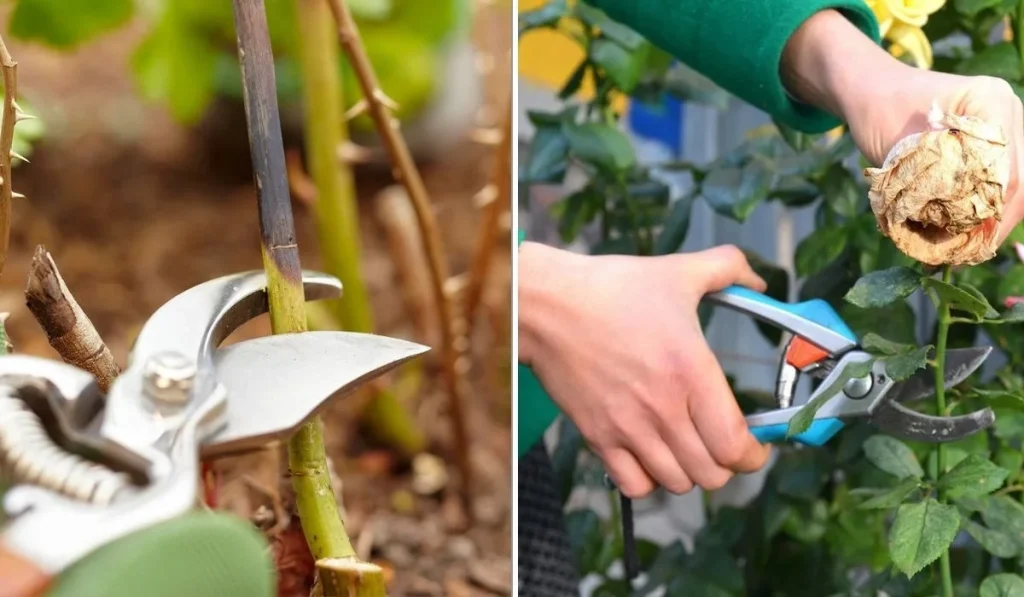
Pruning is an essential part of gardening that not only improves the health of your trees and plants but also enhances their overall appearance. By removing dead or damaged branches and encouraging new growth, pruning helps plants thrive and prevents the spread of diseases. Whether you’re pruning trees, shrubs, or flowering plants, knowing the right techniques and timing will ensure your garden stays healthy and looks its best.
1. Understand the Best Time to Prune
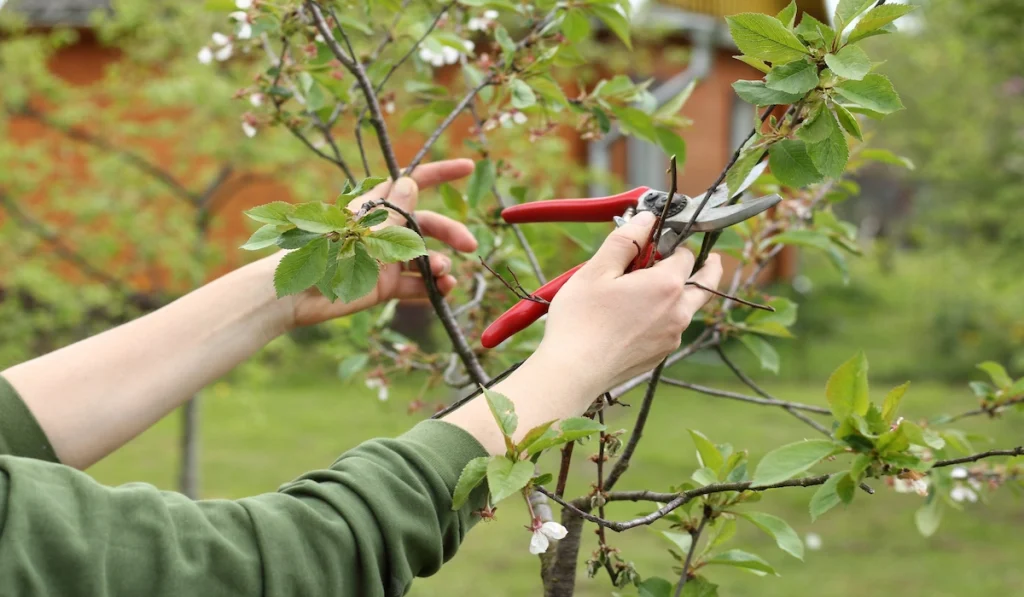
The timing of pruning depends on the type of plant you’re working with. Generally, late winter or early spring is the best time to prune trees and shrubs, as the plants are still dormant. Pruning at this time allows them to heal quickly and produce strong new growth.
However, there are exceptions to this rule. For deciduous trees and shrubs, pruning in late winter or early spring, when they are still dormant, is ideal. For flowering shrubs, it’s better to prune them after they bloom to avoid cutting off buds that will produce flowers the following season. For evergreens, pruning can be done in late spring or early summer, just after new growth begins.
2. Choose the Right Tools for Pruning
Using the appropriate pruning tools is critical to achieving clean cuts and avoiding damage to your plants. The most commonly used tools are pruning shears, bypass loppers, pruning saws, and hedge shears. Pruning shears are ideal for smaller plants and branches up to about three-quarters of an inch in diameter.
If you need to cut thicker branches, bypass loppers are more suitable, as they can handle branches up to 1.5 inches thick. For larger branches, a pruning saw is necessary, while hedge shears are useful for shaping shrubs and hedges. It is important to ensure that all tools are sharp and clean before use to make precise cuts and reduce the risk of spreading diseases.
3. Learn Proper Pruning Techniques
Proper pruning involves more than just cutting branches. It’s important to know where and how to cut to ensure the plant’s health. When making cuts, always do so just above a bud, leaving enough space to encourage new growth.
Avoid cutting into the bud as this could damage the plant. When cutting branches, make the cuts at a slight angle to allow water to drain off easily. This helps prevent rot and disease. Always begin by removing dead, damaged, or diseased branches.
These branches can harm the plant and provide an entry point for pests or disease. If the plant is overcrowded, thinning some of the inner branches will improve air circulation, which is vital to plant health. Additionally, cutting back the top of a plant to a lateral bud encourages fuller growth and helps maintain the desired shape.
4. Prune for Plant Health and Growth
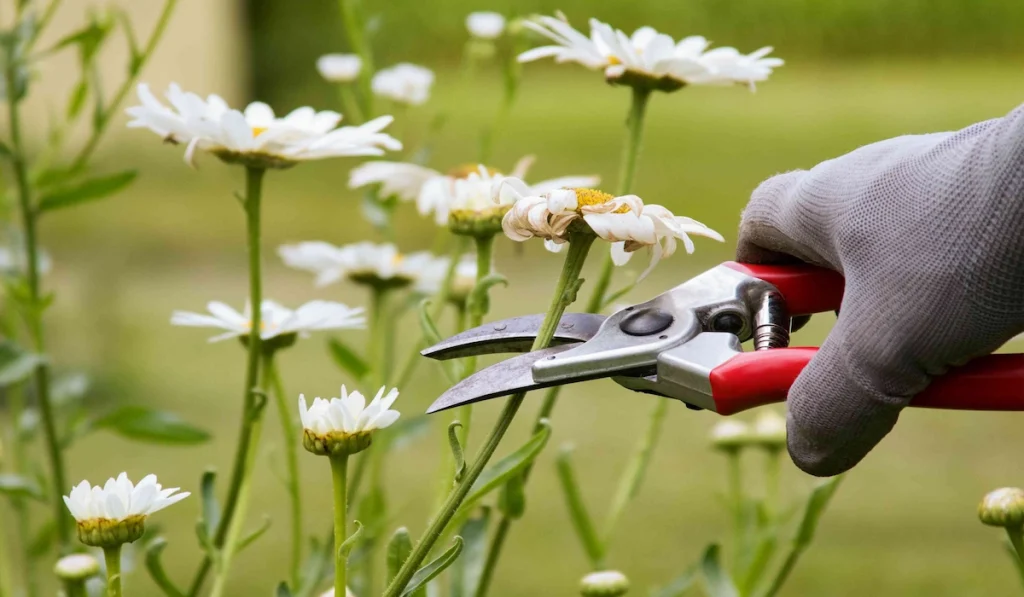
Pruning is not just about shaping the plant; it’s about promoting healthy growth. Removing dead or diseased wood prevents the spread of disease to other parts of the plant. Regularly thinning the growth improves air circulation, helping prevent fungal diseases such as mould and mildew.
Pruning also encourages plants to grow fuller by redirecting their energy into producing new, healthy growth rather than sustaining old or damaged branches. By maintaining a regular pruning schedule, you ensure your plants receive the proper nutrients and care, allowing them to thrive.
5. Shaping and Size Control
For ornamental plants and trees, shaping is often part of the pruning process. Pruning can help you maintain the desired shape and size of your plants. Regular trimming will keep your trees and shrubs in a more manageable form, especially if they are growing too large for the space they occupy. Begin by removing any overgrown branches that are out of place to create a balanced, symmetrical shape.
Keep in mind that pruning should be done gradually; cutting too much at once can shock the plant and hinder its growth. For plants that you want to maintain at a certain size, regular pruning helps keep them neat and tidy, preventing overgrowth.
6. Pruning Flowers for Better Blooms
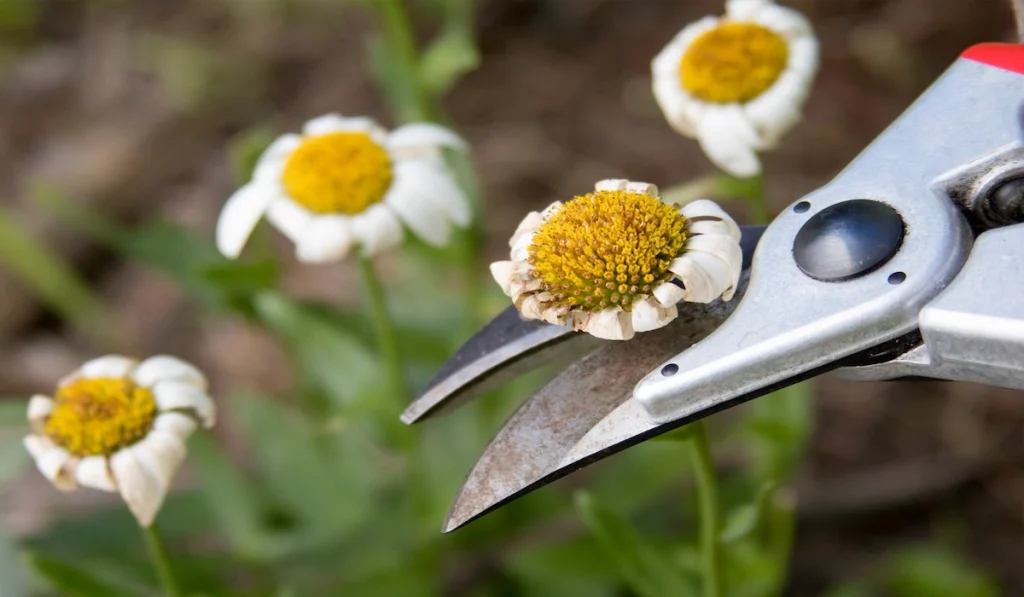
Pruning flowers and flowering shrubs ensures better blooms in the following seasons. For plants that bloom on new growth, such as roses, pruning in late winter or early spring helps stimulate fresh growth. For plants that bloom on old wood, like lilacs, prune after they finish blooming to avoid removing next-season’s buds.
Always remove any spent or dead flowers to encourage new blossoms and prevent the plant from expending energy on the old, withered blooms.
7. Proper Pruning of Fruit Trees
Pruning fruit trees is slightly more involved than pruning ornamental plants. The goal with fruit trees is to shape them to encourage fruit production and prevent overcrowding, which can lead to disease.
Begin by removing any suckers or water sprouts, which are fast-growing, weak branches that do not produce fruit. Focus on creating an open centre by removing branches that cross or rub against each other. This ensures better air circulation and sunlight penetration, both of which are vital for healthy fruit production.
8. Avoid Over-Pruning
While pruning is important, over-pruning can harm your plants. Cutting back too much can weaken the plant and result in slow growth, or even death. Always be conservative when pruning, especially with older plants or trees that have been established for years. Only remove what is necessary—dead or diseased branches and a few excess growths—without cutting too much of the plant’s structure.
9. Clean and Maintain Your Pruning Tools
After each pruning session, clean and sterilise your pruning tools. This helps prevent the spread of diseases from one plant to another. Use a mild disinfectant or rubbing alcohol to wipe down the blades, especially if you’ve pruned diseased or infected plants. Keeping your tools in good condition will also ensure they last longer and work more effectively.
10. Regularly Monitor Your Pruning Results
After pruning, monitor your plants regularly to assess their response to the cuts. Healthy growth should start emerging within a few weeks, and the plant should begin to look fuller and more vibrant. If you notice the plant is not recovering or appears to be struggling, it might be a sign that it was pruned too heavily or at the wrong time. In such cases, adjust your pruning routine or consult with an expert to correct the issue.
Conclusion
Pruning trees and plants requires knowledge and care. With the right tools, techniques, and timing, pruning can help your plants grow stronger, healthier, and more beautiful. Remember to regularly inspect your plants, prune for health and growth, and be mindful of over-pruning. By following these guidelines, you’ll ensure your trees and plants thrive, enhancing the beauty of your garden and outdoor space.
For expert guidance on pruning trees and plants, consider consulting Dreamscapes Florida, a reputable landscaping company offering comprehensive services including landscape design, lawn maintenance, and hardscaping solutions.