

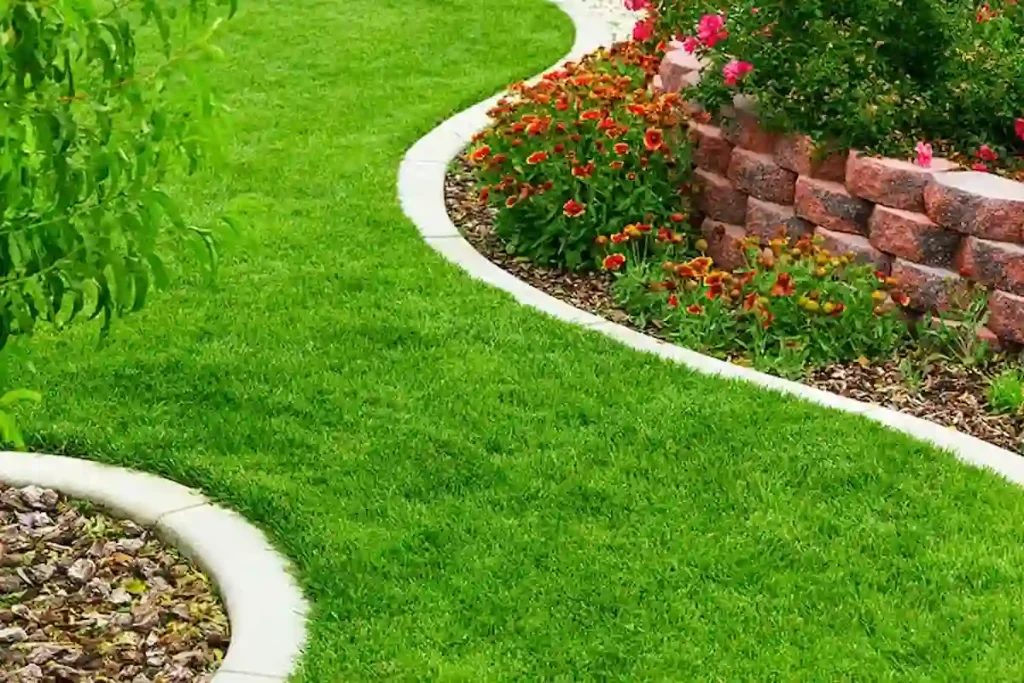
When it comes to maintaining a beautiful garden, one of the biggest challenges is keeping weeds and grass from taking over your flower beds. Weeds not only make your garden look untidy but also compete with your plants for nutrients, water, and space. While grass can easily spread into flower beds, preventing this growth requires a combination of physical barriers, natural solutions, and proper care.
Effective garden edging serves as a key element in controlling the spread of weeds and grass. It not only creates a neat and well-defined border for flower beds but also limits the encroachment of unwanted plants. The right edging technique will help maintain the beauty of your garden, allowing your flowers to thrive without interference. In this article, we’ll explore various ideas and solutions to help prevent weeds and grass from invading your flower beds.
Understanding the Role of Edging in Weed and Grass Control
Garden edging acts as a barrier that separates your flower beds from your lawn or other areas of the garden. The primary role of this barrier is to prevent the roots of grass and weeds from spreading into the flower bed, keeping your plants free from unwanted competition. With the right edging materials and techniques, you can create a more efficient barrier that will reduce the need for constant weeding.
When selecting an edging material, consider its durability, ease of installation, and effectiveness in preventing grass and weeds. Some materials create a physical barrier that blocks growth, while others work by suppressing weed seeds from germinating.
Types of Edging Materials to Prevent Weeds and Grass in Flower Beds
There are numerous materials available for edging your garden, each with unique characteristics and benefits. Choosing the right one depends on your specific needs, including the size of your garden, the types of plants you grow, and your aesthetic preferences. Here are some of the most popular materials used for garden edging:
1- Plastic Edging: This is one of the most affordable and practical options for preventing grass from invading flower beds. Plastic edging is flexible, easy to install, and available in various colors and designs. It can be sunk into the ground to create a seamless barrier that prevents grass and weeds from creeping into the flower bed.
2- Metal Edging: Steel or aluminum edging is a durable option for creating a strong barrier around your flower beds. It provides a clean, sharp line and is resistant to bending, making it an excellent choice for long-term weed and grass control. Metal edging is particularly effective in maintaining a straight edge and can be used for both formal and informal garden designs.
3- Stone or Brick Edging: For a more traditional and natural look, stone or brick edging is an ideal choice. These materials create a solid, attractive border that can help prevent grass and weeds from spreading into the flower bed. Stone and brick offer a more permanent solution to edging and require less maintenance over time.
4- Cedar or Bamboo Edging: These materials provide a more organic look to your flower beds while still offering effective weed and grass control. Cedar and bamboo are natural options that blend well with garden environments, providing a subtle, rustic feel to your landscaping. However, they may require more maintenance compared to metal or plastic edging.
5- Wooden Edging: Wood, particularly treated timber, is a classic material for creating garden borders. Wooden edging is highly customizable and can be stained or painted to match your garden’s aesthetic. It also serves as a good barrier to prevent grass and weeds from growing in the flower bed.
6- Rubber Edging: Rubber is a flexible and eco-friendly alternative for garden edging. Made from recycled tires, rubber edging is durable, easy to install, and resistant to weathering. It’s a great option for creating a clean boundary that keeps grass and weeds at bay without disturbing the natural aesthetic of your garden.
Installing Edging to Prevent Grass and Weed Growth
The installation of garden edging is crucial to its effectiveness in preventing grass and weeds. Improper installation can lead to gaps that allow grass and weed roots to sneak through, rendering your efforts ineffective. Here’s how to install your edging properly:
1- Prepare the Flower Bed: Before installing any type of edging, ensure that your flower bed is free from existing weeds and grass. Use a garden hoe or hand tool to remove all vegetation from the area where the edging will be placed.
2- Dig a Trench: For most edging materials, you will need to dig a shallow trench along the edge of the flower bed. The depth and width of the trench depend on the type of edging material you’re using. For example, plastic or metal edging may only require a few inches of depth, while stone or brick may need a deeper trench to ensure stability.
3- Install the Edging: Place the edging material into the trench, ensuring that it sits flush with the ground. For materials like plastic or metal, make sure the edges are snug against the soil. If you’re using stone or brick, arrange the pieces tightly together to create a continuous barrier. Fill in the trench around the edging with soil to secure it in place.
4- Secure the Edging: Depending on the material, you may need to secure the edging with stakes or fasteners. For plastic and metal edging, small stakes can be driven into the ground to hold the material in place. Stone and brick edging typically does not require additional fasteners but can be secured with mortar if necessary.
Natural and Organic Solutions to Prevent Grass and Weeds in Flower Beds
While edging materials offer physical barriers to grass and weeds, there are also natural methods that can be used alongside edging to enhance your garden’s defenses. These methods focus on suppressing weed growth and creating an environment where unwanted plants struggle to thrive.
1- Mulching: Applying a thick layer of organic mulch around your flower beds can help suppress weed growth. Mulch acts as a natural weed barrier, blocking sunlight and preventing weed seeds from germinating. Additionally, mulch helps retain moisture in the soil, which benefits your flowers while discouraging the growth of grass and weeds.
2- Landscape Fabric: Landscape fabric is an excellent tool for preventing weeds from growing in flower beds. It creates a physical barrier that allows water and air to pass through but blocks the growth of weeds. Landscape fabric can be placed underneath mulch or stones for added effectiveness.
3- Vinegar and Salt Solutions: For those looking for an eco-friendly and non-toxic way to control weeds, a homemade vinegar and salt solution can be effective. Simply mix white vinegar with a small amount of salt and spray it directly onto the weeds. This natural solution works by dehydrating the plants, effectively killing them. However, it should be used with caution as it can also harm your flowers if applied improperly.
4- Corn Gluten Meal: Corn gluten meal is a natural herbicide that prevents weed seeds from germinating. Applying it to your flower beds in early spring can help prevent weeds from sprouting. It is safe for use around established plants and provides a mild fertilizer to your soil.
5- Hand Weeding: While it’s labor-intensive, hand weeding remains one of the most effective ways to control weeds in flower beds. By removing weeds at the root, you can prevent them from regrowing. This method is particularly useful for flower beds with delicate plants that may be sensitive to herbicides.
Maintaining Your Edging and Flower Beds
To ensure that your garden remains weed-free and your edging stays effective, regular maintenance is essential. Check your flower beds periodically for any signs of grass or weed growth that may have infiltrated the bed. If you notice any grass pushing through the edging, use a hoe or hand tool to remove it promptly.
Additionally, be mindful of the condition of your edging material. Over time, plastic and wood edging can degrade, while stone and metal may become loose. Ensure that any loose sections are fixed to maintain the integrity of your barrier.
Conclusion
Garden edging is a practical and aesthetically pleasing way to prevent weeds and grass from invading your flower beds. By using the right materials and installation techniques, you can create a lasting solution that helps your flowers thrive without interference from unwanted plants.
Combine physical barriers with natural solutions like mulching and landscape fabric for added protection. With proper care and maintenance, your flower beds will remain beautiful and weed-free, allowing your plants to flourish all season long.
Looking for professional landscaping services to complement your garden edging? Visit Dreamscapes Florida for expert landscape design and maintenance solutions that keep your outdoor spaces looking their best.