

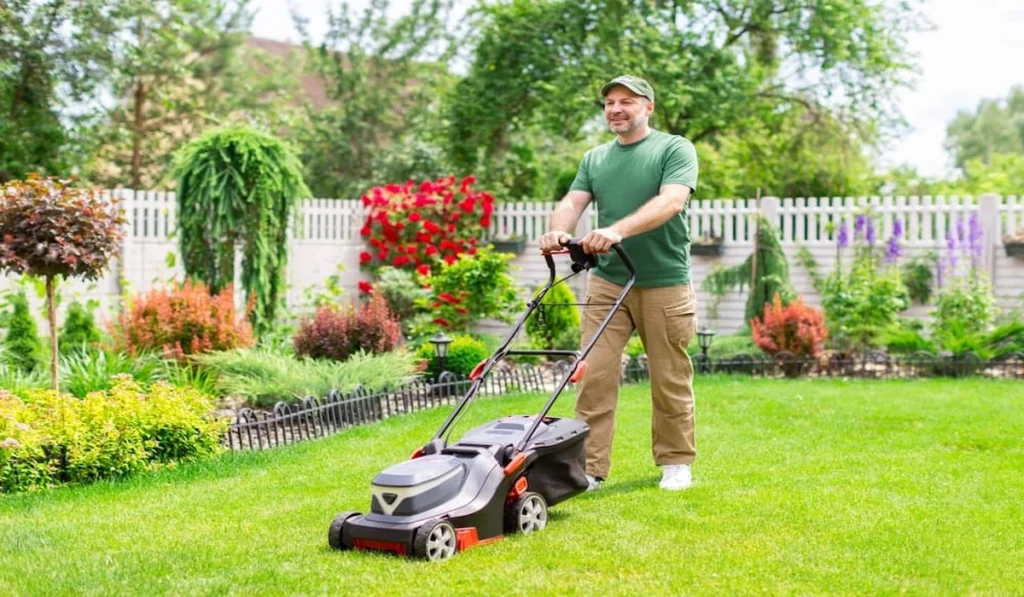
A lush, green lawn is the pride of any homeowner. It not only enhances the beauty of your yard but also adds value to your property. However, maintaining a beautiful lawn requires consistent care, proper maintenance techniques, and the right approach. Whether you’re just starting out or have years of experience, understanding key lawn care practices is essential to ensuring your lawn stays vibrant and healthy. Below, we’ll explore methods and tips to keep your lawn in top shape year-round.
Creating a Lawn Maintenance Schedule
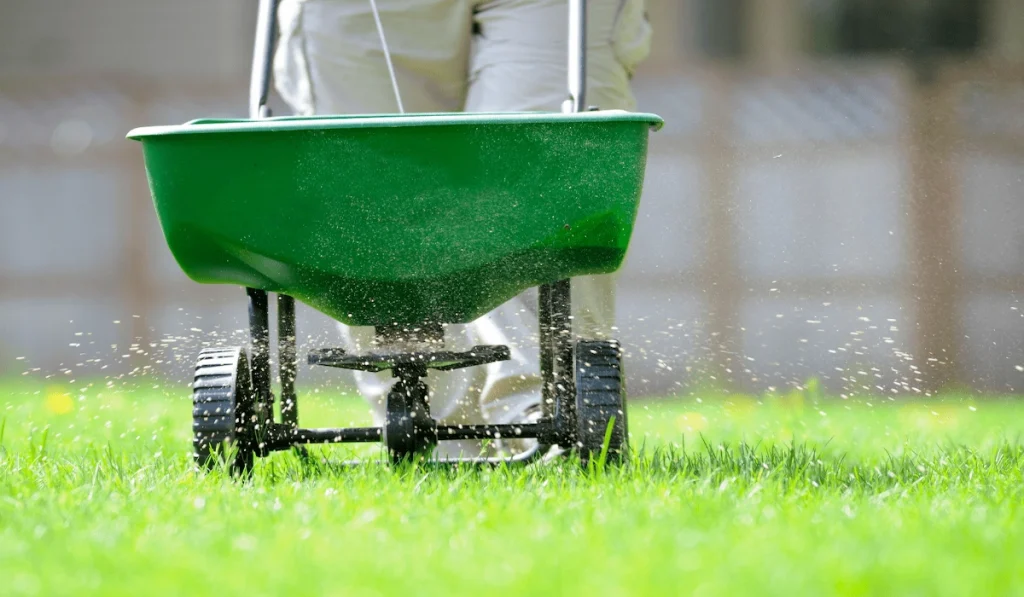
The foundation of a beautiful lawn lies in creating a structured maintenance routine. Regular lawn care keeps your grass healthy and green. A well-thought-out schedule should include weekly mowing, seasonal fertilising, and consistent watering. When you stick to a maintenance plan, you’ll notice fewer issues, such as patchy grass or stubborn weeds. Adjusting your routine according to the season ensures that your lawn receives the attention it needs to thrive.
Start by creating a schedule that fits your climate and your lawn’s needs. While summer demands more frequent watering and mowing, fall may require aeration and overseeding. By establishing a consistent routine, you’ll also be able to identify potential issues before they become serious problems.
How to Water a Lawn Properly
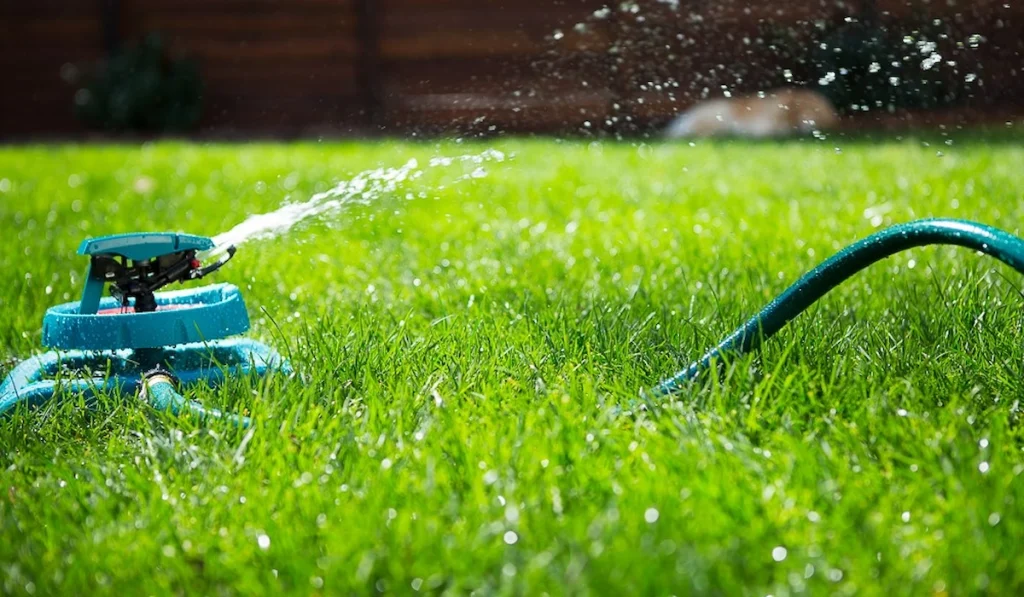
Proper watering is crucial for keeping your lawn lush and green. Too little water can cause your grass to dry out, while overwatering can lead to root rot. It’s essential to water deeply and infrequently, as this encourages deep root growth and makes your lawn more drought-resistant. Aim to water your lawn early in the morning when the air is cool to minimise water evaporation.
An ideal watering schedule depends on weather conditions and the season. During dry spells, you may need to water more often, but during cooler months, reduce the frequency. By adjusting the watering schedule based on seasonal changes, your lawn will remain healthy year-round.
Mowing Tips for a Healthy and Green Lawn
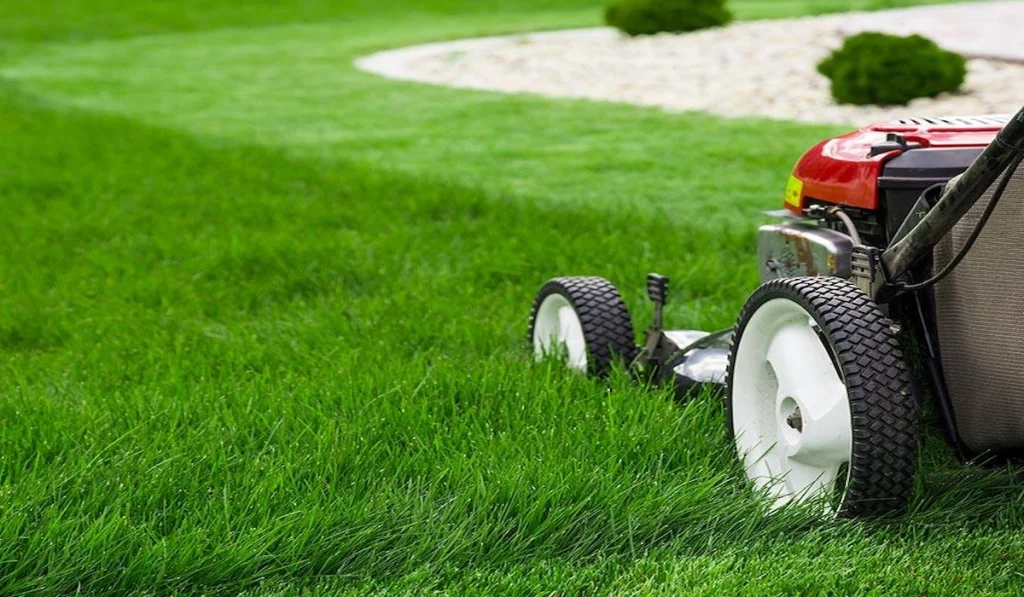
Mowing plays a vital role in maintaining a lush, green lawn. It’s important to follow proper mowing techniques to avoid stressing the grass. Never cut more than one-third of the grass height at a time. Cutting too much at once can damage the grass and stunt its growth. It’s also essential to adjust your mower blades’ height based on the season. During the hotter months, raise your blades slightly to help the lawn retain moisture.
Changing your mowing pattern is another important technique. Rotating mowing direction helps prevent ruts and grooves, which can affect grass growth and make your lawn look uneven.
Fertilising for Stronger Grass Growth
Fertilisation provides essential nutrients that help your lawn stay healthy and green. Using a slow-release fertiliser is an excellent choice for promoting steady growth throughout the growing season. Be sure to fertilise in spring and fall, when the grass is actively growing. Avoid over-applying fertiliser, as this can harm your lawn and the environment.
For a greener, healthier lawn, choose a fertiliser that meets the specific needs of your grass variety. A well-balanced fertiliser, rich in nitrogen, phosphorus, and potassium, promotes robust growth and stronger root systems.
Lawn Aeration
Aeration is the process of perforating the soil to allow air, water, and nutrients to reach the roots. This process alleviates soil compaction, which can restrict root growth and result in patchy or sparse grass. Aerating lawn once a year—ideally in the spring or fall—can improve soil health and encourage new grass growth.
If your lawn has heavy clay soil or receives a lot of foot traffic, it may benefit from more frequent aeration. Regular aeration ensures that the grass roots can access the vital nutrients needed for growth.
Controlling Weeds and Pests
Weeds and pests are common lawn problems that can quickly take over your yard if left untreated. Regular inspection is essential to identify potential issues early. For weed control, consider using organic herbicides or applying a pre-emergent weed killer before weeds begin to sprout.
Pests such as grubs or chinch bugs can cause significant damage to your lawn if not addressed. Look for signs of pest damage, such as discoloured or dead patches of grass. Early intervention is key to preventing further harm. Use natural pest control methods whenever possible to protect the environment and maintain your lawn’s health.
Overseeding for a Thicker Lawn
Overseeding is the process of spreading grass seed over your existing lawn to fill in bare patches and improve overall density. If your lawn looks sparse or has areas where the grass isn’t growing well, overseeding can help you achieve a fuller, thicker lawn.
Fall is the ideal time for overseeding, as cooler temperatures encourage better seed germination. When choosing grass seed, select a variety suited to your climate and soil type. By regularly overseeding, you can keep your lawn looking vibrant and healthy year-round.
Seasonal Lawn Care

Lawn care needs change with the seasons. Understanding how to adjust your maintenance schedule based on the time of year ensures your lawn remains in top condition.
- Spring: Begin with fertilisation and overseeding to promote healthy growth. Remove any debris from the lawn, and focus on weed control to prevent early-season weed growth.
- Summer: Water your lawn thoroughly, especially during dry spells. Mow regularly, but avoid cutting the grass too short to protect it from the sun.
- Fall: This is the best time for aeration and fertilisation. It helps your lawn recover from summer heat and prepares it for winter.
- Winter: Avoid walking on frozen grass and keep your lawn free of debris, such as fallen leaves and branches. This minimises the risk of lawn damage during the colder months.
By adjusting your lawn care to the season, you can give your lawn the care it needs to remain healthy and green year-round.
Mulching for Lawn Health
Mulching provides numerous benefits for your lawn. Grass clippings, leaves, and other organic materials can be used to mulch your lawn, which helps retain moisture, regulate soil temperature, and reduce weed growth. As the mulch decomposes, it adds valuable nutrients back into the soil, improving overall lawn health.
If you’re mowing your lawn regularly, consider using a mulching mower to recycle the grass clippings. This is an eco-friendly way to provide your lawn with the nutrients it needs while reducing yard waste.
Dealing with Lawn Damage
Despite all your efforts, lawn damage can occur due to extreme weather conditions, pests, or poor soil health. If your lawn has suffered damage, don’t worry—there are ways to repair it.
Begin by assessing the damage. In most cases, overseeding and aeration can help restore your lawn’s density. If the damage is more severe, you may need to replace damaged patches with fresh sod. Be sure to address any underlying issues—such as soil compaction or pest infestation—that may have caused the damage in the first place.
Benefits of Professional Lawn Care

While many homeowners can successfully maintain their lawns with proper care, some may prefer to hire professionals to ensure optimal lawn health. Professional lawn care services can handle tasks like fertilisation, aeration, pest control, and seasonal adjustments to help maintain your lawn’s beauty year-round.
If you’re unsure about how to tackle certain lawn care tasks or simply want expert advice, consulting a professional lawn care company can provide you with the guidance and services you need.
Achieving a Beautiful Lawn Year-Round
Achieving and maintaining a green, healthy lawn year-round requires commitment and regular attention. By following a structured maintenance schedule, watering and mowing correctly, and addressing issues such as weeds, pests, and soil compaction, you can keep your lawn thriving year-round. The right lawn care techniques—combined with overseeding, mulching, and fertilizing—will ensure your yard remains the envy of the neighborhood.
Remember, every lawn is unique, and your lawn care routine should be tailored to your specific needs. With the right care, you can enjoy a lush, green lawn that enhances your property’s beauty for years to come.
Conclusion
A healthy, green lawn does not happen by chance. It requires regular care, proper planning, and attention throughout the year. By creating a lawn maintenance schedule, watering correctly, mowing properly, and using fertiliser wisely, you give your lawn the best chance to grow strong and vibrant. Practices like aeration, overseeding, mulching, and weed control further improve lawn health and appearance.
Seasonal care plays a major role in long-term success, as each season brings different needs for your lawn. Addressing problems early, such as pests, weeds, or damaged areas, helps prevent bigger issues later. Whether you handle lawn care yourself or seek professional help, consistency is key.
With the right approach and ongoing effort, you can enjoy a lush, green lawn that enhances your outdoor space and adds lasting value to your home year-round.