

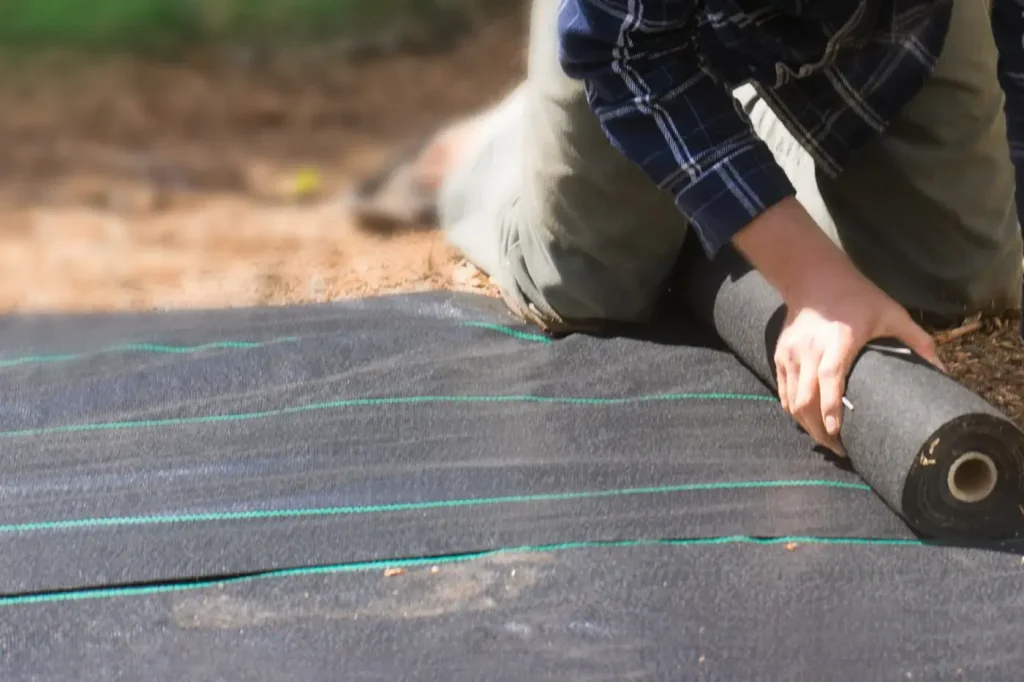
Weed control is a crucial component of effective landscaping and gardening. Unwanted plants not only mar the aesthetics of a landscape but also compete for essential nutrients, water, and sunlight. One of the most effective ways to address this issue is by installing landscape fabric, also known as weed barrier or weed control fabric. Whether you’re developing a flower bed, creating a rock garden, or preparing a vegetable patch, using landscaping fabric can help you reduce weed growth and improve overall garden health.
Understanding how to install landscape fabric and use it correctly will determine how well it suppresses weeds, facilitates proper drainage, and enhances the beauty of your garden. This guide covers every aspect of using landscape fabric for weed control, offering detailed instructions and answering common questions surrounding its use.
What is Landscape Fabric?
Landscape fabric, often referred to as weed barrier fabric, is a specially designed material used in gardens and landscapes to prevent weed growth. It is usually made from woven or non-woven polypropylene or polyester and is installed beneath mulch, gravel, or soil. The primary function of this fabric is to act as a physical barrier that blocks sunlight from reaching weed seeds, preventing them from sprouting.
There are various types of landscaping fabric, each with specific purposes. For example, heavy-duty woven fabrics are best for use under stone or gravel, while lightweight options are more suitable for flower beds or vegetable gardens. Some fabrics are UV-resistant, which enhances their durability when exposed to sunlight, and others offer permeability, allowing water and air to reach the roots of desired plants.
Benefits of Using Landscaping Fabric
Installing landscape fabric offers numerous benefits. The most obvious is weed suppression, but it also reduces erosion, maintains soil moisture, and provides a tidy, professional appearance. For gardeners wondering how to use garden fabric, the process not only improves plant health but also cuts down the time spent pulling or spraying weeds.
Another advantage is that it acts as a barrier between soil and mulch or decorative rocks, keeping the mulch from mixing with the soil. This reduces maintenance and prolongs the effectiveness of your mulch layer. Furthermore, using landscape fabric helps control soil temperature by providing insulation, keeping roots warmer in cold weather and cooler during hot seasons.
Preparing the Area
The first step in installing landscape fabric is proper preparation. It’s vital to clear the area of existing weeds, grasses, and debris. While many gardeners ask can you put weed barrier over grass, the best practice is to remove all grass and weeds before installation. This ensures that no vegetation is left beneath the fabric that might push through over time.
Use a garden hoe, shovel, or sod cutter to remove existing growth. Then, level the soil and remove large rocks or sticks. If you’re working on a sloped area, be particularly careful with grading to prevent fabric slippage. Some professionals also recommend applying a pre-emergent herbicide before installation for added protection against weed seeds already present in the soil.
How to Lay Landscape Fabric
Once the area is cleared and leveled, it’s time to lay down the landscape fabric. Begin by unrolling the fabric and laying it flat over the entire planting area. Overlap the edges of adjacent fabric pieces by 6 to 12 inches to prevent weeds from slipping through the seams. If you’re laying the fabric in a flower bed or around existing plants, you’ll need to cut the fabric to fit.
Use a utility knife or scissors to make X-shaped slits where you plan to place new plants or to accommodate existing ones. Fold back the edges and dig your hole. After planting, fold the fabric back into place. How to use landscape cloth around plants correctly involves ensuring the fabric fits snugly without leaving gaps that weeds can exploit.
Securing the Fabric
To keep the weed barrier in place, secure it with landscape fabric pins or weed barrier stakes. These are typically U-shaped metal staples or plastic pegs that are pushed through the fabric into the ground. Space them approximately every 1 to 2 feet around the perimeter and across the center for even stability. Pay special attention to corners, seams, and edges, which are most prone to movement.
Gardeners often ask how to hold down landscaping fabric—the answer lies in using a combination of ground staples, edges buried in soil, and weights such as rocks or heavy mulch. In high-wind areas, additional pins or small stones can be used to add security.
Covering the Fabric
After the fabric is laid and secured, the next step is to cover it. For flower beds, use a 2 to 3-inch layer of organic mulch such as shredded bark or wood chips. For rock gardens or walkways, use pea gravel, stones, or crushed granite. When wondering what to put on top of landscape fabric, the key is using enough coverage to block sunlight, weigh down the fabric, and improve aesthetics.
It’s essential not to skimp on mulch depth. Thin mulch allows sunlight to penetrate, potentially allowing weeds to grow. On the other hand, applying mulch too thickly can impede water infiltration. Does water go through landscape fabric is a common question, and the answer is yes—for most high-quality fabrics. They’re designed to allow air and moisture to penetrate while still blocking weed growth.
Planting Through the Fabric
If you plan to add plants after installing the fabric, cut an X into the fabric, peel back the flaps, dig your hole, place the plant, then fold the flaps back and add mulch around the plant base. Knowing how to use landscape fabric around existing plants is especially useful for gardeners adding seasonal flowers or replacing older plants.
Make sure the plant holes are just large enough to fit the root ball. Oversized holes can become weak points for weeds. Over time, the mulch and moisture can cause the fabric to shift, so check your garden periodically and adjust as needed.
Maintenance and Upkeep
Even the best landscaping fabric doesn’t last forever. Over the years, the fabric may break down or be penetrated by aggressive weeds. Regular maintenance includes checking for exposed fabric, adding more mulch, and removing any weeds that manage to grow on top of the fabric.
It’s also important to remember that some weeds, particularly those with strong taproots, may eventually find a way through small holes or seams. When they appear, pull them out immediately to prevent further penetration.
Gardeners also ask, how long does weed barrier last? The lifespan of weed control fabric varies based on material type and environmental conditions. Woven or spun-bond polypropylene fabrics can last 5 to 10 years or more, especially if protected by mulch or stones.
Tips for Best Results
Knowing how to lay down landscaping fabric properly can make all the difference. Avoid using plastic sheets or low-quality fabrics that don’t allow air or water through. These can suffocate plant roots, cause runoff, and degrade quickly.
Never install the fabric without mulch or rocks on top. Bare fabric is prone to UV damage, blowing away, and looking unattractive. Always overlap seams, pin edges securely, and avoid pulling the fabric too tight, which can cause tearing.
How to lay weed barrier also depends on the site. In a vegetable garden, for example, you may choose biodegradable landscape paper that allows easy tilling and planting. For long-term flower beds, heavy-duty woven fabric offers the best protection.
Common Myths and Misunderstandings
There are a few myths surrounding landscape fabric installation. One is that it completely eliminates weeds forever. While it drastically reduces weed growth, it doesn’t eliminate the need for occasional hand-pulling or spot treatments.
Another myth is that you can put weed barrier over grass without clearing it first. This often leads to poor results. The trapped grass may decompose poorly, smell, or even break through the fabric over time. Always prepare the ground properly before installing any type of weed cloth.
Many wonder if can you put landscape fabric over mulch or can you put landscape fabric over weeds. In both cases, it’s not ideal. The barrier should be in direct contact with bare soil. Installing it over mulch or existing weeds may reduce its effectiveness and encourage rot or pest problems.
If you’re looking for customized landscaping services, Dreamscapes Florida offers tailored solutions for all garden needs.