

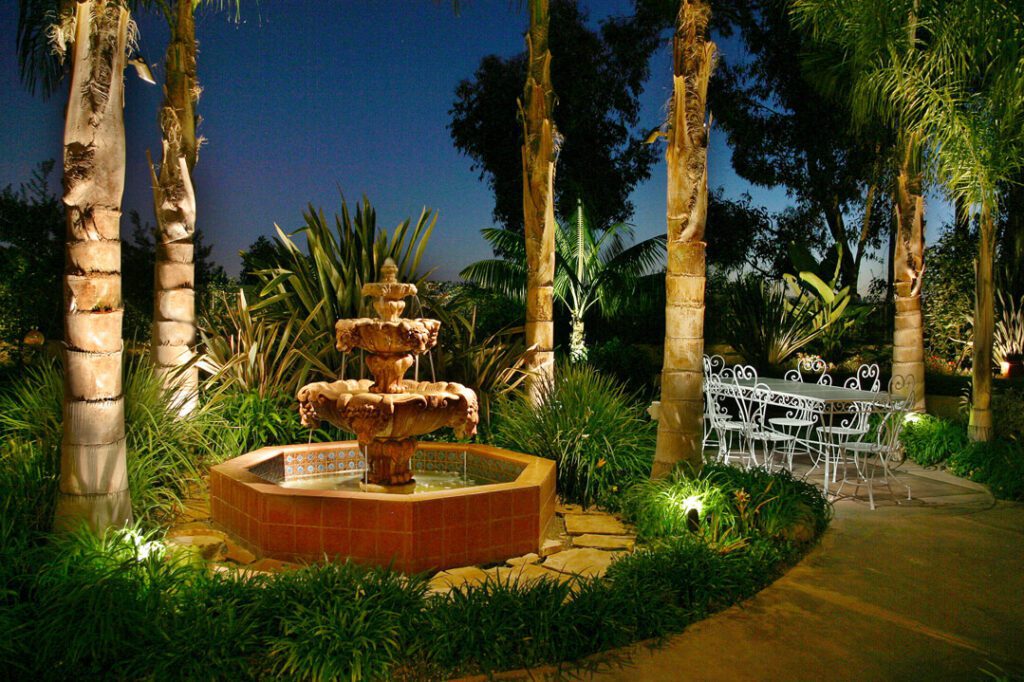
A garden fountain already adds movement, sound, and natural beauty to an outdoor space. When it is properly lit, it becomes something else entirely—a glowing focal point that transforms evenings into relaxing, romantic, or even dramatic experiences.
Learning to light a garden fountain is not just about placing a few lights around the water. It is about understanding safety, mood, colour, waterproof fixtures, wiring options, solar choices, and creative placement so your fountain looks stunning day and night.
This comprehensive guide explains everything in plain language, without technical jargon, so you can confidently care for your outdoor fountain and enhance your garden’s atmosphere.
Why Lighting a Garden Fountain Matters
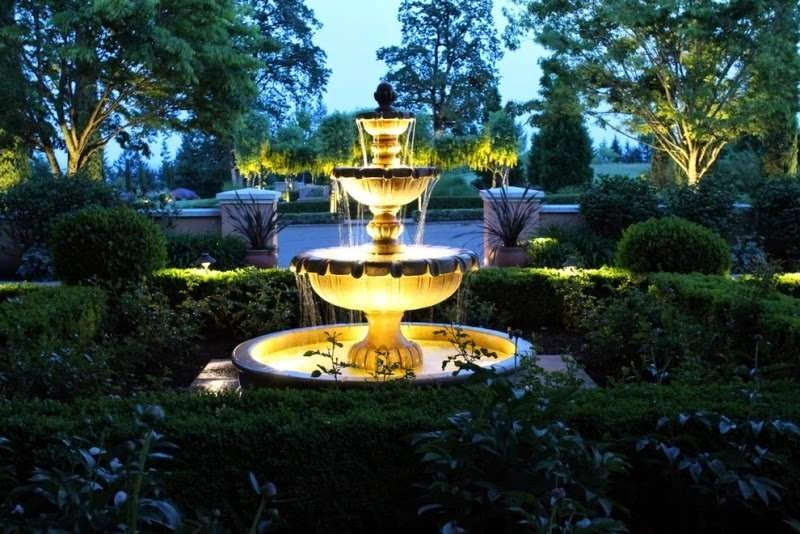
A well-lit fountain does much more than make water visible after sunset. Outdoor fountain lighting adds depth and dimension to your landscaping. Light reflects off moving water, creating shimmering patterns on nearby stone, plants, and walls. At night, this reflective glow provides visual warmth and a sense of calm. It can also increase curb appeal and property value by highlighting a key landscaping feature.
Another important reason is safety. Lighting makes pathways around the fountain visible, helps prevent tripping, and makes the water’s edge easy to identify. If you enjoy evening gatherings, soft LED fountain lights naturally draw people to the water feature. Well-placed lights also deter unwelcome nighttime visitors and increase visibility in dark areas of your garden.
Understanding the Main Types of Fountain Lights
This section explains the types of lighting used for gardens and water fountains and how each creates a unique visual effect. By understanding submersible lights, floating lights, spotlights, solar lights, and wired low-voltage systems, you can choose the right option for your fountain design.
Each type has its own purpose, installation style, and lighting effect; understanding these differences helps you plan safer, more beautiful, and more efficient fountain lighting.
Submersible fountain lights

Submersible fountain lights are waterproof LED lights designed to sit directly in the water. They create a magical glow from within the fountain basin or pond. Because the light starts below the surface, it travels through the moving water, making ripples sparkle. These are ideal for ponds, tiered fountains, urn fountains, and disappearing waterfall basins. Always choose fully waterproof, IP68-rated submersible lights to ensure safety and durability.
Floating fountain lights
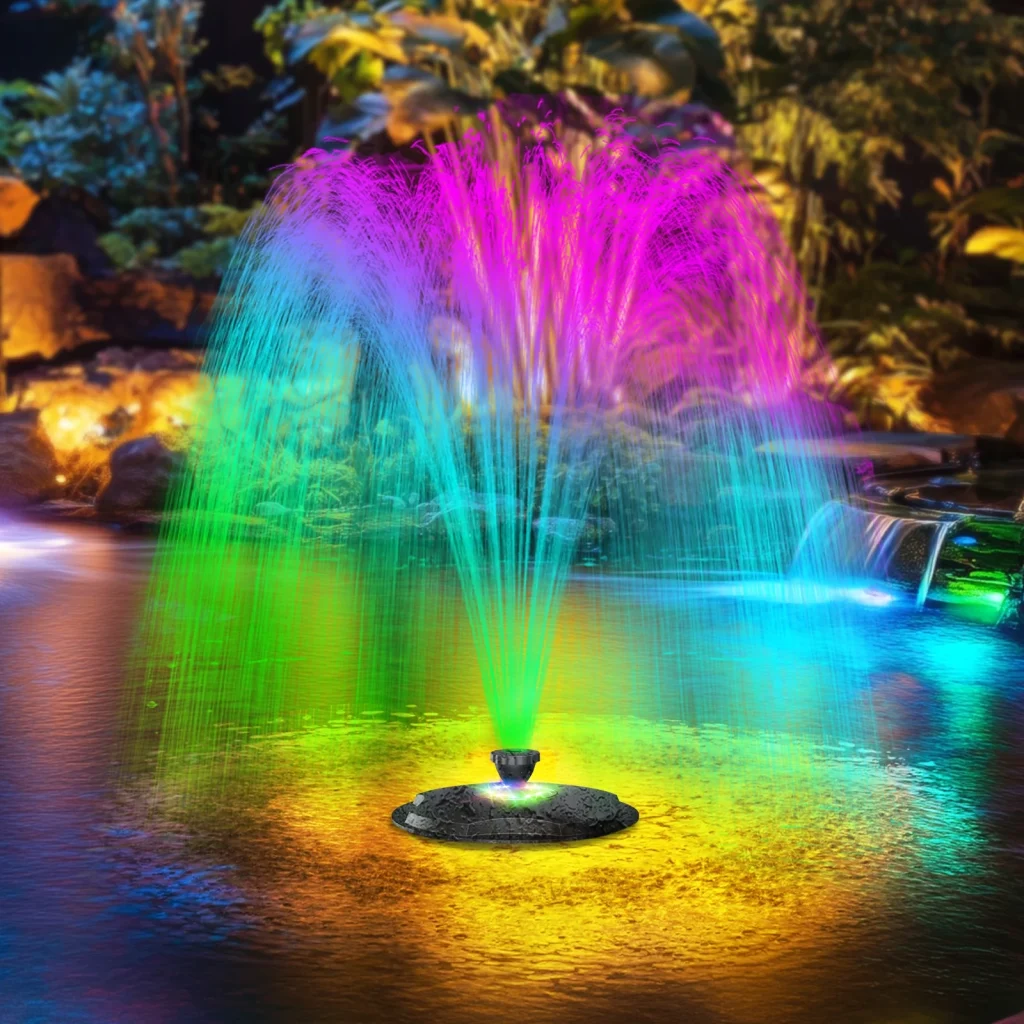
Floating lights rest on the water’s surface and drift gently across it. They are often solar-powered and wireless. This makes them ideal for users who want illumination without wiring or installation. Floating solar lights are easy to install and remove, making them suitable for temporary decoration at events and parties.
Spotlights and accent lights
Spotlights are typically mounted outside the fountain, aimed at the structure or waterfall. These outdoor garden spotlights are excellent for highlighting the shape and texture of rock fountains, statues, or waterfall walls. They also help you control direction and shadow to create drama or softness.
Solar fountain lights vs. wired lights
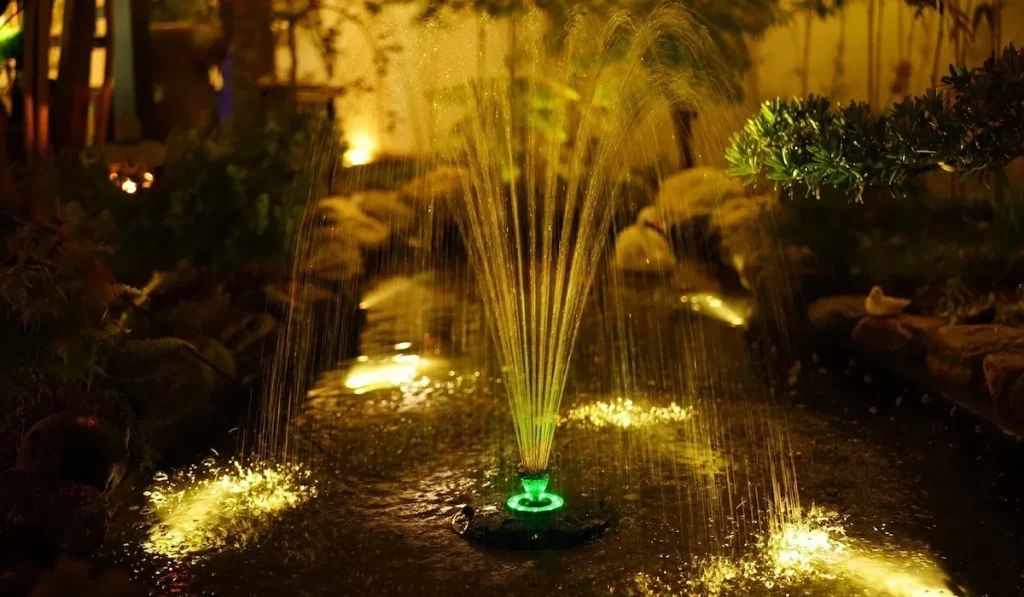
Solar fountain lights are energy-efficient and eco-friendly, requiring no electrical connections. They automatically switch on at night and charge during the day. They are best for sunny gardens and low-maintenance setups.
Low-voltage wired LED lighting delivers consistent brightness and performs well in shaded yards or in cloudy climates. It may require professional installation, but it offers the most reliable long-term lighting performance.
Planning the Lighting Design Before Installing Anything
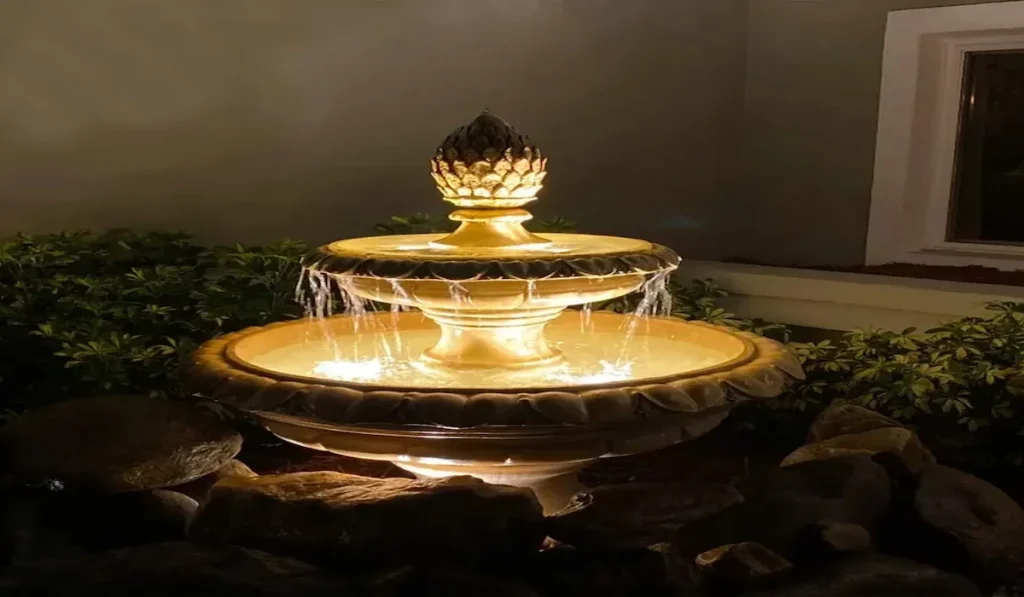
Before buying lights, take time to look at your fountain at night. Notice how shadows fall and where light would enhance movement. Consider whether you prefer a soft, romantic glow or bold, dramatic illumination. Decide whether you want the fountain itself, the water, or the surrounding landscape illuminated.
Ask yourself these key design questions. Do you want lighting from above, below, or the sides? Do you like warm white light for a cozy feel or cool white light for a modern look? Do you want colour-changing RGB fountain lights for parties or holidays? Do you want to emphasise height, flowing water, or reflection?
Designing the lighting concept first will save money, reduce unnecessary fixtures, and produce a cohesive finished look.
How to Light a Fountain Step by Step
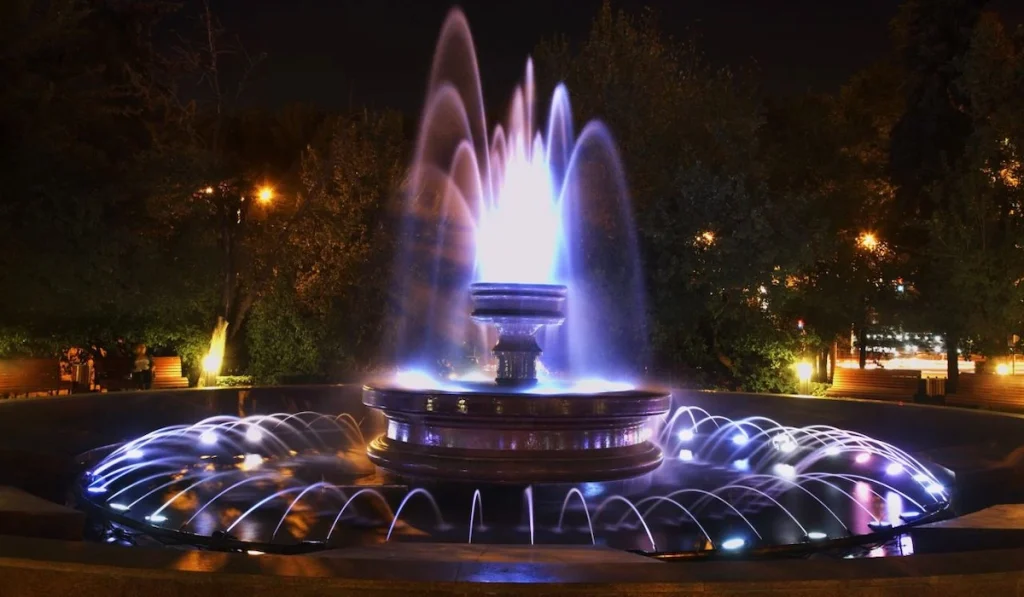
In this step-by-step process, we will explain each stage of lighting a fountain: selecting suitable lights, positioning them correctly, installing them safely, and making final adjustments to achieve the best visual effect.
Step 1: Choose the safest lighting option
Always start by selecting waterproof outdoor lighting designed for fountains, ponds, or pools. Never use indoor or non-waterproof fixtures around a fountain. Look for waterproof ratings such as IP67 or IP68 and ensure all connectors, cables, and transformers are outdoor-rated.
Step 2: Decide where the lights will go
Different positions create different visual effects. Underwater lights installed within the basin illuminate the water. Lights directed at the fountain structure highlight design details. Lights positioned behind falling water create a glowing curtain effect. Lights shining upward from the base make statues, stones, or spillways look dramatic.
Step 3: Install lights carefully
If using submersible lights, secure them at the bottom or along the edges to prevent drift. If using spotlights, anchor them firmly in soil or gravel and aim them at the desired angle. Always hide wires neatly to maintain a natural, safe design.
Step 4: Connect power or place solar panels
Low-voltage transformers are commonly used for garden fountains. Keep all connections dry and above standing water levels. For solar lighting, ensure panels face strong sunlight for most of the day and are free from shade from trees or buildings.
Step 5: Test at night and adjust
Turn on the lights after dark and observe the results from different viewing angles. Adjust brightness and direction until you are satisfied. Sometimes even minor adjustments make a huge difference.
Choosing the Right Colour Temperature and Effects
Warm white lighting around 2700K–3000K creates a cozy, romantic, and natural feel. It is ideal for classic stone fountains, Mediterranean gardens, and rustic landscapes. Cool white lighting around 4000K–6000K produces a crisp modern effect, often used in contemporary designs or stainless-steel fountains.
Colour-changing LED fountain lights add playful ambience. These lights can rotate through colours or hold a single shade, such as blue, green, or purple. They are popular for events, celebrations, and holiday decorations.
Safety Considerations You Should Never Ignore
Water and electricity require careful handling. Always use GFCI-protected outlets for any garden fountain lighting. Avoid running exposed wires where people walk. Keep power supplies raised and dry. Do not attempt electrical work yourself if you are unsure; hiring a qualified electrician for wired installations is wise and often required by local codes.
In addition, regularly check cables and fixtures for wear. Replace damaged lights immediately. Always disconnect power before removing or adjusting underwater fixtures.
Maintaining Your Fountain Lighting System
Good maintenance keeps lighting beautiful for years—clean mineral deposits and algae from light lenses to prevent brightness loss. Inspect the seals on submersible lights to ensure they remain watertight. Occasionally, brush off solar panels to avoid dust and leaves from reducing charging efficiency.
Adjusting the light angle occasionally can refresh the fountain’s appearance without purchasing anything new. Outdoor spaces evolve as plants grow and seasons change, so lighting should evolve with them.
Creative Ideas for Stunning Fountain Lighting Effects
Lighting can be artistic. Try positioning one light beneath a cascading spillway to highlight the falling water. Place small lights inside the urn fountains so water appears to emerge from the light itself. Aim a spotlight at garden trees near the fountain to reflect soft shadows into the water. Combine underwater lighting with exterior accent lighting for layered depth and visual richness.
Mirrors, nearby walls, and glossy stones can amplify reflected light. Adding aquatic plants around a lit fountain creates magical silhouettes at night.
Final Thoughts
Lighting a garden fountain is one of the simplest ways to transform the mood of an outdoor space completely. Whether you choose warm-white LED pond lights, solar floating lights, or dramatic spotlighting, the goal is the same: to highlight the beauty of moving water after sunset. With thoughtful placement, attention to safety, and a bit of creativity, your fountain can become the glowing heart of your garden.
Your illuminated fountain will not only brighten the landscape but also create a sense of relaxation, elegance, and an unforgettable nighttime atmosphere. With the right design choices, your garden fountain will shine beautifully every evening, inviting you to sit, listen to the water, and enjoy the calming glow.
This guide provides the knowledge you need to bring your fountain to life with lighting. Now the rest is your creativity, your garden, and your personal style.