

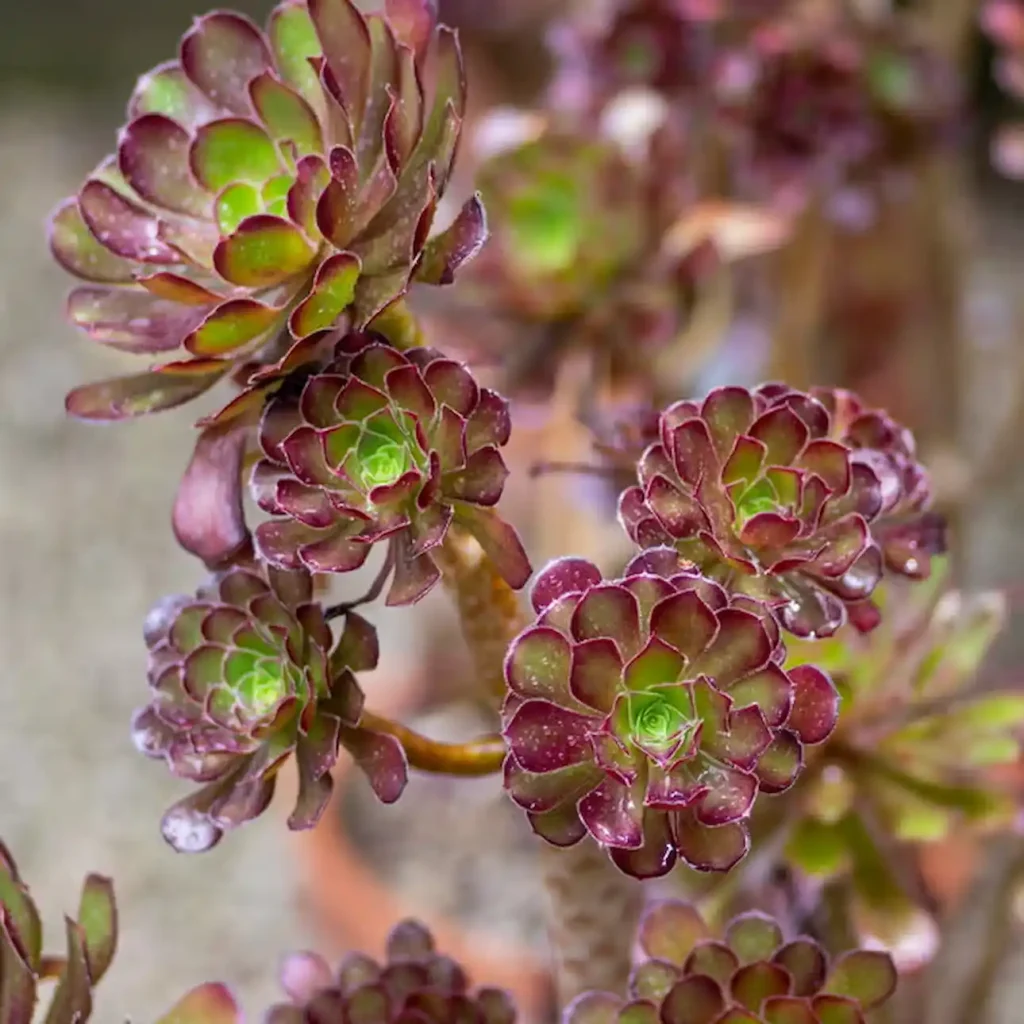
Aeoniums, also known as Tree Houseleeks, are a unique and striking group of succulents that can bring beauty to both indoor and outdoor spaces. These plants are characterized by their rosette-shaped leaves, which can come in a variety of vibrant colors and patterns.
Growing and caring for Aeoniums requires some attention to detail, but with the right conditions, they can thrive and add a touch of elegance to your garden or home.
Light Requirements for Aeoniums
The first step in successfully growing Aeoniums is to ensure they are placed in the correct location, as they thrive in bright, indirect sunlight. These plants naturally come from regions that experience moderate to low levels of light, so it’s essential to mimic this environment for them to flourish.
Indoors, it’s best to place them near a south or west-facing window that receives plenty of light, but not direct sunlight, as this can scorch their delicate leaves. Outdoors, they perform best when they receive morning sun, followed by afternoon shade, particularly in hotter climates.
This balance helps protect the plants from overheating while still providing them with the necessary sunlight for healthy growth.
Ideal Soil for Aeoniums
When it comes to soil, Aeoniums need a well-draining medium to prevent waterlogging, which can lead to root rot. A mixture of regular potting soil and perlite is ideal, as it allows excess water to escape quickly.
Avoid using soil mixes designed for cacti and succulents that are too coarse, as they might not retain the right amount of moisture for Aeoniums, which prefer a slightly moister environment than most other succulents.
Watering Aeoniums
One of the unique aspects of Aeoniums compared to other succulents is their watering needs. While most succulents require infrequent watering, Aeoniums enjoy a slightly wetter environment, especially during their growing season.
During spring and autumn, they should be watered more frequently, allowing the soil to dry out only slightly between waterings. However, during the dormant summer and winter months, their water needs reduce significantly, so it’s essential to cut back on watering to avoid overwatering, which can lead to root rot.
To ensure your Aeonium thrives, always check that the top inch of the soil is dry before watering. If the soil is still moist, wait another few days before watering again. It’s better to underwater than overwater, as Aeoniums are relatively drought-tolerant but susceptible to root rot if left in soggy soil.
Temperature and Humidity Needs
Aeoniums prefer moderate temperatures, typically between 65°F and 75°F (18°C to 24°C), making them ideal for indoor environments, especially in areas with mild climates. They are not frost-tolerant, so if you live in a colder climate, it’s crucial to bring them indoors during the winter months or protect them from frost.
In terms of humidity, Aeoniums are comfortable in low to moderate humidity levels, which is why they do well in dry indoor environments. High humidity can lead to fungal growth, so ensure good air circulation around your Aeoniums, especially if you’re growing them indoors.
Fertilizing Aeoniums
Fertilizing Aeoniums isn’t required year-round, but should be done during the growing season to encourage robust growth. You can use a balanced, water-soluble fertilizer diluted to half strength, applying it once a month during spring and autumn.
Avoid fertilizing during the plant’s dormant periods in summer and winter, as it will not be actively growing and may be harmed by excessive nutrients.
Over-fertilizing can cause damage to your Aeonium, so always ensure you are using a diluted solution and avoid feeding during the dormant period. This helps prevent nutrient burn and keeps the plant healthy.
How to Propagate Aeoniums
Aeoniums can be propagated quite easily through stem cuttings. To propagate, simply select a healthy stem with a rosette, and using a clean, sharp knife or scissors, cut the stem just below the rosette.
Allow the cut to callous over for a few days before planting it in well-draining soil. The callous helps prevent rot from setting in and ensures that the cutting has the best chance of rooting.
Once calloused, place the cutting in a shallow pot with a succulent potting mix. Water sparingly until the roots develop, and after a few weeks, the cutting should start to show signs of growth. Propagation is a great way to expand your collection of Aeoniums or share them with friends.
Pruning and Maintaining Aeoniums
Regular pruning helps keep Aeoniums looking their best. Dead or yellowing leaves should be removed to encourage new growth and prevent the spread of potential diseases. If your Aeonium becomes leggy or overgrown, you can prune back the stems to promote branching and a more compact appearance.
Ensure you use sterilized pruning tools to prevent transferring bacteria or fungi to your plant. By removing old and damaged parts, you help the Aeonium focus its energy on new, healthy growth.
Pest and Disease Control
Aeoniums are relatively pest-resistant, but they are not entirely immune to common succulent pests like mealybugs, aphids, or spider mites. Regularly inspect your plant for any signs of pests, such as tiny webs, discolored spots, or a sticky residue.
If you spot pests, treat the plant with insecticidal soap or neem oil, both of which are natural remedies that are safe for the plant and effective against pests.
Additionally, keeping your Aeonium in a location with good air circulation can help prevent issues with mold or fungus. If you notice any signs of fungal growth, such as black spots or a powdery coating on the leaves, treat the plant promptly with a fungicide.
Aeoniums as Indoor Plants
Because of their relatively low maintenance and striking appearance, Aeoniums make excellent indoor plants. They can thrive in bright, indirect light and are perfect for windowsills, shelves, or any space that could benefit from a bit of greenery. Since Aeoniums are slow growers, they won’t take up too much space, and their rosette shape makes them an attractive addition to any room.
If you live in a climate where outdoor gardening is difficult, growing Aeoniums indoors can provide you with a beautiful and easy-care plant that doesn’t require much attention, apart from ensuring the right amount of light and watering.
Common Issues with Aeoniums
One common problem when caring for Aeoniums is overwatering. As mentioned earlier, these plants are susceptible to root rot if left in waterlogged soil; therefore, it’s essential to regularly check the soil’s moisture level before watering.
Another common issue is etiolation, which occurs when the plant becomes leggy or stretched out due to insufficient light. To prevent this, ensure your Aeonium receives sufficient light, especially during the winter months when days are shorter.
If you notice your Aeonium’s leaves turning yellow or soft, it’s a sign that the plant is being overwatered or is suffering from root rot. In this case, carefully inspect the roots and trim away any rotting sections before repotting the plant in fresh, well-draining soil.
Conclusion
Aeoniums are stunning plants that add character and beauty to any space. Whether you’re growing them indoors or outdoors, they require a balance of light, temperature, watering, and soil conditions to thrive. With proper care, they’ll reward you with their eye-catching rosettes and vibrant colors. By following these care guidelines, you can enjoy a healthy and thriving Aeonium for years to come.
For personalized landscaping solutions designed to meet your unique needs, hire a professional to turn your outdoor space into a stunning and functional retreat. Explore our services here Dream scpaes florida