

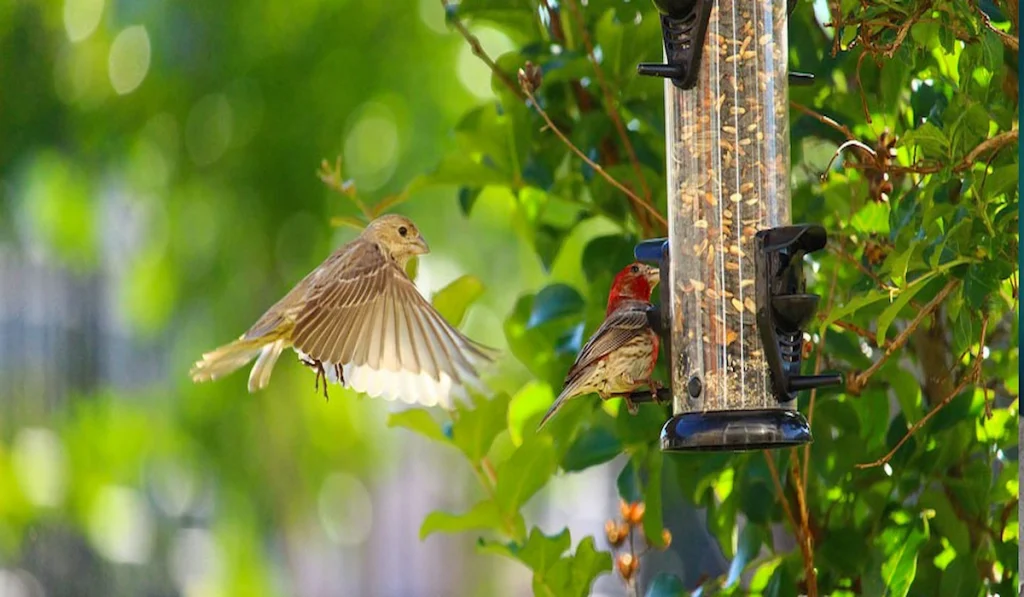
Welcoming birds into your backyard offers more than just beauty—it helps with pest control, fills your outdoor space with song, and provides a rewarding, educational experience for people of all ages. While a bird feeder or bath is a great place to start, there’s so much more you can do to make your yard a true bird sanctuary. Here’s a comprehensive guide to help you transform your yard into a haven for your feathered neighbours.
Choosing the Right Spot
To begin, designate a quiet corner of your yard where you can concentrate your bird-attracting efforts. Choose an area that’s visible from your house so you can enjoy watching, but also make sure there’s enough surrounding greenery or brush for birds to feel secure. Since birds can be territorial, spacing out food and shelter areas throughout your yard can help increase activity and reduce conflict among species.
Using Different Types of Feeders
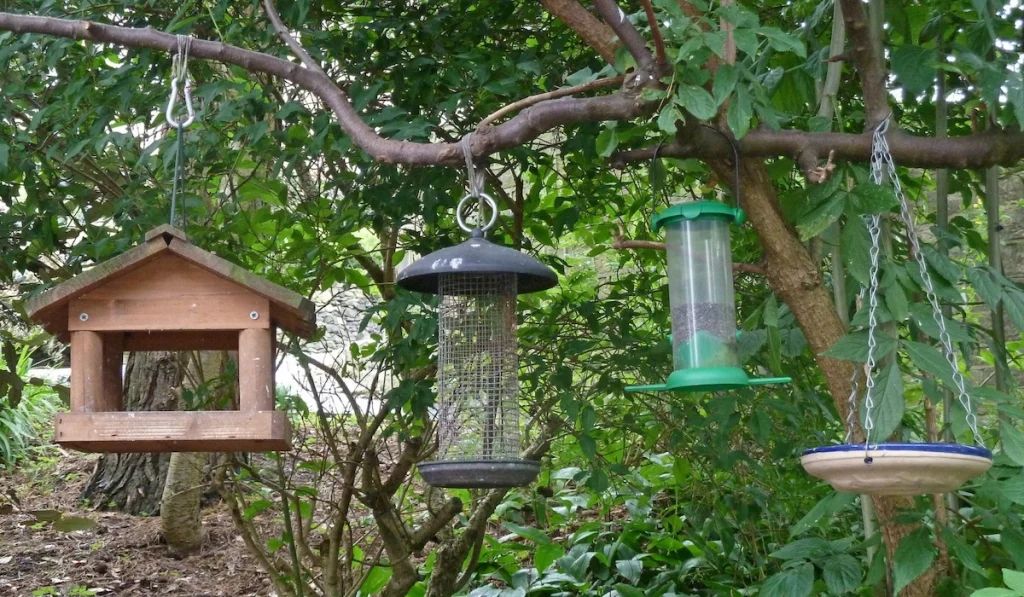
Different birds are attracted to different styles of feeders, so including a variety helps attract a more diverse group. Smaller birds like chickadees and finches enjoy tube feeders, while cardinals and jays prefer hopper feeders. Suet feeders can draw in woodpeckers and starlings, and if you’re hoping to see hummingbirds or orioles, nectar feeders are essential.
Ground feeders will appeal to birds that prefer to forage low, like grosbeaks and mourning doves. Adjusting the height of your feeders can also help, as some birds are more comfortable feeding closer to the ground, while others prefer elevated spots.
Providing the Right Food
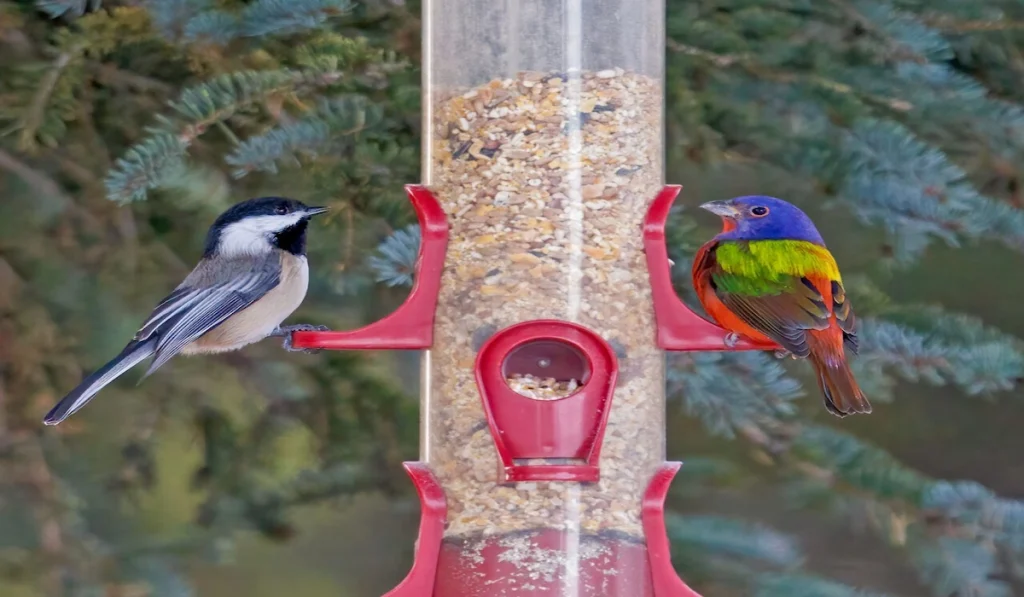
Just like people, birds have food preferences. Some are drawn to seeds, others to fruits or insects. A good starting point is black oil sunflower seeds and suet, which attract a broad range of species.
From there, you can introduce specialised foods such as thistle for finches, safflower for cardinals, and mealworms for insect-eating birds such as bluebirds. Pay attention to which foods your local birds prefer, and adjust your offerings over time for best results.
Creating a Water Source
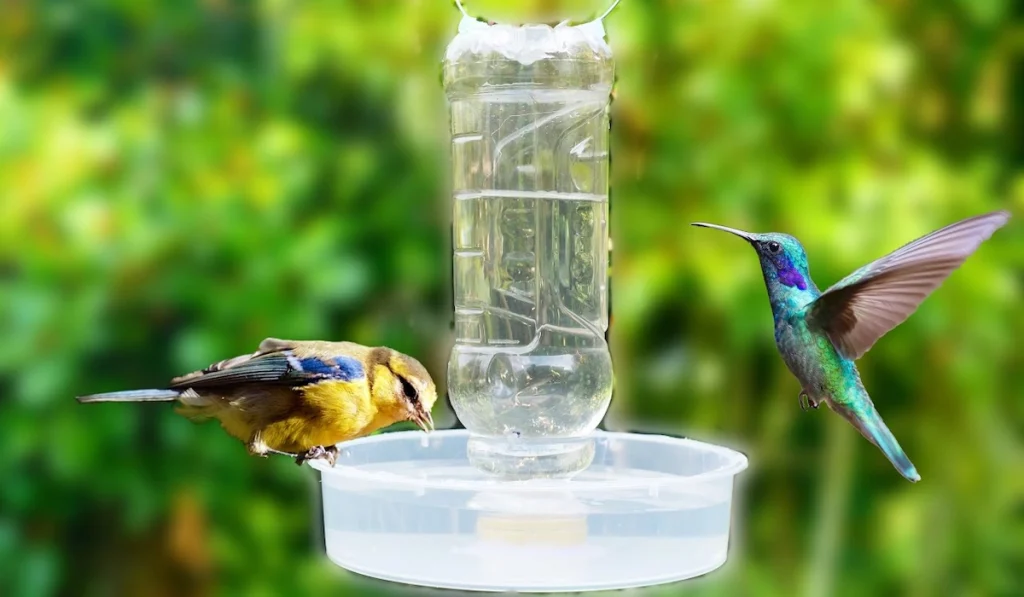
Birds need fresh water for both drinking and bathing. A shallow bird bath, ideally only one to three inches deep, works well. For added appeal, consider installing a fountain, misting system, or pump to keep the water moving—birds are drawn to the sound. If you live in a cold climate, investing in a heater or de-icer will help ensure water remains available even in winter, when natural sources may freeze.
Planting a Bird-Friendly Garden
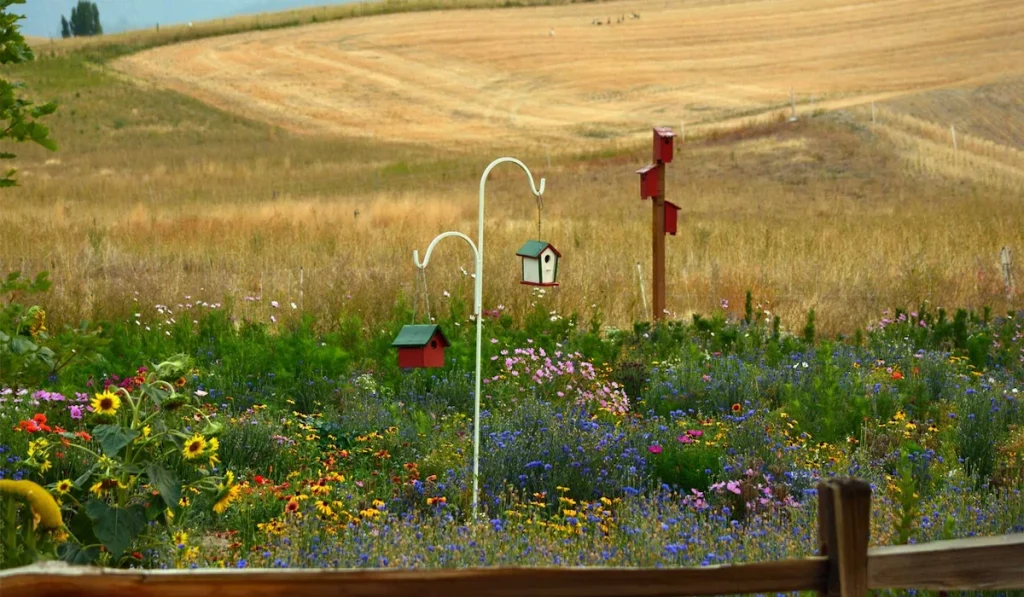
One of the most impactful things you can do is plant a garden that naturally supports birds. Native trees, shrubs, and flowers not only provide food through nectar, berries, and seeds but also offer shelter and nesting spaces. Brightly colored blossoms are especially effective, as birds are often attracted to colours during mating season.
Choose a mix of heights—low ground cover, medium shrubs, and taller trees—so birds of different species can find their preferred habitat. Plants such as serviceberry, dogwood, and winterberry are not only beautiful but also productive, offering fruit or nectar to attract birds such as robins, cardinals, and hummingbirds. Dense evergreens such as spruce, juniper, or yew can provide valuable cover year-round.
Adding Shelter and Safety
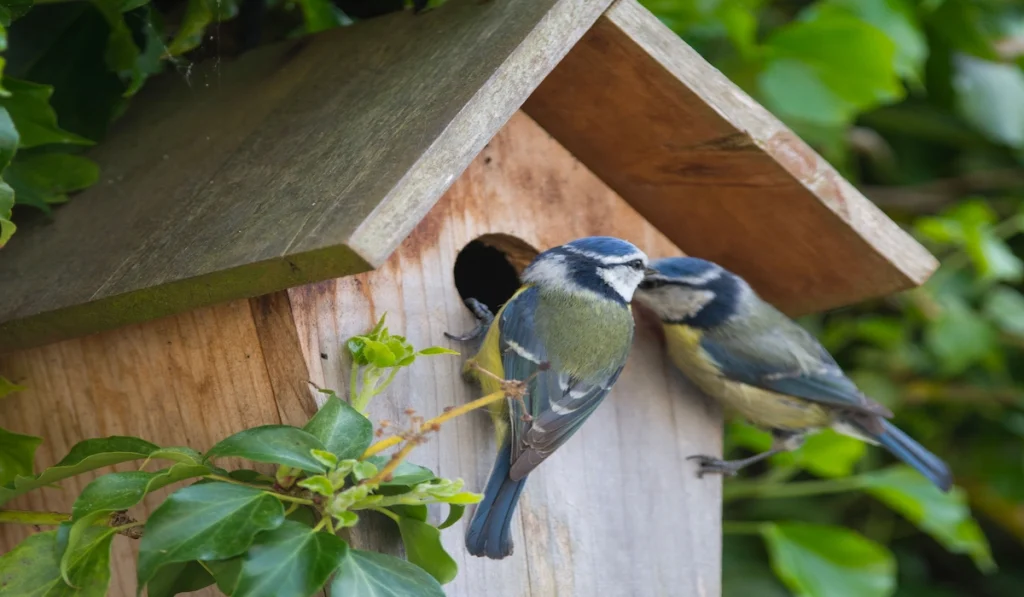
While dense plantings help, some birds appreciate the added protection of a birdhouse or nesting box. These artificial shelters are especially important for cavity-nesting species such as bluebirds and chickadees.
To make them safer, mount them on poles or trees away from heavy foot traffic or predators. It’s also crucial to choose entrance hole sizes that match the birds you’re trying to attract—this helps keep larger, more aggressive species from taking over.
Supporting Nesting Season
If your goal is to have birds stay longer and possibly raise their young, offer materials they can use for nest building. Grass clippings, pet hair, twigs, and leaves can all be helpful. Place them in an open suet cage or wire basket and hang it where birds can easily find them. These organic materials are environmentally friendly and will naturally decompose over time, leaving no waste behind.
Observing and Adapting
As you spend time observing the birds in your yard, you’ll begin to notice patterns. Some may prefer a certain type of food, while others may frequent one spot more than another. By watching and learning, you can adjust your feeders, water sources, or plantings to better serve your local bird population. Over time, your yard will become more effective and inviting.
Making It Official
Once your bird-friendly space is thriving, consider getting your yard certified as a Backyard Wildlife Habitat through the National Wildlife Federation. Certification requires you to provide at least three food sources, one water source, two types of shelter, and two nesting sites.
You’ll also need to adopt environmentally sustainable gardening practices, such as reducing chemical use or conserving water. You can also contact an expert, such as Dreamscapes Florida. This is a great way to involve the whole family in supporting wildlife and to proudly display your certified habitat sign.
Final Thoughts
Creating a bird paradise in your backyard doesn’t require major landscaping or expensive equipment. With thoughtful planning—adding the right food, water, shelter, and plants—you can welcome dozens of species right outside your door. Whether you’re just getting started or are ready to get your yard certified, the joy of birdwatching and connecting with nature will be well worth the effort.