

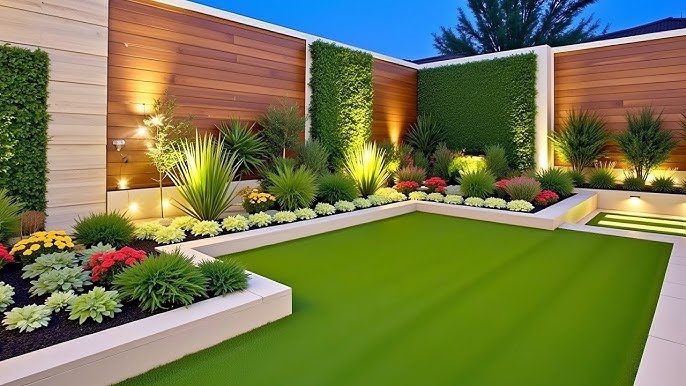
Creating a home garden is one of the most rewarding ways to bring nature closer to your daily life. Whether you have a small backyard, a spacious lawn, or just a few corners to work with, good landscaping design can completely transform your outdoor space. A well-planned garden doesn’t just make your home look beautiful—it also adds comfort, peace, and personality.
In this guide, we’ll walk through the step-by-step process of planning a home garden, from design ideas to plant selection to maintaining the final look.
Understanding the Purpose of Your Garden
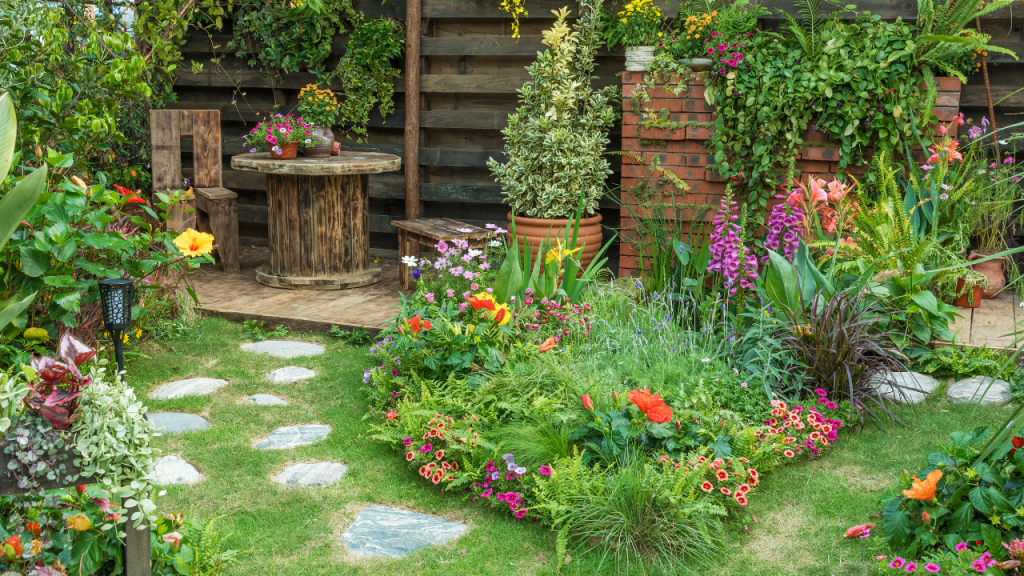
Before picking up a shovel or buying plants, take a moment to think about what you really want from your garden. Every homeowner has a unique vision. For some, it’s a relaxing escape filled with flowers and greenery. For others, it’s a practical outdoor space for gatherings, play, or even growing vegetables.
Ask yourself:
- Do you want a peaceful garden to unwind?
- Are you planning to host family or friends outdoors?
- Do you want to grow your own herbs, vegetables, or fruits?
Once you define the primary purpose, designing the rest becomes easier and more focused. If you’re looking for inspiration to shape your outdoor space beautifully, explore these creative landscaping design ideas for home gardens that can help you plan a space full of life and style.
Assessing Your Outdoor Space
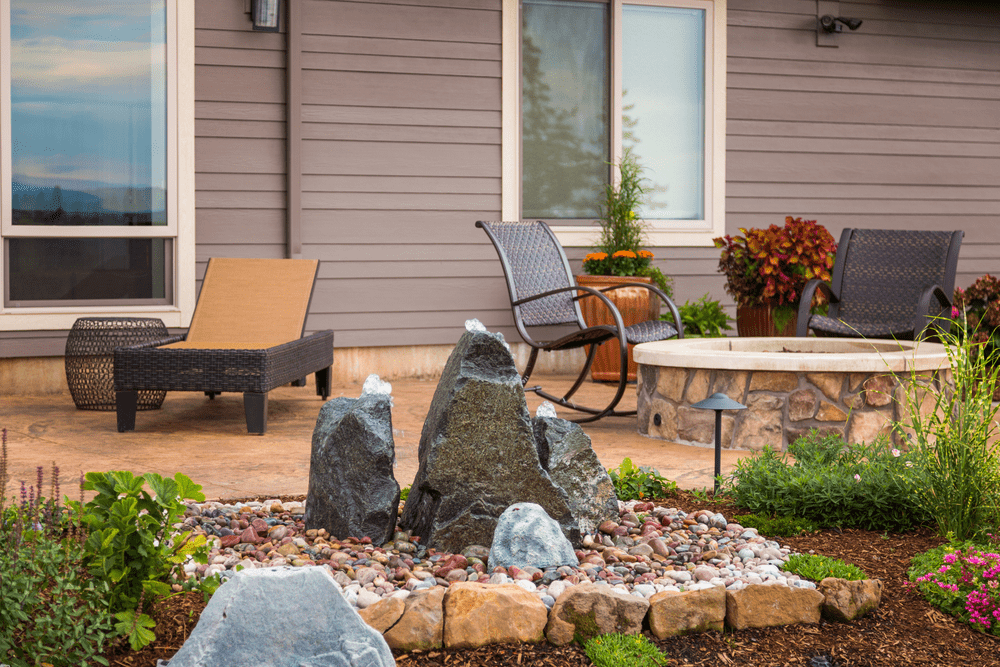
Every garden begins with understanding the land you’re working with. Walk around your yard and observe the sunlight, shade, and wind direction. Note where the soil feels dry or moist, and identify any uneven areas.
Sunlight plays a significant role in deciding what you can grow. For example:
- Full-sun areas are perfect for colourful flowers, roses, and most vegetables.
- Shady areas are ideal for ferns, hostas, and other shade-loving plants.
Also, check if you have enough space for a walkway, seating area, or water feature. These elements can bring life and balance to your design.
Choosing a Landscape Design Style
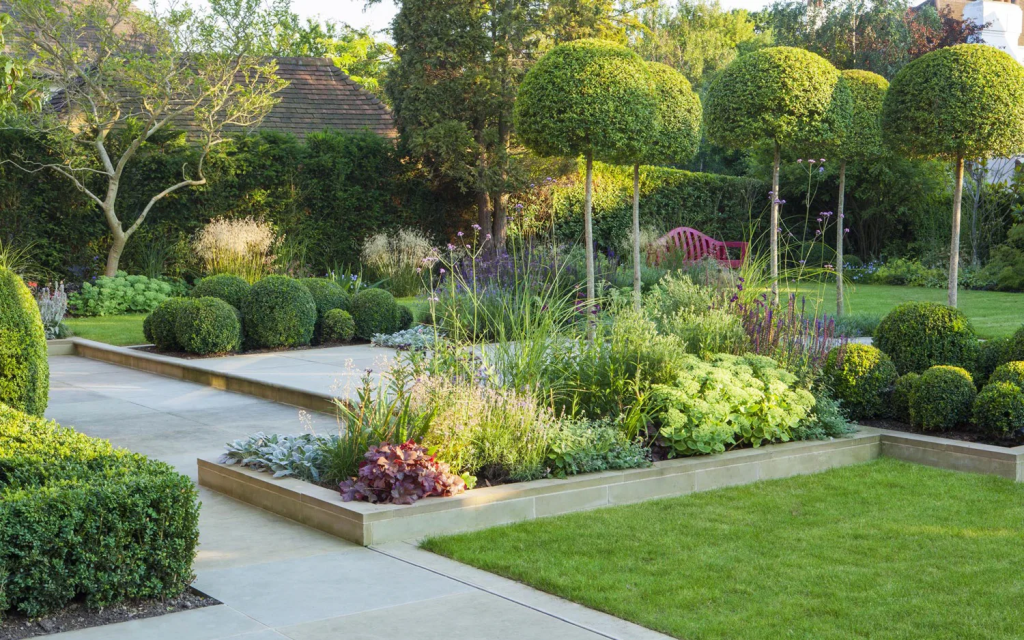
Your home’s style can guide you in selecting a garden theme that complements it. Here are a few popular garden design styles to consider:
- Modern Garden – Clean lines, geometric patterns & minimal planting with focus on structure and texture.
- Cottage Garden – Overflowing with flowers, herbs & greenery for a cozy, romantic vibe.
- Tropical Garden – Lush plants, vibrant colours, and maybe even a small pond or waterfall.
- Zen Garden – Simple, peaceful, and balanced using stones, sand & minimalist plants.
Mixing styles is also possible—as long as the result feels natural and connected to your home.
Designing the Layout
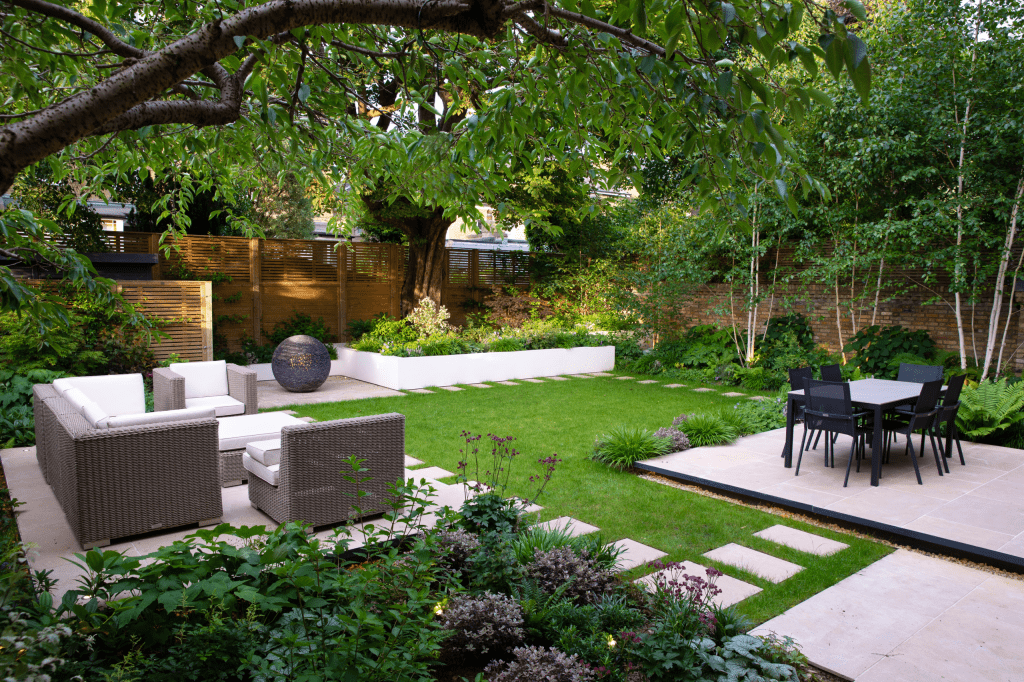
The layout is the backbone of any successful landscape design. Start by sketching your garden area on paper. Mark the boundaries, main paths, and the locations of specific elements such as trees, seating, or garden beds.
Keep in mind:
- Balance: Distribute plants and features evenly so neither side feels too heavy.
- Flow: Make sure there’s a comfortable path for movement. Curved walkways often feel more natural than straight ones.
- Focal Point: Choose one area that draws attention, such as a fountain, sculpture, or large tree.
If your space is small, create layers using raised beds or vertical gardens to make the most of limited room. When planning paths and movement flow, you can take ideas from different garden pathway and walkway designs that add both charm and functionality to your landscape.
Selecting the Right Plants
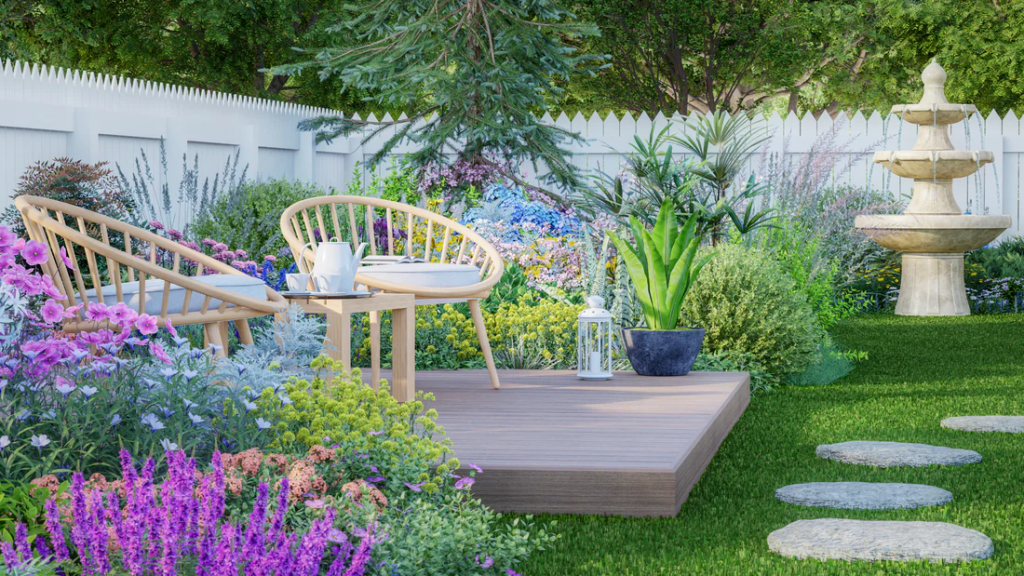
Plant selection is one of the most exciting yet challenging parts of garden planning. Choose plants that match your climate, soil type, and available sunlight.
A few general tips:
- Combine evergreen shrubs with seasonal flowers for year-round colour.
- Include native plants because they’re easier to maintain and attract birds and pollinators.
- Mix different heights and textures—tall trees, medium shrubs & low ground covers add depth and interest.
Also, don’t forget about maintenance. If you prefer low-effort gardening, opt for hardy plants that require minimal watering and trimming. For a more colorful touch, consider blending plants that bloom in different seasons—these seasonal flower garden ideas can help you keep your garden vibrant all year round.
Adding Functional Features
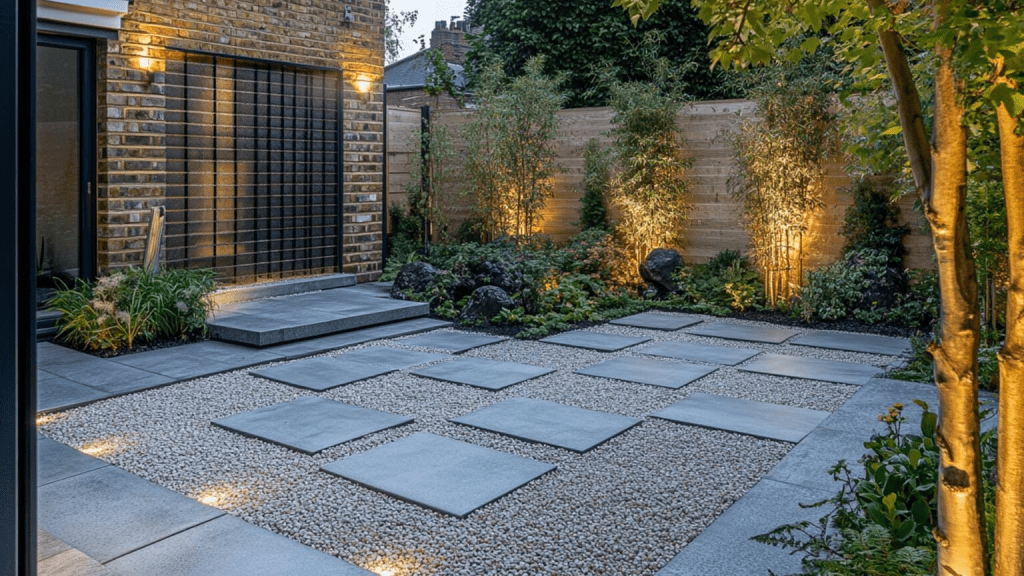
A home garden isn’t just about plants. Small additions can make your outdoor space more comfortable and enjoyable. Consider including:
- A patio or deck for relaxing or outdoor dining.
- Garden lighting to create ambience at night.
- A small pond or fountain for a soothing water sound.
- Garden pathways made from stone, gravel, or wood for easy access.
- Seating areas with benches or swings for relaxation.
Adding water elements can make your garden feel more peaceful. You can learn how to enhance your space with garden fountain and pond ideas that bring a refreshing natural sound to your surroundings.
Maintaining Your Garden
Even the most beautiful garden can lose its charm without proper care. Maintenance keeps everything healthy and thriving. Make it a habit to:
- Water plants regularly, especially during hot seasons.
- Trim and prune to maintain shape and promote new growth.
- Remove weeds before they spread.
- Add mulch to retain soil moisture and control weeds.
- Use organic compost for better plant nutrition.
A little weekly attention goes a long way in keeping your garden looking fresh and vibrant.
Creating a Relaxing Ambience
The true beauty of a home garden lies in the feeling it gives. To make your outdoor space truly relaxing, focus on small details that add charm and peace.
Add a bird feeder or wind chimes for natural sounds. Place small lights along pathways or under trees to create a warm glow at night. Consider soft cushions or hammocks for lounging. The goal is to make your garden not just look good, but feel good every time you step outside.
Sustainable Landscaping Practices
Eco-friendly gardening is becoming more popular—and for good reason. Sustainable landscaping helps protect the environment while saving time and money.
You can start small by:
- Collecting rainwater for irrigation.
- Planting drought-tolerant species.
- Avoiding chemical fertilisers and using compost instead.
- Reducing lawn areas that need constant mowing.
These practices make your garden greener in every sense of the word.
Seasonal Planning and Adjustments
A brilliant garden plan considers how your space will look throughout the year. Some plants bloom in spring, others in summer or autumn. By mixing plants with different blooming times, your garden stays colourful across seasons.
In winter, evergreen trees and shrubs can keep your garden looking alive. A few garden ornaments or potted plants can also brighten up dull months.
Final Thought
Designing and planning a home garden takes patience, imagination, and love for nature. It’s not just about arranging plants—it’s about creating an outdoor retreat that reflects your lifestyle and personality.
With thoughtful design, the right plants, and a touch of creativity, your garden can become a beautiful extension of your home. Whether you dream of a modern minimalist look or a colourful floral paradise, start small, plan carefully, and watch your outdoor space come to life with every season.
If you want more ways to enjoy your outdoor area and use every corner wisely, discover how to make the most of your garden through thoughtful planning and smart landscaping choices.