

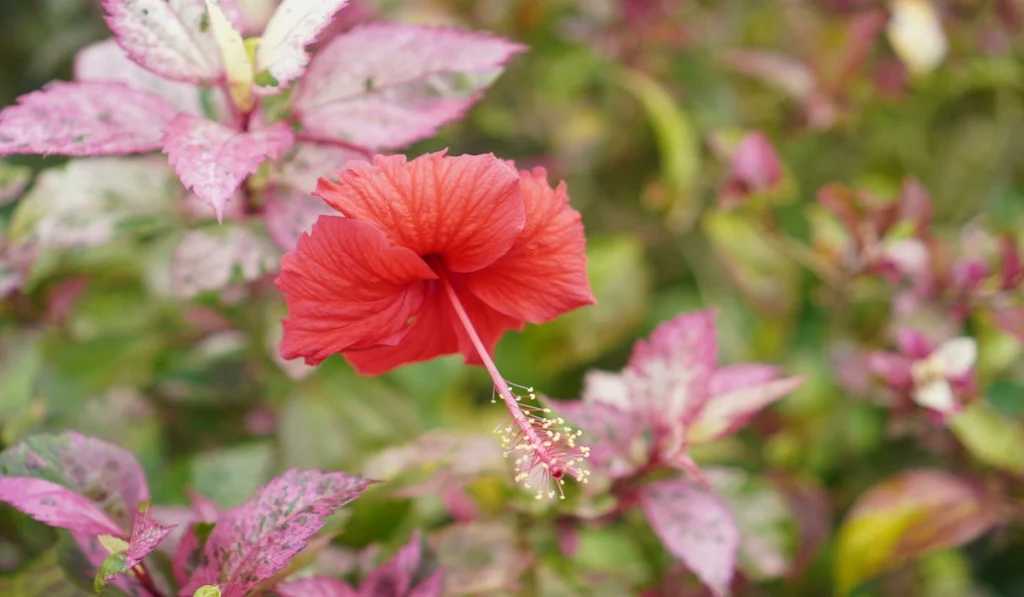
Hibiscus is one of the most beautiful flowering plants you can grow at home. Its large, colourful flowers instantly make any garden, patio, or outdoor space look lively and tropical. With proper care, hibiscus plants can bloom for many months and remain healthy year after year. This guide explains how to grow hibiscus successfully, even if you are a beginner.
What Is a Hibiscus Plant?
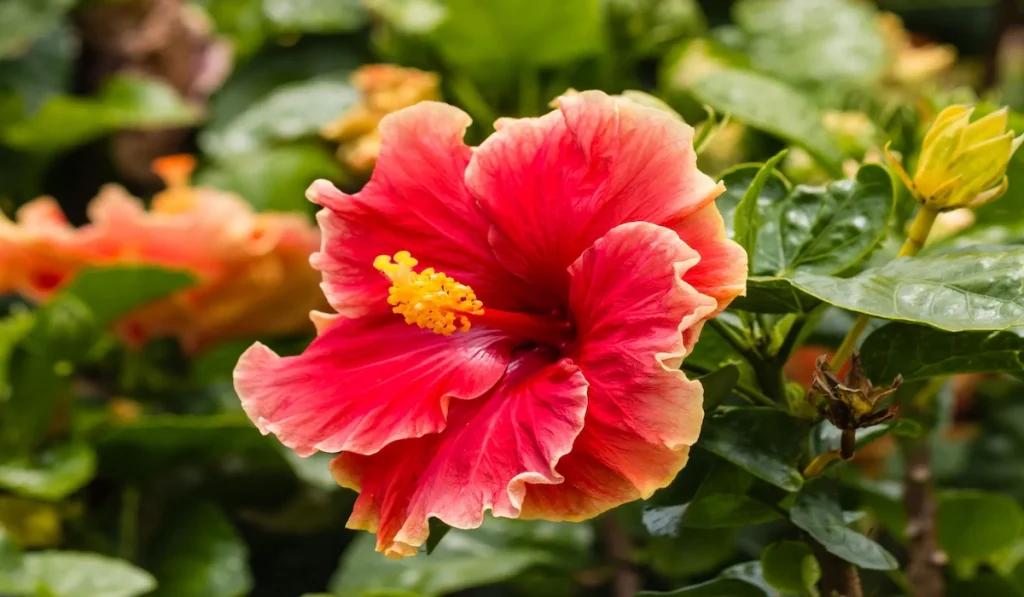
Hibiscus is a flowering plant known for its big, bright blooms and glossy green leaves. It thrives in warm climates and is commonly used in home gardens and landscapes, especially in decorative pots.
There are two main types of hibiscus plants.
Tropical hibiscus is best suited to warm climates and produces bright red, pink, yellow, and orange flowers.
Hardy hibiscus can tolerate cooler temperatures and produces large blooms, often larger than your hand.
Both types are beautiful and easy to grow with proper care.
Best Location for Growing Hibiscus
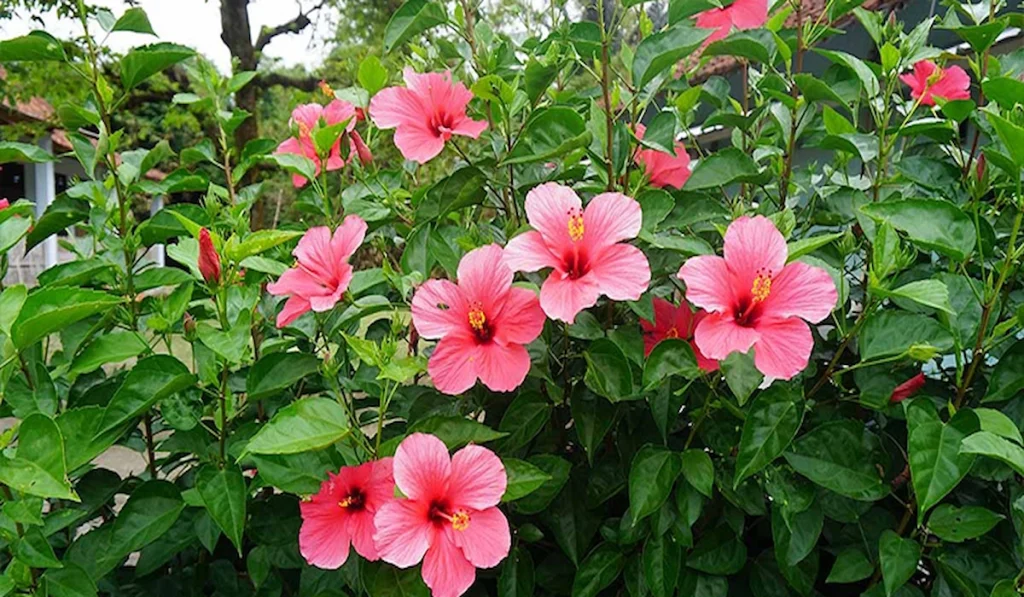
Choosing the correct location is critical to healthy hibiscus growth. Hibiscus plants love sunlight and warmth.
They grow best in a location that receives plenty of sunlight throughout the day. Morning sun with light afternoon shade works very well, especially in very hot areas. If hibiscus does not get enough sun, it may grow leaves but produce very few flowers.
Make sure the area has good air circulation and is not too windy, as strong winds can damage the flowers and branches.
Soil Requirements for Hibiscus Plants
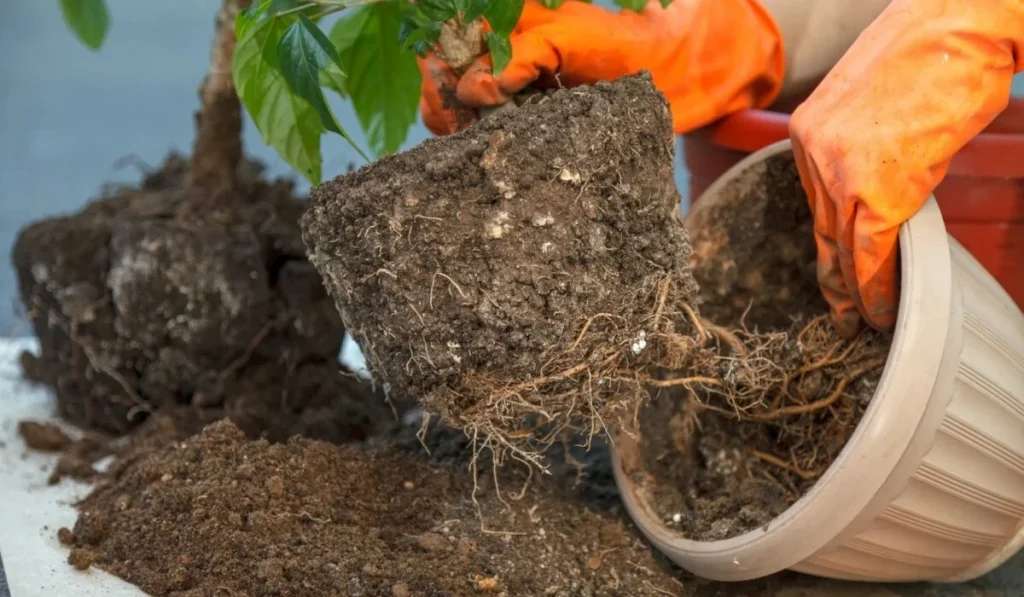
Healthy soil is the foundation of a vigorous hibiscus plant. Hibiscus prefers soil that drains well but still holds some moisture.
The soil should be rich in organic matter and slightly acidic. Poor drainage can cause root problems, so avoid heavy clay soil that holds too much water. Adding compost helps improve soil quality and supports better flowering.
If you are growing hibiscus in pots, always use a good-quality potting mix and containers with drainage holes.
How to Plant Hibiscus the Right Way
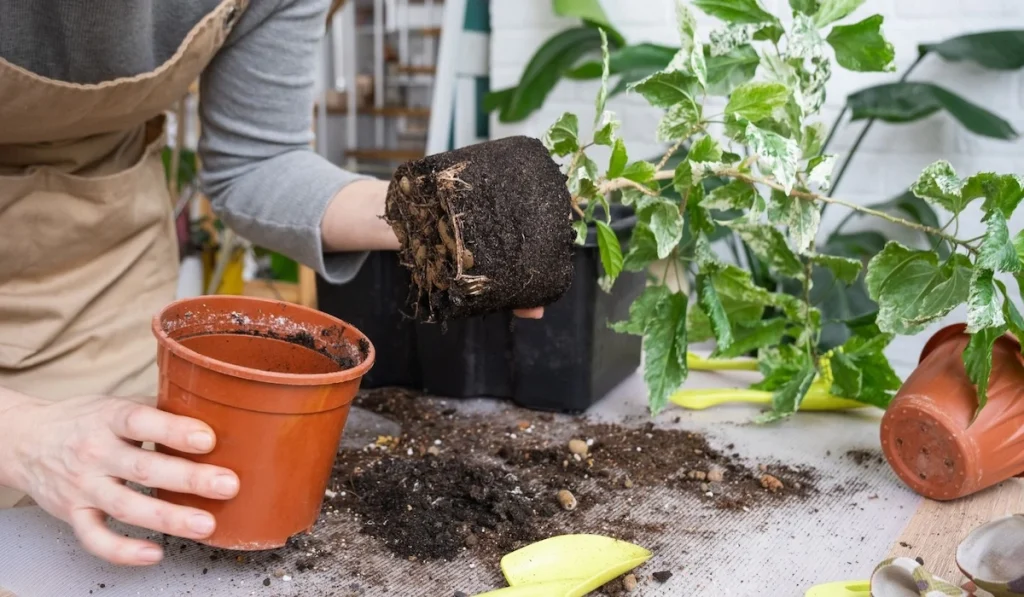
Properly planting hibiscus helps it grow faster and bloom more abundantly.
Dig a hole that is slightly wider than the root ball but not too deep. Place the plant gently into the hole and fill it with soil, pressing lightly around the base. Water well after planting to help the roots settle into the soil.
For potted hibiscus, choose a pot that allows room for growth. Avoid pots that are too small, as hibiscus roots like space.
Watering Hibiscus Plants Properly
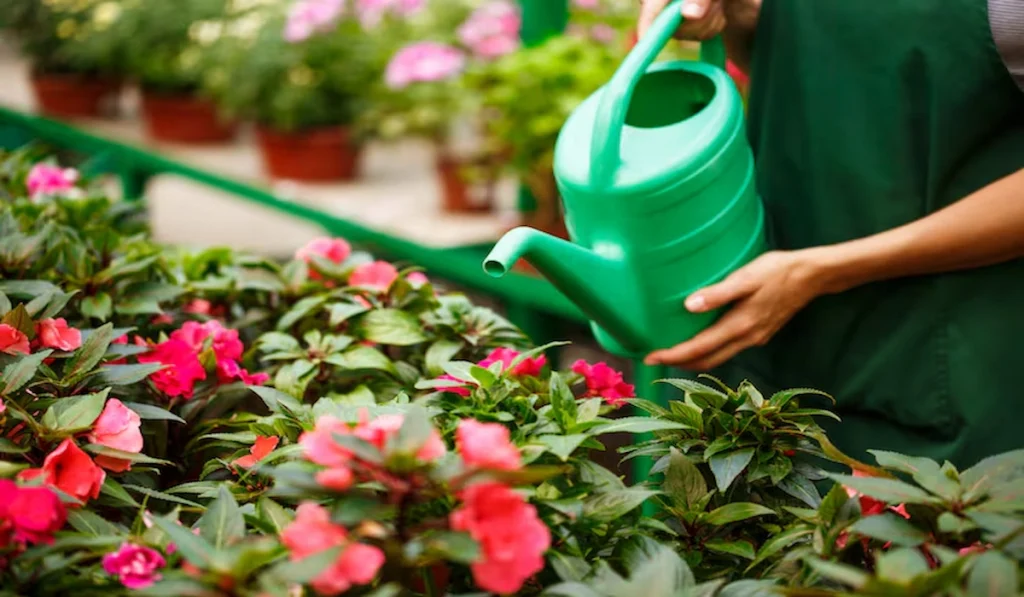
Watering is critical to hibiscus care. Hibiscus plants prefer consistent moisture but do not tolerate standing water.
During warm months, hibiscus usually needs regular watering to keep the soil slightly moist. In cooler months, watering can be reduced. Always check the topsoil before watering again.
Overwatering can cause yellow leaves and root rot, while underwatering can cause buds to fall before blooming.
Sunlight Needs for Better Blooms
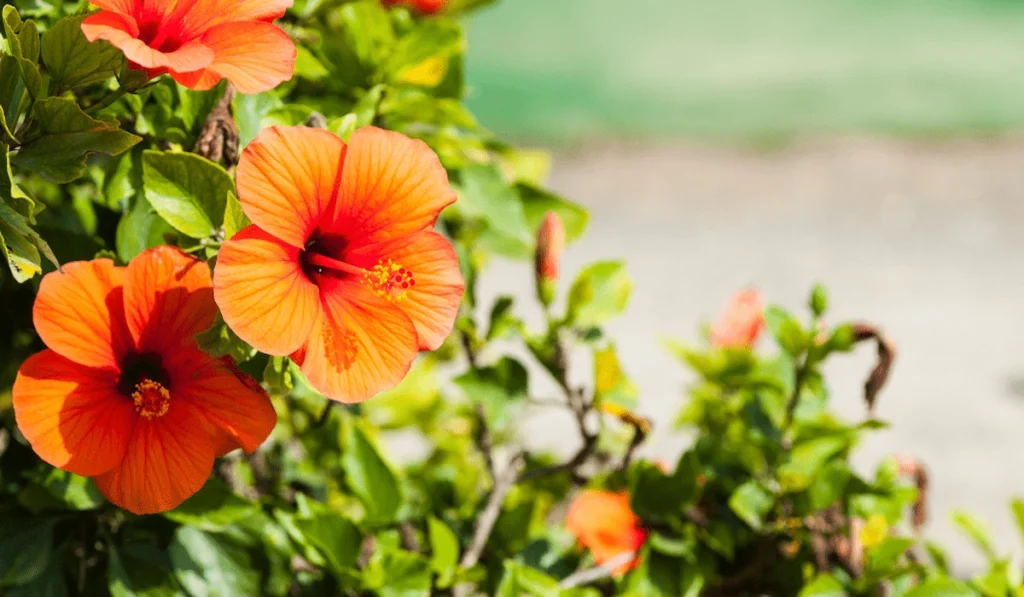
Sunlight directly affects how many flowers your hibiscus produces. The more sunlight it receives, the better it blooms.
Hibiscus plants usually need at least six hours of sunlight daily. Without enough light, the plant may look healthy but will not produce many flowers.
If your hibiscus is grown indoors, place it near a bright window where it can receive direct sunlight for several hours a day.
Fertilising Hibiscus for Strong Growth
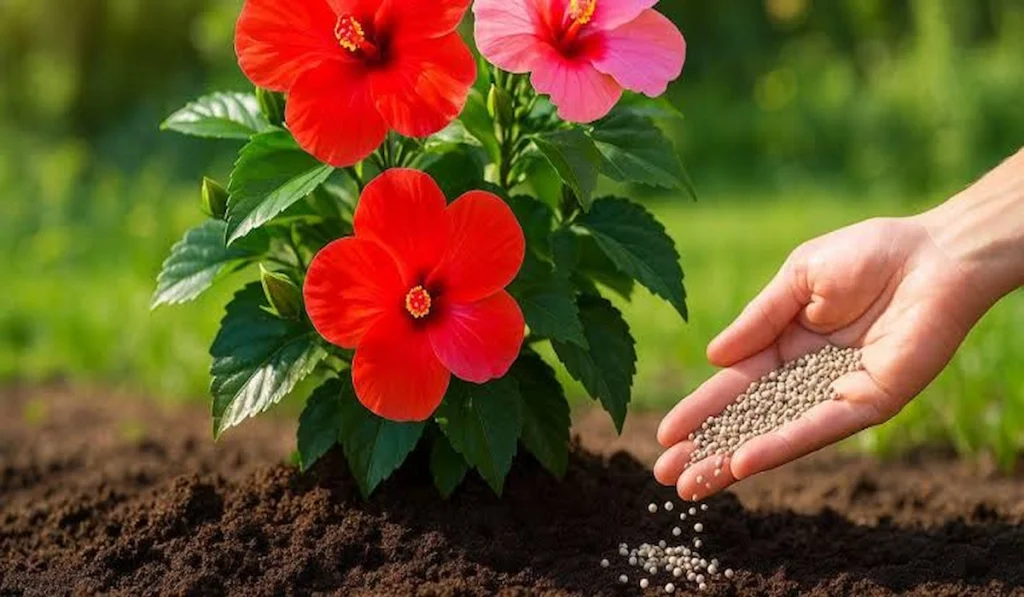
Hibiscus plants are heavy feeders, meaning they require regular nutrients to remain healthy and bloom.
Using a balanced fertiliser helps promote green leaves and bright blooms. During the growing season, feeding the plant regularly supports continuous flowering. Avoid over-fertilising, as excessive fertiliser can result in more leaves and fewer flowers.
Organic fertilisers and compost are also great options for long-term plant health.
Pruning and Shaping Hibiscus Plants
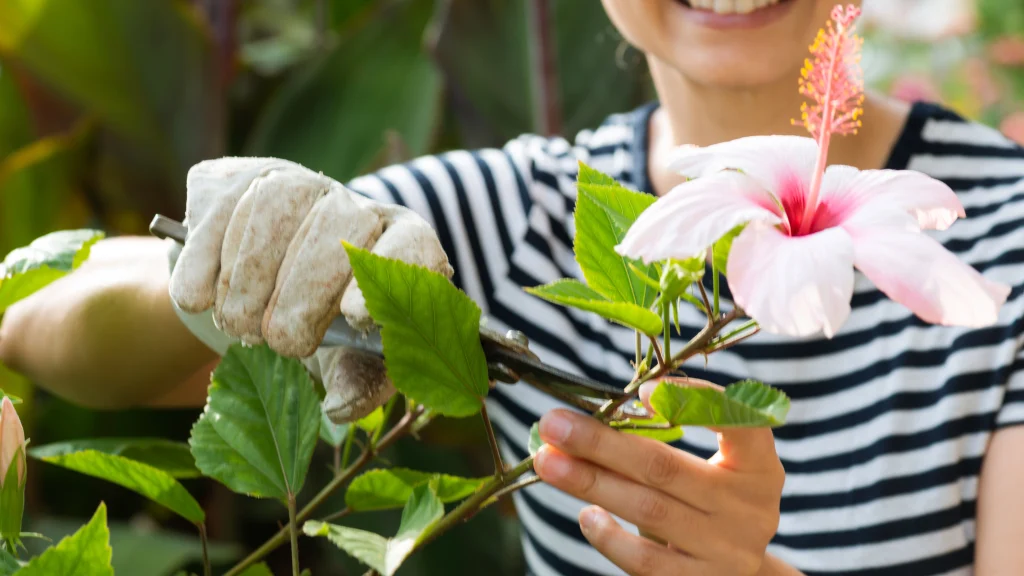
Pruning helps keep hibiscus plants neat, healthy, and full of flowers. It encourages new growth, resulting in more blooms.
Pruning is typically performed in early spring, before new growth begins. Remove dead, weak, or damaged branches and gently shape the plant. Regular light pruning throughout the year also helps maintain a nice shape.
Avoid heavy pruning during the blooming season, as it may reduce flower production.
Common Problems When Growing Hibiscus
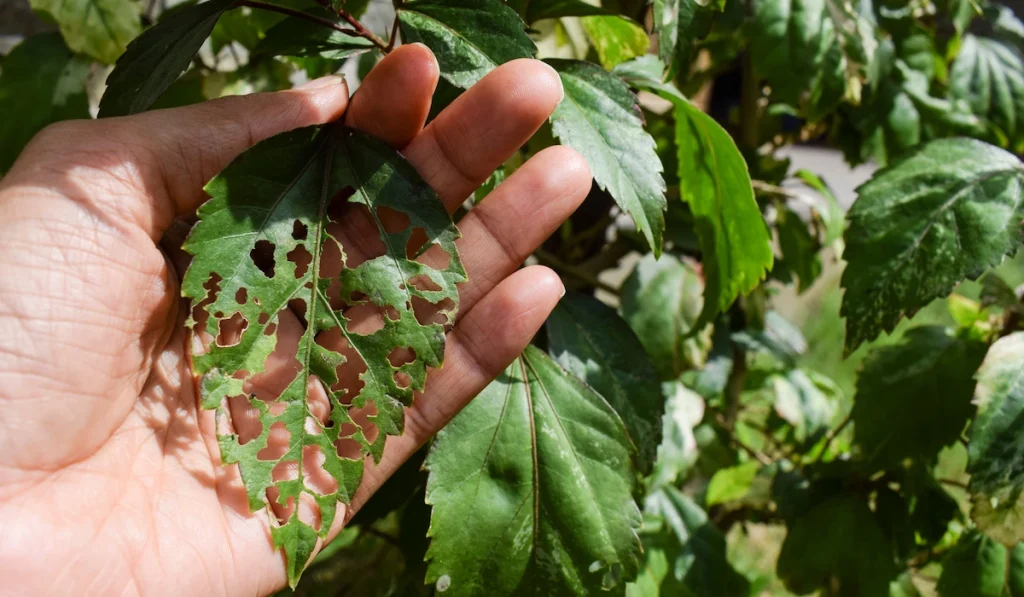
Even with reasonable care, hibiscus plants may face a few problems. Yellow leaves are often caused by overwatering, poor drainage, or nutrient deficiencies. Dropping buds usually happens due to stress, such as sudden temperature changes or inconsistent watering.
Pests such as aphids and spider mites may appear. Keeping the plant healthy and checking it regularly helps prevent serious pest issues.
Most problems can be fixed easily once the cause is identified.
Growing Hibiscus in Pots vs Garden Beds
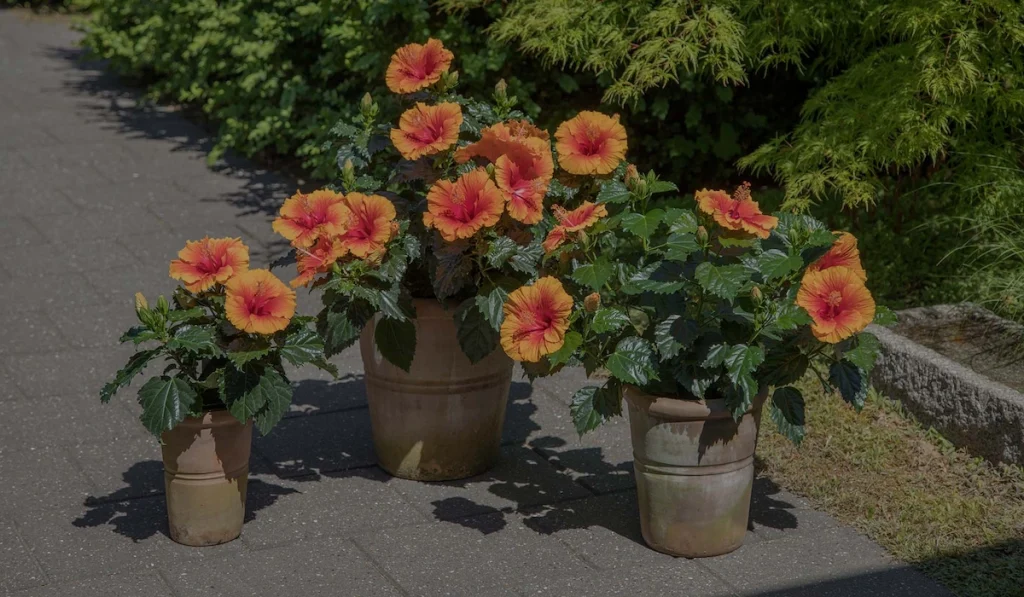
Hibiscus grows well both in garden beds and containers. Potted hibiscus is great for patios, balconies, and small outdoor spaces. It also allows you to move the plant during cold or extreme weather.
Garden-grown hibiscus usually grows larger and produces more flowers over time. Both options work well as long as the plant gets enough sun, water, and nutrients.
Seasonal Care Tips for Hibiscus
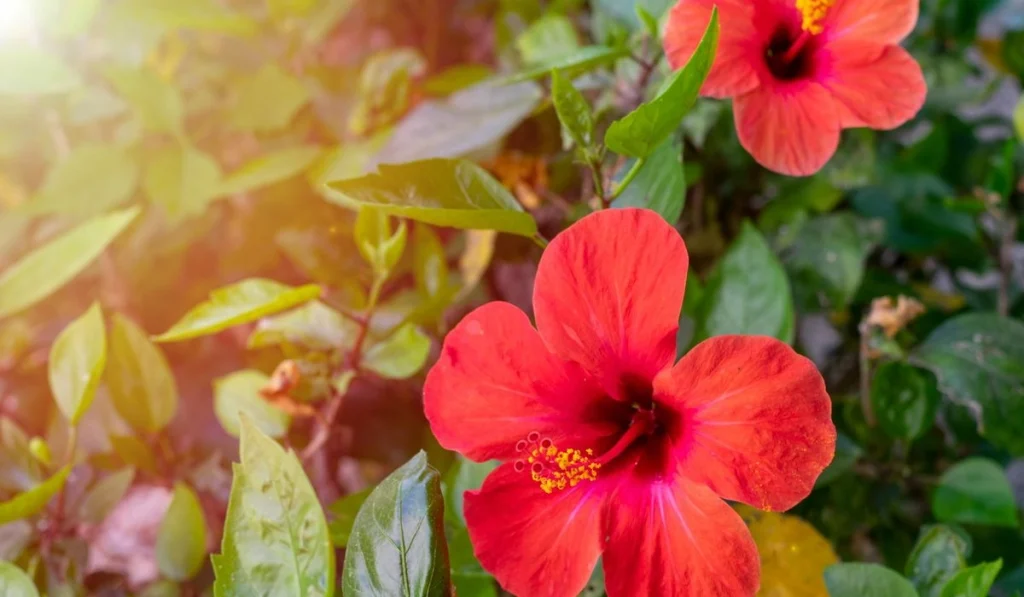
Hibiscus care changes slightly with the seasons. During spring and summer, focus on watering, feeding, and encouraging blooms. In cooler months, growth slows, and the plant requires less water and fertiliser.
In colder areas, tropical hibiscus should be protected or moved indoors to avoid frost damage. Proper seasonal care helps hibiscus live longer and bloom year after year.
Why Hibiscus Is Perfect for Home Gardens
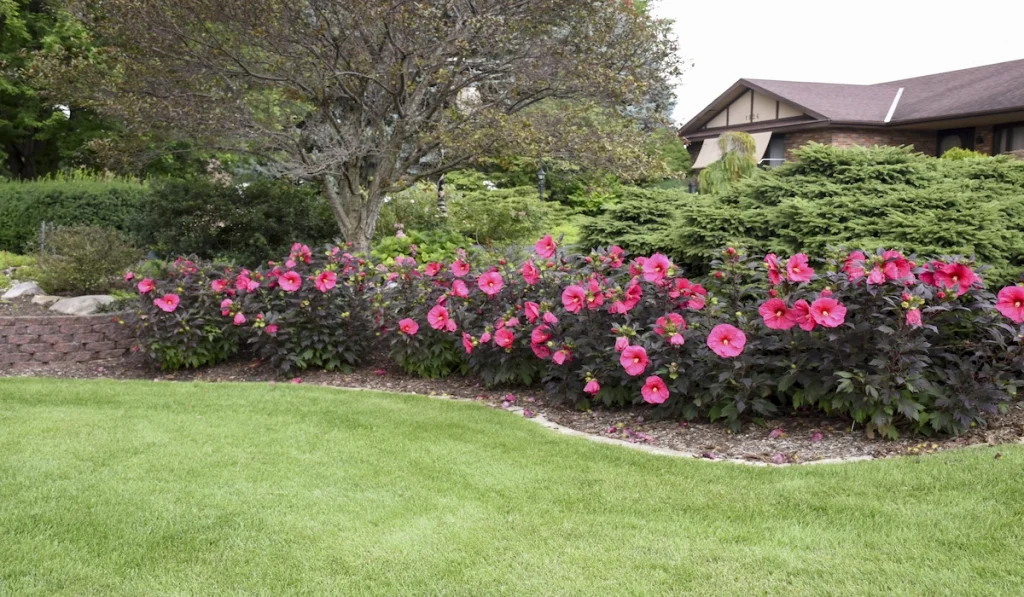
Hibiscus plants add colour, beauty, and a tropical feel to any outdoor space. They attract pollinators such as butterflies and bees, which benefits the garden environment.
With simple care and attention, hibiscus can reward you with stunning flowers for many months. It is an excellent choice for beginners and experienced gardeners alike.
Final Thoughts on Growing Hibiscus
Growing hibiscus is not difficult when you understand its basic needs. With adequate sunlight, well-drained soil, regular watering, and proper feeding, hibiscus plants can thrive and bloom beautifully.
Whether planted in a garden or a container, hibiscus brings life and colour to any space. A little care goes a long way in keeping this stunning plant healthy and in bloom.